iAspirants
Massive Floods in Rasuwa, Nepal
Published on:
Share this post

Article Summary
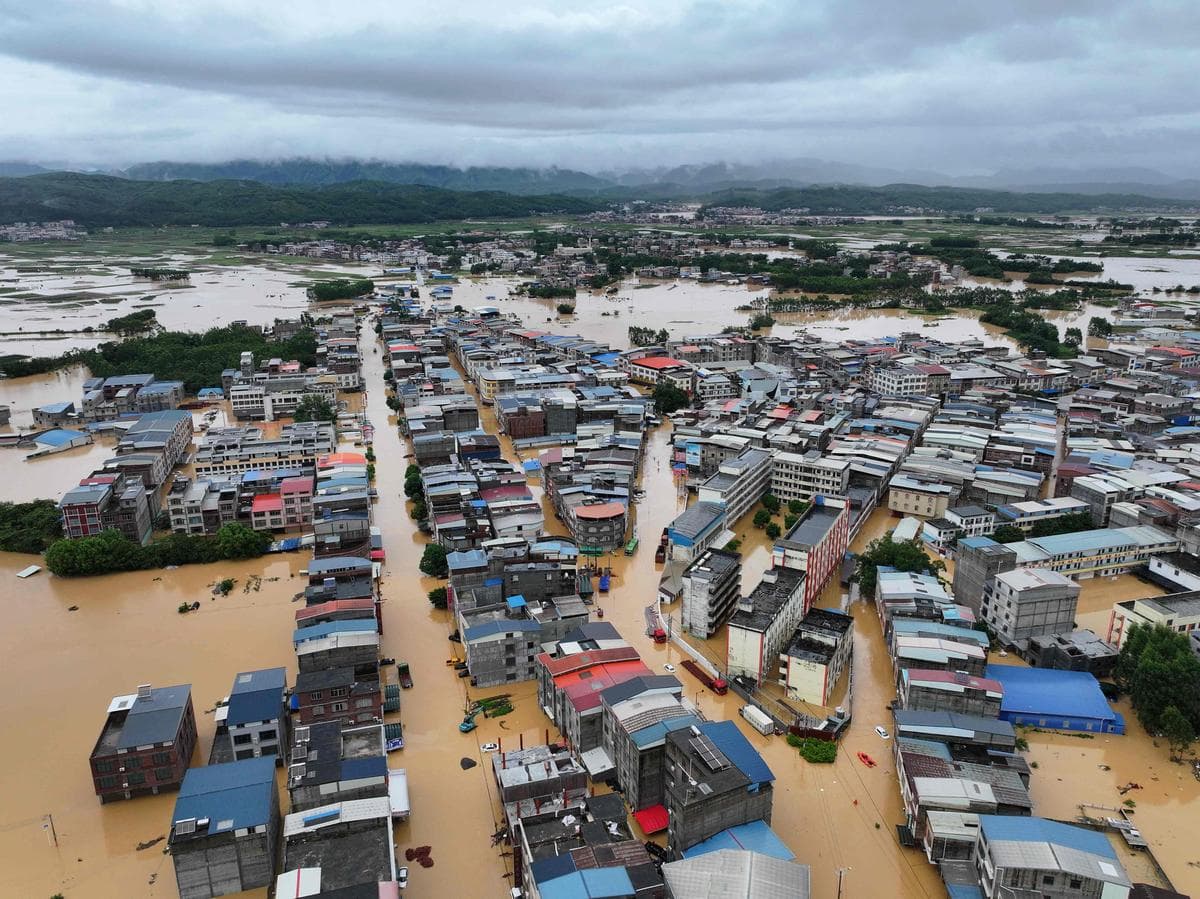
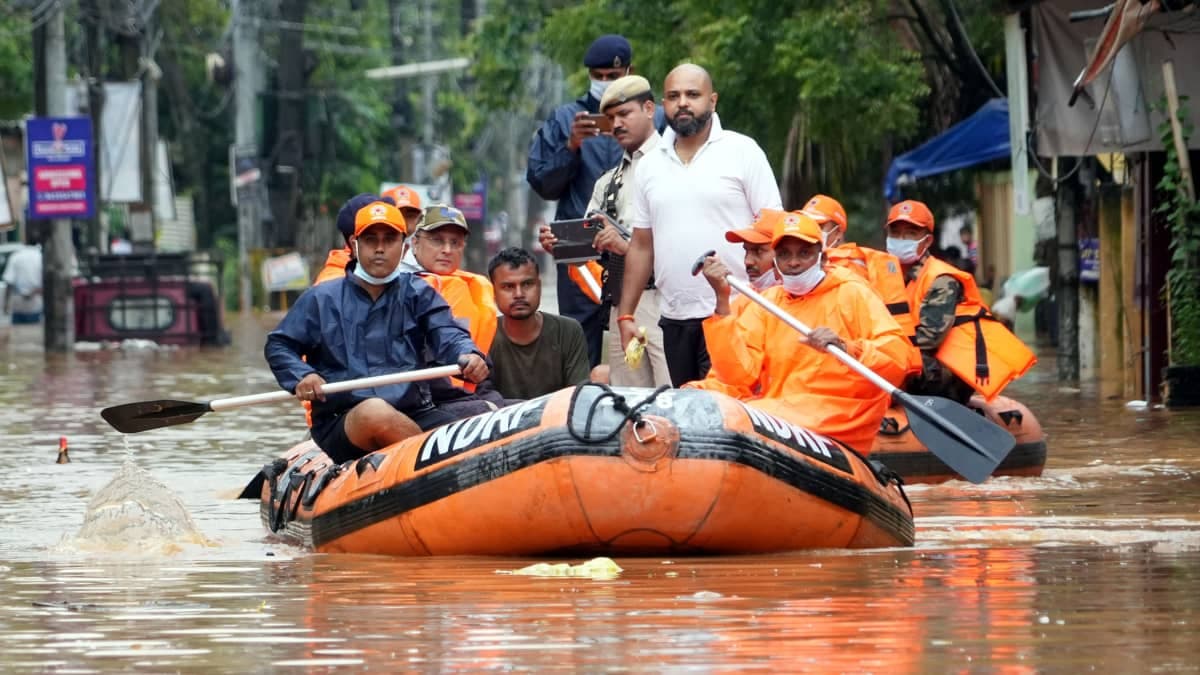
On July 11, 2025, devastating floods impacted the Bhotekoshi River in Rasuwa, Nepal, resulting in the deaths of at least nine individuals and leaving 19 others missing. This incident has raised significant concerns regarding flood preparedness, climatic patterns, and cross-border communication with China.
Key Events and Details:
- Flood Incident: The floods occurred without prior rainfall warnings, leading to confusion about the event's cause. Among those missing are 11 Nepalese, six Chinese, and two police personnel.
- Causes of Flooding: Binod Pokhrel, a hydrology expert, confirmed that the flooding was not rain-induced, as weather predictions showed no rainfall in the Tibet region. Scientists suspect that Glacial Lake Outburst Floods (GLOFs) or landslide lake outburst floods may be responsible.
- Infrastructure Damage: The flooding resulted in substantial infrastructure damage, notably sweeping away the Nepal-China Friendship Bridge. This bridge is a crucial trade link, leading to a halt in trade at Rasuwa, which had been recently reopened in April 2023 following COVID-19 restrictions. Additionally, 24 container trucks and 35 electric vehicles were reported lost.
- Background Information: Rasuwa's flooding incident is part of a broader pattern of extreme weather events and natural disasters affecting Nepal. The Integrated Centre for Mountain Development (ICIMOD) has identified over 3,000 glacial lakes in the region, with 47 considered potentially dangerous. Recent studies note a 33% increase in the size of glacial lakes over the last three decades.
- Call for Action: Water and climate analyst Ngamindra Dahal emphasized the need for a multi-scale approach to disaster management and research, warning about the cumulative impacts of haphazard construction in the region. The call for integrating local knowledge in disaster preparedness stands in stark contrast to the current reliance on potentially uninformed external sources.
- Lack of Communication: The absence of an established mechanism for sharing flood information from the Chinese side has highlighted the potential shortcomings in cross-border cooperation, which may have contributed to the severity of the flooding.
- Prior Warnings: Although a prior advisory was issued by China regarding caution along riverbanks, the lack of forecast for rain raises concerns about possible unnatural incidents provoking the flood.
- Government Response: Nepal’s authorities faced scrutiny for inadequate extreme weather preparedness and failure to recognize warning signs related to significant weather events. Previous reports indicated that the patterns of extreme weather events are increasing in frequency and severity, particularly in mountainous regions.
Economic Impact:
- The cessation of trade through the Rasuwa border, previously known for handling 30-40 fully loaded cargo containers daily until the flood, indicates a significant economic disruption.
Climatic Observations:
- Rising temperatures causing accelerated glacier melting in the Himalayas, an area reportedly melting twice as fast as the global average, has increased concerns about future flooding risks.
Summary:
The flooding in Rasuwa is emblematic of the broader challenges faced by Nepal due to climate change and inadequate disaster preparedness mechanisms. The incident underscores the importance of enhanced collaboration across borders, improved communication systems, and the inclusion of local data and knowledge in formulating effective disaster management strategies.
Important Points:
- Nine dead, 19 missing due to flooding on July 11, 2025, in Rasuwa, Nepal.
- No rainfall reported; floods suspected to be caused by GLOFs or landslide issues.
- Significant infrastructure damage includes loss of the Nepal-China Friendship Bridge.
- Trade through Rasuwa halted, affecting economic flows.
- Need for improving disaster preparedness and local knowledge utilization stressed by experts.
- Rising global temperatures linked to increased glacial melting in the Himalayas.
- Lack of effective communication mechanisms for cross-border information sharing noted.
Key Terms & Concepts
| Bhotekoshi River | Location of flooding |
| Nepal-China Friendship Bridge | Trade point destroyed |
| monsoon floods | Recurring natural disaster |
| GLOFs | Type of flood described |
| ICIMOD | Research organization |
| Trishuli River | Affected water body |
| Himalayan glaciers | Subject of climate study |
| Rasuwa border point | Major trade point |