iAspirants
Modi's Agenda at SCO Summit
Published on:
Source: The Hindu
Share this post
Article Summary
Summary of the Prime Minister's Participation at the SCO Summit in Bishkek, Kyrgyzstan
Event Overview:
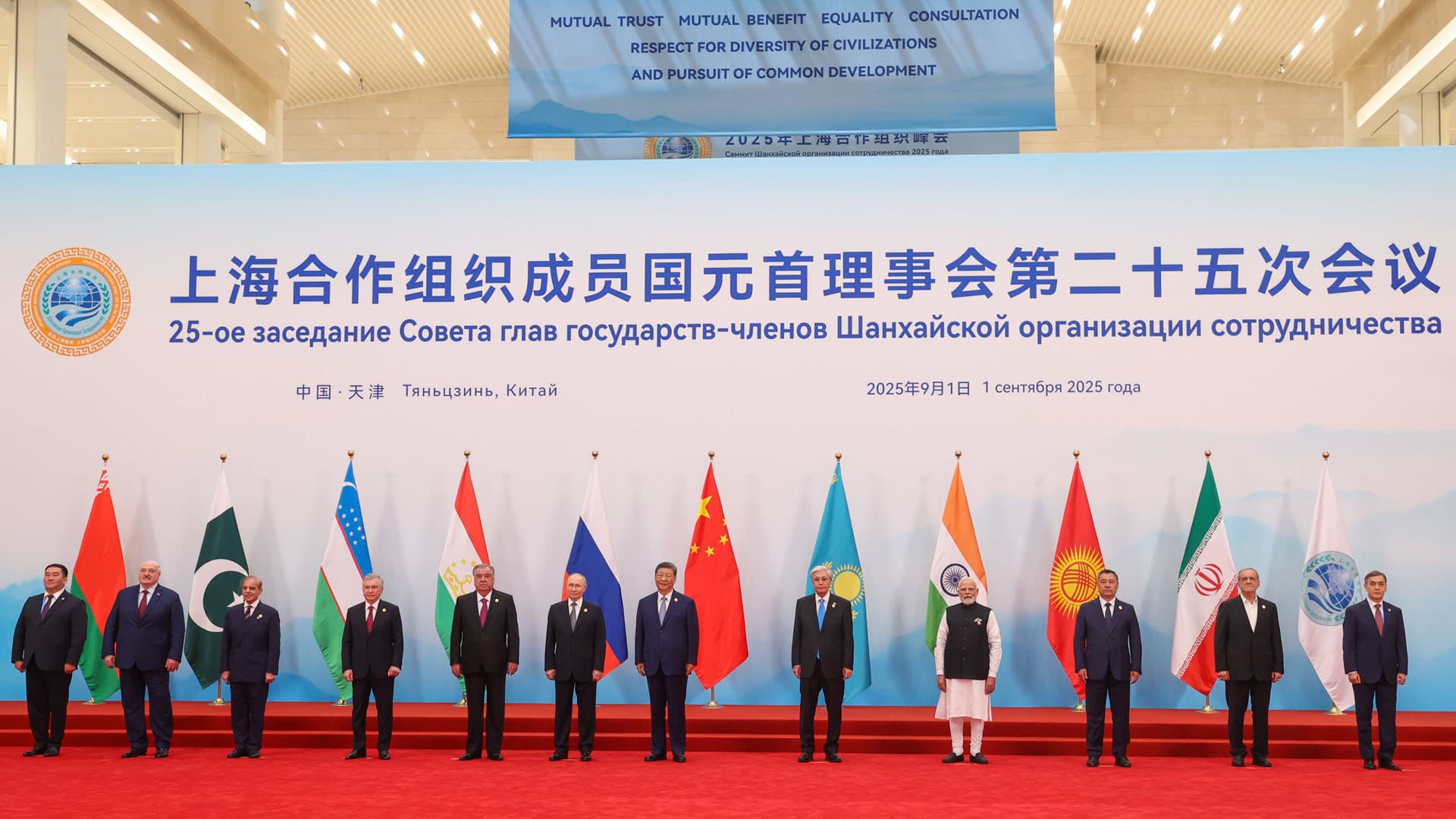
- Prime Minister Narendra Modi attended the annual Shanghai Cooperation Organisation (SCO) summit in Bishkek, marking the 25th anniversary of the grouping.
- The summit addressed the economic impacts resulting from the ongoing U.S.-Israel conflict with Iran.
SCO and BRICS Relations:
- The SCO includes key members like Iran and Pakistan. Importance was placed on Pakistan's new role as the SCO chair.
- India is set to host a BRICS summit in Delhi on September 12-13, including leaders from Russia, China, and Iran.
Key Issues Discussed:
- The Bishkek declaration condemned U.S. and Israel's actions against Iran, while asserting Iran's right to peaceful nuclear technology under the Non-Proliferation Treaty (NPT).
- Modi emphasized the need for dismantling “terrorist financing, recruitment, radicalization, and safe havens”, urging the SCO to avoid “double standards” in terrorism policy.
Regional Challenges:
- The summit highlighted strained ties between India and Central Asian nations, with Modi's visits representing an initiative to enhance discussions on trade and critical sectors.
- Tensions from the Pahalgam attacks and geopolitical shifts were noted, including Pakistan's engagement with the U.S. and a new security pact with Saudi Arabia and Turkey.
Judicial/Legislative Context:
- India’s advocacy for a unified declaration against terrorism in the context of cross-border terrorism received support through the summit’s declaration.
Economic and Security Concerns:
- The economic security of the SCO is impacted by U.S. tariffs, the Iran conflict, and sanctions on Russia, posing challenges to energy security and connectivity (e.g., Hormuz Strait blockade).
Constitutional and International Agreements:
- The Bishkek declaration reinforces positions against terrorism and advocates for collective security, reflecting India's ongoing diplomatic strategies in response to its constitutional stance on national security.
Policy Directions:
- India aims to revive trade relationships and diplomatic engagement with Central Asia, with Modi’s strategic conversations involving trade, tourism, and critical minerals.
Future Outlook:
- The outcome of Pakistan’s presidency in the SCO remains uncertain; Modi's call for decisive actions and solidarity against terrorism reflects a proactive strategy in India's foreign policy and its engagement in regional security dialogues.
Scientific and Technological Collaboration:
- While specific scientific collaborations were not detailed, the emphasis on critical minerals suggests an underlying interest in resource-based cooperation.
This summary captures the salient discussions and outcomes from the SCO summit that are relevant for understanding regional dynamics and India's foreign policy.
Key Terms & Concepts
| Shanghai Cooperation Organisation | Multilateral organization participation |
| Bishkek Declaration | Condemnation of US-Israel actions |
| NPT | Nuclear Non-Proliferation Treaty |
| BRICS | Economic grouping participation |
| Pahalgam attacks | Contextual reference to terrorism |
| Hormuz Strait | Significant trade route |
| Saudi Arabia and Türkiye | New security pact partners |
| Pakistan | Chairmanship of SCO |
| Economic sanctions | Impact on trade relationships |
| Terrorist financing ecosystem | Focus of Modi's speech |