iAspirants
Current AffairsPrelims PYQsUPSC CSE SyllabusUPSC CSE StrategyBlogsPricing
Login
iAspirants

Your AI-powered companion for UPSC preparation.

Quick Links

  • Home
  • About Us
  • Current Affairs
  • Prelims PYQs
  • UPSC CSE Syllabus
  • UPSC CSE Strategy
  • Blogs

Company

  • Pricing
  • FAQs
  • Contact Us
  • Login

Legal

  • Privacy Policy
  • Terms & Conditions
  • Return Policy

© 2025 iAspirants, Inc. All rights reserved.

  1. Blogs
  2. Economic and Social Development

Nagaland Signs Solar Power Agreement

Published on: 22-Aug-2026

Source: The Hindu

Share this post

Nagaland Signs Solar Power Agreement

Article Summary

Summary of Nagaland Solar Power Agreement

Key Facts:

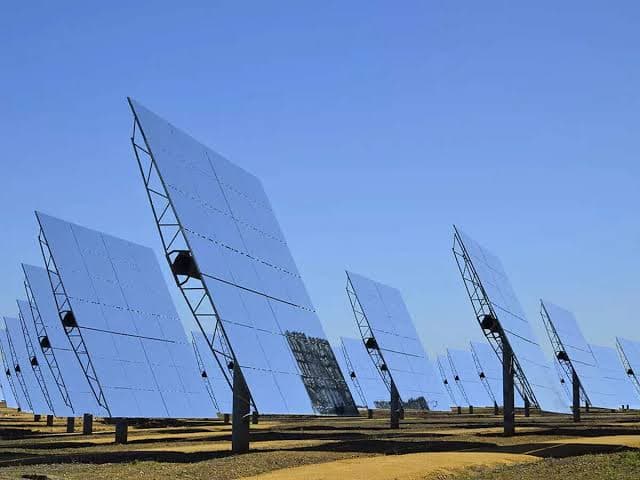
  • Project: 20-megawatt solar power plant at Tizit, Mon district, Nagaland.
  • Agreement Date: Signed on August 21, 2026.
  • Developer: Pune-based Tvaksas Renewable Private Limited.
  • Location: Lapa Lampong village.
  • Tariff Rate: ₹4.12 per kWh, approved by the Nagaland Electricity Regulatory Commission.
  • Commissioning Timeline: Expected within 20 months.
  • Long-term Plans: Potential expansion to 100 MW in phases.

Government Initiatives:

  • Renewable Energy Goals: The project aims to augment Nagaland’s renewable energy generation capacity and assist the State in meeting its renewable consumption obligations.
  • Current Power Demand: Nagaland's peak power demand is currently 203 MW, projected to increase to 482 MW by 2034-35.
  • Policy Focus: Encouragement of private sector participation to enhance local generation capacity and reduce reliance on power imports.

Economic Implications:

  • Investment and Development: The project is expected to bring long-term investments, skill development opportunities, and climate finance to Nagaland.
  • Cost Savings: Reducing the State’s power import bill through local generation.

Constitutional and Regulatory Framework:

  • Electricity Regulatory Framework: The tariff for the power purchase is approved under the guidelines set by the Nagaland Electricity Regulatory Commission, which regulates electricity pricing and ensures fair practices in power supply.

Conclusion

This initiative marks Nagaland's first private-sector solar plant, aligning with broader government objectives to enhance renewable energy capacity and meet future electricity demands sustainably. The focus on private investment indicates a strategic shift towards local energy solutions, contributing to economic and environmental goals.

Key Terms & Concepts

Nagaland governmentSigned power purchase agreement
20-megawatt solar power plantRenewable energy project
Pune-based firmDeveloping solar power plant
Tizit, Mon districtLocation of solar project
₹4.12 per kWhFixed tariff for energy
25-year agreementDuration of power purchase
203MW peak demandCurrent electricity demand
482MW by 2034-35Projected electricity demand
Nagaland Electricity Regulatory CommissionApproved tariff for energy
skill development and climate financeExpected project benefits

Mind Map for UPSC Civil Services Revision

Turn UPSC Civil Services Current Affairs Into Exam-Ready Notes

Reading Economic and Social Development current affairs is half the work. Revise them with ready-made notes and test what actually stuck.

  • Daily UPSC Civil Services current affairs analysis
  • Revision notes, mind maps & MCQs
  • Prelims mock tests with instant results

Related UPSC Civil Services Current Affairs Articles

Concerns Over India's Economic Policies
Economic and Social Development06-Oct-2026

Concerns Over India's Economic Policies

Economic Policy Context and Challenges

  1. Model Bilateral Investment Treaty (BIT) Revision:

    • The BIT, established in 2016, has been criticized for being too restrictive, requiring foreign investors to litigate in Indian courts for five years before resorting to international arbitration.
  • A revision outlined by Finance Minister Nirmala Sitharaman was announced 18 months ago but remains unimplemented.
  • Historical Context of BIT:

    • The BIT has proven to be obstructionist, with India being the only country maintaining extensive litigation periods.
    • The count of foreign investment treaties significantly decreased from 73 in 2015 to eight by 2021, with a notable lack of significant foreign capital sources covered.
  • Foreign Direct Investment (FDI) Data:

    • Record FDI inflow of $94.5 billion in 2025-26.
    • A substantial outflow included $53.6 billion repatriated by foreign investors, leaving a net FDI of $7.65 billion, equivalent to 0.18% of GDP, marking a recovery from 0.02% in 2024-25.
    • This figure is the second-lowest in three decades.
  • Reinvested Earnings:

    • Reinvested earnings of foreign firms reached $25.6 billion in 2025-26, outpacing net FDI.
    • A negative net direct investment outflow of approximately $18 billion was recorded based on previous definitions used until 2000-01.
  • Equity Market Performance:

    • In 2025, Indian equities underperformed against emerging markets, with a $17.7 billion net foreign withdrawal and a 9.1% decline in dollar terms year-to-date until August 2025.
    • Compared to other emerging markets, Indian performance lagged substantially, revealing investor concerns.
  • International Standards and Definitions:

    • Proposal surfaced to categorize portfolio investments held for more than three years as direct investment, which contradicts the OECD’s Benchmark Definition.
  • Implications and Recommendations

    1. Impact on Economic Growth:

      • Delayed implementation and revisions to treaties and easy investment procedures hinder potential foreign capital inflow.
      • The focus should shift from merely maintaining existing investments to attracting new commitments.
    2. Need for Policy Reform:

      • The current obstructionist approach needs to be reassessed; logic and rationale should guide policies rather than the status quo or special interests.
      • Interaction with foreign investors about their experiences and expectations regarding BITs and trade agreements is essential.
    3. Strategic Measures for Improvement:

      • Shortening litigation periods and enhancing the appeal of India as an investment destination through a transparent and efficient legal framework is crucial.
      • Engaging in constructive dialogue with international partners on revising BITs to meet global standards could enhance investment attractiveness.

    These notes encapsulate the challenges and statistics surrounding India's economic policies, particularly in relation to foreign direct investment and investment treaties, reflecting significant areas of concern for policymakers and stakeholders.

    India's Water Management Initiatives Highlighted
    National and International Importance06-Oct-2026

    India's Water Management Initiatives Highlighted

    India International Water Week: Key Highlights

    1. Event Overview:

      • Hosted the ninth edition focused on "climate-resilient water management".
    2. India's Progress:

      • Transitioned from challenges with water access and climate shocks to a proactive stance on managing water resources sustainably.
      • Committed to efficient water use and environmental protection.
    3. Key Government Schemes:

      • Swachh Bharat Mission: Aimed at improving sanitation.
      • Jal Jeevan Mission (JJM): Targets universal access to safe and adequate drinking water.
      • Jal Shakti Abhiyan: A water conservation campaign.
      • Namami Gange: Focused on river rejuvenation for the Ganges.
      • Atal Bhujal Yojana (ABY): Promotes sustainable groundwater management.
      • Per Drop More Crop (PDMC): Enhances water use efficiency in agriculture.
    4. Case Study: "From Gujarat to India: Water Lessons for the World"

      • Chronicles the evolution of water governance reforms from 2001 to 2026.
      • Emphasizes the role of political leadership, public financing, and community engagement in strengthening water security.
    5. Four Key Lessons for Global South:

      • Lead with Governance: Governance is crucial to water security, alongside infrastructure.
      • Integrated Resource Management: Optimize both water resource development and service sustainability.
      • Community Ownership: Effective local governance, such as Pani Samitis, enhances water access.
      • Scalability: Initiatives must be scalable to address global water issues effectively.
    6. "4 Ps" Framework for Water Governance:

      • Political Prioritization: Leadership focused on water access and sustainability.
      • Public/Private Financing: Ensuring funding for governance needs.
      • Partnerships: Collaborations between various government levels and organizations.
      • People’s Participation: Involving communities in local water management.
    7. Economic Data:

      • Projected annual revenue from treated used water in India to reach Rs 73,000 crore by 2047.
      • Additional $500 billion in annual investment required globally to achieve Sustainable Development Goal (SDG) 6 on water and sanitation by 2030.
    8. Global Context:

      • India’s experience is instructive for other countries facing similar water governance challenges in the Global South.
    9. Environmental Significance:

      • Importance of integrated management of water resources, ecosystems, and used water for sustainable development.
    10. International Engagement:

      • The framework of cooperation was highlighted during the Delhi Declaration in October 2018, emphasizing partnerships for sustainable water management.
    11. Future Directions:

      • Urgent need for a sustainable approach to manage surging water demands due to urbanisation and climate change.
      • Emphasis on the importance of treating used water as a valuable resource.

    By focusing on these elements, India underlines its commitment to addressing water security through innovative governance and sustainable practices in alignment with international standards and agreements.

    Lung Cancer Screening Challenges in India
    Health06-Oct-2026

    Lung Cancer Screening Challenges in India

    Lung Cancer in India - 2024 Overview

    Statistics & Trends

    • Lung cancer is India's leading cause of cancer deaths, accounting for 10.9% (98,687 deaths) in 2024, up from 75,031 deaths in 2022.
    • New lung cancer cases increased from 81,748 (5.8%) in 2022 to 112,000 (7.2%) in 2024, rising from fourth to third in incidence.
    • Survival Rates: 93% of cases are diagnosed in advanced stages; 5-year survival rates are only 7% to 18% when diagnosed late, increasing to 80% if detected in the first stage.

    Screening Challenges

    • Lung cancer screening is largely absent in India's health programs, which primarily screen for breast, oral, and cervical cancers.
    • The current screening methods for more common cancers are low-tech and inexpensive, while Low-Dose Computed Tomography (LDCT) screenings for lung cancer are costly.

    Government Schemes & Recommendations

    • The Indian Council of Medical Research (ICMR) notes that although LDCT is the costliest, it provides significant net monetary benefits and should be considered in national cancer screening programs.
    • Institutional efforts need to incorporate lung cancer screening strategies, especially using LDCT.

    Criteria for Screening & Population Risk

    • Current global screening guidelines primarily focus on smokers aged 50-80, leaving many at-risk individuals (including non-smokers and beedi smokers) unaccounted for.
    • Advocates suggest expanding the high-risk category to include:
      • Individuals with a history of bidi smoking.
      • Those exposed to secondhand smoke, biomass fuel, and air pollution.

    Environmental Factors

    • Ambient air pollution is identified as an emerging risk factor.
    • Studies indicate LDCT remains effective in TB-endemic populations, with no significant issues related to false positives due to tuberculosis.

    Scientific Studies & Recommendations

    • The Indian Lung Screening Trial (ILST) and AIRCARE are generating evidence on the effectiveness and risks associated with lung cancer screening in India.
    • Dr. Abhishek Shankar emphasizes the integration of smoking cessation into screening and treatment programs to improve outcomes.

    Suggested Public Health Interventions

    • Public health messaging should be revised to become more actionable; for example, inform smokers over 60 years old to get screened, rather than simply warning them about smoking risks.

    Conclusion

    The increasing prevalence and mortality associated with lung cancer in India necessitate a critical assessment of screening protocols and public health strategies. With targeted screening and an integrated approach including smoking cessation efforts, there is potential to significantly reduce lung cancer incidences and improve survival rates.

    GST Overhaul to Remove Arrest Powers
    Economic and Social Development05-Oct-2026

    GST Overhaul to Remove Arrest Powers

    Key Updates on the Goods and Services Tax (GST) Overhaul

    1. Background of GST:

      • GST was implemented in July 2017 to streamline indirect taxation in India.
      • The regime has faced challenges including tax evasion and misuse of provisions by traders.
    2. Proposed Changes:

      • The upcoming GST Council meeting on October 7, 2026, will address the decriminalization of offenses under GST.
      • The central government, along with state officials, has discussed the removal of arrest powers under GST, responding to business community concerns about overreach by tax authorities.
    3. Arrest Powers Under Current GST Framework:

      • Under the Central Goods and Services Tax (CGST) Act, non-compliance results in penalties, but deliberate fraud can lead to arrest under Section 69 with the Commissioner’s approval.
      • From 2021-2022 to 2024-2025, there were 72,393 cases of GST offenses and 887 arrests were made by central authorities, with additional arrests by state authorities.
    4. Concerns Raised:

      • Industry leaders describe the arrests as harassment, particularly affecting sectors like banking and insurance.
      • Concerns regarding arrest powers were previously noted in multiple GST Council meetings leading up to the rollout, emphasizing that such powers could hinder the ease of doing business.
    5. Legislative Changes Expected:

      • Following the GST Council discussions, legislative amendments are anticipated during the Winter Session of Parliament to formalize the removal of arrest powers.
    6. Influences from Previous Tax Regimes:

      • The removal of arrest provisions would align the GST system more closely with the former Value Added Tax (VAT) regime, which did not allow arrest powers.
    7. Additional Tax Reforms:

      • The Central Board of Direct Taxes (CBDT) has recently removed arrest and detention provisions from direct tax recovery rules retroactively from April 1, 2026, indicating a trend towards the decriminalization of tax offenses.
    8. Overall Impact:

      • These reforms are intended to enhance investor sentiment, create a more business-friendly environment, and address fears among traders regarding excessive punitive measures.
    9. Legal Framework Integrity:

      • The existing provisions for arrests under the GST law are deemed necessary for efficient tax administration, functioning to deter fraud while also being executed under strict guidelines requiring credible evidence.
    10. Future Aspects:

      • The government is moving towards decriminalization in an effort to alleviate burdens on taxpayers, focusing instead on compliance and effective tax collection strategies without resorting to arrest.

    Conclusion

    These proposed changes to the GST regime reflect a significant shift in India's approach to tax enforcement, emphasizing a more balanced relationship between tax authorities and businesses while maintaining the integrity of the tax system.

    Global Bond Yields Surge in 2023
    Economic and Social Development05-Oct-2026

    Global Bond Yields Surge in 2023

    Economic Indicators and Government Bond Yields:

    1. US and French Government Bond Yields:

      • Ten-year US government bond yield reached 5.34%, highest since 2002.
      • Ten-year French government bond yield reached 4.99%, highest since 2002.
      • Japan's bond yield crossed 3.1%, first time since 1996.
    2. Indian Government Securities:

      • Ten-year Indian government security yield closed week at 7.21%.
      • Yield increase over the past year for India is 0.7 percentage points, lower than developed economies (1.2-1.4 percentage points).
    3. Drivers of Increased Yields:

      • Persistent Fiscal Deficits: Developed countries are facing high deficits due to:
        • Aging populations.
        • Expanded social welfare commitments.
        • Increased military spending.
    India's Economic Growth Through GST Reform
    Economic and Social Development05-Oct-2026

    India's Economic Growth Through GST Reform

    Summary of GST Reform and Economic Growth in India

    Constitutional and Legislative Context

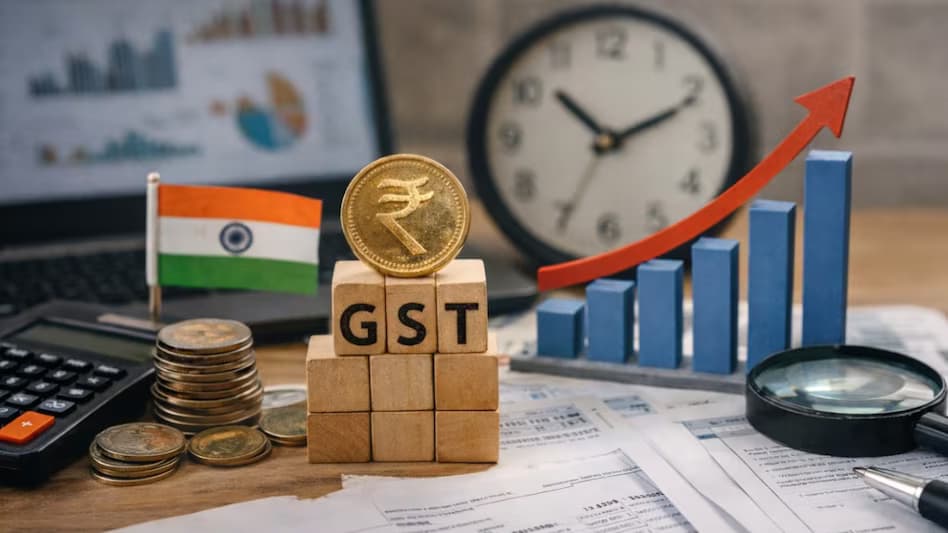
    • Goods and Services Tax (GST): Enacted in 2017, GST provides a unified tax framework. The latest reform, referred to as Next-Gen GST, aims to simplify compliance and rationalize tax rates.

    Economic Performance and Indicators

    • Taxable Supplies Growth: From October 2025 to July 2026, taxable supplies increased by 25.8% year-on-year.
    • GST Collections: Gross collections reached ₹12.46 lakh crore during April–September 2026, marking a growth of 11.6% compared to the same period in the previous year. July-September recorded nearly 15% acceleration in collections.
    • B2C Sales Growth: Sales to consumers increased by 26.7% post-reform.

    Government Schemes and Policies

    • Support for Enterprises: Emphasis on facilitating small and medium enterprises (SMEs) access to markets, particularly in Tier-2 and Tier-3 towns, fostering local investment and job creation.
    Saudi Arabia Cuts Crude Oil Prices
    Economic and Social Development05-Oct-2026

    Saudi Arabia Cuts Crude Oil Prices

    Summary of Key Events and Developments

    Economic and Oil Market Updates

    • Saudi Arabia's Oil Price Change:
      • November price for Arab Light crude oil to Asia reduced by $3/barrel, now $5 below Oman/Dubai average. This is the widest discount since June 2020.
      • Medium and heavy grades decreased by $5/barrel.
      • Arab Light price for Northwest Europe rose by $3 to $0.85 above ICE Brent; unchanged price of $4.60 for the US against ASCI.
    • OPEC+ Decision:
      • Key producers, including Saudi Arabia, Russia, and Iraq, decided to maintain oil production targets unchanged for November amidst ongoing market disruptions due to the Iran war. Next meeting scheduled for November 1.

    International Relations and Conflicts

    • Iran-U.S. Relations:

      • Iran's foreign minister emphasized that no military solution exists for the US-Iran conflict and reaffirmed commitment to negotiations for resolution.
      • Discussions on Iran's conditions for diplomatic progress, including seven demands highlighted by Iranian negotiators.
    Concerns Over India's Economic Policies
    Economic and Social Development04-Oct-2026

    Concerns Over India's Economic Policies

    Economic Policy and Foreign Direct Investment in India: Key Insights

    1. Bilateral Investment Treaty (BIT) Concerns:

      • The 2016 Model BIT remains under revision, with Finance Minister Nirmala Sitharaman indicating a need for updates since it has not evolved significantly.
      • It mandates foreign investors to litigate for five years in Indian courts before approaching international arbitration, contrasting with global norms where a consultation period is typically three to six months.
      • Recent treaties with the UAE (2024) and Israel (2025) reduced the litigation period to three years, which remains excessively long compared to international standards.
    2. Foreign Direct Investment (FDI) Statistics:

      • In 2025-26, India recorded an FDI inflow of $94.5 billion but faced $53.6 billion in repatriations or disinvestments, resulting in a net FDI of only $7.65 billion, approximately 0.18% of GDP.
      • This represents a recovery from a low of 0.02% in 2024-25 but is among the lowest in three decades.
      • Reinvested earnings by foreign firms stood at $25.6 billion, more than three times the net FDI amount.
    3. Equity Market Performance:

      • In 2025, Indian equities underperformed compared to emerging markets and Asia-Pacific for the largest gaps in decades.
      • Foreign investors withdrew $17.7 billion from Indian equity markets, with an additional $10.5 billion in the subsequent period until August 19, reflecting a trend of capital outflow.
    4. International Investment Trends:

      • Indian firms invested $33.3 billion abroad, indicating a trend of domestic capital flight that undermines local investment opportunities.
      • The redefined metrics around direct and portfolio investment raise concerns about accuracy in reporting and the actual attractiveness of India as an investment destination.
    5. Conclusion and Recommendations:

      • The ongoing challenges with FDI and treaty structures highlight a need for reform to improve India’s investment landscape.
      • The focus should be on aligning policies with international standards to attract foreign investment rather than relying on band-aid solutions that obscure underlying issues.
    6. International Standards and Practices:

      • The OECD Benchmark Definition outlines a clear differentiation between direct and portfolio investments, which India must adhere to in order to maintain international credibility.
      • The proposed reclassification of long-term portfolio investments as direct investments lacks grounding and fails to address the fundamental barriers facing foreign investors.

    This summary encapsulates crucial aspects of India's economic policy and FDI landscape, shedding light on systemic challenges while suggesting the importance of constructive reforms for enhanced foreign relations and economic growth.

  • Voter resistance to tax increases or entitlement cuts.
  • US public debt exceeds $40 trillion, with a 2026 defense budget of $1 trillion.
  • Advanced economies paid $3.3 trillion in interest on globally traded government bonds last year.
  • China's Holdings:

    • Chinese holdings of US Treasuries dropped to $618 billion, an 18-year low (from a peak of $1.32 trillion in Nov 2013).
  • Commodity Inflation:

    • Driven by war and weather-related supply shocks, forcing central banks to raise interest rates, with further increases expected.
  • AI Infrastructure Investment:

    • Major tech companies (Meta, Microsoft, Amazon, Google) projected capital expenditure:
      • $410 billion in 2025.
      • $725 billion in 2026.
      • $1.1 trillion-plus in 2027.
    • Funding for this expansion relies significantly on debt.
  • Implications for India:

    • Policymakers and corporates must adapt to a scenario where global capital is more expensive.
    • Emphasis on fiscal discipline is crucial to avoid crowding out of private sector borrowing.

    Overall Summary: The analysis shows a significant increase in government bond yields across advanced economies, driven by fiscal management challenges, inflation, and competitive tech investment funding in a shifting global market, with notable effects anticipated on India's fiscal and investment environment.

  • GST Registrations: Around 1.71 crore registrations reported by August 2026, a 15% increase compared to the previous year.
  • Administrative Improvements

    • Compliance Enhancements: GSTR-3B returns filed timely increased by 12.6% during the April-July 2026 tax periods.
    • Input Tax Credit Functionality: Improvement in claims on tax liability which enhances liquidity for SMEs.
    • Refund Mechanism: Approx. ₹1.80 lakh crore refunded from April to September; a reliable refund process is deemed essential for business planning.

    State Revenue Impacts

    • State Goods and Services Tax (SGST): SGST receipts, including Integrated GST (IGST) settlements, increased by approximately 16% in the same period, providing more resources for infrastructure and services.

    Future Directions

    • Ongoing Reforms: Upcoming proposals to the GST Council include improvements in registration, returns, and the input tax credit process, formulated with state-level consultations to ease compliance costs.
    • Commitment to Taxpayer Experience: Continuous focus on administrative performance and taxpayer satisfaction to foster an environment conducive for long-term investments and enterprise growth.

    Economic Aspirations

    • The overarching goal is to construct a robust economic framework that contributes to a vision of Viksit Bharat, fostering a mature, fair, and efficient tax system that enhances the growth potential of all sectors within India's economy.

    Conclusion

    The reforms and performance metrics outlined reflect a clear trajectory of growth and empowerment for both businesses and consumers in India, reinforcing the foundations of a developed Bharat as envisioned by the government.

  • Recent diplomatic proposal assessed by Iran following UN meetings.
  • Yemen Conflict:

    • Yemen’s governing body announced military operations to reclaim territory from Houthi forces, claiming over 1,500 Houthi casualties in 24 hours.
    • Houthis reported repelling Saudi airstrikes, with Saudi Arabia launching 106 attacks in recent days.
  • Tanker Attacks:

    • Increased tensions in the Gulf with multiple tanker attacks reported, raising concerns over shipping and insurance costs in the region.
  • Political Developments in Iran

    • Cabinet Changes:
      • Resignation of Iran’s oil minister amid economic crisis and long petrol queues resulting from ongoing conflicts.
      • Hamid Bovard appointed as acting Oil Minister.

    International Trade and Transport Changes

    • Flights Resumption:
      • Iranian airlines resumed operations to Najaf, Iraq after obtaining US exemptions for sanctioned carriers.

    Judicial and Legal Context

    • No specific judicial rulings or legislative changes reported in this context but ongoing military and diplomatic actions create a backdrop of scrutiny regarding international agreements and regional laws.

    Summary of Societal Impact

    • Gun Violence Incident in Georgia:
      • Gunfire during a block party led to two fatalities and around 35 injuries in Vienna, igniting discussions on gun control and public safety.

    Conclusion

    • Current geopolitical tensions, particularly in the Gulf region and Iraq, influence oil pricing and market stability.
    • The situation remains fluid as OPEC+ and regional governments navigate a complex landscape of economic pressures and military engagements.