iAspirants
Current AffairsPrelims PYQsUPSC CSE SyllabusUPSC CSE StrategyBlogsPricing
Login
iAspirants

Your AI-powered companion for UPSC preparation.

Quick Links

  • Home
  • About Us
  • Current Affairs
  • Prelims PYQs
  • UPSC CSE Syllabus
  • UPSC CSE Strategy
  • Blogs

Company

  • Pricing
  • FAQs
  • Contact Us
  • Login

Legal

  • Privacy Policy
  • Terms & Conditions
  • Return Policy

© 2026 iAspirants, Inc. All rights reserved.

  1. Blogs
  2. Science and Technology

National Conference on Biosimilars Quality

Published on: 11-Sep-2026

Source: PIB

Share this post

National Conference on Biosimilars Quality

Article Summary

Exam-Focused Notes on the National Conference on Biosimilars Quality and Safety

Event Overview:

  • Organizer: Indian Pharmacopoeia Commission (IPC)
  • Date: September 10-11, 2026
  • Location: Center for Cellular and Molecular Platforms (C-CAMP), Bengaluru
  • Participants: 160 stakeholders from regulatory authorities, industry, academia, and research organizations.

Objectives:

  • To strengthen India’s biopharmaceutical ecosystem under the BioPharma Shakti Vision, focusing on innovation, self-reliance, quality, and global competitiveness.

Key Highlights:

  • Introduction of Indian Pharmacopoeia Reference Substance (IPRS) for Enoxaparin Sodium, a low molecular weight heparin used extensively in thromboembolic disorder prevention and treatment.
  • The IPRS serves as a certified reference material for bioassays, ensuring accurate, consistent, and comparable evaluations of its biological activity.

Scientific and Regulatory Discussions:

  • Conference addressed major scientific and regulatory challenges in the development, assessment, and safety of biosimilars.
  • Emphasis on:
    • Pharmacopoeial standards
    • Key quality attributes
    • Analytical characterization
    • Comparability assessment
    • Immunogenicity and drug vigilance
    • Evolving regulatory expectations

Significance of the Conference:

  • Enhances India’s indigenous pharmaceutical quality infrastructure, contributing to the Atmanirbhar Bharat (Self-reliant India) vision.
  • Reinforces the importance of collaboration among regulatory authorities, pharmacopoeial institutions, industry, academia, and research organizations for a robust biosimilars ecosystem.

Keynote Insights:

  • Dr. V. Kalaiselvan, Secretary and Scientific Director, IPC, highlighted:
    • The necessity of strengthening pharmacopoeial standards and reliable analytical evaluations.
    • The importance of regulatory cooperation and aligning Indian systems with evolving global regulatory expectations to promote biopharmaceutical innovation.

Technical Sessions:

  • Experts from IPC, SLA, WHO, USP, NIB, IDM, BIRAC, C-CAMP, and leading biopharmaceutical organizations presented on:
    • Pharmacopoeial standard-setting
    • Regulatory science
    • Analytical development
    • Safety monitoring
    • Innovations in biological medicines

Panel Discussions:

  • Focused on measures to fortify India’s biosimilar ecosystem, addressing:
    • Quality assurance
    • Analytical and regulatory capabilities
    • Scientific capacity
    • Coordination with changing national and global regulatory expectations

Poster Presentations:

  • Researchers and industry professionals shared scientific work and experiences related to biosimilars.

Conclusion:

  • The conference aimed to promote harmonized standards in the biopharmaceutical sector, enhancing quality, safety, innovation, and regulatory excellence.
  • IPC's commitment to strengthening India’s pharmaceutical and biopharmaceutical quality infrastructure and fostering innovation through collaboration among stakeholders was reiterated.

Implications:

  • The outcomes of the conference are expected to have a lasting impact on the development of biosimilars in India, facilitating adherence to international standards and enhancing the global competitiveness of Indian biopharmaceutical products.

Key Terms & Concepts

Indian Pharmacopoeia Commission (IPC)Organized national conference
BioPharma Vision (SHAKTI)Strengthening India's biopharmaceutical ecosystem
Enoxaparin SodiumReference material for biosafety tests
Center for Cellular and Molecular Platforms (C-CAMP)Venue for the conference
Indian Drug Manufacturers Association (IDMA)Collaborated for the conference
Biotechnology Industry Research Assistance Council (BIRAC)Knowledge partner in conference
Karnataka Drugs and Pharmaceuticals Manufacturers Association (KDPMA)Collaborative partner
WHOParticipated in technical sessions
Regulatory AuthorityDiscussed regulatory challenges
Analytical DevelopmentFocus of technical discussions

Mind Map for UPSC Civil Services Revision

Turn UPSC Civil Services Current Affairs Into Exam-Ready Notes

Reading Science and Technology current affairs is half the work. Revise them with ready-made notes and test what actually stuck.

  • Daily UPSC Civil Services current affairs analysis
  • Revision notes, mind maps & MCQs
  • Prelims mock tests with instant results

Related UPSC Civil Services Current Affairs Articles

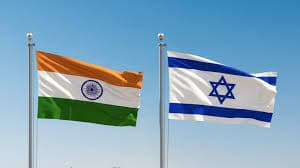
Israel Elections Impact on India-Israel Ties
International Relations27-Oct-2026

Israel Elections Impact on India-Israel Ties

Israel Elections 2026 Overview and Implications for India-Israel Relations

Key Facts and Figures

  • Date of Election: October 27, 2026.
  • Parliament Structure: The Knesset consists of 120 members.
  • Prime Minister Candidates:
  • Benjamin Netanyahu (Likud)
  • Gadi Eisenkot (Yashar, former army chief)
  • Naftali Bennett (former prime minister)

Domestic Political Landscape

  • Predictions: Pre-election surveys indicate a potential hung parliament, with no party likely to secure a majority.
  • Major Issues: Candidates focus on security, particularly concerning Iran, Hamas, and the Palestinian Authority.
    • Netanyahu emphasizes a hard stance against Hamas and opposition to Palestinian statehood.
    • Eisenkot proposes more moderate rebuilding efforts and limited engagement with the Palestinian Authority.

Implications for India

  • Core Interests:
    • Defence Cooperation: India and Israel signed a memorandum of understanding on defense cooperation in November 2025 and elevated their relationship to a “Special Strategic Partnership for Peace, Innovation, and Prosperity” during Modi's February 2026 visit.
    • Technological Collaboration: Areas of focus include artificial intelligence, cybersecurity, water management, agriculture, and space.
    • Bilateral Trade: Ongoing negotiations for a free trade agreement with regional forums like I2U2 (India, Israel, US, UAE) and the India-Middle East-Europe Economic Corridor (IMEC).

Stability of Relations

  • Continuity Assured: Regardless of the election outcome, officials suggest India-Israel relations will remain strong.
    • Mishelle Sirota (Israeli Embassy Spokesperson): Stated that diplomatic ties will not change regardless of the election results.
  • Potential Changes:
    • A new Israeli prime minister could alter the dynamics of personal rapport with Indian Prime Minister Narendra Modi but key strategic interests are expected to persist.

Other Considerations

  • Strategic Balance: India will need to navigate its defense partnership with Israel while considering broader interests in the Gulf and West Asia, particularly concerning energy supplies and regional trade.
  • Regional Context: The outcome of the elections could affect India's diplomatic priorities and responses to rising tensions in West Asia, particularly in relation to conflicts involving Iran and its allies.

Summary

The elections in Israel are pivotal for shaping the future of India-Israel relations, with anticipation of continuity in defense and technological cooperation regardless of the outcome. While Netanyahu's potential victory would likely preserve existing channels of communication between him and Modi, any change in leadership could introduce new dynamics. Ongoing bilateral trade discussions and regional initiatives further underline the strategic importance of the relationship.

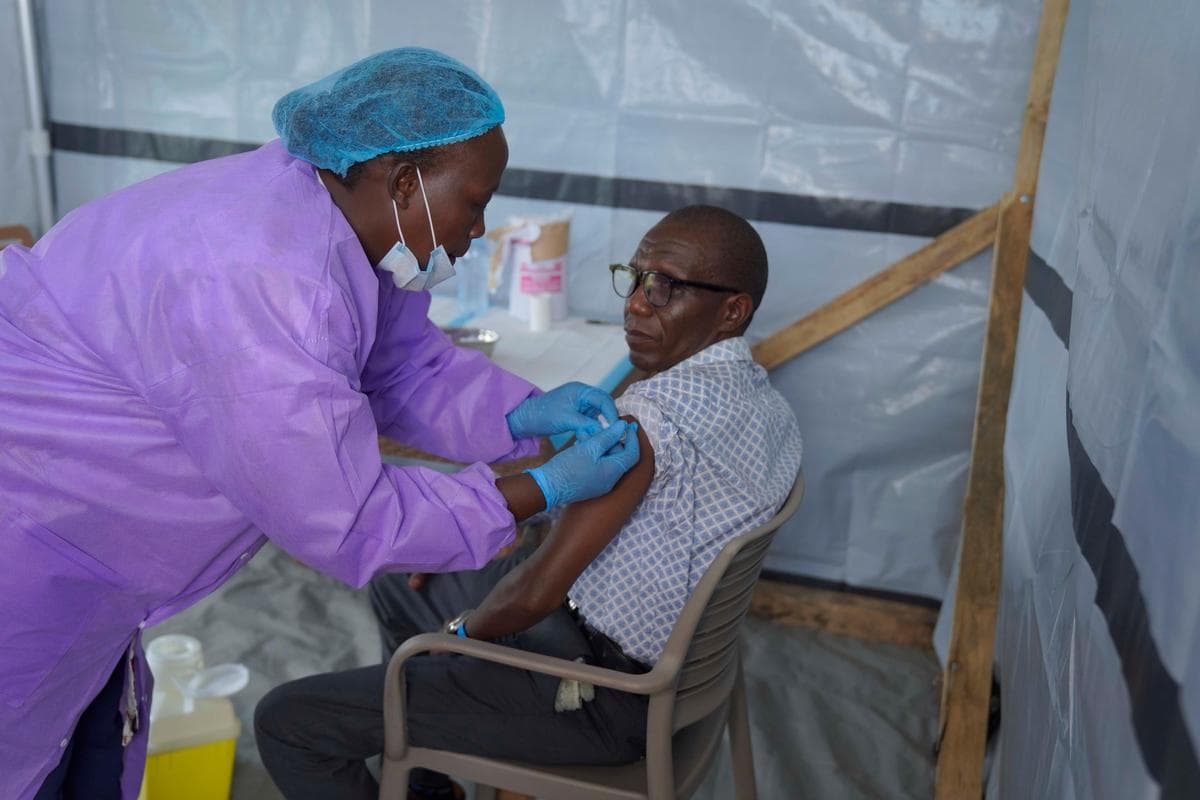
Ebola Vaccine Trials Begin in Congo
Science and Technology24-Oct-2026

Ebola Vaccine Trials Begin in Congo

Ebola Vaccine Clinical Trial in the Democratic Republic of Congo (DRC)

  1. Ebola Outbreak Status:

    • The DRC is experiencing its worst Ebola outbreak, surpassing 9,700 confirmed cases and resulting in over 4,600 fatalities.
    • This outbreak has primarily been attributed to the Bundibugyo species of Ebola, which lacks an approved vaccine or treatment.
  2. Vaccine Trial Initiation:

    • The World Health Organisation (WHO) announced the commencement of the first clinical trial for an Ebola vaccine targeting Bundibugyo on October 23, 2026.
    • The trial is named Tumaini, meaning "hope" in Swahili, and commenced with its first vaccination in Bunia, Ituri province, the outbreak's epicenter.
  3. Vaccine Candidates and Approach:

    • The trial will evaluate Ervebo, a vaccine approved for the Zaire strain of Ebola, to assess its cross-protection potential against Bundibugyo.
    • It employs a ring vaccination approach, immunizing individuals at high risk, including pregnant women and children aged 12 years and older.
    • The trial aims to include two Bundibugyo-specific vaccines currently in earlier-stage trials:
      • ChAdOx1 adenoviral vector jab (developed by the University of Oxford).
      • mRNA-based vaccine (developed by Moderna).
    • Funding for these efforts has been provided by the Coalition for Epidemic Preparedness Innovations (CEPI).
  4. Objectives and Outcomes:

    • The Tumaini trial will rigorously assess the safety, efficacy, and immunogenicity of the candidates.
    • If successful, it may provide critical evidence for vaccine efficacy against Bundibugyo, representing a significant advancement in outbreak response.
    • WHO and CEPI emphasize the importance of robust evidence to support community health responses and enhance preparedness for future outbreaks.
  5. Public Health Response:

    • The DRC declared its 17th outbreak of Ebola on May 15, with WHO designating it as a public health emergency of international concern shortly thereafter, indicating the high alert level for global health.
  6. Historical Context:

    • Ebola has claimed over 15,000 lives across Africa in the last 50 years, illustrating the disease's enduring threat to public health.

Key Takeaways:

  • The Tumaini trial aims to fill a critical void in the Ebola vaccine landscape and potentially transform response strategies for both current and future outbreaks.
  • The involvement of local communities and health authorities is crucial for generating actionable evidence to enhance public health outcomes.
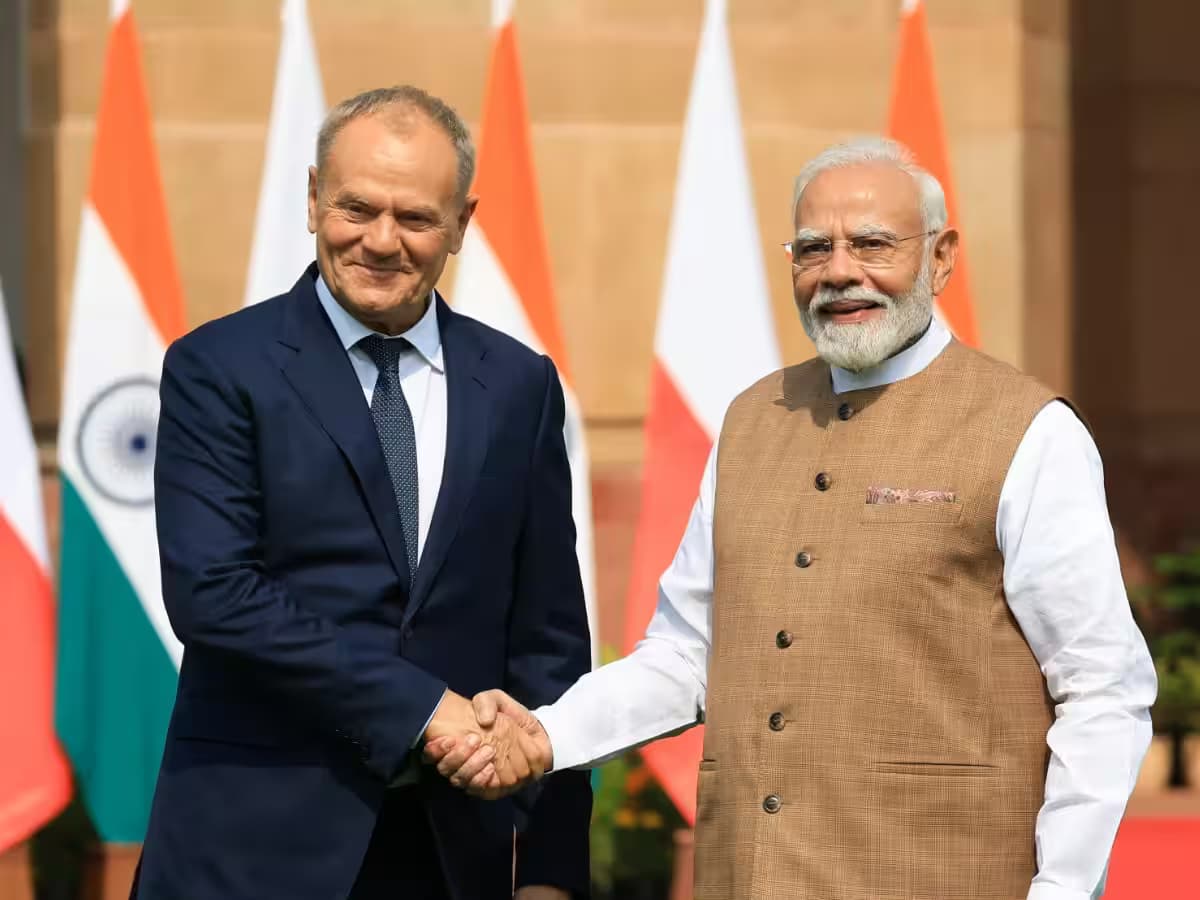
India and Poland Strengthen Strategic Partnership
International Relations23-Oct-2026

India and Poland Strengthen Strategic Partnership

Summary of India-Poland Strategic Partnership Meeting

Bilateral Relations

  • Meeting: Prime Minister Narendra Modi of India and Polish Prime Minister Donald Tusk discussed the deepening of strategic ties.
  • Key Focus Areas: Defence industry, space technology, digitization, nuclear energy, and counter-terrorism cooperation.

Economic Data

  • Bilateral Trade Growth: Increased from $1.95 billion in 2013 to $6.36 billion in 2025 (192% growth).
  • Bilateral Trade Target: Agreement to double trade by 2030.
  • GDP Figures: Poland's GDP surpassed $1 trillion; India recorded a growth rate of 7.8% in the last quarter.

Strategic Initiatives

  • Defence Agreements: Establishment of a defence industry dialogue aimed at fostering cooperation in drone technology and satellite imagery, critical for both nations amidst geopolitical tensions (notable usage in Ukraine and climate of tensions in South Asia).
  • Cultural Relations: Strengthening cooperation in culture, education, sports, and tourism, including the establishment of the Indian Studies Chair in Krakow.
  • Startup Initiatives: Launch of an India-Poland startup bridge focusing on areas like AI, cyber, fintech, and critical minerals.

International Context

  • Geopolitical Landscape: Acknowledgment of Poland's proximity to the conflict zones (Ukraine-Russia) and India's strategic alignment with Russia.
  • Mutual Support on Global Platforms: Discussions on India's role in proposing peace initiatives (e.g., ceasefire in the Black Sea region).

Science and Technology

  • Collaboration in Space: Shared goals in advancing the space sector referenced during talks, with a particular emphasis on joint missions and technological exchanges.
  • Education and Technology Initiatives: Plans for hackathons to boost collaboration and innovation among the youth from both countries.

Remarks and Significance

  • Mutual Respect and Acknowledgment: Tusk praised Modi's leadership amid global instability and emphasized mutual dependency for economic growth and stability in facing political threats (specifically mentions from China).

Government Schemes:

  • Emphasis on rural entrepreneurship through technology and advancing capabilities in biotechnology and advanced manufacturing via Polish investment.

International Agreements:

  • Highlighted the importance of the India-European Union Free Trade Agreement, further enhancing trade relations and opportunities.

These discussions embody a significant step towards bolstering not just bilateral relations but also shared geostrategic interests amid a changing global landscape. The partnership between India and Poland is set against a backdrop of increasing economic collaboration and technological advancements, further anchored by their geographic positions and strategic objectives.