iAspirants
New Navigation Technology Inaugurated
Published on:
Source: The Hindu
Share this post
Article Summary
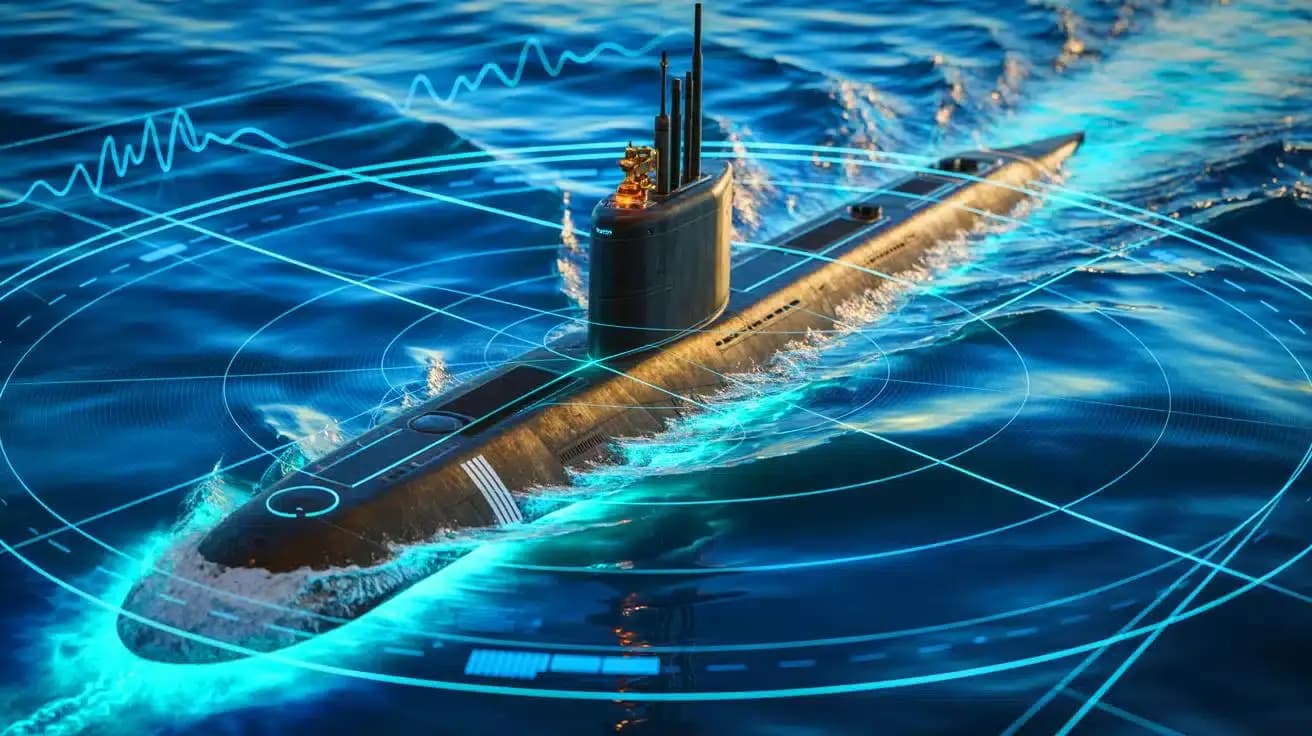
Technological Advancement: The inauguration of a new submarine "soundhouse" in Calais marks a significant advancement in navigation technology. This system utilizes high-frequency sound waves transmitted through water to aid ship navigation, particularly in foggy conditions.
Development Background: The technology is based on the electrical quality of quartz, discovered by Jacques Curie in 1880. Professor Longevin has applied high-frequency alternation of wireless apparatus to enhance this discovery.
Operational Mechanism: The sound-house apparatus amplifies sound signals, which are made audible on the ship's bridge through a telephone system. By correlating sound beams with wireless signals from the pierhead, the ship's captain can accurately determine the vessel's position.
Potential Impact: This innovation could lead to the obsolescence of traditional navigation charts, improving safety and efficiency in maritime operations.
Historical Context: The technology was previously utilized during wartime for submarine detection, showcasing its potential dual-use capabilities in both military and civilian maritime navigation.
This summary encapsulates the key facts and technological advancements related to the soundhouse navigation system without delving into irrelevant details.
Key Terms & Concepts
| Calais | Location of submarine soundhouse |
| Professor Longevin | Developer of sound-wave technology |
| eurions electrical quality of quartz | Key technology used |
| Jacques Curie | Discoverer of quartz quality |
| high-frequency sound-waves | Technology for navigation |
| submarine detection apparatus | Previous application of technology |
| wireless signals | Communication method used |
| ship navigation | Purpose of soundhouse |
| old-fashioned chart | Obsolete navigation method |