iAspirants
ONGC Gas Leak in Assam Continues
Published on:
Share this post

Article Summary
On June 12, a significant gas leak occurred at Oil and Natural Gas Corporation (ONGC) well RDS-147 located in the Rudrasagar Field of Assam's Sivasagar district, displacing over 1,000 residents and leading to ongoing efforts to manage the situation as it extended into its seventh day by Wednesday. The key occurrences and responses surrounding this incident are summarized as follows:
Incident Overview:
- A blowout was reported at the ONGC well during servicing operations, causing gas to gush from the well.
- The well, RDS-147, is part of ONGC’s oldest operational field in North East India and has been under the company's management since the 1960s.
Evacuations and Safety Measures:
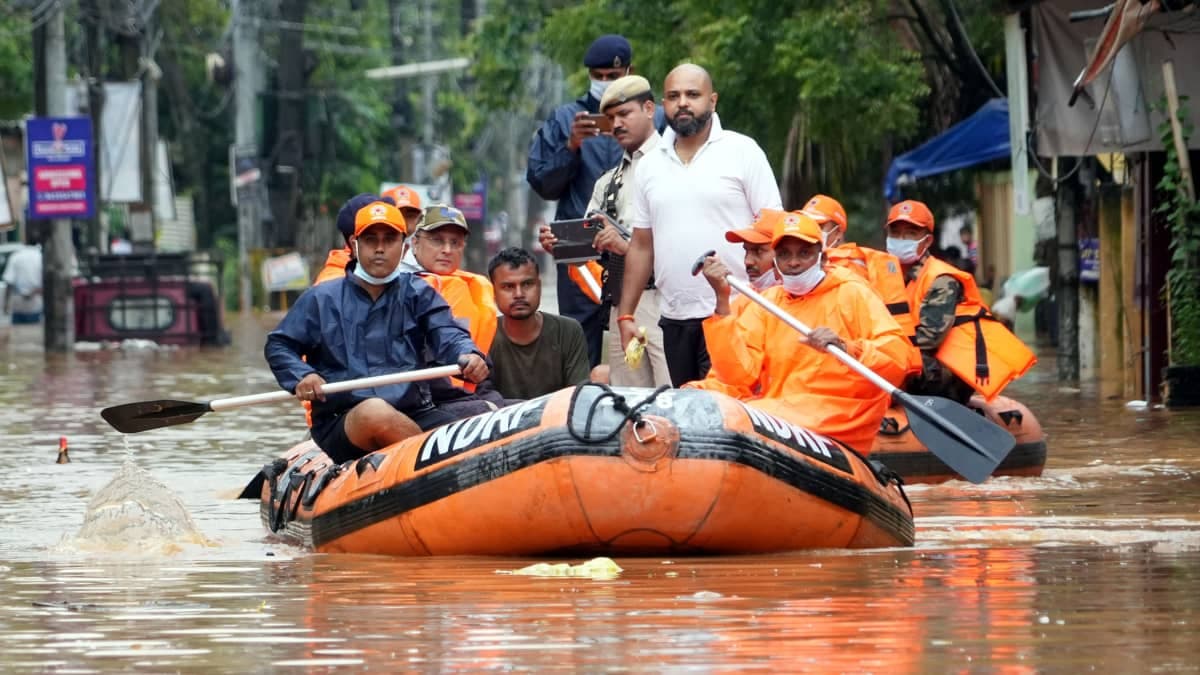
- Approximately 1,500 people from the nearby areas of Bhatiapar have been evacuated to ensure their safety. Seventy families have been relocated to a relief camp in Bangaon.
- The local perception indicates concerns over the adequacy of ONGC’s response to the situation.
Health Concerns:
- A resident from Bhatiapar was hospitalized in Jorhat Medical College and Hospital in an unconscious state, prompting further investigation into potential health impacts associated with the gas leak. However, authorities confirmed that the released gas is non-toxic, primarily composed of 97% methane, which is lighter than air and ascends, minimizing risks to nearby communities.
Government Response:
- Assam Chief Minister Himanta Biswa Sarma has reached out to Union Minister for Petroleum and Natural Gas Hardeep Singh Puri, urging a more urgent and mission-mode approach from ONGC.
- The state is providing immediate relief of ₹25,000 per affected family, sourced from the Chief Minister’s Relief Fund, alongside safety measures to support evacuating families.
Technical Management of the Leak:
- ONGC has initiated a “water blanketing” strategy, using water to cool down the well and prevent ignitions that could lead to fire incidents, as seen previously in a similar incident at Oil India Limited’s Baghjan Oilfield in 2020.
- ONGC officials indicated that gas was leaking at approximately 2,500 PSI and have reported progress, managing to connect the well to a nearby production facility to control the gas flow.
Implications and Historical Context:
- The blowout at the ONGC well raises crucial concerns over safety and emergency response mechanisms in managing environmental hazards stemming from petroleum operations in sensitive areas like Assam.
- Precedents, such as the five-month-long fire at the Baghjan Oilfield, highlight the criticality of operational safety in oil and gas extraction endeavors.
In conclusion, while the immediate danger of fire has been mitigated through ongoing water application efforts and strategic management of gas release, the situation calls for comprehensive reassessment of operational protocols, community safety measures, and preparedness in handling such incidents effectively.
Important Points:
- Gas leak at ONGC well RDS-147 in Sivasagar began on June 12.
- Over 1,500 evacuees; 70 families in relief camp.
- Patient health concerns reported; gas deemed non-toxic (97% methane).
- Assam CM urged central government for faster ONGC response.
- ₹25,000 per family relief announced from Chief Minister’s Relief Fund.
- ONGC employing water blanketing to prevent ignition risks.
- Historical context of previous oil field fire incidents underscores need for robust safety measures.
Key Terms & Concepts
| ONGC | Gas well operator |
| Assam | Affected region |
| Sivasagar | District of concern |
| Bhatiapar | Evacuation area |
| Bangaon | Relief camp location |
| Jorhat Medical College and Hospital | Treatment facility |
| Methane | Gas composition |
| Rs. 25,000 | Relief amount |
| Chief Minister’s Relief Fund | Relief funding source |
| Water Blanketing | Fire prevention method |