iAspirants
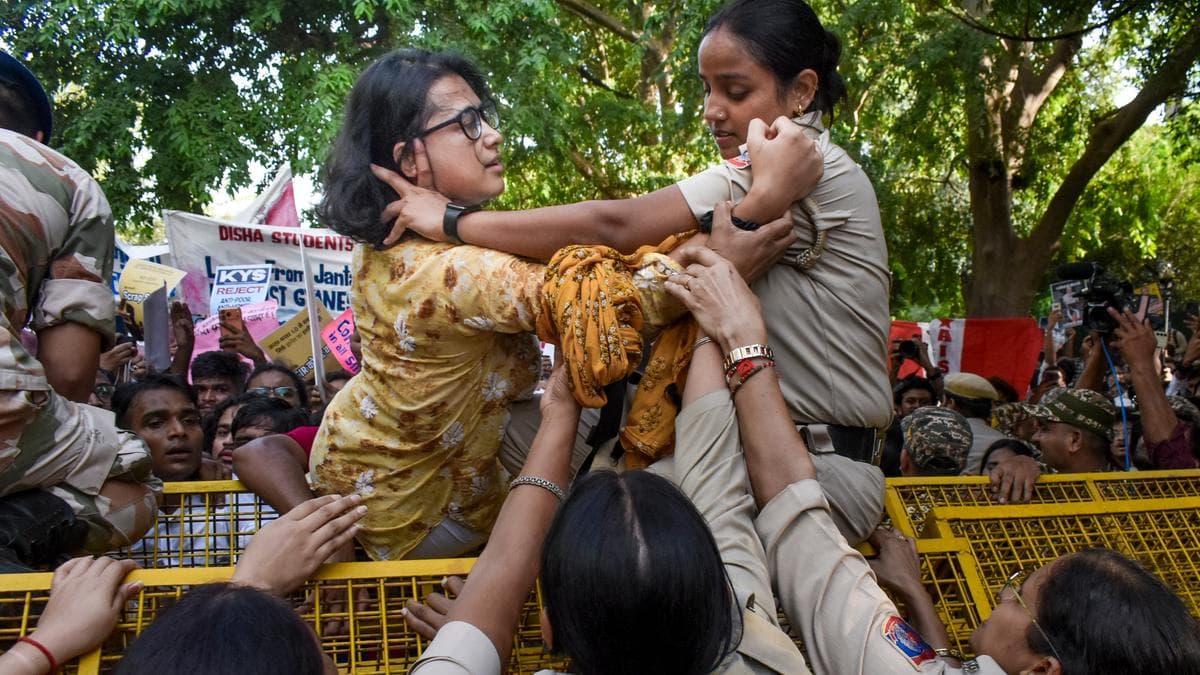
Protests and Police Brutality in Delhi
Published on:
Source: Indian Express
Share this post
Article Summary
Key Notes on Recent Protests and Supreme Court Involvement
Constitutional Framework
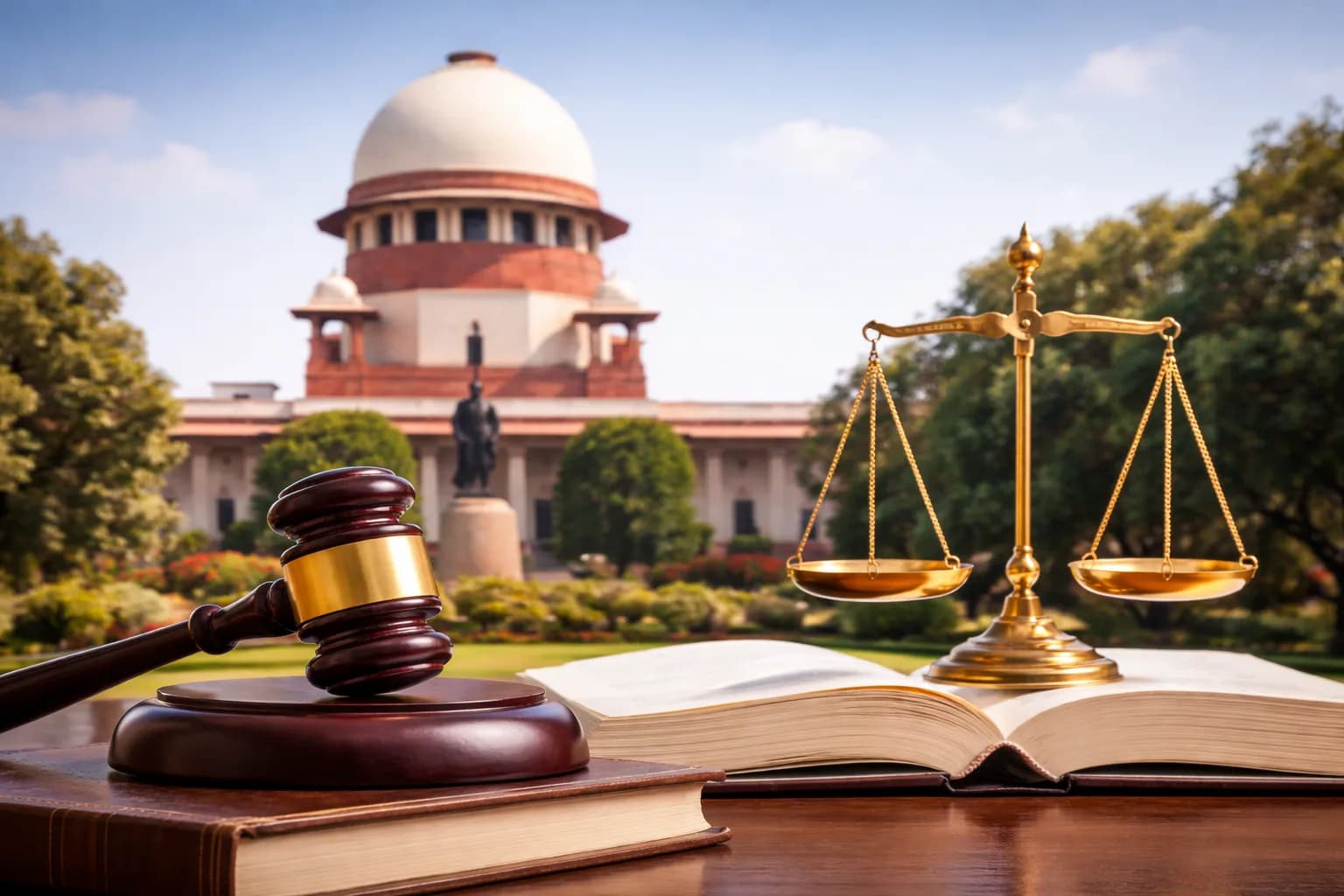
- Supreme Court Jurisdiction: The Supreme Court issued contempt notices to the Union Home Secretary and Delhi Police Commissioner for failing to comply with its directives regarding the handling of protests and related civil rights violations.
Judicial Response
- Contempt Case: The Supreme Court noted serious allegations involving police misconduct during protests, including sexual harassment of female journalists, and ordered accountability measures.
- Failure to Register FIRs: Despite reports from female journalists of harassment, no First Information Report (FIR) was filed against officers, raising concerns about adherence to legal protocols for such grave allegations.
Police and Protestor Dynamics
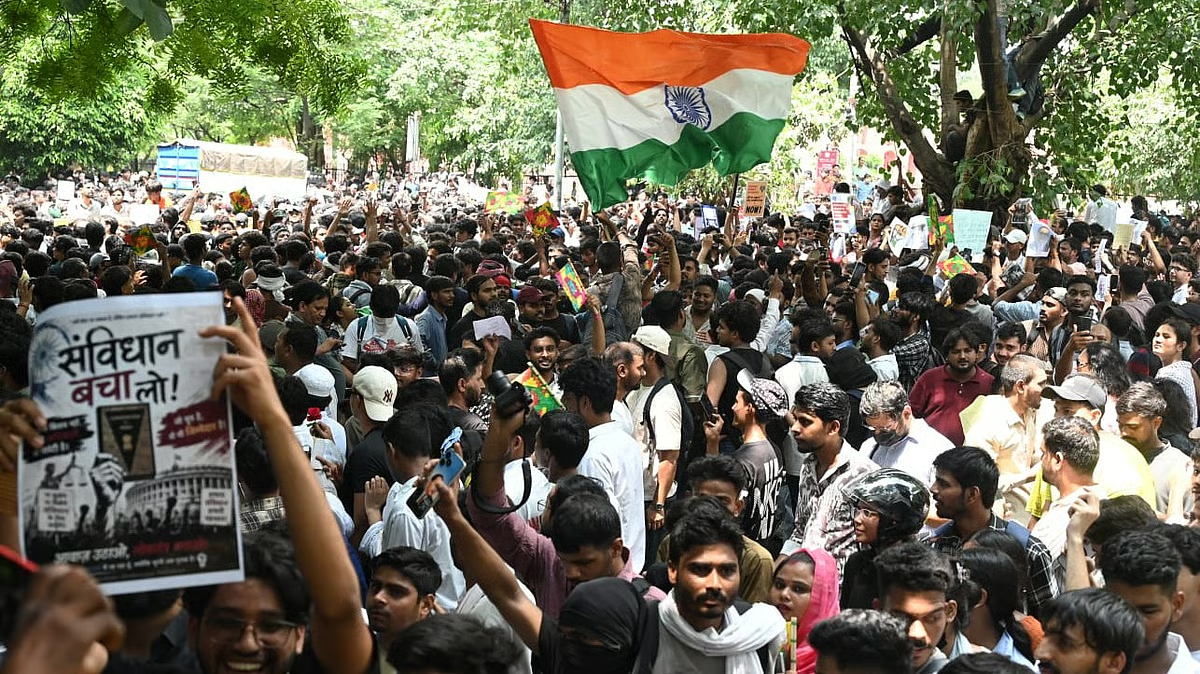
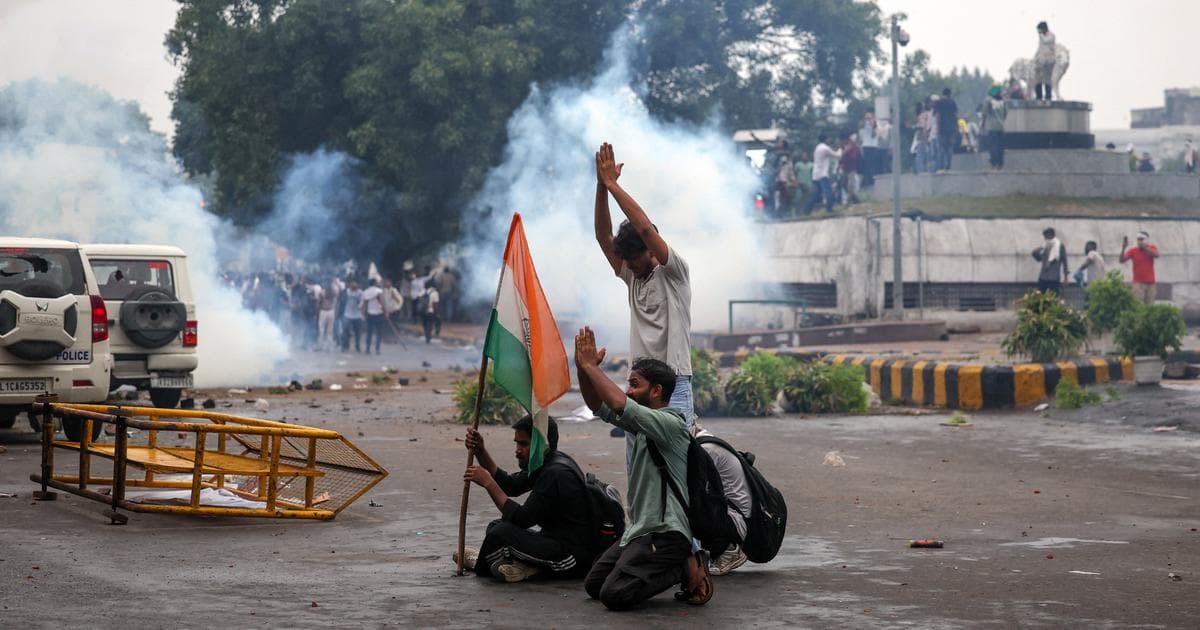
- Police Misconduct: The police were criticized for their harsh tactics against protesters and journalists, leading to calls for accountability and registration of the complaints made by the victims of harassment.
- Vigilante Activity: Reports indicate that right-wing groups operated as parallel enforcers, collaborating with the police, which raises constitutional concerns regarding state monopoly on legitimate use of force.
Government Response
- Apology from Police Commissioner: An apology was issued by the Delhi Police Commissioner; however, it was argued that this did not amount to an admission of wrongdoing, thus failing to address the root issues raised.
Societal Impact
- Public Outcry and Vigilantism: Videos showed vigilante groups threatening journalists while police observed without intervening. The societal implications include deterioration of citizen safety and trust in law enforcement.
Expectations of Accountability
- Citizens expect the government and police to:
- Register complaints of harassment as FIRs and investigate properly.
- Address the presence of vigilante groups interfering with lawful protests.
- Uphold the constitutional right to peaceful assembly and protect journalists.
Importance of Supreme Court Oversight
- Continuous public trust in the Supreme Court is highlighted, with citizens relying on the judiciary to uphold constitutional rights amidst alleged police transgressions.
Conclusion
The ongoing protests and the involvement of the Supreme Court underscore critical concerns about police accountability, citizens' rights to protest, and the rule of law in the context of rising vigilantism. The judicial system plays a crucial role in ensuring adherence to constitutional protections and accountability mechanisms.
Key Terms & Concepts
| Supreme Court | Issued contempt notices |
| Delhi Police | Involved in violence allegations |
| October 3 protest | Reported sexual harassment incidents |
| SC/ST Act | Legal framework for protections |
| Hindu Raksha Dal | Identified as vigilante group |
| October 9 directions | Supreme Court's directives |
| FIR | Legal requirement for complaints |
| Metro and internet restrictions | Implemented during protests |