iAspirants
Punjab Faces Severe Flooding Disaster
Published on:
Share this post
Article Summary
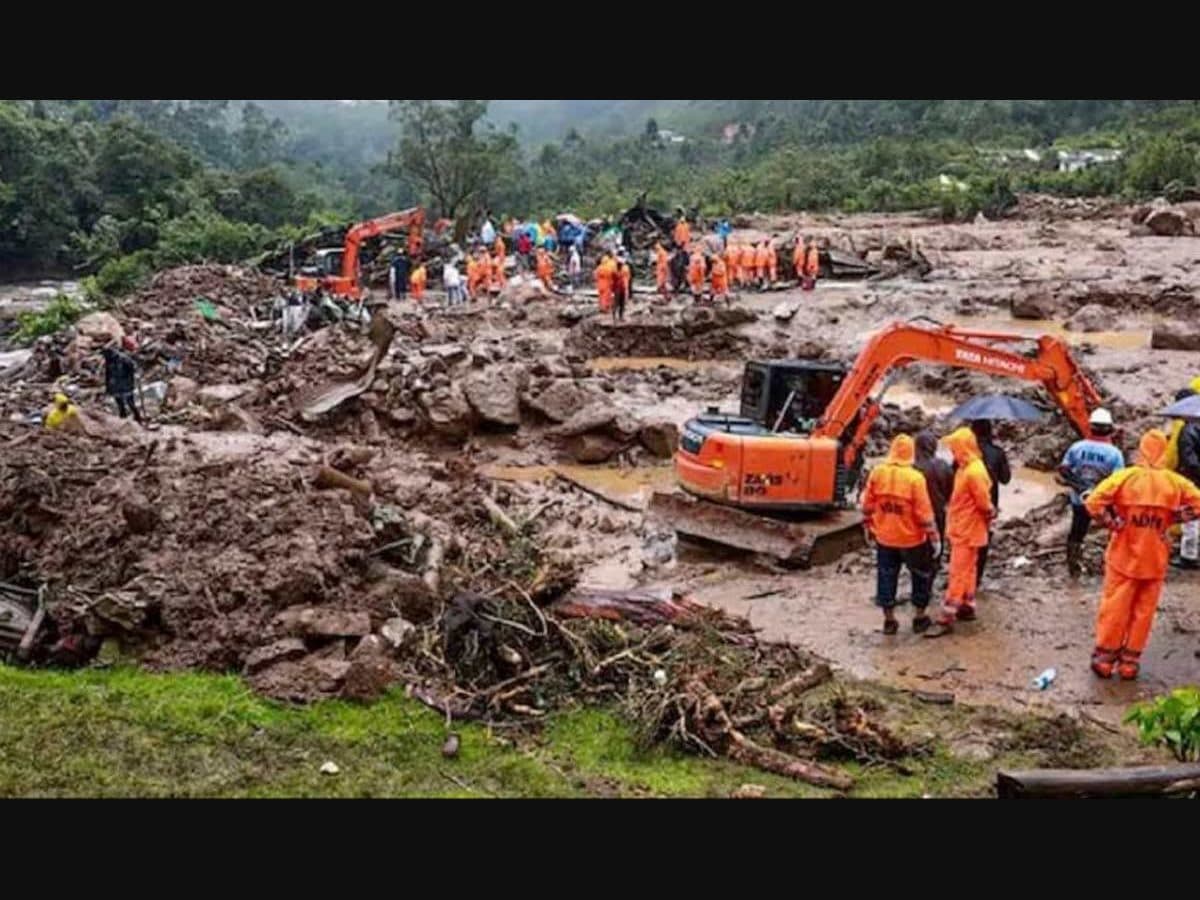
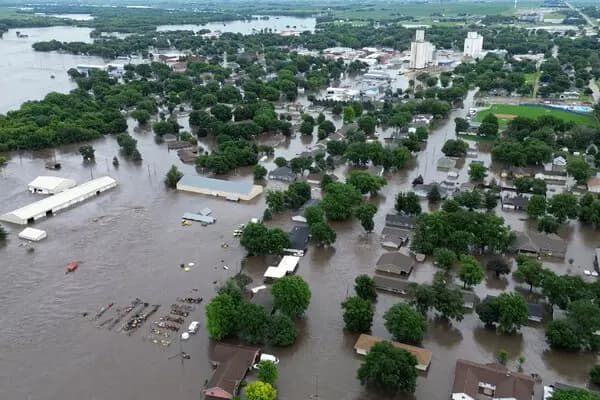
In August 2023, Punjab experienced severe flooding, marking its worst flood situation since 1988, driven by overflow from the Sutlej, Beas, and Ravi rivers. Concurrently, intense rainfall led to the deaths of at least 34 individuals in India-controlled Kashmir and parts of Pakistan. The Indian Himalayan region, historically prone to disasters, also witnessed the complete disappearance of the village Dharali in Uttarkashi district, Uttarakhand due to landslides triggered by deluges. These recent catastrophes echo past incidents such as the 2013 Kedarnath floods and the 2021 disaster in Chamoli, often considered unprecedented acts of nature.
Key Highlights:
- Flood Severity: Punjab suffered its worst floods in 35 years (since 1988); hundreds of villages affected.
- Casualties: At least 34 reported deaths in Kashmir and Pakistan due to monsoon rains.
- Recent Disasters: The Himalayan region previously faced significant flooding in 2013 and 2021.
- Nature of Disasters: Experts argue these disasters are not entirely natural but result from a blend of climate change and unsustainable development practices.
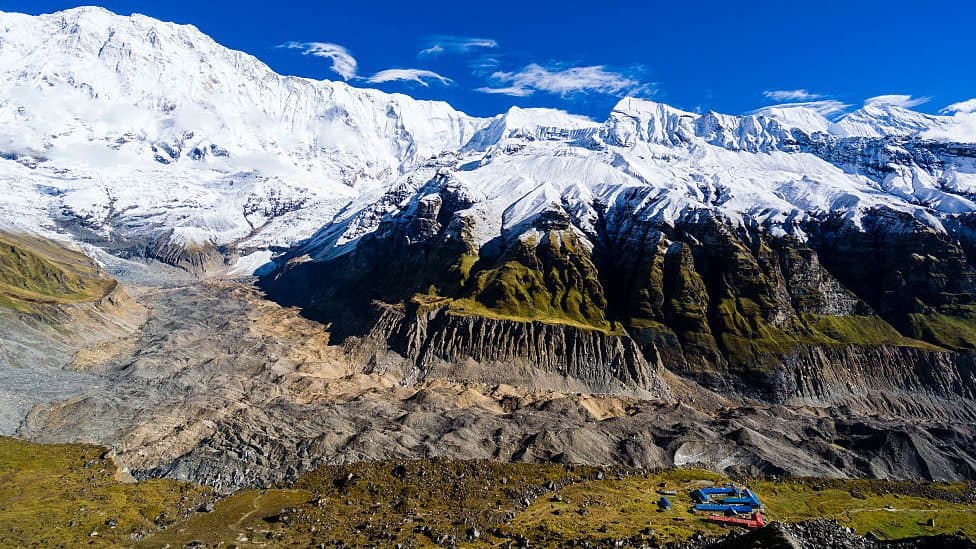
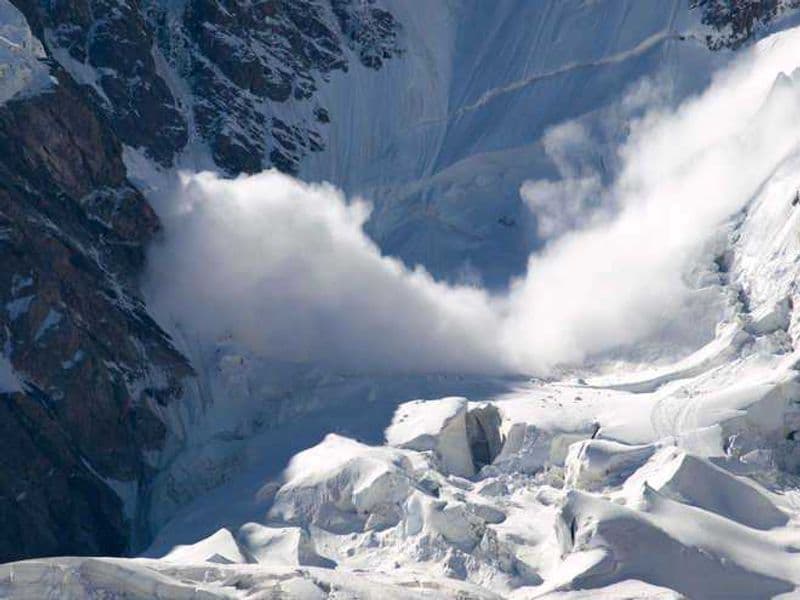
Arun B. Shreshta from the International Centre for Integrated Mountain Development (ICIMOD) emphasized that most natural disasters can be attributed to human activity compounded by climate change. He noted the Himalayas' instability makes them particularly vulnerable to floods, landslides, and glacial lake eruptions.
The Supreme Court of India has intervened, expressing deep concerns over environmental degradation. Chief Justice B.R. Gavai highlighted the alarming sight of logs floating in floodwaters and emphasized the need for environmental conservation alongside development. On July 18, a Supreme Court bench underscored the potential disappearance of Himachal Pradesh due to unchecked development and urged that ecologically sustainable practices be prioritized.
Key Legal Observations:
- Supreme Court Warnings: On July 18, the court voiced concerns about the ecological impacts of development in Himachal Pradesh.
- Environmental Concern: Chief Justice Gavai highlighted the seriousness of deforestation and flooding, warning that extensive development could obliterate entire regions.
Experts stress that development plans in hilly areas must weigh local conditions instead of mimicking urban plans from places like Delhi or Mumbai. There is a call for lifecycle analyses and comprehensive impact assessments before embarking on major interventions in these vulnerable zones.
Furthermore, Himachal Pradesh hosts 1,144 hydropower plants, with several more in development. In Uttarakhand, there are 40 operational hydroelectric projects, which significantly alter the landscape and could exacerbate disaster risks. Heavy machinery used for infrastructure development increases the potential for landslides and flooding.
Key Economic and Environmental Data:
- Hydropower Plants: Himachal Pradesh has 1,144 plants; Uttarakhand has 40 operational and 87 in planning stages.
- Temperature Trends: The average temperature in the Indian Himalayas is rising faster than the global average, leading to more rapid snowmelt and increasing disaster risks.
Experts call for urgent measures to balance economic growth with environmental sustainability. There is a pressing need for disaster preparedness, climate literacy, and community involvement in governance to ensure that infrastructure projects consider the ecological repercussions. The rise in tourism further complicates this issue, as it drives demand for land development, leading to increased deforestation, particularly of the native deodar trees which play a crucial role in soil stability.
Crucial Recommendations:
- Comprehensive Assessments: Importance of social and disaster impact assessments for all major projects.
- Community Involvement: Local populations should be engaged in decision-making processes for development projects.
These disasters underscore the critical intersection of ecological sustainability and developmental planning in the Indian Himalayan region, highlighting the urgency for a strategic shift to avert future calamities.
Key Terms & Concepts
| Punjab | State facing severe floods |
| Himalayas | Mountain range with instability |
| Sutlej, Beas, Ravi | Rivers causing flooding |
| India-controlled Kashmir | Region affected by rainfall |
| Uttarkashi | District affected by landslide |
| ICIMOD | Research centre on climate impacts |
| Hindu Kush mountains | Montane region facing development |
| Supreme Court | Judicial body highlighting issues |
| hydropower plants | Infrastructure affecting ecology |
| GLOFs | Floods caused by glacier melting |
| deodar trees | Native trees affecting soil |