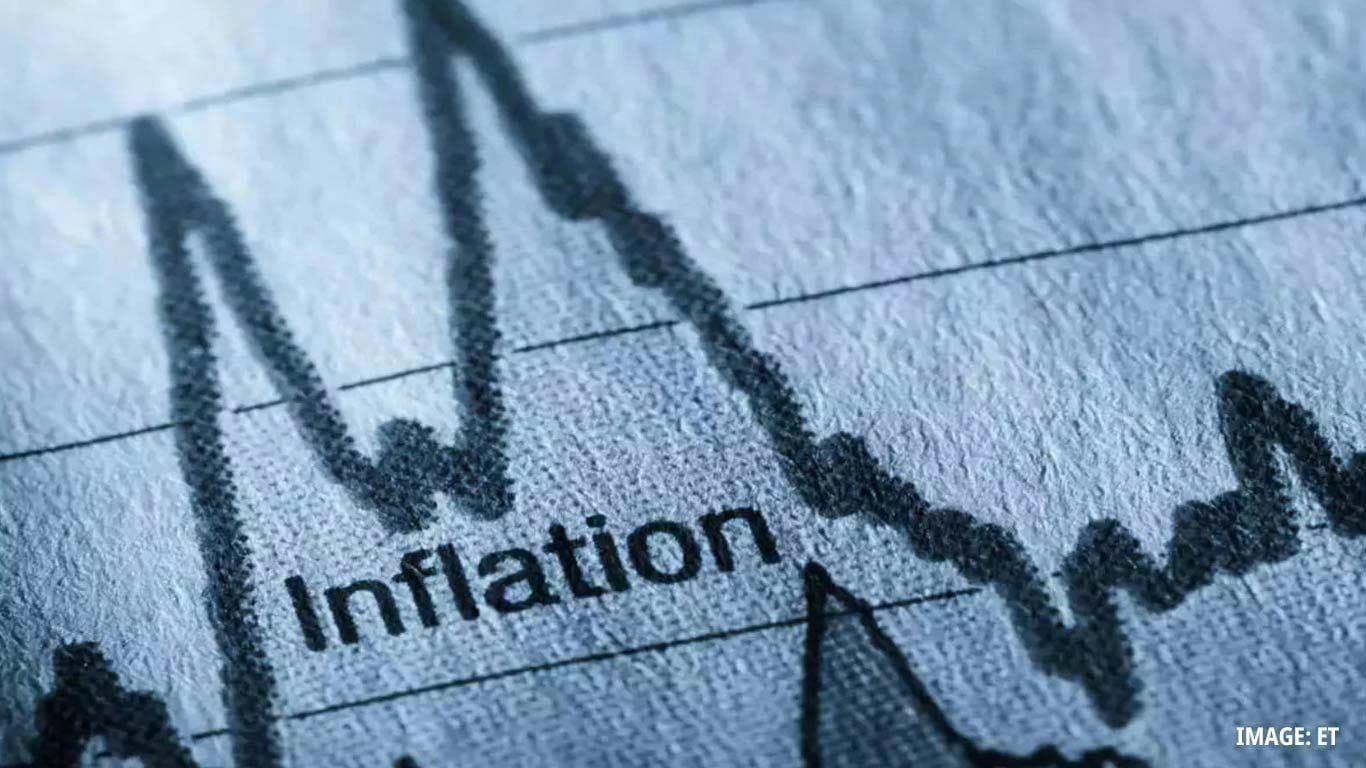
Retail inflation (CPI) increased to 4.8% in August from 4.45% in July (National Statistics Office).
Food inflation rose to 5.95% driven by rising prices of onions, ginger, and garlic.
Core inflation (excluding food and fuel) has also elevated, particularly in personal care and miscellaneous services.
Wholesale inflation rose to 9.92% in August, up from 9.78% in July.
Inflation Trends:
Economists at SBI noted signs of generalization in inflation patterns.
There are concerns over food prices, as the Crisil’s Deficient Rainfall Impact Parameter (DRIP) indicates high vulnerability in crops such as cotton, bajra, maize, tur, groundnut, and soybean.
Projected inflation rates:
RBI forecasts CPI at 5.9% for Q3 of the fiscal year.
ICRA anticipates it to harden to approximately 6% during October-November.
Brent crude oil price rising to around $106 per barrel.
The Indian crude oil basket surged to $128.7 per barrel as of September 14, up from $90.2 in August.
Increasing fuel prices likely to affect broader economic conditions.
Monetary Policy Insights
Monetary Policy Committee:
In August, the Committee maintained the repo rate at 5.25% with a neutral stance.
The expectation of inflation (5.7% in H2 of FY and 5.3% in Q1 of the next FY) suggests real interest rates may become mildly negative.
Rate Hikes and Monetary Measures:
The persistence of broad-based price pressures strengthens the rationale for potential interest rate hikes by the RBI, amidst efforts to withdraw excess liquidity from the market.
Key Government and Economic Frameworks
Economic Framework:
These inflation trends will impact fiscal policies and may necessitate adjustments in government schemes tied to economic performance and public welfare.
The situation underlines the importance of monitoring inflation as the government aims for stable economic growth while addressing rising costs.
Constitutional and Legal Context:
While no specific constitutional articles or acts were referenced, the economic policies related to inflation are framed within broader economic legislation and mandates set by the RBI to ensure price stability as outlined in the Monetary Policy Framework.
Summary
The latest inflation data signals an upward trend, influenced by food and energy prices. With projections indicating sustained inflationary pressures, the RBI's next steps in monetary policy, including the potential for interest rate hikes, will be crucial for economic stability. Monitoring of agricultural vulnerabilities and fuel price surges will play a significant role in shaping government responses and fiscal strategies moving forward.
Key Terms & Concepts
Consumer Price Index (CPI)
Measures retail inflation
4.8 percent
CPI in August
4.45 percent
CPI in July
5.95 percent
Food segment inflation
SBI study
Indicates inflation generalization
Crisil’s DRIP
Suggests crop vulnerability
Brent crude oil
Current price
$106 per barrel
Brent crude oil price
$128.7 per barrel
Indian crude oil basket price
$90.2 per barrel
Indian crude oil price in August
5.9 percent
RBI projected CPI
6.5 percent
Potential inflation breach
5.25 percent
Current repo rate
Mind Map for UPSC Civil Services Revision
Related UPSC Civil Services Current Affairs Articles
Emphasis on preventive health with the endorsement of a roadmap for promoting healthy lifestyles from 2026-2029.
Introduction of a Compendium of Replicable Best Practices on Healthy Lifestyle, aiming to share successful health strategies among member nations.
Focus Areas
Shift towards a comprehensive understanding of nutrition that extends beyond food availability to include diet quality and lifestyle.
Health Challenges in BRICS Nations
Member countries face diverse health challenges:
Ethiopia: Food insecurity and undernutrition remain critical issues.
India and Indonesia: High levels of maternal and child undernutrition alongside increasing rates of obesity and non-communicable diseases (NCDs).
China and Brazil: Progress in reducing undernutrition but rising diet-related diseases such as diabetes and hypertension.
Gulf Countries: Major public health concerns centered around obesity and diabetes prevalence.
Socioeconomic Factors
Economic growth and urbanization leading to shifts in dietary habits:
Traditional diets are increasingly replaced by processed and convenience foods.
Increased dining out and online food orders with decreasing physical activity among children.
Policy Response
Current nutrition policies focus on:
Hunger alleviation.
Nutritional support during the critical 1,000 days from conception to two years.
Highlighted need for integrated approaches linking agriculture, food production, nutrition, and health systems.
Future Directions
Poshan Maah: India's initiative emphasizing nutritional health while extending focus to adolescents and lifelong healthy habits.
Schools identified as vital institutions in promoting preventive health, requiring:
Integration of nutrition education, healthy meal regulations, and physical activity into daily curriculum.
Action Points
Member countries encouraged to leverage the BRICS framework for actionable health policies.
Urgent need to transition alongside existing challenges like hunger, towards enabling better food and lifestyle choices for sustainable health.
Conclusion
The BRICS Summit has opened avenues for a unified approach to tackle both hunger and the dual burden of undernutrition and lifestyle-related diseases, emphasizing the need for cohesive actions in public health strategy.
Mobile Phone Exports: Increased from ₹1,500 crore to ₹2.59 lakh crore (approx. 165x growth).
Employment: 25 lakh jobs created in the electronics manufacturing sector.
Government Policies and Schemes
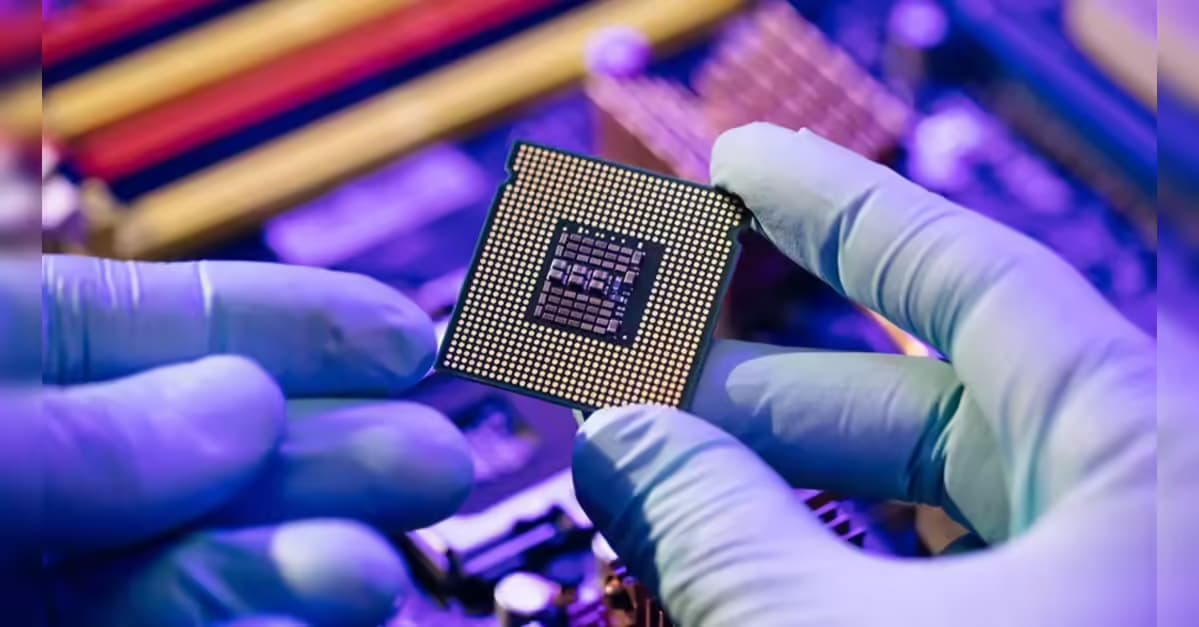
SEMICON India Program: Launched to establish a comprehensive semiconductor ecosystem.
SEMICON 1.0: ₹76,000 crore budget for chip design, manufacturing, packaging, and skilled workforce.
SEMICON 2.0: Approved in July 2026 with a budget of ₹1.27 lakh crore focusing on R&D, talent development, and production facilities.
'Chips to Startup' Program: Aims to develop 85,000 skilled semiconductor engineers by providing EDA tools in 320 academic institutions.
DLI Scheme: Financial assistance to 105 startups for EDA tools.
International Collaborations
Pax Silica Alliance: Joined by India in 2026, focusing on securing the global semiconductor supply chain.
Objective: Prevent monopolization of technology supply chains and ensure control remains with democratic nations.
Technological Advancements
Chip Design Capabilities: Over 211 chip designs completed, including advanced 12-nanometer technology.
ChipIN Centre: A national facility for chip design tools, supporting over 1 lakh engineers and 500 institutions.
Future Directions
Ongoing Projects: 12 semiconductor projects approved across six states, with over ₹1.64 lakh crore investment commitments.
Industry Growth: Transition from being a net importer of mobile phones to a net exporter, with 99.2% of mobile phones manufactured domestically.
Event Significance
Exhibitors: Over 600 exhibitors, including 300 international companies.
Pavilions: Six-country and twelve-state pavilions, showcasing the semiconductor ecosystem development.
Educational Initiatives: Hackathons for students and forums for skill development in technology.
Conclusion
Strategic Importance: SEMICON India 2026 marks India's ambition to become a global semiconductor powerhouse, showcasing its technological advancements and industrial capabilities. This event is pivotal for future developments in the semiconductor sector, impacting various industries and contributing to economic growth.
3.5 years
Repo Rate: The RBI's last hike was in February 2023, maintaining it at 5.25%.
The RBI's target is to maintain CPI inflation at 4% within a 2-6% band.
Inflation has been above 4% for three consecutive months.
GDP Growth
India’s GDP growth for the first quarter of 2026-27 was 7.8%, leading economists to advocate for a potential interest rate increase.
Price Pressure Broadening
314 out of 358 items in the CPI recorded price increases in August (up from 310 in July).
WPI inflation rose to 9.92% in August, up from 9.78% in July, driven by increases in food and fuel prices.
Wholesale food inflation hit a 20-month high of 7.05%.
Producer Price Index (PPI) (output measure) rose to 9.81% in August.
Transition in Inflation Measures
The WPI is expected to be phased out by 2031; the output PPI will become the primary measure for inflation at the producer level.
Input PPI saw a month-on-month decline of 1.6% in August.
International Financial Context
The U.S. Federal Reserve expected to announce a 25 bps hike in federal funds rate target range to 3.75-4% amidst rising inflation pressures.
Conclusion
The rise in inflation metrics and economic growth figures calls for increased scrutiny of the RBI’s upcoming monetary policy decisions. The interplay between supply chain disruptions, festivity demand for specific commodities (like sugar), and broad-based price increases heightens the urgency for potential rate adjustments.
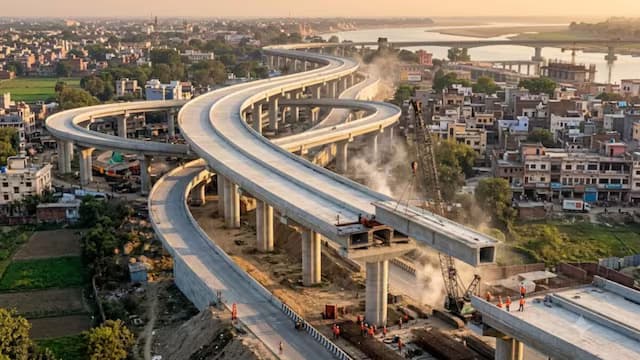
Impact on Traffic Flow: Expected to enhance vehicle movement efficiency and reduce operational costs.
Connectivity Enhancements
Key Transport Hubs: Improved access to Varanasi Airport, Varanasi Cantonment, and major railway stations.
Cultural and Religious Sites: Facilitates easier access to prominent sites such as Kashi Vishwanath Temple and the ghats.
Economic and Regional Development
Regional Role: Strengthens Varanasi's position as a logistics and economic center in Eastern Uttar Pradesh.
Prime Minister Gati Shakti National Master Plan: Aligns with this plan to enhance socio-economic connectivity in the Chandauli region and logistics centers.
Agricultural and Industrial Benefits
Facilitates Movement: Improved transportation of agricultural products, industrial goods, construction materials, and minerals.
Economic Growth: Expected to boost economic activities and regional competitiveness.
Urban Development Aspects
Traffic Management: Aims to alleviate congestion in crowded areas like Varanasi Junction and Lal Bahadur Shastri International Airport.
Estimated Travel Time Reduction: From one hour to approximately 20 minutes between Varanasi Junction and the airport.
Investment Breakdown
Civil Construction: ₹4,565.33 crores allocated.
Land Acquisition: ₹934.91 crores allocated.
Strategic Importance
Urban Challenges Addressed: Provides a dedicated corridor for local and regional traffic, minimizing the need for extensive road widening in densely populated areas.
Cultural Significance: As a major cultural, educational, and tourism hub, the corridor supports Varanasi's growth while maintaining its historical essence.
Conclusion
The Varuna Elevated Corridor represents a significant infrastructural development aimed at modernizing Varanasi's transport network, enhancing economic opportunities, and improving the quality of life for residents and visitors alike.
Personal Stories
Students like Anshita Rani and Vedant Ravindra Deshmukh have shared their experiences of overcoming economic hardships and societal challenges through NLSP.
Anshita's journey reflects a marked shift from her beginnings in a crowded, impoverished household to studying law.
Vedant's entry into the program came serendipitously, which led him to excel and pursue further legal education.
Educational Challenges
Entry Exam Critique: Anoop Maurya describes the CLAT (Common Law Admission Test) as being "anti-poor," particularly difficult due to the extensive focus on complex English language passages.
Program Benefits
Skill Development: Students engage in various activities to enhance their public speaking, debate skills, and leadership through mentorship and workshops integrated with regular schooling.
Community Integration: The program aims to break societal norms, as witnessed by students such as Vaishnavi, who faced familial and societal resistance.
Future Aspirations
Students express a desire to navigate internships and job placements. Anshita and Vedant illustrate the transition challenges faced after completing the program.
Current Trends in Educational Accessibility
Rural Student Empowerment: NLSP represents a critical movement to enhance legal education access for underprivileged backgrounds, fostering future leaders and advocates from diverse socioeconomic contexts.
Conclusion
The National Law Scholars Programme serves as a transformative initiative, not only nurturing legal talent from rural and underprivileged backgrounds but also addressing systemic barriers that hinder access to higher education, particularly in law. The stories of its scholars underscore both the program's successes and the ongoing challenges in their pursuit of legal careers.
Articles and Provisions: The schemes align with the principles of social justice and equality as envisioned in the Indian Constitution, specifically Articles related to the Right to Equality (Article 14) and provisions for affirmative action for SC/ST communities.
Digital Reforms and Transparency
Implementation of Direct Benefit Transfer (DBT) to enhance transparency in scholarship distribution.
Utilization of Aadhaar-based authentication to facilitate beneficiary verification.
Introduction of systems to eliminate duplicate beneficiaries and ensure biometric verification.
Integration with DigiLocker and API bridge for digital verification of certificates and documents.
Enhanced accountability with streamlined processing of scholarship funds through partnerships with UIDAI, NPCI, and PFMS.
Educational Infrastructure and Support
The Ministry is enhancing access to quality education for SC, OBC, EBC, and DNT communities through:
Scholarships.
Residential infrastructure.
Overseas education assistance.
Coaching initiatives.
Objectives and Future Directions
The overarching goal is to improve educational continuity and reduce financial constraints for socially and educationally disadvantaged communities.
Continuous financial support and technology-based reforms aim to strengthen educational opportunities for underprivileged groups.
Summary of Achievements (2014-2026)
Total Financial Assistance (Pre-Matric + Post-Matric): ₹51,474.57 crores.
Total Beneficiaries: Approximately 91.264 million students across both schemes.
Emphasis on improving access to high-quality educational institutions and enhancing enrollment ratios for SC students.
Conclusion
The Ministry of Social Justice and Empowerment is committed to educational equity through targeted financial assistance and digital reforms, ensuring that disadvantaged communities have the necessary support to pursue their educational aspirations.
Overall Production: Total production from captive and commercial blocks is expected to exceed 210 million tons in FY 2025-26, surpassing the 200 million tons mark for the first time.
Economic Indicators:
Revenue from Allocated Mines: In FY 2025-26, total revenue from allocated commercial mines was approximately ₹3,090 crore.
CAGR: Coal production has seen a compound annual growth rate (CAGR) of about 22% over the last decade.
Reduction in Imports: Increased domestic production reduces the need for coal imports, enhancing India's self-reliance.
Government Schemes and Contributions:
Revenue Sharing: States benefit from a revenue-sharing mechanism that includes:
Competitive bidding revenue share
Statutory royalties
District Mineral Foundation (DMF) contributions reinvested in mining districts
National Mineral Exploration Trust (NMET) contributions for future exploration
Goods and Services Tax (GST) revenues
Technological Innovations:
Auction Process: The bidding process is conducted online via the MSTC platform in two phases, ensuring transparency and live presentation of bid documents.
Investment Attraction: The policy has encouraged participation from both private sector players and traditional public sector companies like Coal India subsidiaries.
Impact on Energy Security:
The transparent and technology-driven auction process fosters competition among new entrants and government miners, enhancing energy security and sustainability in the coal sector.
Conclusion:
The commercial coal mining auction system represents a significant reform in India's mining sector, contributing to economic growth, job creation, and energy self-sufficiency while ensuring transparency and fair competition.
 iAspirants