iAspirants
HomeAbout UsCurrent AffairsPrelims PYQsPricing
iAspirants
HomeAboutBlogsFAQsPricingLogin
Privacy PolicyTerms & ConditionsReturn PolicyContact Us

© 2025 iAspirants, Inc. All rights reserved.

  1. Blogs
  2. Economic and Social Development

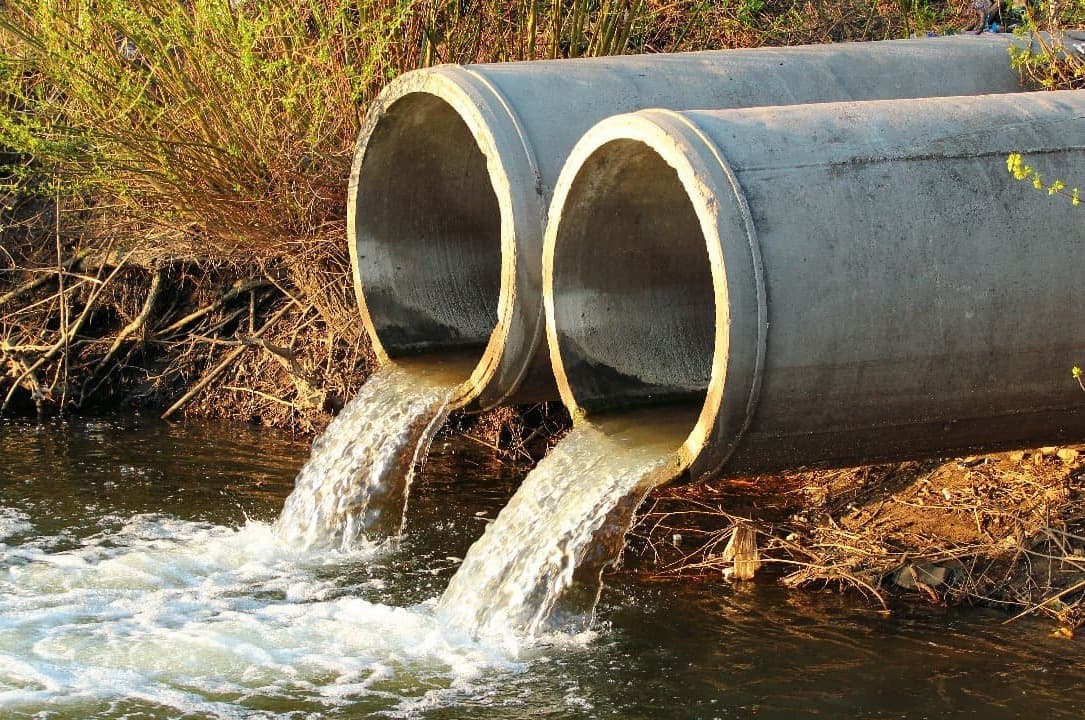
SBM(G) Phase II Liquid Waste Management

Published on: 13-Aug-2026

Share this post

SBM(G) Phase II Liquid Waste Management

Article Summary

Summary of SBM (G) Phase II Implementation

Scheme Overview:

  • Name: Swachh Bharat Mission (Gramin) [SBM(G)] Phase II
  • Launch Date: April 1, 2020
  • Focus Area: Sustainable sanitation and greywater management in villages.
  • Objective: To ensure solid and liquid waste management (SLWM) and maintain Open Defecation Free Plus (ODF+) status in villages.

Implementation Details:

  • Coverage: As of August 7, 2026, 5,63,809 out of 5,86,944 villages are covered under greywater management systems.
  • Monitoring Authority: The Department of Drinking Water and Sanitation (DDWS) under the Ministry of Jal Shakti oversees the implementation and monitoring via the Integrated Management Information System (IMIS).

Greywater Management (GWM) Measures:

  • Various measures for GWM include:
    • Domestic soak pits, leach pits, and kitchen gardens.
    • Community-level structures like waste stabilization ponds, constructed wetlands, and decentralized wastewater treatment systems (DEWATS).

Financial Assistance:

  • Per Capita Assistance:
    • Villages with populations up to 5,000: ₹280 per person.
    • Villages with populations over 5,000: ₹660 per person.
  • Funding Sources: States/UTs receive financial assistance based on their Annual Implementation Plan (AIP), previous performance, and budget availability. Additional funding can be sourced from:
    • Finance Commission grants for rural local bodies.
    • Mahatma Gandhi National Rural Employment Guarantee Scheme (MGNREGS).
    • Other state or central schemes, CSR funds, and revenue generation through business models.

Community Participation:

  • States/UTs are encouraged to promote community involvement, behavioral changes, and capacity building through awareness programs related to GWM.

Data Reporting:

  • As of August 7, 2026, a total of 42,98,194 GWM assets have been reported through IMIS.
  • Breakdown of community GWM assets by state/UT includes:
    • Number of soak pits, leach pits, and community treatment systems.

State-wise GWM Asset Summary (Selected States):

  1. Andhra Pradesh:
    • Soak Pits: 25,159,
    • Drainage Facilities: 40,962,
    • Community GWM Systems: 11,260.
  2. Bihar:
    • Soak Pits: 2,34,999,
    • Drainage Facilities: 81,199,
    • Community GWM Systems: 9,029.
  3. Maharashtra:
    • Soak Pits: 1,47,620,
    • Drainage Facilities: 60,574,
    • Community GWM Systems: 7,587.
  4. Uttar Pradesh:
    • Soak Pits: 4,11,424,
    • Drainage Facilities: 6,12,329,
    • Community GWM Systems: 54,861.

Constitutional References:

  • The initiative aligns with the constitutional directive under the Directive Principles of State Policy (DPSPs), particularly Article 47, which mandates the state to improve public health and hygiene.

Judicial and Government Support:

  • The government provides technical guidelines and standard operating procedures (SOPs) to states/UTs to enhance the capacity of gram panchayats in implementing the scheme.

This structured approach to waste management under SBM(G) Phase II aims to improve sanitation in rural areas, ensuring sustainable practices and community welfare.

Key Terms & Concepts

SBM(G) Phase IILiquid waste management program
5.63 lakh villagesVillages covered under scheme
1 April 2020Start date of program
ODF PlusOpen Defecation Free model
42,98,194Total GWM assets reported
280 to 660 INRFinancial assistance per person
IMISIntegrated Management Information System
DDWSDepartment overseeing implementation
5,000 population thresholdCriteria for financial aid
MGNREGSFunding source for states

Mind Map for UPSC Civil Services Revision

Turn UPSC Civil Services Current Affairs Into Exam-Ready Notes

Reading Economic and Social Development current affairs is half the work. Revise them with ready-made notes and test what actually stuck.

  • Daily UPSC Civil Services current affairs analysis
  • Revision notes, mind maps & MCQs
  • Prelims mock tests with instant results

Related UPSC Civil Services Current Affairs Articles

India's Defence Sector Modernization Efforts
National and International Importance15-Aug-2026

India's Defence Sector Modernization Efforts

Defence Sector Updates - Key Points

Government Priorities and Initiatives:

  • The Indian government prioritizes modernizing armed forces and creating a self-reliant defence sector.
  • Strategic initiatives such as ‘Aatmanirbhar Bharat’ and have been fundamental in transforming the defence production landscape.
‘Make in India’

Statistics and Data:

  • Defence Production Growth: Increased from ₹46,000 crore in 2014 to ₹1.78 lakh crore in FY 2025-26, a nearly four-fold increase.
    • Public Sector: 76% of production.
    • Private Sector: 24% of production.
  • Defence Exports: Rose from ₹686 crore in 2013-14 to an all-time high of ₹38,424 crore in 2025-26, indicating an increase of over 5,500%.
    • Total of 145 defence exporters supplying products to over 80 countries.
  • Defence Export Target: Government aims to achieve ₹50,000 crore in defence exports by 2029.
  • Defence Budget Growth: Increased from ₹2.53 lakh crore in 2013-14 to ₹7.85 lakh crore for 2026-27.
    • Capital expenditure set at ₹2.19 lakh crore.
  • R&D Allocation: Increased by 90% to ₹29,100 crore.

Judicial and Procurement Reforms:

  • Recently, the Defence Acquisition Council approved projects worth over ₹8.75 lakh crore.
  • Reforms in procurement processes include:
    • Doubling financial powers of field commanders.
    • Facilitation of over ₹1.25 lakh crore procurement through revenue routes to promote indigenisation.

Technological Achievements:

  • Successful trials of several advanced military systems including:
    • Tactical Advanced Range Augmentation System.
    • MIRV-equipped Advanced Agni missile.
    • Long-Range Land Attack Cruise Missile.
    • RudraM-II Missile.
    • Naval Anti-Ship Missile-SR.
    • Pinaka Long-Range Guided Rocket.
  • Successful test of a hypersonic missile technology featuring an active-cooled full-scale scramjet combustor operational for over 1,200 seconds.
  • The first successful test of the Kusha long-range surface-to-air missile.

Social and Infrastructure Initiatives:

  • Focus on border infrastructure development.
  • Welfare programs for serving and retired personnel.
  • Enhanced participation of women in the armed forces, evidenced by the commissioning of the** first batch of women cadets** from the National Defence Academy.
  • Recognition of the all-women tri-service circumnavigation expedition, ‘Samudra Pradakshina’.

Cultural Milestone:

  • 2026 marks 150 years since the composition of ‘Vande Mataram’; a call to celebrate national pride and contribute toward nation-building and the vision of Viksit Bharat.

This summary encapsulates the significant developments in India’s defence sector, reflecting the government's strategic focus on self-reliance, modernization, and international competitiveness.

Indian Army's New Defence Contracts
National and International Importance15-Aug-2026

Indian Army's New Defence Contracts

Summary of Defence Procurement Contracts

Overview:

  • The Ministry of Defence (MoD) signed contracts worth ₹1,577 crore on August 14, 2026, with Tata Advanced Systems Ltd (TASL) and NIBE Ltd for the Indian Army.

Key Details:

  • Contracts Signed:

    • TASL: ₹1,013.77 crore for 54 loiter munition systems and 540 munitions.
    • NIBE Ltd: ₹563.36 crore for 30 systems and 300 munitions.
  • Procurement Specifications:

    • Total of 84 loiter munition systems with a range of up to 100 km.
    • Enhancement of Army’s precision-strike capability, previously relying on BrahMos missiles for ranges beyond 40-50 km.
    • 60% overall indigenous content mandated:
      • Minimum of 50% in materials, components, and software.

Strategic Importance:

  • The loiter munition systems will bridge existing capability gaps in precision-strike operations for the Indian Army.
  • The move aligns with the government's Aatmanirbhar Bharat initiative, emphasizing indigenous defence manufacturing.

Operational Context:

  • A limited number of artillery regiments have operationalised loiter munition systems under Phase-I.
  • Expansion plans will equip more units, enhancing overall operational effectiveness.

Delivery Timeline:

  • Scheduled delivery within 12 months from the date of advance payment.

Additional Information:

  • Policy Framework:
    • Contracts processed under the ‘Buy Indian’ category through Fast Track Procedure facilitate quicker acquisitions for enhanced military capabilities.

Relevant Constitutional and Policy References:

  • Aatmanirbhar Bharat Mission: A governmental initiative aiming to boost self-reliance in manufacturing and reduce dependency on foreign imports in the defence sector.

This procurement underscores the government's commitment to bolstering indigenous capabilities while enhancing military readiness, reflecting a strategic shift towards self-sufficiency in defence production.

Indigenous Rights and Mining Controversy
National and International Importance14-Aug-2026

Indigenous Rights and Mining Controversy

Exam-Focused Notes on the Proposed Cement Plant and Limestone Mining Project in Meghalaya

  1. Project Overview:

    • Integrated cement plant and limestone mining project proposed by Shree Cement Limited.
    • Project cost: ₹1,800 crore.
    • Location: Lum Syrman area, East Jaintia Hills district, Meghalaya.
    • Area involved: 217.394 hectares.
  2. Stakeholder Concerns:

    • Opposition from local stakeholders has led to the cancellation of public hearings since May.
    • The Jaiñtia National Council (JNC) has demanded government intervention to ensure the protection of landowners' and farmers' rights.
  3. Rights and Legal Context:

    • The JNC emphasizes the need to protect customary, possession, cultivation, and user rights of landowners from Sutnga and Nongkhlieh Elakas (traditional administrative units).
    • The organization argues that land issues should not be treated merely as environmental or industrial clearance matters but must consider local community rights.
  4. Government Accountability:

    • A 10-day deadline set by the JNC for the Meghalaya government to address their demands.
    • Calls for a transparent verification process of revenue, registration, and customary rights before proceeding with the project.
    • The JNC asserts that livelihoods of farmers must not be overlooked in favor of mineral development.
  5. Compensation and Rights:

    • The JNC demands fair and lawful compensation for any loss resulting from the project, contingent on the identification of legal and customary rights.
    • Concerns raised about the state government allegedly favoring cement companies, including blocking local residents from participating in public hearings.
  6. Constitutional and Legal Framework:

    • Relevant constitutional articles that could be referenced include:
      • Article 21: Right to life and personal liberty, which can be interpreted to include the right to livelihood.
      • Article 39 (a): Directive Principle of State Policy advocating for the right to an adequate means of livelihood for all citizens.
    • Traditional rights and local governance structures recognized under various state laws and customs.
  7. Judicial Precedents:

    • The Supreme Court and High Courts in India have previously ruled on matters concerning land acquisition, local community rights, and the need for environmental clearances, emphasizing the importance of stakeholder participation in projects affecting local communities.
  8. Environmental and Economic Implications:

    • The project has raised environmental concerns which necessitate a thorough environmental impact assessment (EIA) before any approvals.
    • Economic benefits from the project must be weighed against potential social and environmental costs.
  9. Conclusion:

    • The JNC’s stance reflects a broader issue of balancing development with community rights and environmental sustainability.
    • The outcome of this situation may set a precedent for future projects in similar contexts across India, highlighting the need for transparent governance and accountability in resource management.

This summary encapsulates the critical aspects of the proposed project, stakeholder concerns, constitutional references, and the need for fair compensation and rights protection for local communities.

AI's Role in Indian Education System
Economic and Social Development13-Aug-2026

AI's Role in Indian Education System

Summary of Educational Insights and Recommendations

Current State of Indian Education:

  • Digital Progress:
    • Internet connectivity in schools has increased from 8% in 2014-15 to 64% by 2024-25 (source: NITI Aayog).
    • Enhanced classroom engagement via technology with modern devices like smart boards.

Challenges in Learning Outcomes:

  • While technology facilitates presentation, it does not ensure understanding, leaving many students' learning gaps unaddressed.
  • Basic literacy and math skills rebounded post-pandemic, yet secondary-level education and overall literacy lag despite technological advancement.
  • Teachers face challenges in identifying individual learning needs due to class sizes averaging 30-40 students with varied comprehension levels.

Areas Needing Improvement:

  • Learning Diagnosis: Current systems focus on "delivery" of content rather than diagnosing learning conditions and progress.
  • There is a disconnect between educational technology (like smart boards and projectors) and the actual learning metrics of students.

Role of Artificial Intelligence (AI) in Education:

  1. Gap Identification: AI can help identify learning struggles in real-time, moving beyond the traditional assessment methods that reveal issues only after tests.
  2. Personalized Learning: Customizes student practice according to their readiness rather than applying a uniform pace across the entire class.
  3. Administrative Efficiency: Reduces the time teachers spend on grading, report preparation, and data management, allowing them to focus more on teaching and individual student engagement.
  4. Real-Time Data for Leadership: Offers timely insights into classroom performance, enabling actionable interventions rather than post-analysis after term results.

Vision for Future Classrooms:

  • Transition towards "intelligent classrooms" that utilize technology not just for content delivery but for effective learning assessments.
  • Shift educational focus from merely increasing the number of devices in classrooms to genuinely understanding and improving student learning processes.

Conclusion:

  • Successful integration of AI can transform educational paradigms in India, making classrooms responsive to individual learning needs, thus closing the existing gap in education quality. It emphasizes that infrastructure must serve as a means to an end, with the ultimate goal of ensuring that students are actually learning.
India's Food Security Policy Reformation
Economic and Social Development13-Aug-2026

India's Food Security Policy Reformation

Summary of Food Security in India (2026)

Current Situation

  • As of 2023-24, 25% of households (25% rural, 21% urban) cannot afford the ICMR-NIN recommended diet, down from 52% in 2011-12.
  • Persistent issues of poverty and hunger are linked, requiring modern food security policies recognizing their differences.

Legislative Developments

  • Draft National Food Security (Amendment) Bill, 2026:
    • Proposes changes to Antyodaya Anna Yojana (AAY) entitlements based on household size.
    • Priority Households: 5 kg of foodgrains per person/month; AAY households: flats 35 kg based on household size.
    • Proposed change: 7 kg per person, maximum 35 kg, which would disproportionately reduce support for smaller households.
    • 84.5% of AAY households in Tamil Nadu have fewer than 5 members, which may face a 35.6% reduction in monthly allocations.

Coverage and Beneficiaries

  • Current National Food Security Act (NFSA) covers 75% rural and 50% urban populations.
  • Beneficiary ceiling remains based on Census 2011 (81.35 crore benefitting ~55.6% of estimated 146.4 crore in 2025).
  • Calls for a recalculation using Census 2027 data and improved accessibility for inclusion.
  • Nutritional Insights

    • NFHS-6 Findings: Stunting in children under five decreased from 35.5% to 29.3%, but wasting (19.3% to 19.0%) and underweight (32.1% to 31.8%) remain high.
    • Poor dietary diversity highlighted: only 15% of children aged 6-23 months receive an adequate diet.
    • Diabetes statistics from ICMR-INDIAB (2021): 101 million Indians have diabetes; 136 million have prediabetes.

    Food Security Dynamics

    • Foodgrain entitlement should not solely address diabetes risk; rather, dietary balance is essential.
    • High carbohydrate intake linked to increased diabetes risk; dietary diversification recommended with proteins from pulses and other sources.

    Policy Recommendations

    1. Preserve existing 35 kg entitlement with a no-loss guarantee during reforms.
    2. Regularly review eligibility for larger households based on nutritional needs.
    3. Fund dietary diversification separately without reducing cereal entitlements.
    4. Union Budget 2026-27 allocates ₹2.27 lakh crore to food subsidies, highlighting transparent fiscal management.
    5. Proposed phased state pilots to assess diverse dietary and health outcomes.

    Technological and Delivery Framework

    • By end of 2025, nearly all fair price shops will utilize electronic point-of-sale devices, with One Nation One Ration Card covering almost all beneficiaries.
    • Recommendations for fair price shops to provide nutrition information and health referrals, promoting dietary diversity.
    • Increased role for primary health services to screen and manage non-communicable diseases (NCDs) such as diabetes.

    Conclusion

    • Proposed amendments must align with broader food and nutrition security frameworks.
    • Successful reforms should ensure caloric sufficiency and promote healthier diets, allowing families to fulfill their entitlements with dignity.

    This summary emphasizes the critical aspects of the food security debate in India, highlighting legislative changes, data on nutrition, policy recommendations, and existing delivery mechanisms, important for understanding ongoing efforts to combat hunger and malnutrition in the country.