iAspirants
Severe Flooding Affects North India
Published on:
Share this post

Article Summary
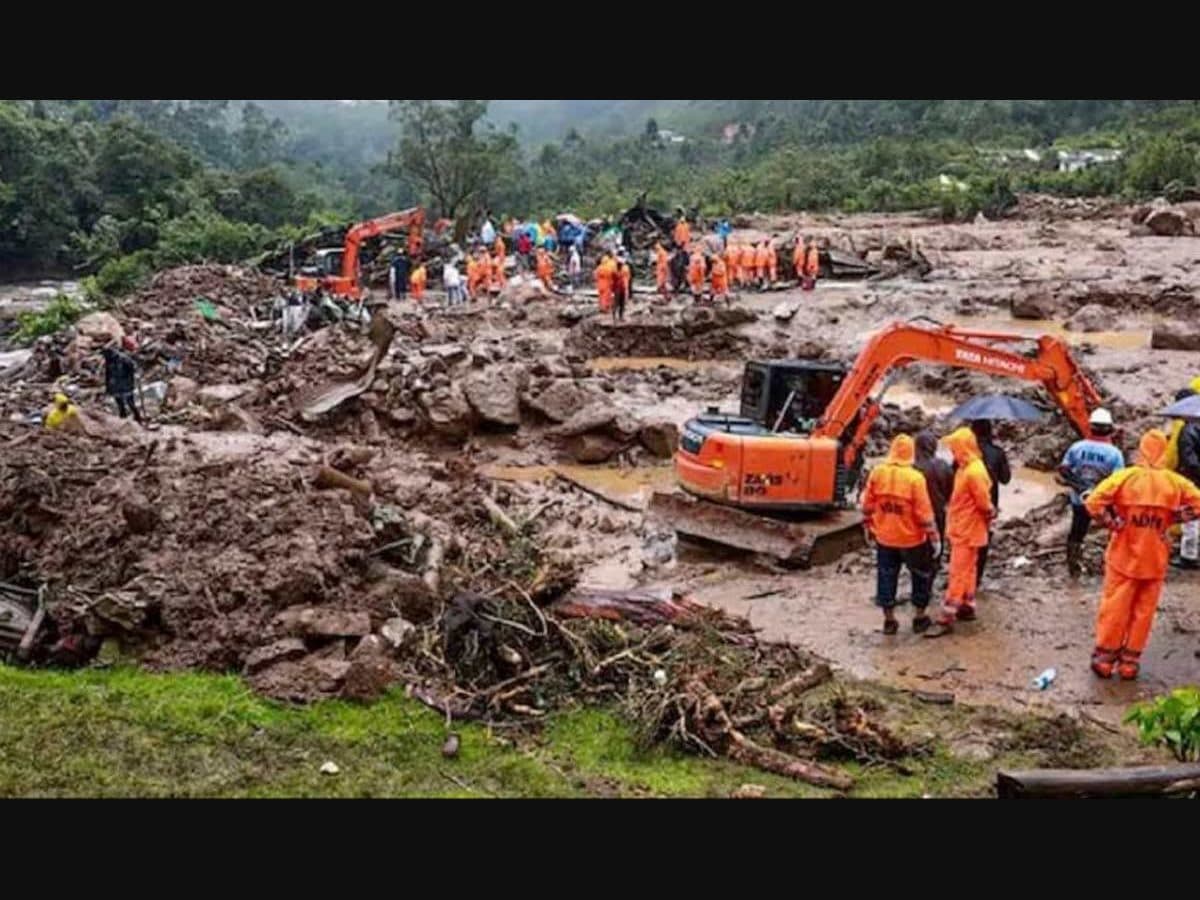
Heavy rainfall in North India has caused significant devastation across multiple states, including Himachal Pradesh, Jammu and Kashmir, and Punjab. Reports indicate that Jammu and Kashmir has faced over 40 fatalities due to the adverse weather conditions, while Himachal Pradesh has experienced multiple districts becoming isolated. Key rivers, such as the Yamuna, have risen sharply, leading to flooding in urban and low-lying areas, with Srinagar and Anantnag being notably affected.
The southwest monsoon's precipitation patterns have shown increased unpredictability, with August witnessing intense rainfall outbreaks that have severely impacted the already fragile ecosystems of the Himalayan region. The erratic nature of rainfall has raised concerns about local erosion, potential slope failures, and the heightened risks to communities situated in vulnerable areas.
Consequently, the need for proactive and preventive strategies for disaster management is emphasized, especially in light of historical patterns that suggest these climatic events are becoming more frequent and devastating. The article stresses that treating disasters as "unprecedented" fails to recognize the ongoing patterns of climate change effects, leading to a cycle of destruction that could be mitigated through better planning and infrastructure.
Key issues raised include:
Impact of Land Use: Despite warnings from experts, activities such as forest clearance and road-widening are conducted without adequate measures to address slope stability in ecologically sensitive zones.
Deteriorating Infrastructure: The resilience of catchment areas is diminishing, leading to higher risks of slope failures and increased sediment accumulation in rivers and dams, further exacerbating flood risks downstream.
Inadequate Preparedness: Current frameworks for forecasting and early warning systems remain underdeveloped. Improvements in forecasting do not translate into effective ground-level warnings or community preparedness.
Sustainable Infrastructure: The continued pursuit of strategic road projects and urban expansion without considering ecological stability presents long-term risks. Immediate relief efforts focus largely on post-disaster support rather than on building sustainable infrastructure and reducing vulnerabilities in advance.
Environmental Degradation: The cumulative impact of these issues has resulted in denuded landscapes, diminishing catchment areas, and communities facing increasingly severe flood risks as the monsoon season approaches.
Policy Recommendations: The article advocates a shift from reactive disaster management post-events to a comprehensive strategy aimed at sustainable development, landscape restoration, and robust early-warning systems. Prioritizing climate-resilient infrastructure and engaging in preemptive action could significantly mitigate future losses.
The publication date of the original article is August 29, 2025, highlighting the timeliness of the discussed environmental challenges and the call for immediate attention towards building resilience against such climatic adversities.
Important Points:
- Heavy rainfall has caused significant destruction in North India, especially in Himachal Pradesh and Jammu and Kashmir.
- Over 40 deaths reported in Jammu and Kashmir, with rising water levels in the Yamuna and flooding in major urban centers.
- Unpredictability of the southwest monsoon has increased, causing localized erosion and raising risks for vulnerable communities.
- Proactive disaster management strategies are required to mitigate the recurrence of such events in the future.
- Current infrastructure development lacks ecological sensitivity, further endangering fragile slopes and catchment areas.
- Underdeveloped early warning systems and insufficient community preparedness magnify the impact of such disasters.
- Emphasis is placed on transitioning from post-disaster relief to sustainable disaster risk reduction strategies and resilience building.
Key Terms & Concepts
| North India | Affected region by floods |
| Himachal Pradesh | Districts cut off by floods |
| Jammu and Kashmir | Reported deaths from flooding |
| Punjab | Villages inundated |
| Yamuna | Surging river causing floods |
| Southwest Monsoon | Weather pattern causing rainfall |
| Himalaya | Mountains at risk of erosion |
| Forest Clearance | Contributing factor to instability |
| Slope-safe engineering | Recommended solution for risks |
| Evacuation Architecture | Underdeveloped warning systems |
| Climate-resilient Infrastructure | Lags in development |
| Compensatory Afforestation | Rehabilitation measure |