iAspirants
Severe Floods Impact Indian Himalayan Region
Published on:
Share this post
Article Summary
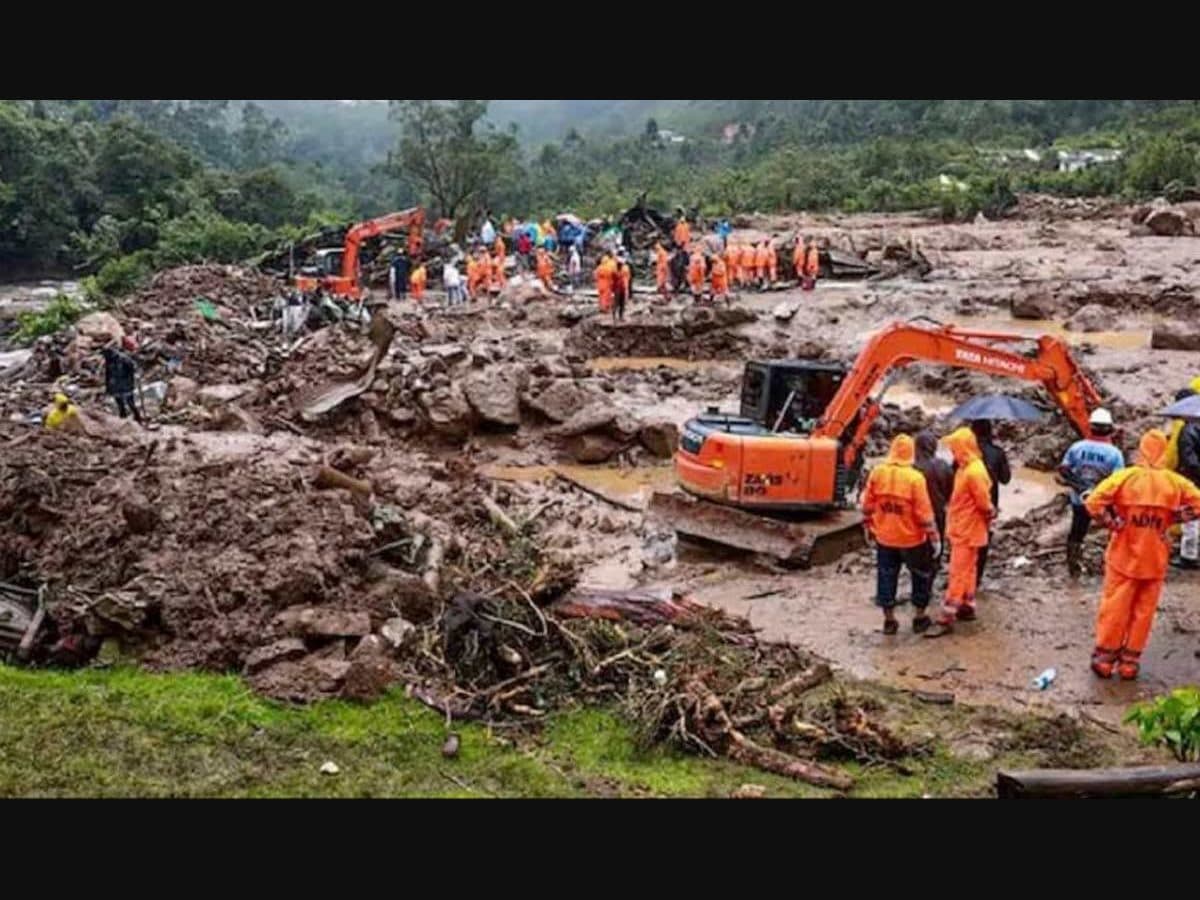
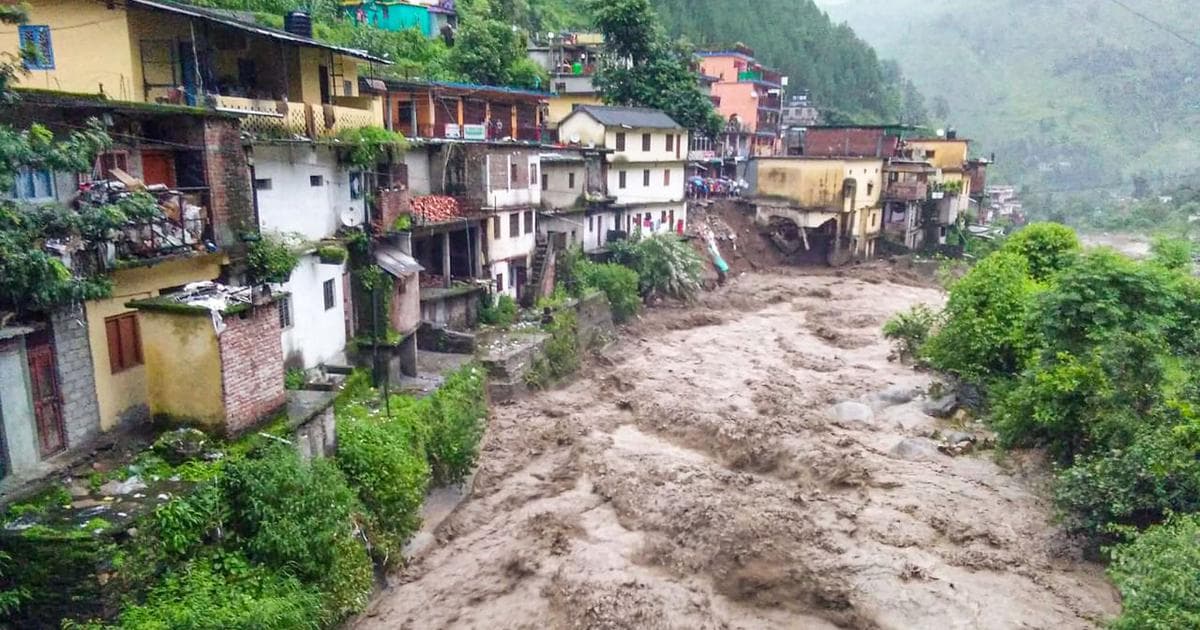
In August 2023, Punjab experienced severe flooding, marking its worst disaster since 1988, due to overflowing waters from the Sutlej, Beas, and Ravi rivers, affecting multiple villages. Concurrently, Kashmir and parts of Pakistan faced intense rainfall, resulting in at least 34 fatalities. A notable incident was the complete disappearance of the village of Dharali in Uttarkashi district, Uttarakhand, due to landslides triggered by extreme weather.
Key concerns surrounding these disasters relate to their attribution to climate change and development practices in the Indian Himalayan region, a recurrent theme observed during past catastrophes like the 2013 Kedarnath floods and the 2021 Chamoli disaster. Experts argue that labeling every extreme weather event simply as a "cloudburst" oversimplifies the reality, as many of these natural disasters emerge from a combination of climate change factors and human intervention.
Noteworthy observations:
- Expert Commentary: Arun B. Shreshta from ICIMOD emphasizes that the Himalayan mountains' young and unstable characteristics render them vulnerable to floods and landslides.
- Judicial Concern: Chief Justice B.R. Gavai remarked on the apocalyptic visuals of logs floating in the flood waters, highlighting the dire environmental implications.
- The Supreme Court, in a July 18 ruling, discussed the potential for severe ecological degradation in regions like Himachal Pradesh and called for a reevaluation of development policies that prioritize economic gain over ecological sustainability.
Government Responding Initiatives:
- The Indian government is investing in infrastructure projects in these regions, with 1,144 hydropower plants under various stages of development in Himachal Pradesh and 40 operational plants in Uttarakhand, along with additional projects pending approval.
- However, experts caution that this rapid infrastructure expansion disregards the necessary environmental assessments and contributes significantly to disaster risks.
The effects of this construction on the climate landscape are palpable:
- Rising Average Temperatures: The Indian Himalayan region is warming faster than the global average, leading to diminished snowfall and increased glacier melt, consequently risking the formation of glacial lake outburst floods (GLOFs).
- There were over 25,000 classified glacial lakes as of 2018, heightening the risk for downstream populations.
Experts advocate for a paradigm shift in how development is approached in the mountains, stressing the importance of conducting social and disaster impact assessments before any construction endeavors. Local communities should be engaged in this process, as their understanding of the landscape and inherent hazards is crucial.
Key Recommendations:
- Infrastructure planning must consider climatic variations and disaster potential, integrating nature-based solutions.
- Essential facilities, including hospitals and schools, should not be constructed in disaster-prone areas.
- Climate literacy among locals is essential to foster informed self-governance in resource management and disaster preparedness.
Consequences of Tourism: Increased tourism drives land demand to create accommodations ("homestays," hotels), consequently leading to further deforestation. The loss of native deodar trees exacerbates soil erosion, increasing the risk of landslides and causing downstream flood hazards.
Summary Points:
- Punjab experienced its worst flooding in August 2023 due to overflowing rivers, with severe impacts noted in Uttarkashi’s Dharali village.
- There is a call for scrutiny of development practices that obscure the impact of climate change on natural disasters.
- The Supreme Court has raised alarms over future ecological disasters unless sustainable practices are adopted.
- Government infrastructure projects and tourism growth may worsen existing vulnerabilities in the Himalayan region.
- Essential shifts toward sustainable development must prioritize environmental assessments and local community involvement.
Key Terms & Concepts
| Punjab | Affected by severe flooding |
| Sutlej River | Source of flood waters |
| Beas River | Source of flood waters |
| Ravi River | Source of flood waters |
| Himalayas | Mountain range experiencing disasters |
| ICIMOD | Research institution |
| Supreme Court | Judicial authority addressing issues |
| National Highways Authority of India | Responsible for road infrastructure |
| Himachal Pradesh | State affected by flooding |
| Uttarakhand | State affected by flooding |
| glacial lake outburst floods | Type of flood event |