iAspirants
Shift in India-U.S. Strategic Relations
Published on:
Share this post
Article Summary
Summary of Key Points
Trade and Economic Relations
- Tariffs and Trade Policy: The Trump administration's tariffs on several countries, including India, signify a broader shift in U.S. trade policy towards aligning actions with national interests rather than strategic convergence.
U.S. Foreign Policy Framework
- Flexible Realism: This approach signifies a pivot from past models of liberal internationalism, integrating trade, technology, and security into a coherent statecraft strategy.
- Assessment Criteria: U.S. partnerships are now judged on economic benefits, technological advancements, and strategic contributions rather than historical goodwill or shared values.
Indo-U.S. Strategic Dynamics
- Importance of India: India's strategic importance has increased in light of China’s rise, focusing on defense cooperation, technology partnerships, and supply chain resilience within initiatives like the Quadrilateral Security Dialogue (Quad).
- Shifts in Strategic Convergence: Although strategic alignment remains important, reliance on China’s actions for India’s strategic relevance is no longer tenable.
Future of Partnership
- Strategic Complementarity: The future relationship between India and the U.S. will depend on mutual reinforcement of capabilities rather than merely responding to external threats like China's rise.
- Focus Areas: Defense collaboration, advancements in critical technologies, and resilient supply chains will form the basis of the next phase of partnership.
Expanding Strategic Agency for India
- Strategic Autonomy: This new framework allows India to strengthen its own capabilities, which enhances its value as a partner while enabling it to independently navigate its foreign relations.
- Multi-Alignment Strategy: India is encouraged to explore partnerships beyond the U.S., including with China, the EU, Japan, and the Global South, thereby fostering a more autonomous foreign policy stance.
Economic and Technological Imperatives
- Building Domestic Capabilities: To sustain its strategic relevance, India must focus on enhancing its own economic dynamism, technological capabilities, and defense preparedness.
Strategic Environmental Implications
- Geopolitical Fluidity: The changing international landscape suggests that India can no longer assume its strategic importance solely based on U.S.-China rivalry. Instead, it must actively pursue advancements in its own position and influence in global affairs.
Conclusion
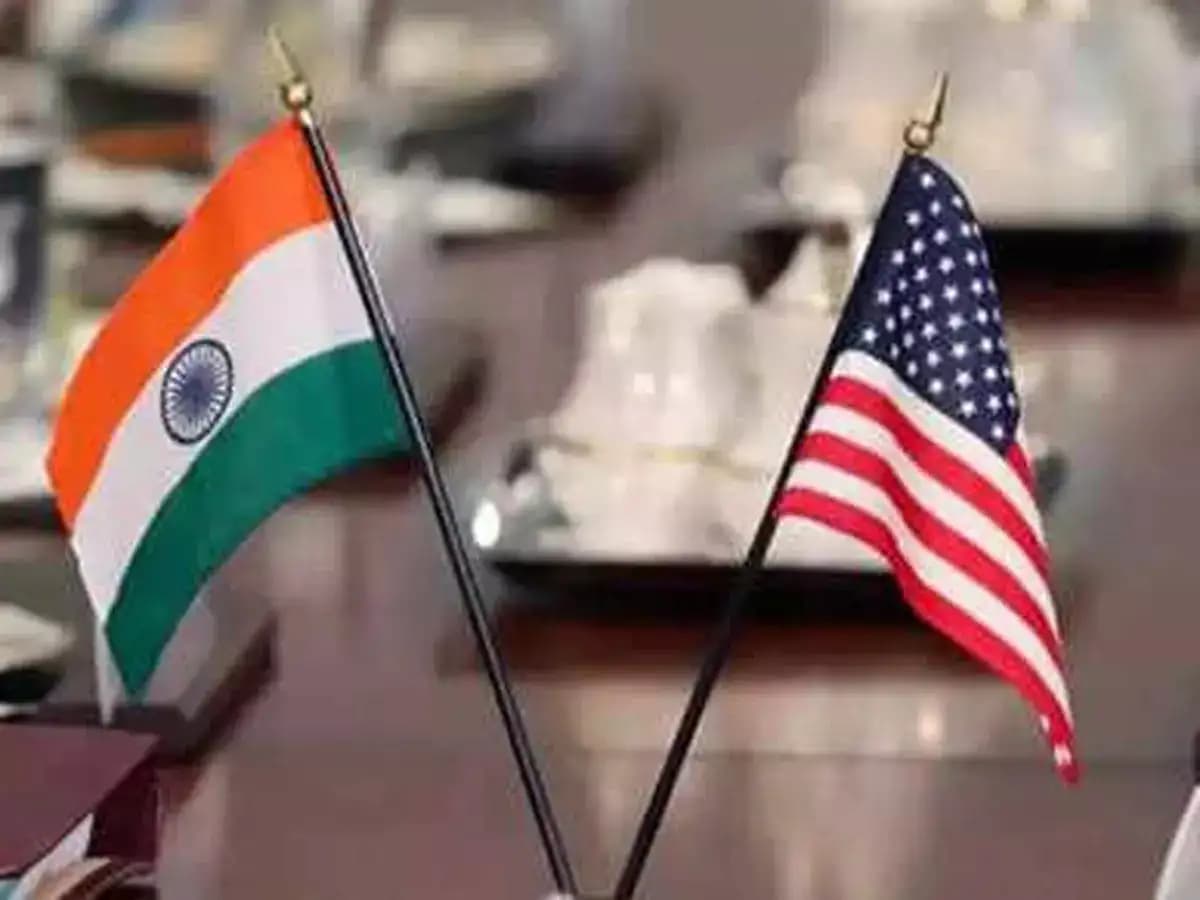
The evolving Indo-U.S. partnership reflects a significant transition towards reciprocity and capability-based engagement. As both nations adapt to changing global dynamics, India's approach must integrate strategic autonomy with a commitment to enhancing its own capabilities, thereby redefining its role in international relations and security frameworks.
Key Terms & Concepts
| Trump administration | Imposed tariffs affecting trade |
| China | Washington's principal strategic competitor |
| Quad | Regional security cooperation framework |
| Flexible realism | New U.S. foreign policy approach |
| India-U.S. partnership | Evolving strategic collaboration |
| Multi-alignment strategy | India's approach to balance powers |
| Supply-chain resilience | Shared priority for security |
| Economic dynamism | Source of India's global relevance |
| Technological capabilities | Key to strategic partnerships |
| Defence cooperation | Joint military engagements |
| India's strategic autonomy | Preserves independent choices |