iAspirants
Strategies Against Aedes-Borne Diseases
Published on:
Share this post
Article Summary
The article discusses the significant impact of Aedes-borne viral diseases (ABVD), including dengue, Zika, and chikungunya, on India’s productivity and public health. It highlights the inadequacies of current mosquito control methods, suggests alternative strategies, and underscores community mobilization as a vital component in combating these diseases.
Key Points:
Diseases and Productivity Loss: Dengue, Zika, and chikungunya are Aedes-borne viral diseases that detrimentally affect India's productivity.
Current Control Measures: Local governments primarily carry out outdoor fumigation to control mosquito populations. However, this approach lacks effectiveness and does not receive support from national agencies as a standard preventive measure.
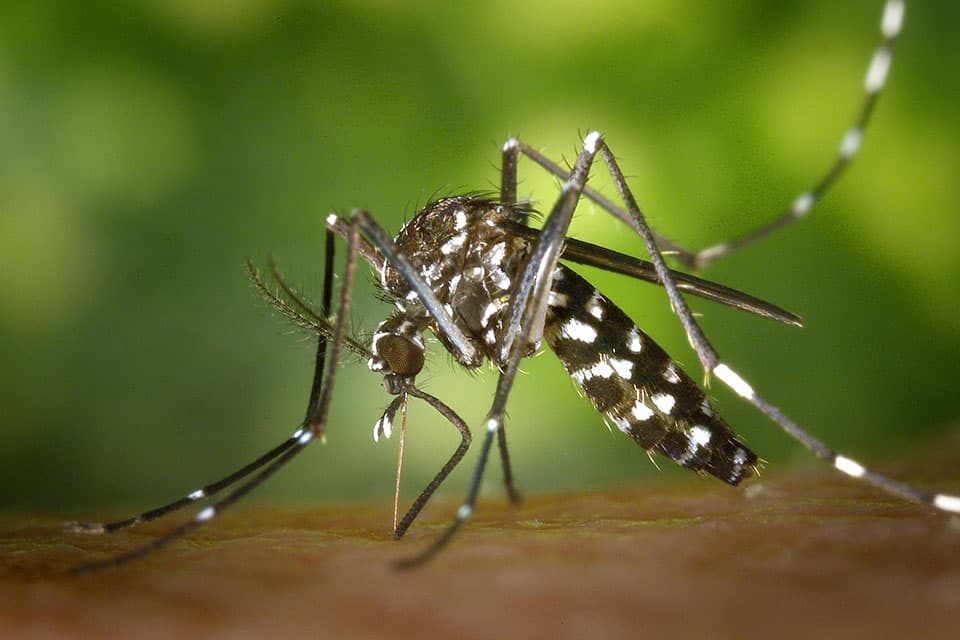
Aedes Mosquito Behavior: Aedes mosquitoes thrive in human environments, feeding during the day indoors and under artificial light at night, rendering traditional control methods, including fumigation, ineffective.
Emerging Strategies:
- The use of Wolbachia mosquitoes—infected with a natural bacteria to suppress disease transmission—is promising but is limited due to high costs and lack of institutional support.
- Vaccine trials for dengue are ongoing but do not cover Zika or chikungunya.
Personal Protection: The article emphasizes the importance of individual protective measures and community awareness to combat Aedes mosquitoes. Strategies include:
- Wearing loose clothing from September to November.
- Applying safe topical repellents (non-insecticides) to impair mosquito sense of smell. The article cites several effective repellents endorsed by global agencies:
- DEET (20%), effective for approximately six hours.
- Para-menthane-diol (PMD) from lemon eucalyptus, compatible with CDC recommendations.
- Picaridin, 2-undecanone, and IR3535 exhibit effectiveness as well.
Local Community Actions: Studies demonstrate that community initiatives can rapidly decrease Aedes mosquito populations:
- The Camino Verde study showed a 29% reduction in dengue cases through community education and active larval breeding site management.
- Efforts included removing stagnant water and cleaning water containers.
Ineffective Larvicides: The study cautioned that the use of temephos, a larvicide, may increase dengue risk due to complacency among users.
Plastic Pollution: The article connects plastic waste directly to ABVD transmission risk, noting its role in predicting dengue outbreaks.
Government Initiatives: The Ministry of Health & Family Welfare's 2017 guidelines recommend managing larval sources and leveraging the ASHA network for community-level interventions.
Public Health Campaign: A Delhi-based initiative promotes a "rule of 10" campaign, urging households to dedicate 10 minutes every Sunday for 10 weeks to eliminate stagnant water sources during peak ABVD transmission seasons.
Recommendations for Effective Practices: Municipal corporations are advised to prioritize larval control over dependence on fogging and to engage local experts in community education regarding personal protective measures.
Market Challenges: Access to effective repellents like DEET and other recommended products is limited in Indian markets, with consumer preferences and misinformation leading to poor choices. There is a call for urgent public education to address misconceptions about DEET.
Innovation and Research Needs: Advocated solutions include incorporating spatial emanators that provide extended protection, and conducting comprehensive studies on successful Aedes management methods already employed in other countries.
Conclusion: The article emphasizes that a dual approach, combining community-driven initiatives with top-down policy support, could significantly reduce the threat posed by Aedes mosquitoes, creating safe zones around communities.
In summary, combatting Aedes-borne viral diseases in India requires a shift from ineffective fumigation methods to personalized protection strategies and community mobilization, alongside innovation and government support in public health measures.
Key Terms & Concepts
| Aedes mosquito | Disease carrier |
| Wolbachia | Natural bacteria for mosquito control |
| World Health Organization (WHO) | Health guidelines authority |
| Centers for Disease Control (CDC) | Public health authority |
| DEET | Effective insect repellent |
| Camino Verde study | Community action research |
| temephos | Larval insecticide |
| Accredited Social Health Activists (ASHA) | Community health support |
| rule of 10 | Public health campaign |