iAspirants
Student Suicides Raise Safety Concerns
Published on:
Share this post

Article Summary
The article addresses the issue of sexual harassment in educational institutions in India, spotlighting the recent tragic suicide of a 20-year-old student from Odisha due to alleged mishandling of her complaint by her college's Internal Complaints Committee (ICC). The student, from Fakir Mohan (Autonomous) College in Balasore, set herself on fire following a meeting with the college principal, who purportedly sided with the accused professor, leading her to feel unsupported.
Key Points:
Incident Background: The student sought help from the ICC after allegedly being sexually harassed by a professor. The ICC reportedly produced a biased report that blamed her, prompting the principal to inform her she could face punishment for false allegations.
Role of Internal Complaints Committee (ICC): The ICC, established under University Grants Commission (UGC) guidelines, is meant to address sexual harassment complaints but is often criticized for being ineffective and biased. The article highlights that many such committees lack functionality and awareness among students about their existence.
National Institutional Ranking Framework (NIRF): While NIRF mandates the presence of an ICC, it does not significantly influence institutional rankings. Concerns were raised that aspects of student safety and the functionality of the ICC are not adequately considered in the ranking process.
Universities’ Responses:
- Jawaharlal Nehru University (JNU) replaced its earlier Gender Sensitisation Committee (GSCASH) with the ICC in 2017, citing compliance with UGC standards, but students claim the campus remains unsafe.
- Banaras Hindu University (BHU) and IIT-BHU are also highlighted where ICCs function inadequately, often with a lack of transparency and failures to address complaints seriously.
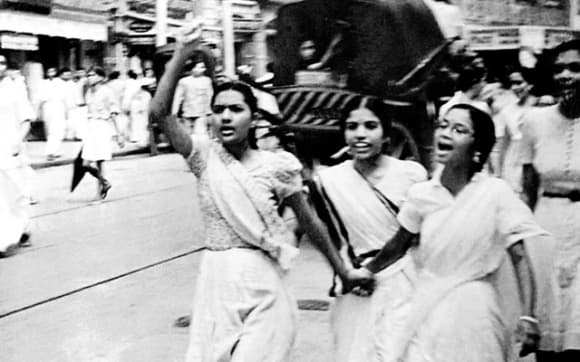
Subsequent Issues and Activism: In light of ongoing complaints, students have staged protests, asserting their right to safety and justice. Although there are superficial inquiries into cases of sexual harassment, victims often face retaliation or pressures to remain silent.
Perceptions of Governance:
- Many criticized ICCs as being controlled by institutional authorities, leading to a bias against student complaints. Elected representatives often clash with nominated members due to differing priorities regarding student safety.
- A call to revert to a purely elected body like GSCASH was made, as it is believed to ensure better representation and support for students.
Recommendations:
- Enhancing the representation of students, including having external members from NGOs, to ensure impartiality in ICC operations.
- NIRF should incorporate clear accountability measures regarding students’ safety and well-being in its evaluation criteria.
- Regular gender sensitization training and a consistent approach towards handling complaints were deemed essential.
Continued Advocacy: Ongoing dialogue among students, faculty, and activists is necessary to revise existing ICC structures and ensure a safer academic environment.
The article underscores the urgent need for reform in handling sexual harassment allegations within educational institutions to protect students and provide them with a safe learning environment. It also points towards a systemic issue where the administrative governance often prioritizes institutional reputation over the safety and rights of students.
Important Sentences:
- The father of the deceased student attributed her death to the biased actions of the college's ICC.
- The ICC is criticized for being ineffective and often unrecognized by the students it is meant to serve.
- The NIRF's guidelines, while encouraging the establishment of ICCs, fail to significantly account for their operational effectiveness in rankings.
- There are ongoing calls for a return to an independent body like GSCASH, which was considered more supportive of students' rights.
- Many students remain unaware of the existence and functions of ICCs, highlighting a significant gap in awareness and understanding of these bodies.
Key Terms & Concepts
| Fakir Mohan College | Location of incident |
| University Grants Commission | Regulator of ICCs |
| National Institutional Ranking Framework | Ranking system for universities |
| Gender Sensitisation Committee Against Sexual Harassment | Previous committee before ICC |
| Jawaharlal Nehru University | Institution mentioned |
| Banaras Hindu University | Institution mentioned |
| Delhi University | Institution mentioned |
| Abha Dev Habib | Faculty member at DU |
| SFI | Student organization |
| UGC norms | Guidelines for ICC |