iAspirants
Study Highlights Flood Risks in Slums
Published on:
Share this post

Article Summary
The news article discusses a study analyzing the flood vulnerability of informal settlements in low- and middle-income countries, particularly focusing on India. The research highlights the severe risk posed by flooding, which affects approximately 2.3 billion people globally, with over 600 million at risk in India alone.
Key Findings:
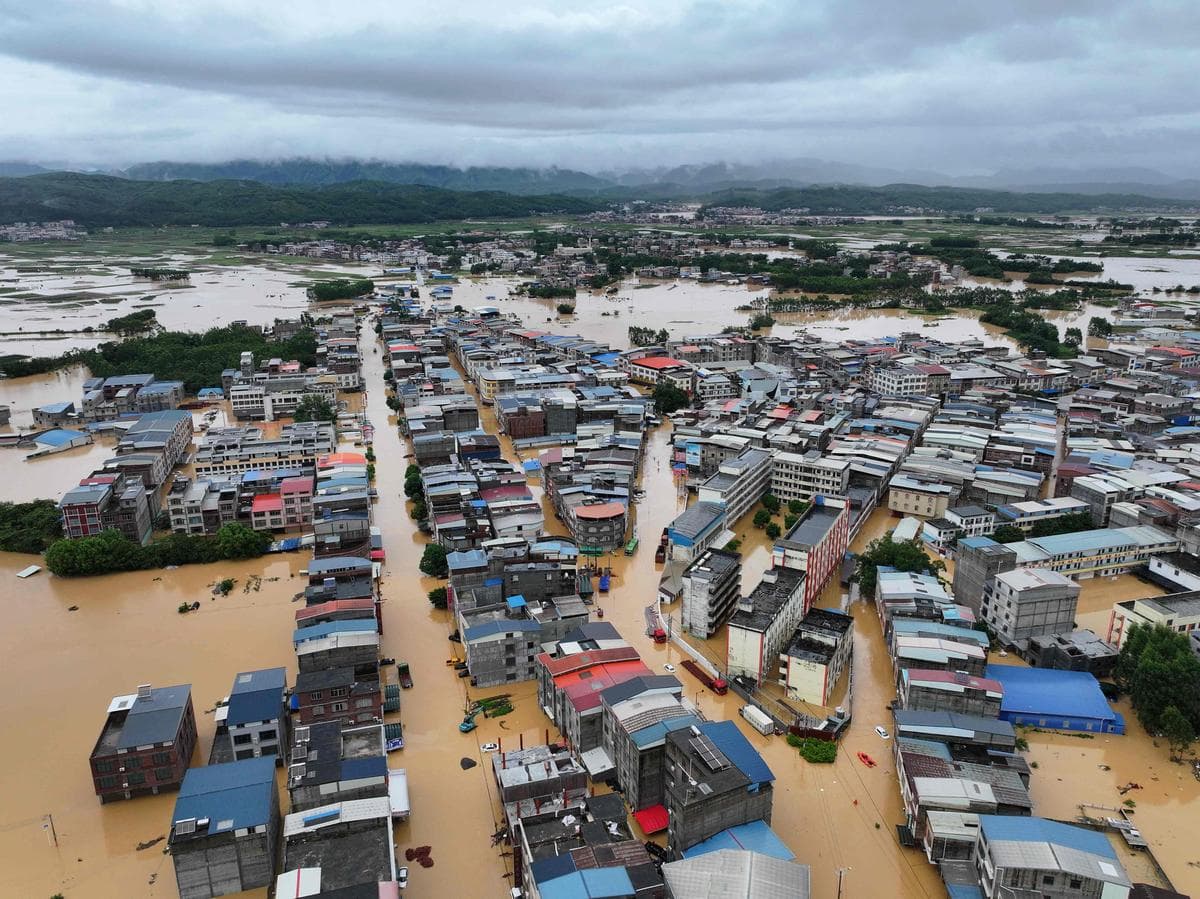
Global Flood Exposure: The 2024 Moody's report indicates 2.3 billion people are exposed to flooding annually. In India, over 600 million residents face risks from coastal and inland flooding.
Study Scope: The research, published in Nature Cities in July 2025, examined 129 low- and middle-income countries, using satellite imagery of slums and flood maps from 343 significant flood events.
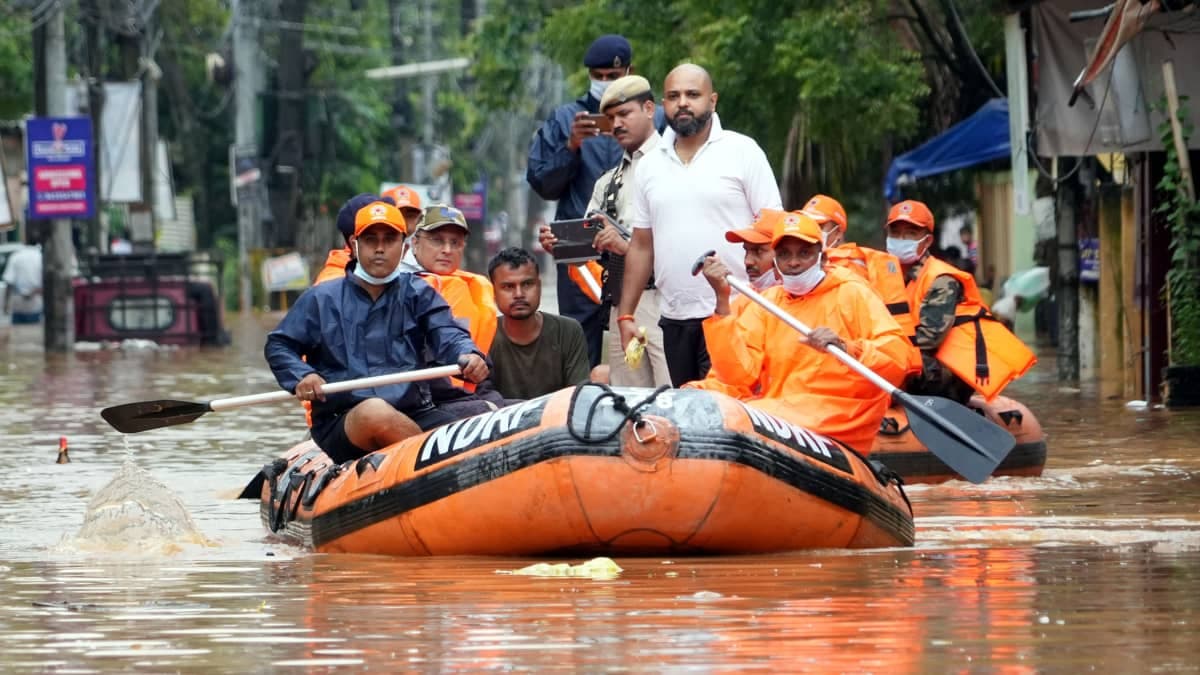
India's Vulnerability: India has the highest number of slum dwellers in flood-prone areas, with more than 158 million residents, predominantly located in the Ganga river delta.
Global Context: Other countries with high numbers of people in floodplains include Indonesia, Bangladesh, and Pakistan. The findings underline that 33% of informal settlements in the Global South, corresponding to about 445 million individuals, are situated in areas previously exposed to flooding.
Urbanization Trends: The study indicated that Latin America and the Caribbean experience a high rate of urbanization (80%), leading to over 60% of informal settlements being urban, especially in contrast with Sub-Saharan Africa, where about 63% of settlements are rural.
Socioeconomic Factors: The analysis revealed that socioeconomic factors like education levels, along with the lack of institutional support such as flood insurance, exacerbate vulnerability among affected populations.
Market Dynamics: In wealthier regions, factors such as subsidized flood insurance contribute to the desirability of flood-prone areas. In contrast, cheaper land in flood zones in the Global South attracts low-income households, further entrenching their vulnerability.
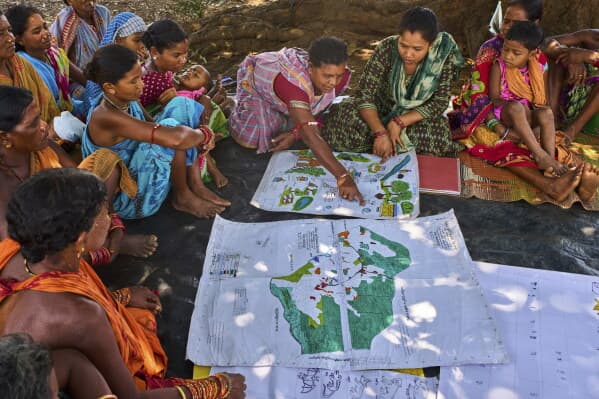
Developmental Implications: Government interventions should focus on collaboration with local communities, enhancing infrastructure, skill development, sanitation, and waste management to mitigate risks of flooding and other disasters.
UN Sustainable Development Goals: The study aligns with the 2030 agenda for achieving the United Nations Sustainable Development Goals (SDGs), emphasizing poverty eradication and climate action.
Technological Integration: The authors of the study express the potential of utilizing machine learning for analyzing satellite imagery to predict future flood risks and assess socioeconomic conditions within vulnerable populations.
Call to Action: The researchers stress the necessity for human-centric flood management policies rather than simply location-based strategies to address the needs of at-risk communities effectively.
Conclusion: The study underlines the urgent need for improved risk management strategies that prioritize the vulnerable populations living in flood-prone areas, advocating for a comprehensive approach combining local community engagement, infrastructural improvement, and socio-economic development to mitigate flood risks in the Global South.
Important Points:
- 2.3 billion people globally are exposed to flooding; 600 million at risk in India.
- Study analyzed 129 countries using data from 343 large floods.
- India houses 158 million slum dwellers in flood-prone areas.
- 33% of informal settlements in the Global South are in flood-exposed areas.
- Socioeconomic factors escalate vulnerability, highlighting the need for institutional support.
- The research aligns with the UN's SDGs, emphasizing the necessity for inclusive development.
- Machine learning is proposed for analysis and prediction of flood risks.
- Emphasis on community collaboration and human-centric approaches for disaster management.
Key Terms & Concepts
| Moody’s report | Financial analysis source |
| Ganga river | Flood-prone delta region |
| Global South | Region with high vulnerability |
| Nature Cities | Publication of the study |
| 2030 Agenda for Sustainable Development Goals | UN goals for communities |
| Mumbai | City with flood risks |
| Jakarta | City with flood risks |
| Bengaluru | City with vulnerable settlements |
| Sierra Leone | Country with informal settlements |
| Liberia | Country with informal settlements |
| Latin America | Region with urbanisation |
| Sub-Saharan Africa | Low urbanisation region |