iAspirants
Study Reveals Air Pollution Effects
Published on:
Share this post

Article Summary
The recent study published in PLoS Global Public Health reveals significant insights into the detrimental effects of air pollution, particularly fine particulate matter (PM2.5), on maternal and child health in India. The research, conducted by a multidisciplinary team from institutions in India, Thailand, Ireland, and the UK, utilized data from the National Family Health Survey (NFHS) and satellite observations to explore the correlation between ambient air quality and adverse birth outcomes. Key findings from this study are summarized as follows:
Key Findings:
Impact on Prenatal Development: Exposure to PM2.5 during pregnancy markedly increases risks of preterm births (PTB) and low birth weight (LBW) in newborns.
Statistical Data: Mothers subjected to higher PM2.5 levels have a 70% increased likelihood of delivering prematurely. The risk of having a low birth weight baby rises by 40% in similarly exposed mothers.
Geographical Disparity: Regions such as Delhi, Punjab, Haryana, Uttar Pradesh, and Bihar exhibit the highest adverse effects of air pollution, largely due to industrial activities and reliance on solid fuels for cooking.
Prevalence Rates: The study highlights that PTB rates peaked at 39% in Himachal Pradesh and 17% in Delhi, while LBW was most common in Punjab (22%) and Delhi (19%). Notably, female newborns were found to have a higher incidence of LBW (20%) compared to males (17%).
Socioeconomic Influences: Incidences of PTB and LBW were higher among children born to illiterate and economically disadvantaged mothers. Households utilizing solid fuels for cooking also reported elevated rates of these complications.
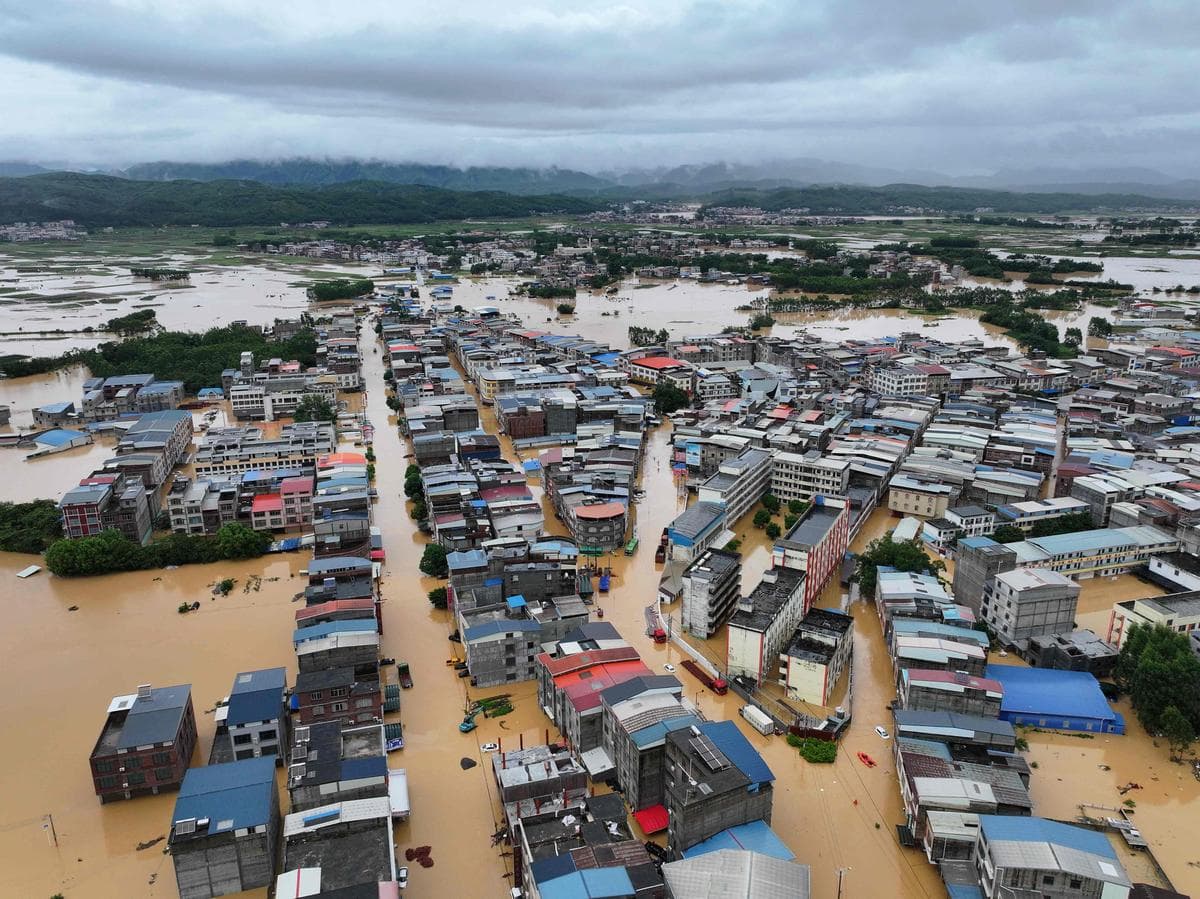
Climate and Health Interaction: The research correlates increased temperatures and erratic rainfall patterns with maternal health challenges. It notes that rising temperatures can exacerbate conditions like maternal dehydration, which negatively impacts fetal growth, while heavy rainfall can lead to waterborne infections that further threaten prenatal development.
Policy Implications:
National Clean Air Programme: While the Indian government's initiative aims to reduce particulate matter concentrations by 20% by 2024, the findings imply that current measures may be insufficient to mitigate the public health crisis stemming from air quality issues.
Recommendations for Action: The authors of the study urge for enhanced interventions targeting both outdoor and indoor air pollution. They advocate for cleaner household cooking technologies and greater access to clean energy, particularly in rural settings.
Data Integration and Health Surveillance: The study emphasizes the crucial need for integrating air quality monitoring with health surveillance systems to enable the identification of vulnerable populations and facilitate targeted public health interventions.
Localized Health Strategies: It is suggested that public health initiatives should focus on developing climate-resilient healthcare strategies that can withstand the dual challenges posed by air pollution and climate change-related extreme weather phenomena.
Conclusion:
The research underscores the urgent need for focused and multi-faceted public health strategies to combat air pollution's impacts on maternal and child health, particularly in high-risk regions of India. Ongoing improvements in air quality must be complemented by efforts to address socio-economic factors and enhance healthcare accessibility to safeguard fetal health.
Important Sentences:
- Air pollution is linked to respiratory diseases and health problems, adversely affecting birth outcomes.
- The study identifies PM2.5 exposure during pregnancy as a significant risk factor for PTB and LBW.
- Higher PM2.5 levels correlate to a 70% increase in premature deliveries and a 40% increase in low birth weight outcomes.
- Delhi and several northern Indian states are particularly affected due to industrial pollution and cooking fuel practices.
- Socioeconomic status influences the rates of PTB and LBW, with disadvantaged mothers being at a greater risk.
- The findings necessitate comprehensive interventions to reduce exposure to air pollution and improve maternal health outcomes.
- The study calls for integration of air quality data with health policies for effective risk management.
Key Terms & Concepts
| Air Pollution | Causes respiratory health issues |
| PM2.5 | Fine particulate matter causing issues |
| National Family Health Survey | Data source for health outcomes |
| Delhi | Heavily impacted region |
| Punjab | Heavily impacted region |
| Haryana | Heavily impacted region |
| Uttar Pradesh | Heavily impacted region |
| Bihar | Heavily impacted region |
| Kerala | Comparison region for PM2.5 levels |
| National Clean Air Programme | Government initiative for pollution reduction |
| Climate-resilient healthcare strategies | Proposed public health initiative |