iAspirants
Supreme Court Introduces OBC Reservation
Published on:
Share this post
Article Summary
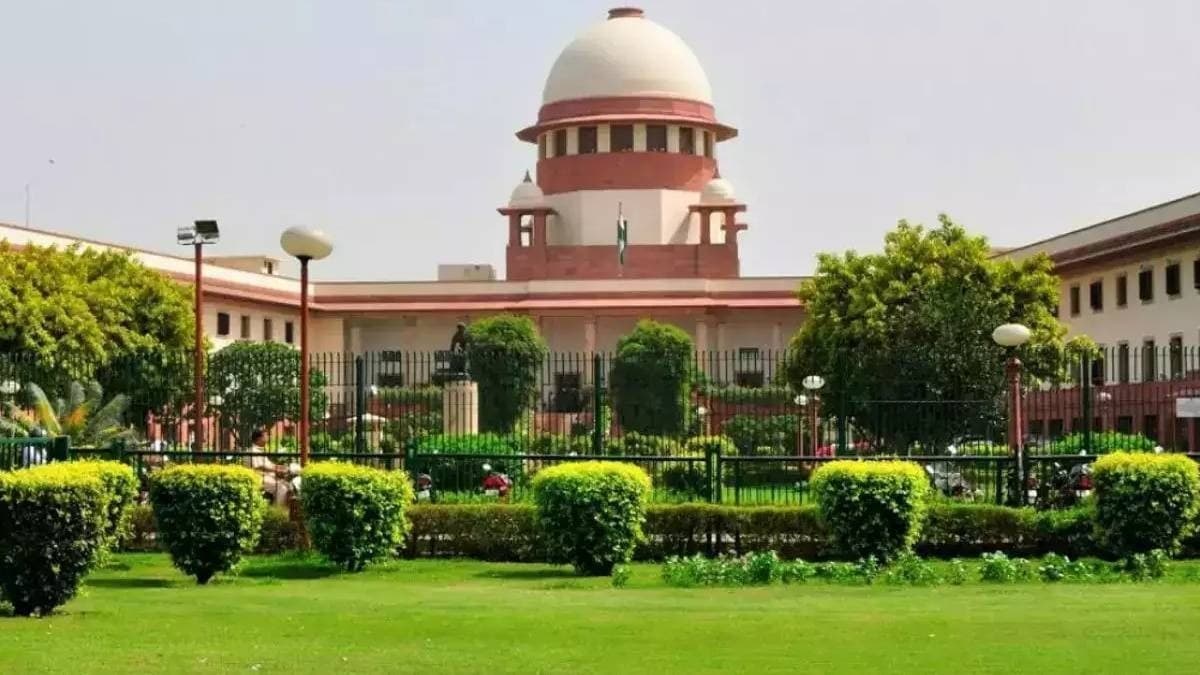
The Supreme Court of India has recently taken a significant step in enhancing the inclusivity of its workforce by introducing a reservation system for Other Backward Classes (OBCs) in staff recruitment. This decision marks a historic milestone as it establishes a defined quota for OBCs for the first time.
Key Highlights:
Introduction of OBC Reservation: The Supreme Court has implemented a reservation system for OBCs in the recruitment of its staff. This development follows the establishment of a roster that specifies quotas for Scheduled Castes (SCs) and Scheduled Tribes (STs).
Legal Framework: The Chief Justice of India enacted this provision through an amendment to Rule 4A of the Supreme Court Officers and Servants (Conditions of Service and Conduct) Rules, 1961, based on the powers granted by clause (2) of Article 146 of the Constitution of India.
Details of Amended Rule 4A: As per the revised Rule 4A, reservations for various categories—including SCs, STs, OBCs, Physically Challenged individuals, Ex-servicemen, and dependents of Freedom Fighters—will align with the guidelines provided by the Government of India. The Chief Justice holds the authority to modify these reservations as necessary.
Historical Context: Prior to this change, the rules allowed reservations for SCs and STs but did not include OBCs. This amendment is particularly notable as it occurs under the tenure of Chief Justice B R Gavai.
Legal Precedent: The establishment of the quota system for SCs/STs follows the five-judge Constitution Bench ruling in the case of R K Sabharwal vs State of Punjab (1995). This judgment established that government job reservations should be based on the number of posts available in each category (post-based) rather than the number of vacancies occurring in any given year (vacancy-based).
Implementation Guidelines: It is stipulated that the roster will ensure that positions vetted for specific categories will remain allocated even after retirement, ensuring sustained representation of the designated groups.
This legislative transformation aims to enhance the representation of OBCs within the judicial administrative framework, mirroring broader efforts throughout India's government sectors to promote social equity and inclusivity for underrepresented communities.
Summary Points:
- Supreme Court introduces OBC reservation in recruitment.
- Chief Justice of India enacted amendments to Rule 4A under Article 146.
- Reservations now applicable for SCs, STs, OBCs, Physically Challenged, Ex-servicemen, and Freedom Fighter dependents.
- Prior lack of OBC quota amended, marking a first under CJI B R Gavai.
- R K Sabharwal vs State of Punjab (1995) established a precedent for post-based reservations.
- The roster for reservations retains allocations even after retirement of the officeholder.
This amendment signifies a crucial step toward fostering diversity within the higher echelons of the Indian judiciary and public service, reinforcing the importance of inclusive practices in government employment policies.
Key Terms & Concepts
| Supreme Court | Judicial authority in India |
| Other Backward Classes | Newly included group in reservation |
| Scheduled Castes | Existing reserved category |
| Scheduled Tribes | Existing reserved category |
| Chief Justice of India | Authority amending rules |
| Rule 4A | Amended recruitment rule |
| R K Sabharwal vs State of Punjab | Landmark judgment reference |
| Government of India | Regulatory body for posts |
| B R Gavai | Current Chief Justice |