iAspirants
Supreme Court Reevaluates Senior Lawyer Criteria
Published on:
Share this post

Article Summary
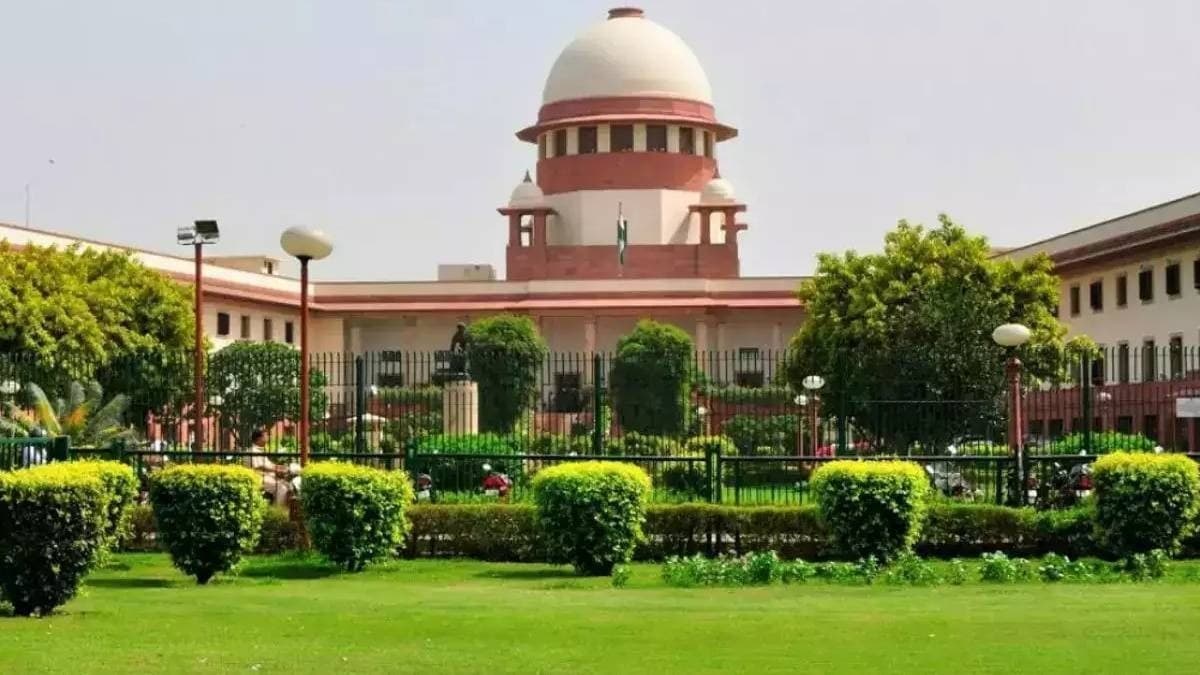
The Supreme Court of India, in the case of Jitender @ Kalla vs State (Govt.) of NCT of Delhi (2025), revisited the criteria for designating senior advocates, which has historical and systemic implications for the legal profession in India. The judgment, delivered on May 13, 2025, directed High Courts to reformulate rules regarding such designations, though it received limited attention due to misconceptions regarding its relevance.
Key highlights from the judgment and broader context include:
Judicial Inequalities: The classification of lawyers as senior advocates and advocates, established under Section 16 of the Advocates Act, 1961, fosters a division that can undermine democratic principles within the judiciary and society.
Historical Context: The legal profession was pivotal in India’s freedom struggle. Post-independence, the incorporation of the word "socialist" into the Constitution's Preamble through the 42nd Amendment on January 3, 1977, reflects India's commitment to equality.
Global Comparisons: The ruling points to international trends, particularly a report by Reuters highlighting that in the U.S., a small percentage of lawyers disproportionately impact the legal landscape, raising concerns about similar vulnerabilities in India.
Judgment Analysis:
- The Court’s earlier judgments in Indira Jaising vs Supreme Court (2017 & 2023) sought to reform the process but did not effectively address the underlying class disparities within the legal profession.
- Jitender’s ruling criticized the previous point-based assessment methods as "subjective" but maintained the application system, indicating that errors and biased considerations may still persist.
Contentious Clauses: Despite recognizing flaws in how designations are determined, the Court failed to challenge the broader legality of Section 16, implying acceptance of inherent discrimination among lawyers.
Impact of Legal Oligarchy: The existing system promotes a "legal plutocracy" where few "star lawyers" monopolize cases, sidelining a larger, deserving pool of advocates and leading to a lack of diversity in judicial decisions.
Mechanisms of Exclusion: Factors such as "homo social morphing," where judges favor advocates similar to themselves, foster inequity. This exacerbates marginalization of women and other underrepresented groups within the legal profession.
Consequences of Inequality: The current designation practices often prevent legitimate voices from being heard in litigation, making legal recourse appear as a privilege of the affluent, contrary to the tenets of equality enshrined in the Constitution.
Calls for Reformation: Legal scholars and practitioners advocate for addressing systemic disparities, underscoring that reforms should reflect the historical trajectory of the profession and contribute to the advancement of judicial integrity and democracy.
In conclusion, the Court's recent decisions have significant implications for equality and representation in the legal profession. While reforms have been directed, fundamental issues regarding class distinctions among lawyers remain inadequately addressed, potentially compromising the justice delivery system in India.
Important Points:
- Supreme Court revisited senior advocate criteria in Jitender @ Kalla vs State (2025).
- Judgment issued on May 13, 2025; High Courts to frame new rules.
- Section 16 of the Advocates Act, 1961 creates divisions in the legal profession.
- Historical context ties the legal profession to India’s freedom struggle.
- Concerns raised about the U.S. legal structure influencing Indian practices.
- Existing laws allow perpetuation of inequality and "legal plutocracy."
- Judges’ biases contribute to a lack of diversity in legal representation.
- Systematic reforms needed to ensure justice and equality in legal profession.
Key Terms & Concepts
| Supreme Court of India | Judiciary authority |
| Advocates Act, 1961 | Legal framework for lawyers |
| Jitender @ Kalla vs State (Govt.) of NCT Of Delhi | Legal case reference |
| Indira Jaising vs Supreme Court of India | Legal case reference |
| National Lawyers’ Campaign for Judicial Transparency and Reforms | Advocacy group |
| Waqf (Amendment) Act | Legislation in dispute |
| 42nd Amendment to the Constitution | Constitutional change |
| Orwellian notion | Concept of inequality |
| homo social morphing | Judicial bias concept |
| Judicial diversity | Representation in law |