iAspirants
Supreme Court Upholds Property Rights
Published on:
Share this post

Article Summary
On July 17, 2025, the Supreme Court of India delivered a significant judgment affirming the rights of legal heirs of a Scheduled Tribe woman to equal shares in her maternal grandfather's ancestral property. The ruling emphasizes the necessity of gender equality in matters of property succession.
Key points from the judgment include:
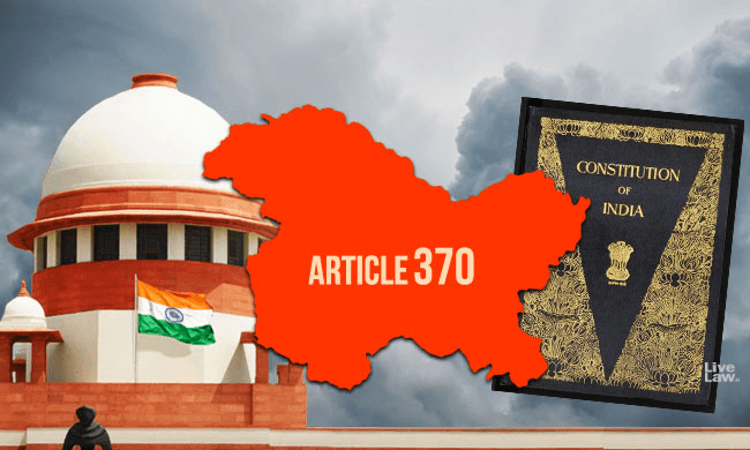
Constitutional Provisions: The Court invoked Article 15(1) of the Indian Constitution, which prohibits discrimination on grounds of religion, race, caste, sex, or place of birth, as well as Articles 38 and 46, which advocate for social and economic justice for women.
Gender Discrimination: The ruling underscores that denying women their rightful share in property perpetuates gender discrimination. The justices noted that there is no legal basis for only males to inherit property while women are excluded, particularly when no prohibitory laws exist against such inheritance.
Judicial Commentary: Justice Sanjay Karol commented that customs and traditions must evolve and cannot be utilized as barriers to deprive individuals of their legal rights. The Court stressed that reliance on outdated customs should not outweigh the constitutional guarantees provided to individuals.
Case Background: The judgment arose from an appeal by the legal heirs who sought the partition of property from their maternal grandfather. Previous lower courts had dismissed their claim on the grounds that the Hindu Succession Act did not govern Scheduled Tribes, and there was a lack of evidence to support the claim that the heirs of a woman had a right to property.
Legal Precedent: The Supreme Court’s decision sets an important precedent by reinforcing that legal rights must supersede customary practices when such practices infringe upon constitutional rights to equality and justice.
Conclusion: By allowing the appeal, the Supreme Court emphasized the necessity of equality in inheritance laws, particularly for marginalized communities, ensuring that no legal discrimination exists against women in property succession.
This ruling contributes to the ongoing discourse on gender equality in India and the interpretation of succession laws concerning Scheduled Tribes, reflecting a progressive step towards safeguarding women's rights in line with constitutional principles.
Important Sentences:
- The Supreme Court upheld the right of legal heirs of a Scheduled Tribe woman to equal shares in her maternal grandfather's ancestral property.
- Article 15(1) prohibits discrimination on any grounds, complemented by Articles 38 and 46 focusing on women’s rights.
- The court noted that denying women a share in property deepens gender discrimination.
- The judgment criticized outdated customs that deprive individuals of their legal rights.
- Previous courts had dismissed claims due to misinterpretation of the Hindu Succession Act concerning Scheduled Tribes.
- The ruling sets a precedent for gender equality in inheritance laws among marginalized communities.
Key Terms & Concepts
| Supreme Court | Judicial authority |
| Scheduled Tribe | Ethnic classification |
| Hindu Succession Act | Legal framework |
| Article 15(1) | Constitutional provision |
| Justice Sanjay Karol | Judicial pronouncement |
| Justice Joymalya Bagchi | Judicial pronouncement |