iAspirants
Supreme Court Urges Action on Leprosy Laws
Published on:
Share this post

Article Summary
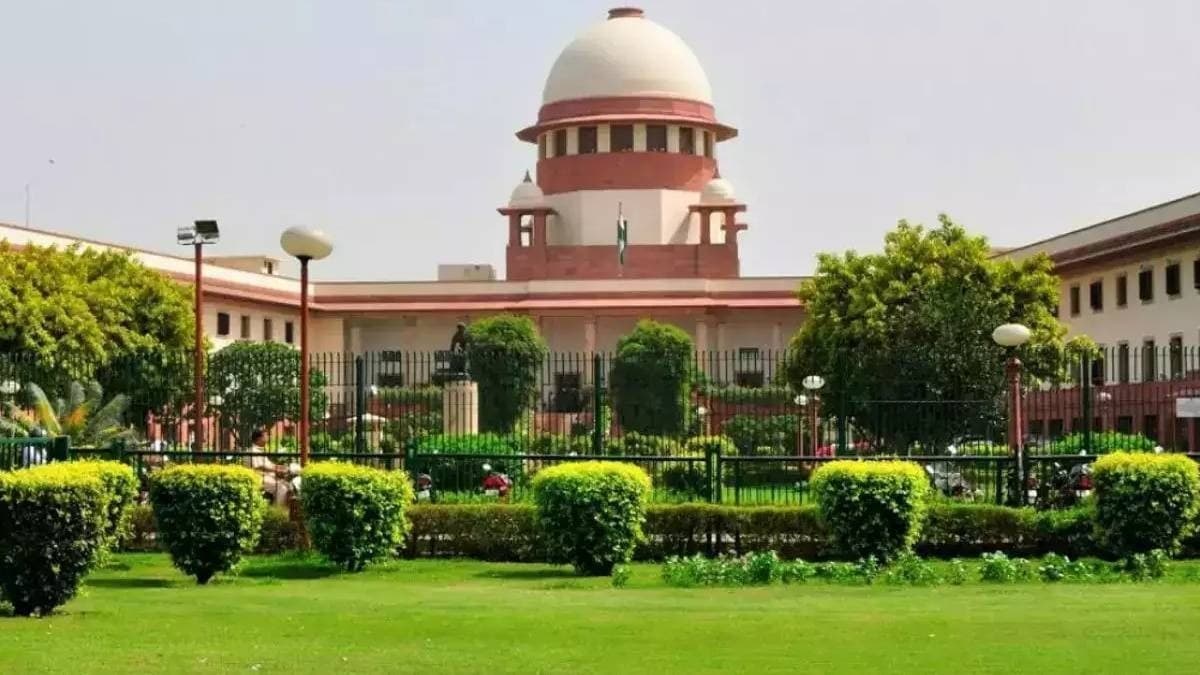
On July 30, 2025, the Supreme Court of India directed States to take immediate action to amend discriminatory laws concerning leprosy-affected individuals. This instruction came during hearings on a series of petitions, including one initiated in 2010, highlighting the existence of derogatory and demeaning provisions that violate constitutional rights.
Key Points:
Supreme Court Directive: The Supreme Court, through a bench comprising Justices Surya Kant and Joymalya Bagchi, emphasized the need for States to convene special one-day Assembly sessions or enact ordinances to rectify discriminatory laws against leprosy-affected individuals.
Background Context: The Supreme Court had previously mandated the formation of a committee to identify provisions in various laws that discriminate against leprosy-affected or cured individuals. The court was aware of more than 145 State legislations still containing such provisions.
Nature of Discrimination: The discriminatory provisions under scrutiny include prohibitions against holding elected offices and previously, leprosy was cited as grounds for divorce until the Personal Laws (Amendment) Act, 2019 made amendments, effective from February 21, 2019.
State Actions: As part of the proceedings, Uttar Pradesh reported identifying three laws ready for amendments. Similarly, representatives from Uttarakhand and Rajasthan confirmed the submission of status reports delineating corrective measures taken.
Judicial Remarks on Stigma: Justice Surya Kant expressed concern regarding societal stigma, noting the embarrassment of leprosy being previously listed as a grounds for divorce.
Reporting Obligations: The Bench instructed States yet to submit their status reports to do so by October. It also mentioned the National Human Rights Commission's involvement in the issue, permitting the Commission to submit a report with its Chairperson's consent.
Petitioner Concerns: The petitioners, including the Federation of Leprosy Organisation (FOLO) and the Vidhi Centre for Legal Policy, contended there are over a hundred discriminatory provisions impacting leprosy-affected persons across both Central and State laws, fostering stigma and indignity.
Implications:
The Court's decisions highlight the need for legislative review and reform to ensure compliance with constitutional principles of equality and non-discrimination.
The directive for immediate action urges State governments to prioritize the amendment of outdated and harmful laws that not only affect the rights of leprosy-affected individuals but also reflect broader societal attitudes towards health and disability.
The Supreme Court's proactive stance is intended to foster a more inclusive legal framework that aligns with contemporary human rights standards, thereby contributing to the overall dignity and respect of individuals affected by health conditions such as leprosy.
Key Terms & Concepts
| Supreme Court | Judicial authority leading reforms |
| National Human Rights Commission | Involved in law review |
| Uttar Pradesh | Identified discriminatory laws |
| Uttarakhand | Filed status reports |
| Rajasthan | Identified necessary actions |
| Federation of Leprosy Organisation | Petitioner advocating for rights |
| Vidhi Centre for Legal Policy | Legal think-tank involved |