iAspirants
UN Report on Climate Change Impact
Published on:
Source: The Hindu
Share this post
Article Summary
Exam-Focused Summary of UN Report on Global Warming
Key Findings and Data:
- 1.5°C Limit: Breaching this limit results in irreversible losses, highlighting significant climate action challenges.
- Projected Temperature Increases: If all countries meet current climate pledges, global warming could still reach 1.8°C; with current policies, temperatures may rise to 2.6°C.
- Greenhouse Gases Beyond CO2: The report emphasizes the need to address methane, which contributes approximately 0.5°C of current warming.
Global Initiatives:
- Global Methane Pledge: Over 155 countries have committed to reducing anthropogenic methane emissions by at least 30% below 2020 levels by 2030. Notably, India has not joined this pledge.
Challenges and Perspectives:
- Developing economies like India emphasize their shift from fossil fuels and seek financial support and technology from developed nations, which historically contributed to carbon emissions.
- The report notes a lack of focus on adaptation finance, despite its acknowledged importance in previous assessments.
International Events and Future Discussions:
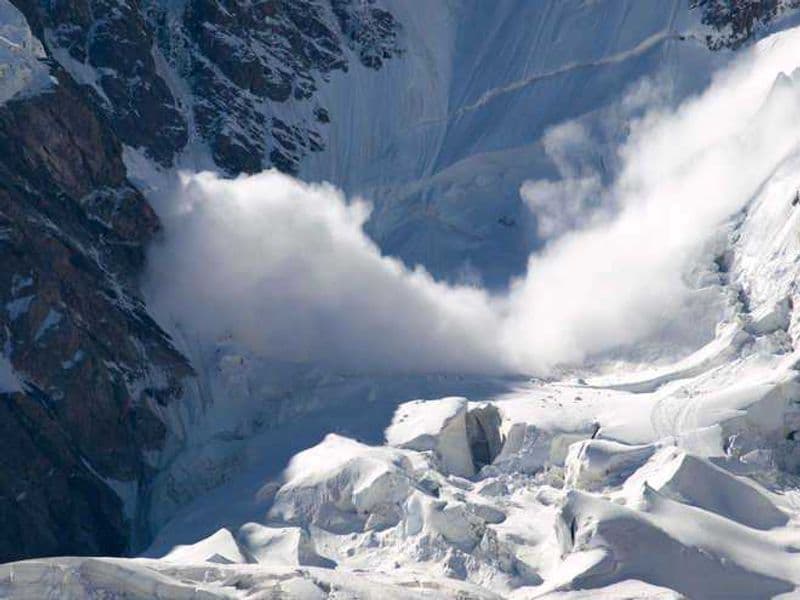
- COP31 in Türkiye: Set for November, discussions are expected to center around climate responsibilities, especially after climate-induced disasters such as the Bhotekoshi disaster in Nepal, which underline the sensitivity of smaller nations to global warming impacts.
- Statements from Nepal: Nepal's Foreign Affairs Minister highlighted the responsibility of large emitters (China, the USA, India) to address the effects of climate change on vulnerable nations.
Recommendations:
- India is urged to recalibrate its messaging and policies in light of global perceptions and the reality of operating within a 1.5°C world, recognizing its dual position as a victim of climate change and part of the emissions problem.
Additional Notes:
- The concept of an “overshoot, peak, and decline” pathway is proposed, advocating for measures that can limit the peak temperature before achieving reductions below the 1.5°C threshold by the century's end.
Constitutional References:
- Although not explicitly mentioned in the report, relevant articles may include:
- Article 21: Right to life (implying a right to a sustainable environment).
- Directive Principles of State Policy: Focus on protecting and improving the environment (Article 48A).
Conclusion:
The report serves as a critical reminder of the pressing global climate crisis, advocating for immediate action and collaboration among nations to mitigate the effects of global warming and support developing nations vulnerable to climate change impacts.
Key Terms & Concepts
| 1.5°C global warming limit | critical threshold for climate impact |
| 1.8°C and 2.6°C projections | potential future temperature increase |
| Global Methane Pledge | commitment to reduce methane levels |
| 30% reduction by 2030 | target for methane emission cut |
| COP31 in Türkiye | upcoming climate conference |
| Bhotekoshi disaster in Nepal | recent climate-related impact |
| historical carbon stocks | context for developing economies |
| Greenhouse gases beyond CO2 | new focus for climate action |
| adaptation finance | financial support for climate action |