iAspirants
Urban India Faces Monsoon Challenges
Published on:
Share this post

Article Summary
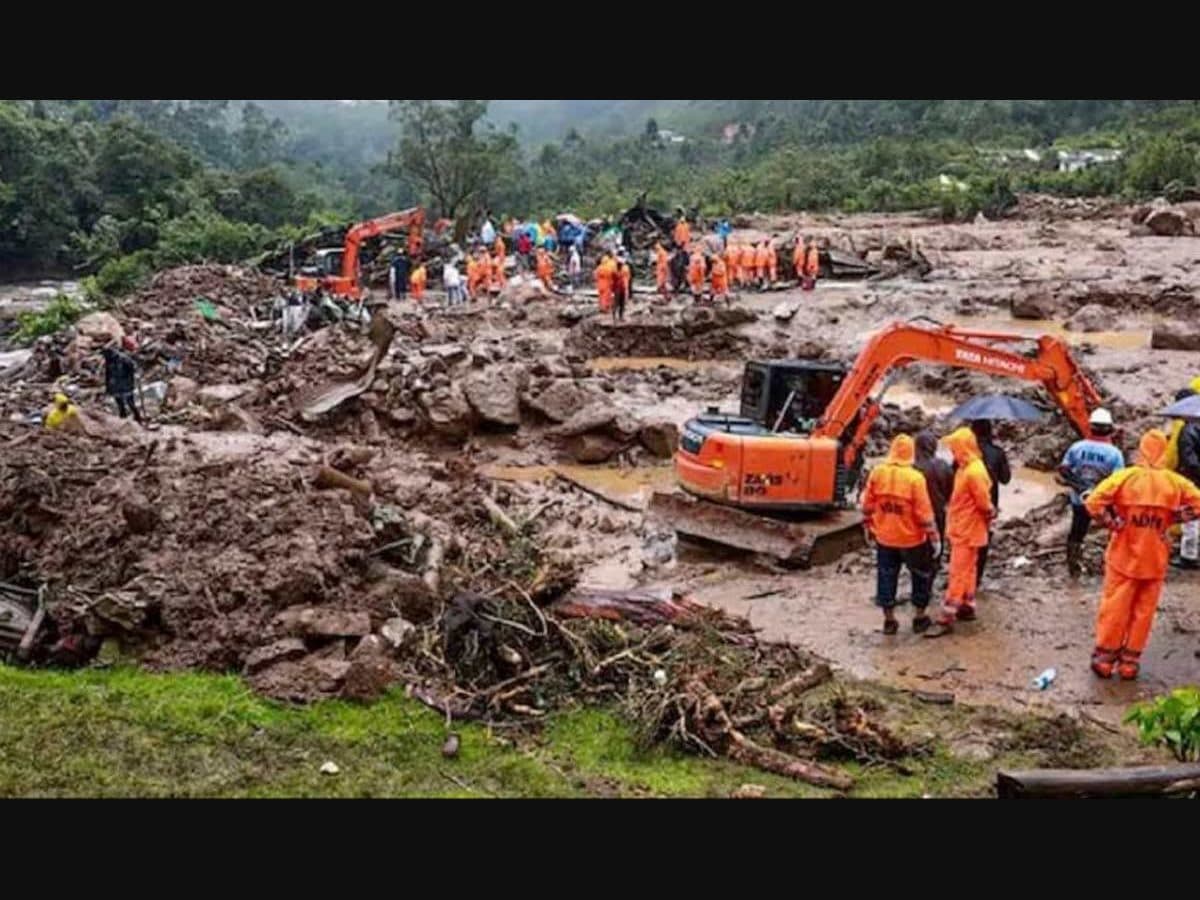
Increased Intensity of Rainfall: Northern States of India, including Punjab, Delhi, Gurugram, and parts of Uttarakhand and Himachal Pradesh, faced severe flooding due to increased intensity and frequency of rainfall attributed to climate change.
Rainfall Statistics: In May, Mumbai recorded 135.4 mm of rain in 24 hours, while Delhi recorded 81 mm within hours, indicating inadequate preparedness for sudden, intense rainfall. An analysis revealed approximately 64% of Indian tehsils experience a rise in heavy rainfall events by 1-15 days.
Economic Impact of Floods: Recent flooding events have led to direct damages amounting to ₹8,700 crore, highlighting the significant economic toll on communities and urban infrastructure.
IDF Curves Analysis: Historical analysis from 1970 to 2021 indicates that in places like Thane, one-hour rainfall rates have substantially increased, with occurrences of heavy rainfall in shorter time frames creating challenges in urban planning and disaster management.
Recommendations for Urban Preparedness:
- Sub-daily Rainfall Analysis: Municipalities are encouraged to integrate real-time data on short-duration, high-intensity rainfall into infrastructure design and urban planning to improve disaster readiness.
- Coordination of Sanitation and Drain Management: Enhanced inter-departmental coordination for stormwater management and waste collection during monsoon seasons can mitigate flooding; specific strategies employed in Vijayawada show positive outcomes.
- Regular Updates of IDF Curves: City planners should revise their Intensity, Duration, Frequency curves every 5-10 years to ensure urban drainage systems are equipped to handle contemporary rainfall patterns.
Actionable Initiatives: The Brihanmumbai Municipal Corporation (BMC) is set to widen drains for improved capacity and is revising its drainage master plans in response to changing patterns of rainfall.
Future Preparedness: Cities need to shift their preparedness protocols from a fixed monsoon calendar to a more adaptable framework that reflects the realities of changing rainfall patterns, aiming to bridge the gap between the historical data and current trends in climate behavior.
Key Terms & Concepts
| Punjab | Affected by flooding |
| Delhi | Inundated by rains |
| Gurugram | Inundated by rains |
| Uttarakhand | Experiencing cloudbursts |
| Himachal Pradesh | Experiencing cloudbursts |
| Kolkata | Facing torrential rains |
| Mumbai | Recorded 135.4 mm rainfall |
| Brihanmumbai Municipal Corporation (BMC) | Widening drains for rainfall |
| Council on Energy, Environment and Water (CEEW) | Conducting rainfall analysis |
| India Meteorological Department | Providing rainfall alerts |
| Intense rainfall | Increased flooding risk |
| Flood damage | Single incidents cause ₹8,700 crore loss |
| IDF curves |