iAspirants
US-China Relations Impacting Global Order
Published on:
Source: Indian Express
Share this post
Article Summary
Exam-Focused Notes
US-China Relations and Global Geopolitics:
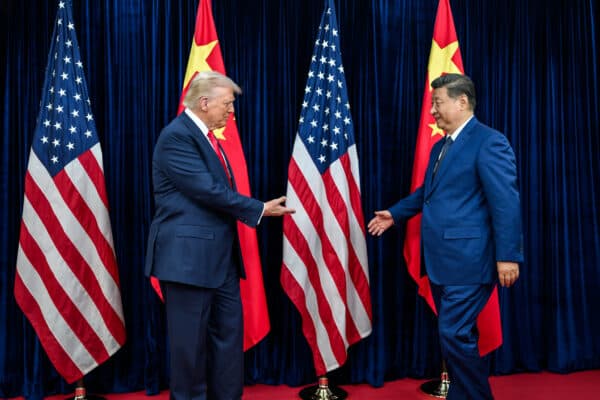
- Rapprochement: In 2026, US President Donald Trump and Chinese President engaged in two meetings focusing on reshaping geopolitics and geoeconomics, potentially impacting global order.
- Containment Strategy Pause: The US has paused its containment strategy towards China, recognizing the mutual interest in addressing global disruptions and economic decoupling.
India's Strategic Position:
- Thucydides Trap: Concept invoked by Xi Jinping illustrating the tensions between established and rising powers, posing challenges for India and the Global South.
- India's Geopolitical Challenges: India is facing territorial integrity issues due to Chinese violations and economic dependencies, with a trade deficit with China reaching $100 billion.
US Policy Implications for India:
- 2025 National Security Doctrine: Suggests a declining strategic salience of India in US foreign policy, prioritizing relationships with the Philippines and other partners over India.
- Economic and Strategic Concessions: The BJP government has committed to purchasing $500 billion worth of US goods and restructuring India’s AI/digital infrastructure to align with US standards, raising concerns over India's sovereignty and independence.
Indian Government Strategy and Criticism:
- Foreign Policy Analysis: The current administration, led by BJP, is critiqued for aligning too closely with US interests, leading to questions about India’s sovereignty and strategic autonomy.
- International Partnerships: India is increasingly strengthening Indo-Pacific partnerships, seen as necessary geopolitical insurance against Sino-American tensions.
Domestic Governance and Economic Policy:
- Economic Strategy: Calls for India to recalibrate economic, industrial, and investment policies as instruments of statecraft to enhance its global standing and reassert strategic autonomy.
- Governance Challenges: Criticism of Indian governance includes inefficiencies in global trade and finance, lack of innovation in strategic sectors, and a political approach that hinders constructive foreign policy.
Path Forward for India:
- Bilateral Relationships: Emphasis on deepening bilateral ties to create a value-aligned global community and enhance India's voice in international forums.
- Industrial Resilience: Advocates for building a robust industrial base, improving governance, Cohesive federal leadership, and enhancing the quality of life across India.
Strategic Vision Requirements:
- Leadership Needs: The need for mature leadership and a clear strategic vision to navigate complex global dynamics and reclaim India's role as a significant player on the world stage.
Conclusion
- India must adopt a multi-faceted approach in its foreign policy and governance strategies to transition from a semi-peripheral status to achieving great-power status while ensuring sovereignty and national interests are prioritized. This requires effective engagement with both global powers and a comprehensive internal policy framework to foster growth and stability.
Key Terms & Concepts
| 2025 National Security Doctrine | Defines US strategic priorities |
| $500 billion | India's commitment to US goods |
| $100 billion | China-India trade deficit |
| Nuclear Suppliers Group | India's membership bid |
| Indo-Pacific partnerships | Geopolitical insurance for India |
| Thucydides Trap | Describes power dynamics risk |
| AI/digital infrastructure | Restructuring for US-led stack |
| BJP | Current ruling party in India |
| Indian Ocean Region | Area of strategic interest |
| Global South | Context for India’s position |