iAspirants
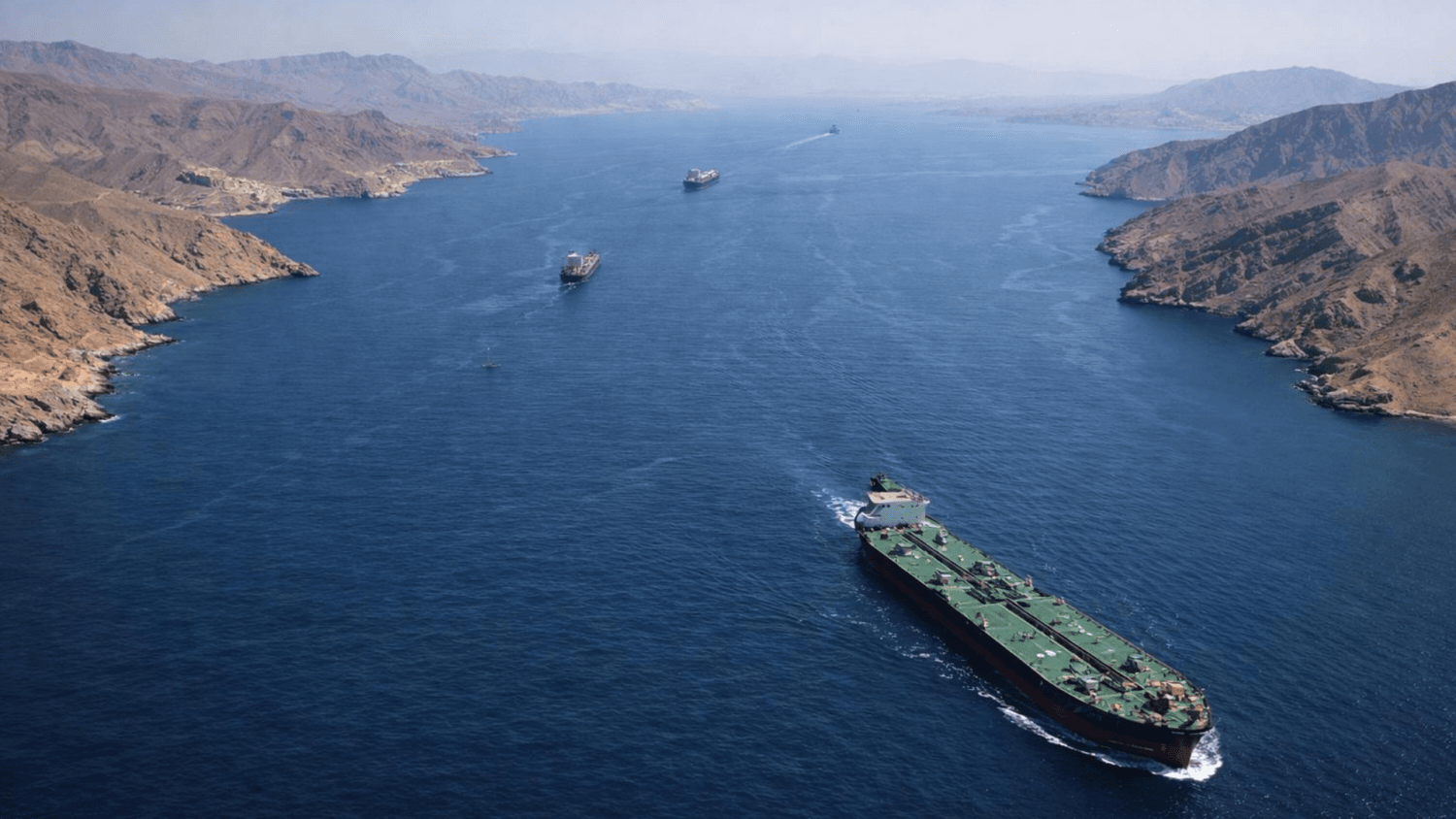
US-Iran Tensions Escalate Over Hormuz
Published on:
Source: Indian Express
Share this post
Article Summary
Summary of Key Developments: US-Iran Tensions
International Relations and Security:
- The standoff between the United States and Iran intensified over recent military and diplomatic engagements, particularly concerning the Strait of Hormuz, a critical maritime route for oil exports.
- Iran claimed to have seized a second U.S. underwater drone, the Mk 18 Mod 2 Kingfish, asserting control over the region and maintaining that the strait remains closed until U.S. economic pressures are lifted.
- U.S. officials described Iran’s claims as desperate maneuvering, emphasizing that the U.S. maintains control over its drone fleet.
Economic Impact:
- Oil prices saw a rebound of over 1%, with Brent crude futures rising to $105.64 per barrel as geopolitical tensions persisted.
- Crude oil exports from key Middle Eastern producers broke records in September, achieving 12.8 million barrels per day, largely due to increased shipments from Saudi Arabia and the UAE, despite a decrease of about 6 million bpd compared to pre-conflict levels in February.
Diplomatic Developments:
- President Donald Trump rejected an Iranian proposal for a seven-day ceasefire and sanctions relief, reflecting concerns regarding Iran’s commitment to diplomatic negotiations.
- Iran's Foreign Minister, Abbas Araghchi, suggested that Tehran is prepared for war but is also open to diplomatic solutions, urging negotiations to reset relations.
- The U.S. Ambassador to the UN, Mike Waltz, criticized Iran’s proposal as a “cynical attempt” to gain sanctions relief while announcing intentions to continue diplomatic talks amid rising tensions.
Judicial and National Security Issues:
- UK law enforcement is investigating a foiled plot allegedly linked to Iran involving charges of terrorism and explosives near a UK airbase used for strikes against Iran.
Military Engagements and Operations:
- Reports indicated the deaths of four Iranian drone and missile specialists in Yemen’s Taiz province during operations against Houthi forces, adding an additional layer to the ongoing regional conflicts.
Regional Maritime Security:
- The Joint Maritime Information Centre reported stable traffic flows in the Gulf of Oman and Strait of Hormuz, although concerns about Iranian military activities, including drone overflights and surveillance near merchant shipping lanes, persisted.
- Recent data revealed reduced commercial traffic through the Strait compared to historical averages of approximately 30 vessel transits per day.
Strategic Context:
- The tensions revolve around critical issues such as sanctions against Iran regarding its nuclear program, military presence in the region, and the capabilities of both nations' armed forces.
- The situation remains fluid, with further developments expected in diplomatic engagements and military actions potentially redefining U.S.-Iran relations.
This conflict highlights broader themes of international diplomacy, economic dependencies on oil exports, and the intricate balance of military power in the Middle East.
Conclusion:
The evolving dynamics of U.S.-Iran relations underscore the importance of diplomatic channels amidst military posturing and the potential global economic repercussions stemming from tensions in strategic maritime regions.
Key Terms & Concepts
| Strait of Hormuz | Vital shipping route |
| IRGC (Islamic Revolutionary Guard Corps) | Seizing US underwater drones |
| Brent crude futures | Oil price benchmark |
| US-Israeli war with Iran | Ongoing conflict context |
| Kpler | Oil export data provider |
| 7.4 million bpd | Projected oil exports |
| $105.64 a barrel | Brent crude oil price |
| Qatari mediators | Facilitators in negotiations |
| UN General Assembly | International diplomatic platform |
| Oil exports from Middle East | 12.8 million barrels a day |