iAspirants
Current AffairsPrelims PYQsUPSC CSE SyllabusUPSC CSE StrategyBlogsPricing
Login
iAspirants
Current AffairsPrelims PYQsUPSC CSE SyllabusUPSC CSE StrategyBlogsPricingContact UsLoginSignUp
iAspirants

Your AI-powered companion for UPSC preparation.

Study Resources

  • Current Affairs
  • Prelims PYQs
  • UPSC CSE Syllabus
  • UPSC CSE Strategy
  • Blogs

Practice & Plans

  • Mains Answer Evaluation
  • Pricing
  • Sign Up
  • Login

Company

  • Home
  • About Us
  • Contact Us
  • FAQs

Legal

  • Privacy Policy
  • Terms & Conditions
  • Return Policy

© 2026 iAspirants, Inc. All rights reserved.

  1. Blogs
  2. International Relations

US Tariffs Impact on India's Trade

Published on: 26-Nov-2026

Source: Indian Express

Share this post
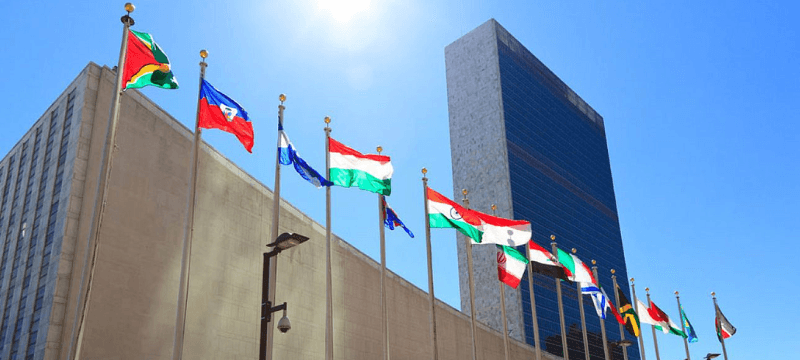
US Tariffs Impact on India's Trade

Article Summary

Summary of Key Points: US-India Trade Relations and Economic Indicators

  1. US Section 301 Investigations:

    • The United States Trade Representative (USTR) proposed 25% tariffs on Indian imports following two Section 301 investigations concerning structural excess capacity in manufacturing sectors.
    • The investigations initiated by the USTR label conditions under which government policies lead to "structural excess capacity,” allowing for tariff imposition on imports.
  2. India's Response:

    • India's Commerce and Industry Ministry refuted claims of overcapacity in any sector, emphasizing that trade concerns should be discussed within the framework of ongoing negotiations for a Bilateral Trade Agreement with the US.
  3. Bilateral Trade Agreement:

    • India remains committed to concluding the India-US Bilateral Trade Agreement, aiming for a resolution through constructive engagement regarding trade-related issues.
  4. Trade Policies and Initiatives:

    • USTR found that India engages in acts and policies such as:
      • Make in India: Promoting domestic manufacturing.
      • Production Linked Incentives (PLI): Offering financial incentives for incremental sales.
      • Atmanirbhar Bharat (Self-Reliant India): Focus on self-sufficiency in key sectors.
    • India’s manufacturing sector plays a crucial role, accounting for 12.0% of employment in 2024.
  5. Economic Indicators:

    • India's manufacturing sector contributed approximately 13.5% to GDP over the past five years.
    • Comparative analysis of manufacturing sectors:
      • India: 13.1% - 14.4% of GDP.
      • United States: 9% - 10% from 2020 - 2025.
      • OECD average: 13% in 2021.
  6. Trade Balances:

    • India recorded a global trade deficit of $309 billion in 2025, enhancing from $241 billion in 2023.
    • Notably, India enjoyed a growing bilateral trade surplus with the United States:
      • $42.5 billion in 2023
      • $45.2 billion in 2024
      • $57.3 billion in 2025
  7. Forced Labor Tariff Proposal:

    • The USTR also proposed a 10% tariff on imports from India linked to the use of forced labor, where forced labor is defined as work undertaken under threat of penalty for non-performance, lacking voluntary consent from workers.
  8. Implications for Indian Manufacturing:

    • The emphasis on addressing manufacturing capacity and compliance with international trade standards signifies significant scrutiny on India's economic practices, requiring reforms to avoid tariff imposition.

In summary, the evolving trade negotiations between India and the U.S., amidst investigations and proposed tariffs, underscore the ongoing assessment of India's manufacturing capabilities and its impact on global trade dynamics. The emphasis on structural adjustments and compliance standards may steer future policy directions in India's trade agreements.

Key Terms & Concepts

United States Trade RepresentativeProposed tariffs on India
Section 301 investigationsTariff investigations process
Bilateral Trade AgreementCurrent trade negotiations
Make in IndiaManufacturing promotion initiative
Production Linked Incentives (PLI)Incentives for manufacturing growth
Atmanirbhar BharatSelf-reliance initiative
India Brand Equity Foundation (IBEF)Brand promotion for exports
India's manufacturing sectorMajor contributor to GDP
12% of employmentManufacturing employment share
Current account balancesEconomic performance measure
$309 billion trade deficitOverall global trade status
$57.3 billion trade surplusSurplus with the US in 2025

Mind Map for UPSC Civil Services Revision

Turn UPSC Civil Services Current Affairs Into Exam-Ready Notes

Reading International Relations current affairs is half the work. Revise them with ready-made notes and test what actually stuck.

  • Daily UPSC Civil Services current affairs analysis
  • Revision notes, mind maps & MCQs
  • Prelims mock tests with instant results

Related UPSC Civil Services Current Affairs Articles

Nvidia's Leadership Crisis and AI Industry
National and International Importance26-Nov-2026

Nvidia's Leadership Crisis and AI Industry

Exam-Focused Summary of Nvidia Leadership Crisis and AI Market Impact

Corporate Governance and Leadership

  • Jensen Huang, CEO of Nvidia, faced a brief resignation on November 12, later reinstated within 11 days.
  • Allegations against Huang included misleading the board regarding his relationship with Alice Huang, an executive linked to Megaspeed, a company under scrutiny for potential espionage tied to US-China relations.
13.1% to 14.4% of GDPManufacturing GDP share range
OECD averageManufacturing size comparison
Practise Mains answer writingUpload a handwritten answer and get it evaluated

Economic Impact and Market Analysis

  • Nvidia's stock fell 14.35% after the resignation announcement, briefly erasing around $600 billion in market value.
  • A key industry analyst, Dan Ives from Wedbush, estimated incremental price adjustments: $225 per share without Huang, $300 with him due to his significant influence.
  • Nvidia’s revenue surged to $115.8 billion, reflecting a 103% year-on-year increase, with guidance predicting revenue of $130 billion for the following quarter.

AI Investment and Industry Position

  • Nvidia committed over $40 billion towards AI equity investments within the first four months of 2026, including $30 billion specifically invested in OpenAI.
  • Fear among investors was primarily about a financing unwind rather than lower chip sales, impacting companies like CoreWeave, Nebius, and IREN adversely.

Data Center Growth in India

  • India has seen a rise in data center capacity from 375 megawatts in 2020 to 1.57 gigawatts in 2026, with significant dependence on Nvidia's GPUs for operations.
  • The IndiaAI Mission and various Indian startups are increasingly reliant on the infrastructure and technology provided by Nvidia.

National Security and International Relations

  • The Department of Justice (DOJ) is conducting a criminal investigation into Megaspeed concerning potential national security risks.
  • Reinstatement was influenced by advocacy from influential figures such as Elon Musk, and the backing of the US government, emphasizing Nvidia chips' strategic importance in technological competitiveness against China.

Regulatory and Investigative Actions

  • The California Department of Justice continues its investigation, while three US House committees plan hearings in December to examine the situation further.
  • The governance and potential unaddressed lapses in corporate responsibility contrast with the urgency to maintain strong leadership during critical competitive periods in AI.

Conclusion

The reinstatement of Huang underscores the complex interplay between corporate governance, market confidence, and national security considerations, particularly in sectors critical to US technological leadership. As investigations proceed, the future of Nvidia's leadership remains closely tied to both market performance and governmental oversight.

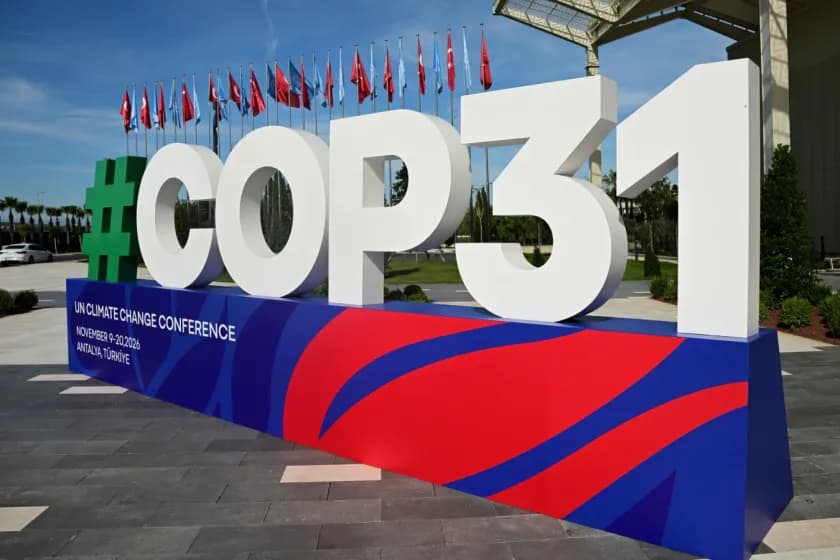
COP31 Ends in Deadlock on Climate
International Relations25-Nov-2026

COP31 Ends in Deadlock on Climate

UN Climate Change Conference (COP31) Summary Notes

Conference Overview:

  • The 31st Conference of the Parties (COP31) to the UN Framework Convention on Climate Change (UNFCCC) was held in Antalya, Turkey.
  • Dubbed as the “Implementation COP,” the conference aimed to transition climate commitments into actionable strategies.
  • The conference extended negotiations for over 40 hours past the November 20 deadline, ultimately ending in a deadlock.

Key Issues:

  • Negotiation Deadlock:

    • Influential negotiating blocs, particularly Saudi Arabia and oil-producing nations, opposed commitments to shift away from fossil fuels.
    • The European Union (EU) failed to provide adequate financial support commitments for developing countries, which complicated negotiations.
  • Adaptation Finance:

    • A notable development was the removal of a proposed annual adaptation finance target of $120 billion from the final draft, reflecting ongoing challenges between developed and developing countries regarding climate funds.

Historical Context:

  • COP31 marks a continuation of previous negotiation breakdowns, such as COP6 in The Hague (2000) and COP15 in Copenhagen (2009).
  • The breakdown post-COP15 delayed the creation of the Paris Agreement, ultimately approved in 2015, illuminating the risks of inaction.

Current Climate Situation:

  • The Paris Agreement aims to limit global warming to 1.5 degrees Celsius above pre-industrial levels, a target increasingly seen as unattainable without immediate action.
  • Increasingly severe extreme weather events highlight the urgent need for a global response to climate change.

Looking Ahead:

  • COP32 will be hosted in Addis Ababa, Ethiopia. The challenge lies in achieving action-oriented climate commitments while adhering to UNFCCC principles.

India's Role:

  • India emphasized the importance of developed nations fulfilling their climate financing obligations.
  • The country positioned itself as willing to collaborate for outcomes that balance climate ambition with developmental priorities.
  • India has exceeded its Paris Agreement clean energy commitments ahead of schedule and intends to align development efforts with decarbonization goals.
  • This approach aims to enhance India’s global competitiveness and energy security, while presenting a nuanced climate diplomacy in contrast to more obstructive petroleum-reliant nations.

Conclusion:

  • Stakeholders at COP31 have reiterated the need for immediate action to mitigate climate change impacts, with significant dependencies on financial commitments and participation from developed nations being crucial to achieving the UNFCCC’s long-term objectives.
India's Role in Global Civilisational Dialogue
International Relations25-Nov-2026

India's Role in Global Civilisational Dialogue

Exam-Focused Notes on the SCO Civilisational Dialogue Forum

Importance of Civilisational Dialogue

  • The SCO Civilisational Dialogue Forum, held in New Delhi, emphasizes the value of cultural exchange and India's role in fostering international cooperation through shared heritage and philosophies.
  • India is positioning itself not only as a nation but as a civilisation with a significant historical impact on global intellectual and spiritual journeys.

Prime Minister's Vision

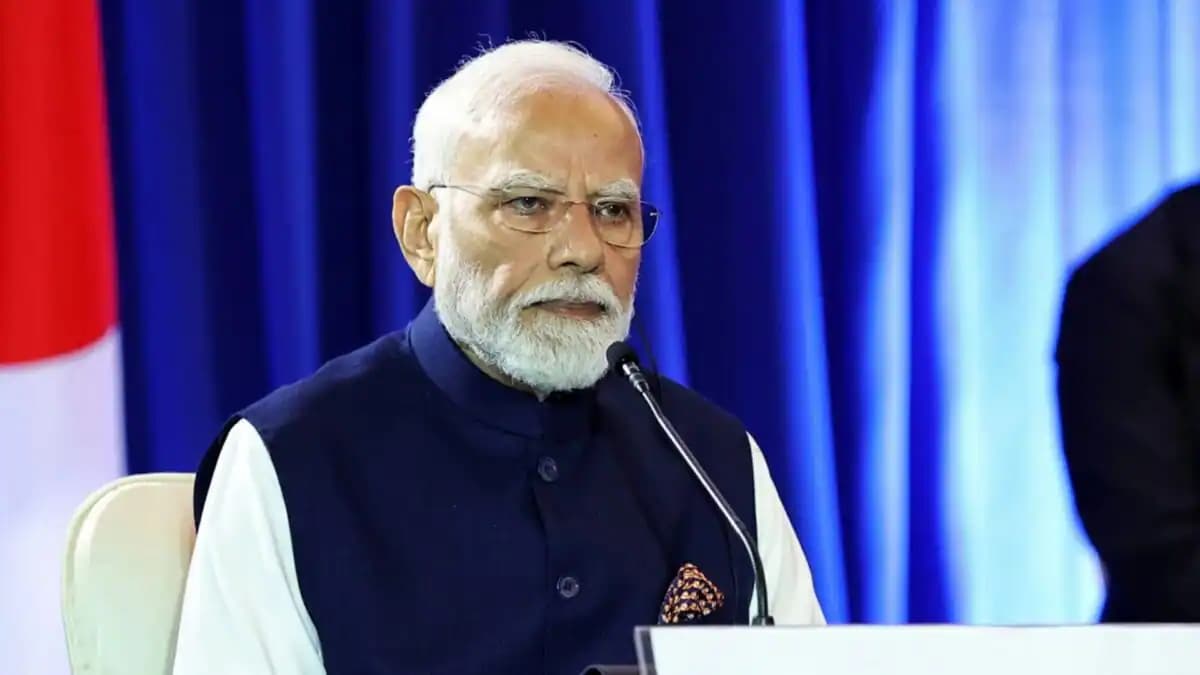
  • Prime Minister Narendra Modi's principle of "vasudhaiva kutumbakam" (the world is one family) integrates ancient Indian philosophies into contemporary global discourse.
  • The Indraprastha Communiqué aims to cultivate practical frameworks for sustained cultural engagement among SCO countries.

Framework for Cooperation

  • The Forum initiated collaboration on:
    • UNESCO nominations and joint cultural projects.
    • Manuscript preservation and creation of .
India-Nepal Train Service Launched
International Relations25-Nov-2026

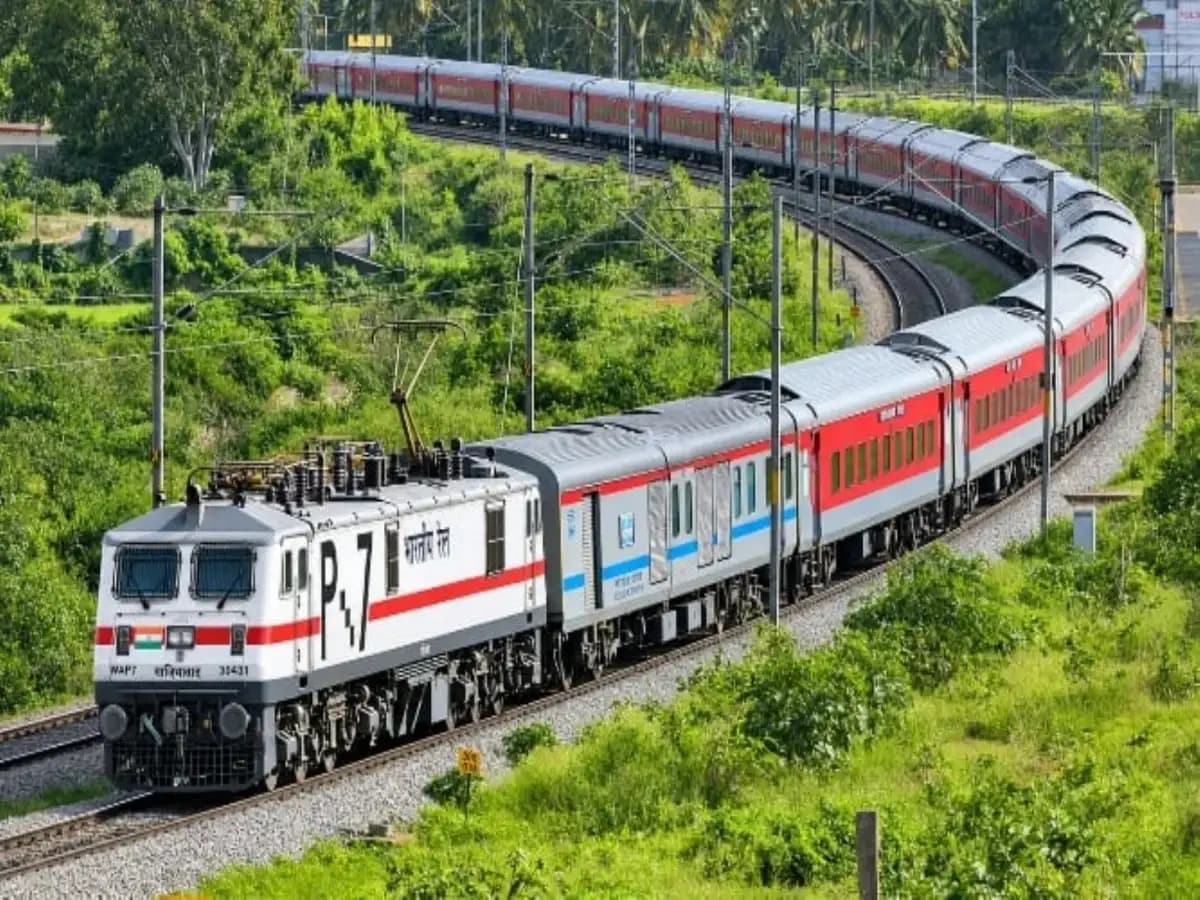
India-Nepal Train Service Launched

  • Inauguration of Train Service: The Sarayu-Kamala Express, inaugurated by PM Narendra Modi and Nepali PM Balendra Shah, links Ayodhya (India) and Janakpur (Nepal), covering over 600 km in approximately 19 hours, with several stops including Gorakhpur and Raxaul.

  • Cultural Significance: The train service strengthens cross-border connectivity, facilitating pilgrimage between significant Hindu sites—Ayodhya (Ram) and Janakpur (Sita). In 2025, approximately 30 crore pilgrims visited Ayodhya.

  • Railway Connectivity Projects: This initiative is part of the broader India Railways project, which includes the Ramayana, Buddhist, and Shiv-Shakti circuits. Key rail projects involving India and Nepal include:

    • Jaynagar-Bijalpura-Bardibas
    • Jogbani-Biratnagar
    • Raxaul-Kathmandu (an electrified broad-gauge railway line)
  • Collaboration and Capacity Building: Indian Railways is collaborating with Nepal on the development of the East-West Railway and has trained Nepal Railway personnel at Gatishakti Vishwavidyalaya.

ICJ Ruling on Myanmar Genocide Case
International Relations24-Nov-2026

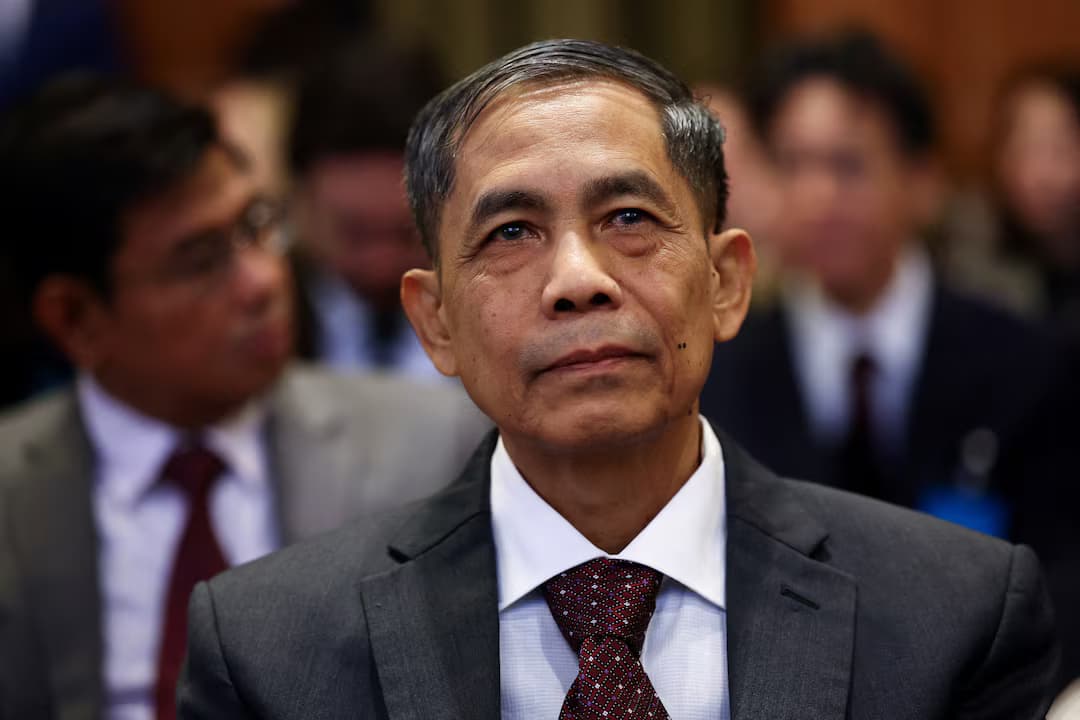
ICJ Ruling on Myanmar Genocide Case

International Court of Justice (ICJ) Judgment Summary - The Gambia v. Myanmar

Key Facts and Findings:

  • Date of Judgment: November 19, 2022.
  • Case: The Gambia v. Myanmar.
  • Subject: Genocide against the Rohingya population during military operations in Rakhine State, 2017.
  • Judgment: Myanmar found responsible for committing genocide and breaching obligations to prevent and punish genocide.

Genocide Details:

  • Estimated 10,000 Rohingya killed.
  • Incidents of sexual violence, attacks on children, and destruction of villages reported.
  • Over 700,000 Rohingya fled to Bangladesh due to violence and persecution.

Legal Implications:

  • First explicit finding of state responsibility for genocide by the ICJ.
  • The ruling emphasizes Myanmar’s violation of a January 2020 provisional measures order regarding evidence preservation.
  • The Gambia's standing recognized, allowing any state party to invoke the Genocide Convention for collective interests (erga omnes partes).

Jurisprudence Development:

  • Clarifies requirements for establishing specific genocidal intent under Article II of the Genocide Convention, which includes proof of harmful acts with intent to destroy a protected group.
  • Recognizes that genocidal intent may coexist with other motives and is not precluded by military objectives or armed conflict.

Broader Context:

  • The judgment can inform ongoing proceedings, such as South Africa's case against Israel for alleged genocide against Palestinians in Gaza, particularly regarding the evaluation of genocidal intent and military conduct.

Challenges Ahead:

  • Despite the verdict, the Rohingya's struggle for justice continues.
  • Repatriation requires restored citizenship, security, freedom of movement, and protection from future persecution.
  • Orders for investigation and accountability face significant implementation challenges without an independent enforcement mechanism.
  • The effectiveness of the ruling hinges on state compliance and possible United Nations Security Council (UNSC) action.

Conclusion:

  • The ICJ ruling may serve as a pivotal moment in international law, contingent on the universal application of its principles to achieve meaningful accountability for genocide.

Additional Notes:

  • The court's decision marks a critical juncture in international human rights law and the responsibilities of states under the Genocide Convention. International community actions will be crucial in translating legal findings into tangible support for the affected populations.
digital repositories
  • Institutional partnerships and exchanges amongst scholars and artists.
  • India's Cultural Leadership Objectives

    • Transitioning from being recognized for its rich heritage to being a leader in global cultural discourse.
    • Aspirations include:
      • Strengthening the cultural and creative economy through heritage tourism, traditional crafts, and cultural entrepreneurship.
      • Building partnerships with global universities, museums, and cultural institutions.

    Economic and Technological Ambitions

    • Complementing the Viksit Bharat 2047 initiative, which envisions an economically strong, technologically advanced, and globally influential India.
    • Cultural confidence is linked to economic development, with opportunities arising from innovations in creative industries.

    Future Engagement and Collaboration

    • Promoting exchanges among young scholars, artists, and cultural entrepreneurs to foster cross-national relationships.
    • Leveraging digital platforms for broader access to shared cultural resources, enhancing global engagement and cooperation.

    Historical Context and Global Influence

    • Historical ties among SCO countries based on intellectual exchange and cultural influences facilitate deeper cooperation.

    Conclusion

    • Emphasizes the necessity for civilizational dialogue to overcome historical differences, promote dignity, and utilize shared heritage for collective strength.

    This summary encapsulates the significant aspects of the Forum and its implications for India's cultural and international positioning.

    Cross-Border Railway Expansion: India also seeks to enhance rail connections with Bhutan, announcing two projects:

    • Kokrajhar (Assam) to Gelephu (Bhutan) - 69 km, costing ₹3,456 crore
    • Banarhat (West Bengal) to Samtse (Bhutan) - 20 km, costing ₹577 crore
  • Suspensions and Strategic Interests:

    • Maitree and Bandhan Express to Bangladesh were suspended due to unrest in 2024.
    • Samjhauta and Thar Express services to Pakistan were suspended in August 2019 following the abrogation of Article 370, which removed the special status of Jammu & Kashmir.
  • Future Plans: India plans to establish a railway link to Myanmar, with the Jiribam-Imphal section (125 km) under construction, yet to begin the remaining segment from Imphal to Moreh and Tamu to Kalay (128 km) in Myanmar.

  • This comprehensive approach to strengthening railway connections not only enhances trade and tourism but also fosters deeper cultural and spiritual ties between India and its neighbors.