iAspirants
Xi Jinping's Upcoming Washington Visit
Published on:
Share this post

Article Summary
Exam-Focused Notes on US-China Relations and Key Meeting Highlights
1. Background on the Meeting:
- Visit Details: Chinese President Xi Jinping is set to meet with US President Donald Trump for a state visit in Washington, D.C. on September 23, 2026, marking ten years since their last meeting in the US.
- Context: Relations between the US and China have been characterized by tariff wars and tensions, notably influenced by ongoing global conflicts in Europe and Asia.
2. Economic Overview:
- GDP Figures:
- United States: $32 trillion
- China: $20 trillion
- Germany: ~$5 trillion (third position)
- Trade Dynamics: The meeting focuses on tariffs and trade, especially as bilateral negotiations have unfolded amidst a backdrop of escalating tariffs and related economic strategies.
3. Tariff and Trade Issues:
- Historical Context: The trade conflict began in 2025, resulting in the US imposing tariffs leading to reciprocal actions from China.
- Key Players:
- Chinese Vice Premier He Lifeng leads a delegation for economic consultations alongside US Treasury Secretary Scott Bessent from September 19-23, 2026.
- Supreme Court Ruling: The US Supreme Court has struck down previous tariffs introduced by the Trump administration but discussions on alternative measures continue as China’s supply of critical minerals remains a significant concern.
4. Artificial Intelligence (AI) Concerns:
- Current Debates: Rising discourse on whether to slow AI development due to risks of exceeding established limitations, highlighted by recent incidents involving AI model misuse.
- Regulatory Perspectives:
- US Approach: Concerns over China’s rapid advancements in AI lead to calls for maintaining a competitive edge.
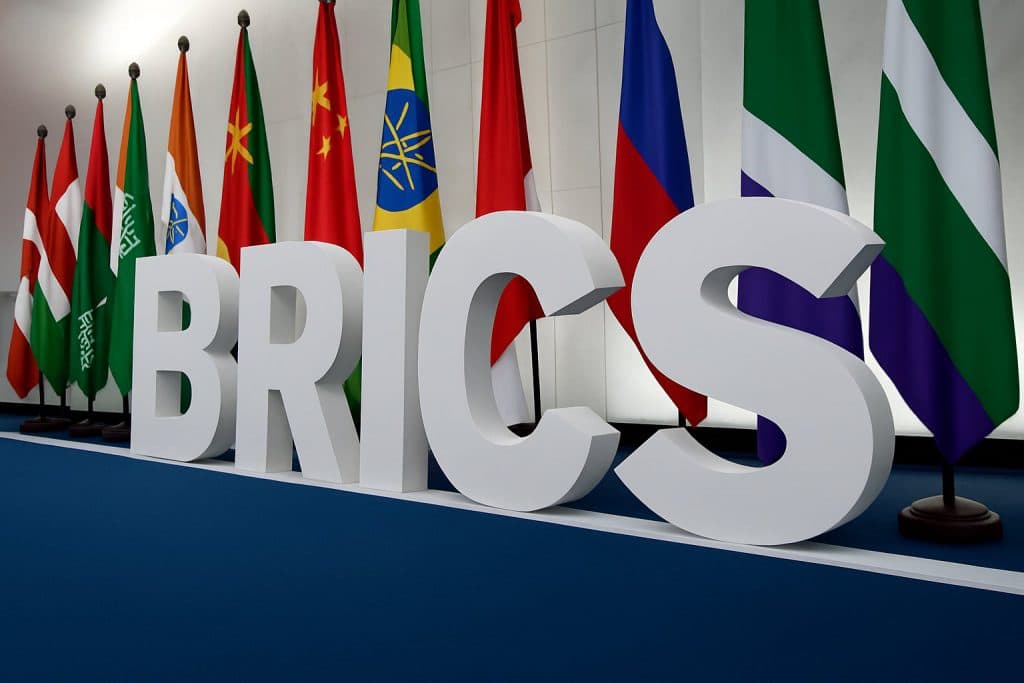
- Chinese Strategy: China employs centralized control over AI development and aims to establish itself as a leader in global AI regulations, evidenced by proposals during the BRICS summit for cooperative agreements.
5. International Diplomacy:
- Bilateral Engagements: Meeting includes engagements with leading tech executives (e.g., from Nvidia and OpenAI) who share vested interests in the ongoing AI discussions and regulation.
- Global Outreach: China is actively seeking partnerships with Global South countries to foster cooperation on AI, contrasting with the US's competitive narrative.
6. Constitutional and Legal References:
- No explicit constitutional articles or amendments mentioned in the context of the meeting but the ongoing judicial rulings (specifically, Supreme Court rulings on tariffs) have significant implications for trade laws and enforcement.
7. Implications and Outcomes:
- Future Relations:
- The security and stability of global trade may hinge on the outcomes of discussions around tariffs and critical mineral supplies.
- AI regulation and cooperation represent a crucial area of potential negotiation, with rising nationalist sentiments complicating mutual agreements.
8. Conclusion: The upcoming meeting between the US and China signifies a critical juncture in both economic and technological spheres, with significant implications for global trade dynamics and international AI governance. The stakes involved highlight how both nations, as global leaders, can shape future bilateral relationships and broader international policies.
Key Terms & Concepts
| Xi Jinping | Chinese President visiting the US |
| Donald Trump | US President greeting Xi Jinping |
| September 23, 2026 | Date of Xi's visit to the US |
| $32 trillion | US GDP |
| $20 trillion | China's GDP |
| 5 trillion | Germany's GDP |
| September 19 to 23, 2026 | Dates for economic consultations |
| Tariff Wars | Trade conflict between US and China |
| Rare earth minerals | Leverage in trade discussions |
| Busan summit | Meeting discussing tariffs |
| Supreme Court | Judicial entity striking down tariffs |
| Artificial Intelligence | Key discussion topic |
| Hugging Face |