iAspirants
Youth's Role in Environmental Sustainability
Published on:
Share this post

Article Summary
The conference on "youth sustainability" held on July 21, 2025, focused on empowering youth through innovation, creativity, and digital fluency to tackle environmental and climate challenges aimed at promoting sustainability and green growth. Key points discussed included the following:
Youth Empowerment: Experts emphasized that youth should be considered not only as the future leaders but also as immediate "solution providers" in addressing climate change through a shared vision of a green economy.
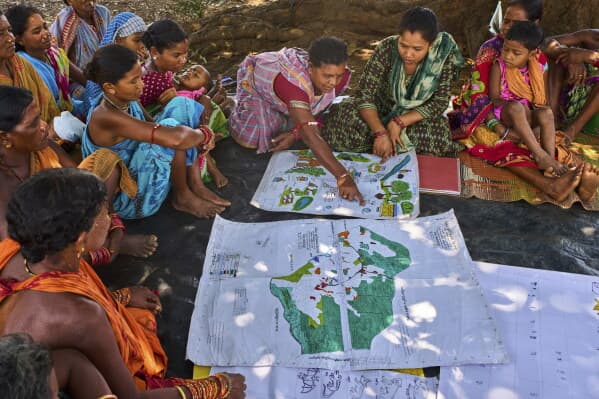
Indigenous Knowledge: Rajendra Singh, a water conservationist and Magsaysay Award laureate, highlighted the importance of indigenous knowledge systems in combating climate change. He illustrated this with the example of Tarun Bharat Sangh’s success in restoring the Arvari river in Rajasthan through local community engagement and small check dam construction.
Ecosystem Health and Agriculture: Sustainable agricultural practices were noted as essential for improving ecosystem health, which can mitigate climate change impacts.
Role of Educational Institutions: Sudhi Rajiv, Vice-Chancellor of Haridev Joshi University of Journalism, stated that educational institutions have the potential to act as "living laboratories" for sustainability, where both individual and collective youth actions can foster improved environmental outcomes.
Industrial Responsibility: K.L. Jain, president of the Rajasthan Chamber of Commerce and Industry, mentioned that industries should evolve beyond mere growth engines to become leaders in green innovation, particularly in sectors including renewable energy, electric vehicles, sustainable agriculture, and the circular economy, which are crucial for India's transition into a green economy over the next decade.
Collaboration between Academia and Industry: The need for collaborative efforts was reiterated, proposing initiatives such as co-creating curricula, facilitating apprenticeships and field exposure, supporting research and development and establishing centers of excellence to foster innovation.
Climate Action Campaigns: The conference was part of broader climate action campaigns led by Jaipur-based Lok Samvad Sansthan (LSS) and New Delhi-based Sustainability Karma, aimed at involving youth in awareness and engagement regarding environmental degradation and sustainable living.
This initiative comes in light of the increasing urgency to address climate change through innovative and inclusive approaches that harness both youth creativity and industrial resources.
Important Points:
- Date of Conference: July 21, 2025.
- Focus: Youth role in environmental sustainability.
- Key Speaker: Rajendra Singh on indigenous knowledge for water conservation.
- Educational Role: Institutions as "living laboratories" for sustainability.
- Industrial Evolution: Shift towards green innovation in industries.
- Academia-Industry Collaboration: Need for joint efforts and practical learning.
- Campaign Leaders: Lok Samvad Sansthan and Sustainability Karma promoting youth involvement.
This summary encapsulates the strategic discussions and the significance of building a cohesive relationship among youth, education, and industry in the drive toward sustainable development and climate action in India.
Key Terms & Concepts
| Rajendra Singh | Water conservationist and expert |
| Tarun Bharat Sangh | Organization for river revival |
| Haridev Joshi University of Journalism | Educational institution for sustainability |
| Rajasthan Chamber of Commerce and Industry | Industry body for green innovation |
| Lok Samvad Sansthan | Campaign organizer for climate action |
| Sustainability Karma | Collaborative initiative for sustainability |