iAspirants
Current AffairsPrelims PYQsUPSC CSE SyllabusUPSC CSE StrategyBlogsPricing
Login
iAspirants
Current AffairsPrelims PYQsUPSC CSE SyllabusUPSC CSE StrategyBlogsPricingContact UsLoginSignUp
iAspirants

Your AI-powered companion for UPSC preparation.

Study Resources

  • Current Affairs
  • Prelims PYQs
  • UPSC CSE Syllabus
  • UPSC CSE Strategy
  • Blogs

Practice & Plans

  • Mains Answer Evaluation
  • Pricing
  • Sign Up
  • Login

Company

  • Home
  • About Us
  • Contact Us
  • FAQs

Legal

  • Privacy Policy
  • Terms & Conditions
  • Return Policy

© 2026 iAspirants, Inc. All rights reserved.

  1. Blogs
  2. Science and Technology

Bengaluru Airport Launches Training Aircraft

Published on: 19-Nov-2026

Source: The Hindu

Share this post

Bengaluru Airport Launches Training Aircraft

Article Summary

  • Location & Facility: Kempegowda International Airport Bengaluru (KIA) has introduced 'Phoenix', a Boeing 737-200, which will serve as a training aircraft for the Aircraft Recovery Training School (ARTS).

  • Purpose of 'Phoenix': The aircraft is aimed at enhancing practical training capabilities for disabled aircraft recovery. This allows trainees to practice recovery techniques on a full-scale aircraft in conjunction with specialized recovery equipment.

  • Aircraft Background: The Boeing 737-200, previously known as 'Baby Boeing', had been non-operational at Kolkata Airport prior to its acquisition by Bangalore International Airport Limited (BIAL) and renaming to 'Phoenix'.

  • Logistical Operation: The transport of 'Phoenix' to Bengaluru was a complex 45-day operation which involved dismantling the aircraft for movement on four specialized trailers. Detailed route assessments were conducted before the transportation.

  • Reassembly: Upon arrival at KIA, the aircraft was reassembled with precision akin to that of the Original Equipment Manufacturer (OEM), retaining essential components including engines, avionics, and cockpit.

  • Unique Training Institution: ARTS is noted as South Asia’s only specialized training facility for Disabled Aircraft Recovery, providing structured training programs for aviation professionals in partnership with KUNZ, Germany.

  • Disability Aircraft Recovery Training: This specialized training focuses on safely removing immobilized aircraft from active areas without inflicting secondary damage, which is critical for airport operations.

This initiative reflects the growth and modernization of aviation training facilities in India, reinforcing the commitment to enhancing aviation safety and operational effectiveness.

Key Terms & Concepts

Kempegowda International AirportLocation of the training
Boeing 737-200Aircraft model used
Aircraft Recovery Training SchoolTraining facility for recovery
Bangalore International Airport LimitedOwner of the aircraft
KUNZ, GermanyCollaborating partner for training
45-day logistical operationTimeframe for aircraft transport
Disabled Aircraft RecoverySpecialty training offered
South Asia’s only dedicated Disabled Aircraft Recovery Training SchoolUnique training facility in region

Mind Map for UPSC Civil Services Revision

Turn UPSC Civil Services Current Affairs Into Exam-Ready Notes

Reading Science and Technology current affairs is half the work. Revise them with ready-made notes and test what actually stuck.

  • Daily UPSC Civil Services current affairs analysis
  • Revision notes, mind maps & MCQs
  • Prelims mock tests with instant results

Related UPSC Civil Services Current Affairs Articles

Critical Vulnerability Found in Java
Science and Technology19-Nov-2026

Critical Vulnerability Found in Java

Summary of Java4Shell Vulnerability and Its Implications

Key Vulnerability:

  • Name: Java4Shell
  • CVE Identifier: CVE-2026-114938
  • Affected Software: Java 17.0.6 running on x86-64 Intel and AMD chips with AVX-512 VBMI support.
Practise Mains answer writingUpload a handwritten answer and get it evaluated
  • Type: Memory corruption vulnerability allowing remote code execution.
  • Discovery: Identified by researchers at cybersecurity startup Calif using OpenAI’s GPT-6 Cyber AI model.
  • Mechanism of Attack:

    • Exploits a performance shortcut in Java that decodes Base64 data faster.
    • Specially crafted Base64 strings cause memory corruption, leading to application crashes and potential unauthorized access.
    • Attackers can access sensitive information like credentials or execute malicious code on the server.

    Impact and At-Risk Systems:

    • Widely used by Fortune 500 companies, tech giants, banks, hospitals, airlines, and government agencies.
    • Vulnerable systems include Keycloak, Atlassian Jira, Confluence, JFrog Artifactory, Jenkins, among others.
    • Similar methodologies exploited vulnerabilities in PHP (PHP2Shell) the previous month, with significant implications across the internet.

    Remediation and Responses:

    • Oracle: Released a software patch for their version of Java.
    • OpenJDK Project: Software patch issued addressing the vulnerability.
    • Other Vendors: Amazon and Red Hat are rolling out fixes for their respective Java distributions (Corretto and OpenJDK).

    Security Advisories:

    • CISA (Cybersecurity and Infrastructure Security Agency): Urgent advisory to patch the vulnerability, which could lead to unsecured remote code execution.
    • Indian Computer Emergency Response Team (CERT-In): Issued a warning regarding the vulnerability affecting Oracle Java products.
    • Canadian Centre for Cyber Security: Called for prompt identification and patching of affected systems.

    Broader Context:

    • Java4Shell’s discovery demonstrates the reliance on AI tools for uncovering critical security vulnerabilities.
    • The vulnerability holds potential implications for cloud computing architecture and identity management, differentiating it from PHP2Shell—primarily an attack vector for website functionality.
    • Ongoing threats from using advanced AI hacking tools, highlighted by recent FBI alerts regarding the use of autonomous hacking systems.

    Related Incidents:

    • Recent Cyber Attacks: A hacking campaign targeting well-known organizations like Zoom and HSBC, aimed at cryptocurrency theft and infection of devices through malicious JavaScript.
    • Development of Hacking Tools: Emergence of new threats with AI tools like ARTEX being employed against government agencies and corporations.

    Importance of Cybersecurity:

    • The Java4Shell vulnerability illustrates the critical need for robust software security, especially given the cyber preparedness emphasis by entities such as OpenAI.
    • Heightened awareness and proactive measures by organizations and governments are crucial in the face of evolving cyber threats.

    This vulnerability serves as a reminder of ongoing cybersecurity challenges and the necessity for constant vigilance and adaptation in security measures.

    India's First Sustainable Aviation Fuel Plant
    Economic and Social Development19-Nov-2026

    India's First Sustainable Aviation Fuel Plant

    Notes on Sustainable Aviation Fuel (SAF) in India

    Overview

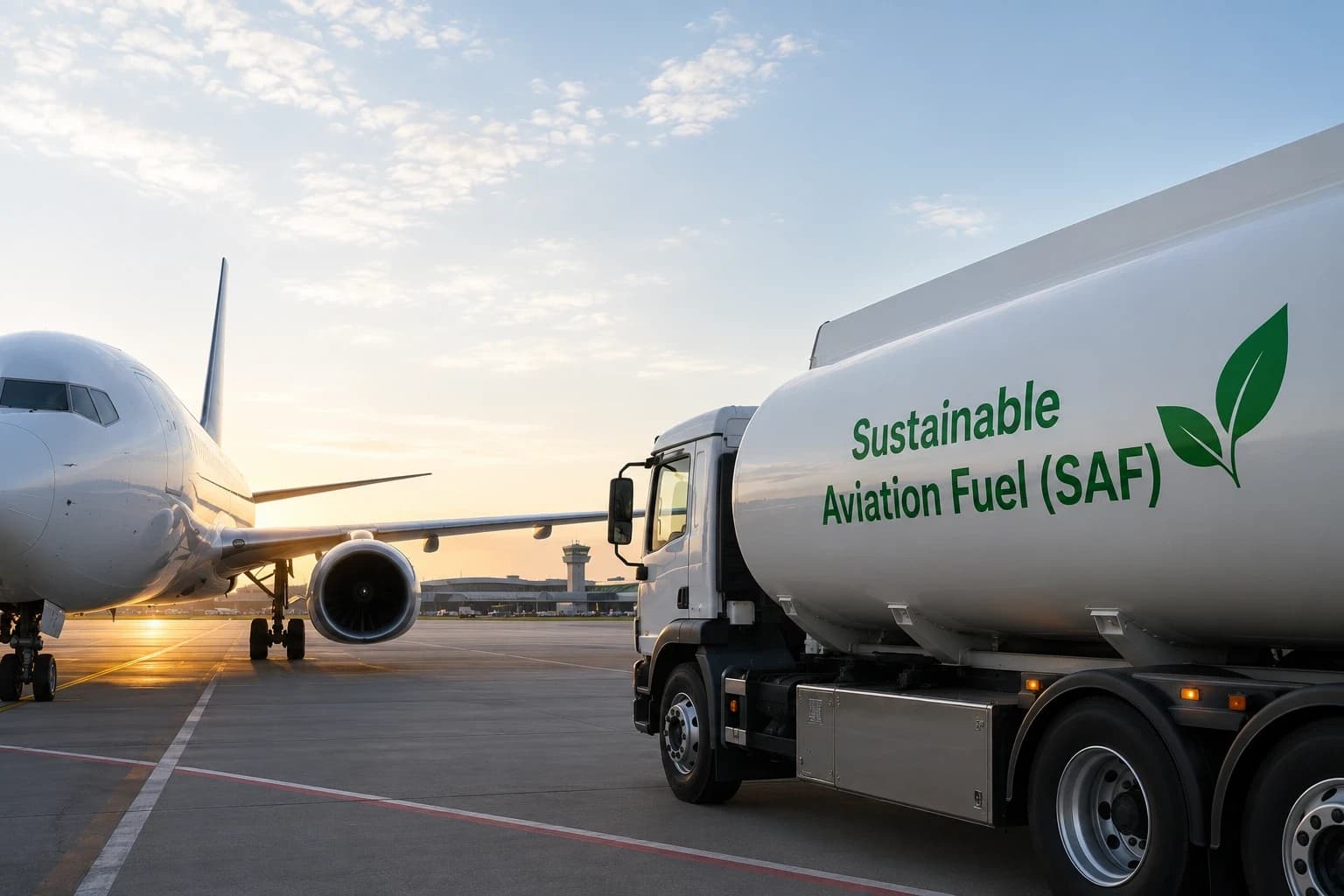
    • India is set to commence commercial production of Sustainable Aviation Fuel (SAF) with a plant initiated by Indian Oil Corporation at its Panipat refinery. This plant, capable of producing 30,000 tonnes annually using used cooking oil, is aimed at primarily meeting future blending mandates for international flights.

    Key Facts & Figures

    • Plant Capacity: 30,000 tonnes/year at Indian Oil's Panipat refinery; 41,000 tonnes/year expected at Bharat Petroleum's Mumbai refinery next month.
    • Market Share: Indian Oil and Bharat Petroleum together hold over 90% of the market for international jet fuel sales in India.
    • Blending Mandates: Proposed blending targets are 1% by 2027, 2% by 2028, and 5% by 2030 for international flights.
    • Production Cost: SAF is currently 2-3 times more expensive than conventional jet fuel, necessitating discussions to bridge the cost gap.

    Constitutional and Policy Framework

    • National SAF Policy: Still in development amidst governmental plans to address blending mandates outlined under the National Biofuel Coordination Committee (NBCC).
    • CORSIA Compliance: India will need to comply with the Carbon Offsetting and Reduction Scheme for International Aviation starting from 2027.

    International Context

    • Global Efforts: Push from the International Civil Aviation Organization (ICAO) to decarbonize global aviation; several countries have already implemented SAF blending mandates (e.g., UK, EU, Japan, Singapore).
    • CORSIA Requirements: Airlines must offset emissions exceeding 2020 levels, with SAF blending being a viable solution to meet these standards.

    Technological Insights

    • SAF shares chemical properties with conventional aviation turbine fuel (ATF), allowing existing aircraft engines to utilize SAF blends (up to 50%).
    • Technological approval exists for manufacturing SAF from ethanol; however, Europe restricts ethanol from food crops, impacting potential supply for Indian producers.

    Challenges

    • Cost Management: The high production cost of SAF poses challenges to its adoption. Further discussions with the government are required to find feasible pricing solutions.
    • Ethanol Production Concerns: India's main ethanol production is from food crops, limiting options for SAF production under European restrictions.

    Future Prospects

    • Continued investments and developments in SAF are anticipated, with potential for India to emerge as a global production hub for sustainable aviation fuel.
    • Attention needed on formulating comprehensive policies to support the scale-up of SAF production across both international and domestic flights.

    Conclusion

    India's initiatives in SAF production signify an important step towards sustainable aviation amidst global climate commitments, leveraging local resources while navigating economic and regulatory challenges.

    Addressing Air Pollution in India
    Environment and Ecology18-Nov-2026

    Addressing Air Pollution in India

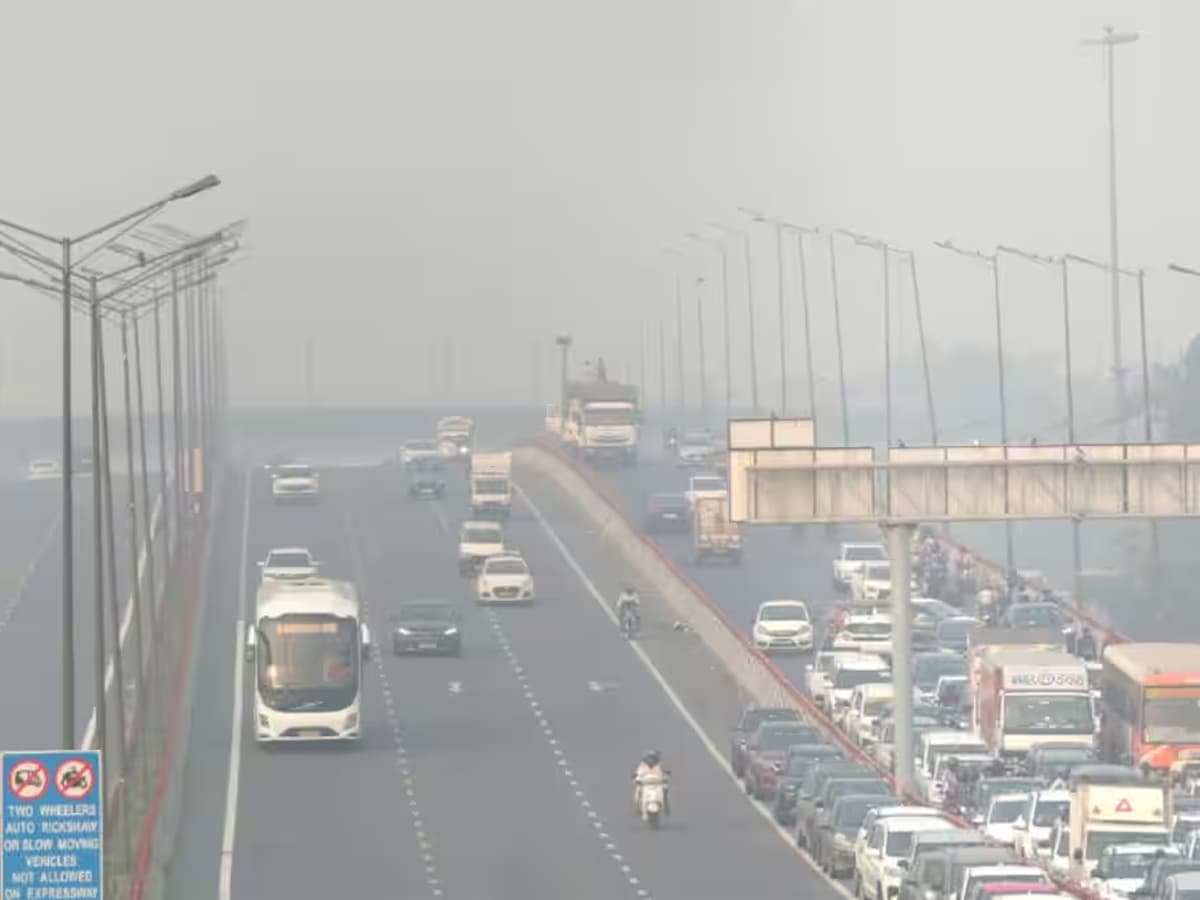
    Air Pollution in India: An Examination of Sources and Solutions

    Current Status and Challenges

    • Air pollution is a significant issue across India, not limited to outdoor concentrations in Delhi NCR, particularly during winter months.
    • Major pollution sources include:
      • Fireworks and stubble burning.
      • Solid fuels like firewood, dung cakes, and waste used for heating.
      • Continuous emissions from transportation, household fuels, industries, power plants, and construction activities.

    Recognized Contributing Factors

    • Adverse winter meteorology exacerbates pollution levels; however, weather does not create emissions but affects their dispersion.
    • Current approaches highlight a need for dual actions:
      1. Reducing number of emission sources.
      2. Lowering emissions from remaining sources.

    Necessary Actions

    • Transition to reliable public transport and reduction of private vehicle dependence.
    • Access to clean cooking and heating options.
    • Alternatives to agricultural residue burning.
    • Systematic municipal waste management and robust industrial regulation.

    Importance of Research and Monitoring

    • Ongoing uncertainties regarding source contributions and atmospheric chemistry necessitate sustained investment in scientific research and monitoring infrastructure.
    • Effective pollution monitoring must account for personal exposure, especially in vulnerable communities using solid fuels for cooking, contributing significantly to household pollution.

    Institutional Involvement

    • Solutions must be comprehensive, including:
      • Engagement from agricultural economists, urban planners, social scientists, and public health experts.
      • Political commitment and long-term investment to tackle pollution at systemic levels.
    • Addressing social attitudes towards practices like firecracker use requires community involvement beyond technical enforcement.

    Expertise in Problem-Solving

    • Recognizing diverse expertise beyond traditional scientific communities is crucial for comprehensive solutions.
    • Technological fixes, while attractive, cannot replace long-term strategies such as enhancing waste management and ensuring clean energy access.
    • Critical evaluation of proposed technological interventions (e.g., smog towers, artificial rain) is necessary to avoid ineffective spending of public resources.

    Priority Areas for Action

    • Immediate needs include enhancing air quality through improved transport systems, better energy practices, and rigorous waste management.
    • Targeting the highest exposed populations such as street vendors, sanitation workers, and women engaged in domestic cooking is essential for effective intervention.

    Conclusion

    • The path to cleaner air necessitates integrating scientific insights with actionable policy, community engagement, and robust governance structures capable of instituting long-term changes.
    • The emphasis should be on practical solutions that tangibly reduce pollution rather than solely focusing on educational advancements or temporary technological fixes.
    Discovery of Ancient Elephant Fossil
    National and International Importance18-Nov-2026

    Discovery of Ancient Elephant Fossil

    Summary of Key Points

    Fossil Discovery Details

    • Location: Patai Ghat, near Patai village, Deori tehsil, Raisen district, Madhya Pradesh, India.
    • Specimen: Fossilised jaw possibly belonging to the extinct straight-tusked elephant Palaeoloxodon namadicus.
    • Age Estimate: Approximately 400,000 to 500,000 years old based on geological context.
    • Measurements: Jaw is around 75 cm long and 25 cm wide with molars exhibiting 7 to 9 parallel ridges.

    Research and Analysis

    • Research Team: Comprised of five members, including Dr. Hitkishor Goswami and Dr. Ravi Upadhyay; a Geological Survey of India (GSI) team also inspected the site.
    • Findings: Fossils discovered in yellowish soil associated with the Pleistocene period, known for housing massive elephant fossils.
    • Potential for Further Discoveries: Additional bone fragments and mineralised remains detected in the vicinity suggest the site is rich in fossils, warranting further excavation.
    India's Sustainable Aviation Fuel Initiatives
    Science and Technology18-Nov-2026

    India's Sustainable Aviation Fuel Initiatives

    Summary of Sustainable Aviation Fuel (SAF) Development in India

    Key Developments:

    • Indian Oil Corporation has established India's first commercial-scale plant for manufacturing Sustainable Aviation Fuel (SAF) in Panipat.
    • The plant has a capacity of 30,000 tonnes per annum and will help meet India’s SAF blending mandates expected to commence from January 2027.
    • Bharat Petroleum is also poised to start production at its SAF unit in Mumbai, expecting a capacity of 41,000 tonnes per annum.

    Production and Regulatory Approvals:

    • The Panipat plant uses used cooking oil as feedstock, aligning with global trends in sustainable fuel production.
    • The plant's operational readiness signifies all necessary approvals, including from the Directorate General of Civil Aviation (DGCA).
    • The combined market share of Indian Oil and Bharat Petroleum in international jet fuel sales exceeds 90%.

    China's AI Chips and US Restrictions
    National and International Importance17-Nov-2026

    China's AI Chips and US Restrictions

    Summary of Key Points: AI Chip Export Controversy Involving China and the US

    1. Technological Findings:

    • Several Chinese AI companies allegedly trained advanced models using Nvidia's Blackwell GPUs despite US export restrictions.
    • Research by Unemployment Labs analyzed AI model weights, revealing distinctive hardware fingerprints linked to Nvidia chips in six models from four companies: DeepSeek, Moonshot AI, MiniMax, and Ant Group.
    • GPU usage patterns indicate a transition from Nvidia’s previous-generation Hopper to Blackwell GPUs in 2026.

    2. US Export Controls and Concerns:

    • The US has imposed stringent export controls on advanced GPUs to China as a strategy to limit Beijing’s AI advancements and military enhancement capabilities.
    • There are fears that these chips could facilitate the development of sophisticated weapons and improve cyber warfare capacities.

    3. Investigation Findings:

    • Estimates indicate that approximately 12,000 Blackwell GPUs were required for collective training runs of the noted models, though assumptions about efficiency and duration impact accuracy.
    • The investigation suggested that Chinese developers may have accessed Nvidia's technology via third countries, chiefly citing Malaysia as a potential route for advanced chip smuggling.

    4. Economic Data:

    • An analysis indicated that from April 2024 to June 2025, trade data suggests over $3 billion worth of advanced chips were smuggled into China through Malaysia.
    • Disparities in reported export and import values between Malaysia and China raised suspicions of misclassification and smuggling involving AI servers.

    5. Political and Regulatory Context:

    • The enforcement of semiconductor export controls has led to divisions within the Trump administration, particularly regarding the actions of Commerce Secretary Howard Lutnick and Treasury Secretary Scott Bessent’s concerns about companies like Megaspeed International, which allegedly helped Chinese entities access Nvidia processors.
    • The controversy has raised questions on the effectiveness of current US regulatory frameworks and oversight of semiconductor exports.

    6. Legal and Policy Issues:

    • Allegations were made regarding Moonshot AI’s acquisition of Nvidia’s processors, raising broader concerns about compliance with US export restrictions.
    • Political disputes have surfaced regarding how these export laws are managed and enforced, with ongoing investigations into companies suspected of facilitating access to advanced technologies for China.

    7. Environmental and Technological Impact:

    • The impact of export control policies and technology access on global AI development remains a critical point of discussion, with implications for national security and economic competition.

    Conclusion: The ongoing developments concerning AI chip exports highlight the complexities of international technology trade, especially amidst geopolitical tensions between the US and China. The ability of Chinese companies to potentially circumvent US restrictions presents significant challenges for policy enforcement and international relations in the tech sector.

    New TB Treatment Combines Two Antibiotics
    Science and Technology17-Nov-2026

    New TB Treatment Combines Two Antibiotics

    Summary of Research on Isoniazid and Vancomycin Combination for Tuberculosis Treatment

    Research Institution:

    • Indian Institute of Science (IISc), Bengaluru

    Key Findings:

    • Target Disease: Tuberculosis (TB) caused by Mycobacterium tuberculosis.
    • Challenge: Growing resistance to isoniazid, a frontline TB drug.
    • New Strategy Identified: Combination treatment using isoniazid and vancomycin is effective against drug-resistant strains.

    Details of Study:

    • Conducted in the Department of Biochemistry.
    • Aim: To reverse isoniazid resistance.
    • Method: Tested combination against clinical isolates of M. tuberculosis from patient sputum samples.
    • Collaborating Institution: National Tuberculosis Institute, Bengaluru.

    Results:

    • Combination treatment led to more than 90% reduction in bacterial growth in most tested isolates, including multi-drug resistant (MDR) strains.
    Nvidia Chips Export Restrictions Impact AI
    Science and Technology17-Nov-2026

    Nvidia Chips Export Restrictions Impact AI

    Summary of Key Points:

    AI & Technology Developments

    • Nvidia Chips: The advanced Blackwell generation GPUs, which are restricted from export to China, were allegedly used to train Chinese AI models by companies such as DeepSeek and Moonshot AI.
    • Model Training: Six AI models released since April 2026 supposedly show characteristics indicative of being trained on Blackwell chips. Earlier models from these companies were trained on the older Hopper generation.
    • Technical Report: Conducted by Unemployment Labs, it claims to provide evidence of training on advanced Nvidia chips using a method to analyze AI model weights and configurations, enabling identification of models trained with specific hardware.

    Economic Data & Costs

    • Cost Estimates: Estimated costs for clusters of Blackwell GPUs in China range from $200 million to $300 million for training operations. For context, 36,000 Blackwell chips in Malaysia for ByteDance's use are valued at over $2.5 billion.
    • Supply Chain Insights: Between 2024 and 2025, approximately 275,000 Nvidia AI chips were imported to Malaysia, with estimates suggesting up to 1.5 million GPUs reached China through various smuggling routes.

    Geological and Historical Context

    • The geological layers indicate a habitat that once supported various prehistoric species, including horses and rhinoceroses, implying an ecological richness during the Pleistocene.
    • The discovery emphasizes the need for a systematic investigation of the Narmada Valley, which could yield significant anthropological insights.

    Recommendations for Future Actions

    • Protection: The local administration has cordoned off the site to prevent damage and should ensure the area is officially recognized for its archaeological significance.
    • Excavation Plans: Proposed collaboration between local administration, the Archaeological Survey of India, and GSI for a comprehensive excavation and geological study.

    Historical Significance

    • India has a history of significant fossil discoveries, with the first notable find occurring in 1822.
    • Previous findings in Madhya Pradesh include a variety of dinosaur fossils, with evidence suggesting the presence of approximately 17 different kinds of dinosaurs in the region.

    Importance of the Discovery

    • This recent finding adds to the understanding of prehistoric life in India and highlights the Narmada Valley as a critical area for paleontological research.
    • There is academic interest in further exploring the valley due to the presence of various fossil types and the historical context regarding human evolution.

    Actionable Insights

    • The immediate priority is to document and protect the fossil site while promoting further research and exploration, pivotal for understanding the biodiversity of ancient India and its evolutionary history.

    This summary encapsulates the significant findings, context, and recommendations stemming from the fossil discovery, preserving factual and relevant details for educational purposes.

    Global Context and Industry Impact:
    • SAF is projected to contribute over 60% to the global aviation industry's decarbonization effort, with Airbus affirming all its aircraft can use up to 50% SAF blended fuel.
    • The International Civil Aviation Organisation (ICAO) is advocating for SAF adoption to decarbonize the aviation sector, with countries like the UK, EU member states, Japan, and Singapore already implementing SAF blending mandates.

    Government Policy and Targets:

    • The Indian government has set indicative targets for SAF blending: 1% in 2027, 2% in 2028, and 5% by 2030 for international flights.
    • India's National Biofuel Coordination Committee (NBCC) is tasked with the roadmap for SAF introduction in domestic flights.

    Economic Considerations:

    • The production cost of SAF is two to three times higher than traditional jet fuel, which poses challenges for widespread adoption.
    • Bridging this cost gap is under negotiation, highlighting the need for policies encouraging SAF production incentives.

    Future Strategies and Regulations:

    • With the Carbon Offsetting and Reduction Scheme for International Aviation (CORSIA) mandatory phase starting in 2027, airlines globally must offset CO2 emissions above 2020 levels, making SAF crucial for compliance.
    • India is focusing on developing pathways to produce SAF from alternative sources like ethanol, although current European regulations restrict usage of ethanol derived from food crops, potentially impacting Indian producers looking to set up ethanol-based SAF units.

    Conclusion: The developments surrounding SAF in India mark a significant step towards the nation's involvement in sustaining aviation fuel production, aligning with international environmental mandates. As production capabilities ramp up, strategic government policies and industry adaptations will play critical roles in ensuring India's competitiveness and compliance in the transitioning global aviation market.

  • Infected mouse model showed approximately 10-fold reduction in bacterial load in lungs and spleen after 10 days of treatment with the combination, which was not observed with the individual drugs alone.
  • Histopathological examination indicated a reduction in lung granulomas with the combination treatment.
  • Scientific Explanation:

    • Isoniazid requires activation by a bacterial enzyme; mutations can cause resistance by blocking its activation pathway.
    • Vancomycin struggles to penetrate the cell wall of M. tuberculosis.
    • The combination therapy disrupts the wall integrity, allowing vancomycin to kill bacteria effectively.

    Next Steps:

    • Researchers are working towards advancing this combination therapy for clinical trials.

    Implications:

    • This research highlights significant advancements in the treatment of drug-resistant TB.
    • If successful in clinical trials, this combination could enhance treatment options for patients suffering from resistant TB strains.

    Importance in Public Health:

    • Tuberculosis remains a significant health challenge globally, making innovative treatments crucial for public health strategies against antibiotic resistance.

    U.S. Policies & Export Controls

    • Export Restrictions: The Biden administration enforces tight restrictions on advanced chips to limit Chinese military access. Former President Trump lifted certain controls but imposed additional limitations on many Chinese firms through the US Entity List in 2025.
    • Responses to Violations: The U.S. Commerce Department has been scrutinized for its lax investigations into suspected chip smuggling, leading to concerns over the efficacy of current export controls. Previous investigations failed to track the movement of chips effectively.
    • Lobbying for Access: Ex-CEO Jensen Huang argued against restrictive exports, suggesting that openness would preserve the U.S.'s technological lead. He cautioned that such restrictions could lead to the emergence of competitive Chinese alternatives in the tech sector, such as chips being developed by Huawei.

    Constitutional & Judicial Context

    • National Security Efforts: Policies around chip exports reflect broader national security strategies aimed at ensuring that American technological advancements do not benefit geopolitical adversaries.

    International Relations

    • China and AI Race: Concerns have been raised about the effectiveness of U.S. export restrictions, as Chinese firms, despite limitations, appear to be catching up in AI technologies and capabilities.
    • Global Chip Market Dynamics: US-China tensions around technology and exports underscore a complex geopolitical landscape where supply chain dependencies and competitive strategies are continuously evolving.

    Conclusion

    The ongoing dynamics surrounding AI development and chip technology reflect significant issues at the intersection of economics, technology policy, international relations, and national security. Awareness of these interconnected factors is critical for understanding the future trajectory of technological competition globally.