iAspirants
Current AffairsPrelims PYQsUPSC CSE SyllabusUPSC CSE StrategyBlogsPricing
Login
iAspirants

Your AI-powered companion for UPSC preparation.

Quick Links

  • Home
  • About Us
  • Current Affairs
  • Prelims PYQs
  • UPSC CSE Syllabus
  • UPSC CSE Strategy
  • Blogs

Company

  • Pricing
  • FAQs
  • Contact Us
  • Login

Legal

  • Privacy Policy
  • Terms & Conditions
  • Return Policy

© 2025 iAspirants, Inc. All rights reserved.

  1. Blogs
  2. Environment and Ecology

Chennai Metrowater Community Well Restoration

Published on: 05-Sep-2026

Share this post

Chennai Metrowater Community Well Restoration

Article Summary

Summary Notes: Chennai Metrowater Community Wells Initiative

Objective:

  • Restoration and conversion of community wells into rainwater harvesting structures to improve groundwater recharge.

Location:

  • Various locations in Perambur constituency, including:
    • Sidco Nagar First Main Road
    • Muthamizh Nagar
    • Kaviarasu Kannadasan Nagar
    • Muthamizh Nagar Second Street, First Block
    • Muthamizh Nagar 161st Street, Sixth Block

Project Details:

  • Depth of Wells: Average depth of community wells ranges from 10 m to 12 m; current groundwater available at an average depth of 5 m.
  • Funding: The project has a budget of ₹2 crores.
  • Status: Bids invited; work order expected to be issued shortly.
  • Similar initiatives planned city-wide to enhance groundwater recharge.

Historical Context:

  • Community wells historically served as drinking water sources during water scarcity in the 1980s and 90s but have since gone dry and been misused.

Community Feedback:

  • Residents, particularly from Muthamizh Nagar, are advocating for desilting of wells as a priority over aesthetic improvements, emphasizing its importance for drinking water security and groundwater replenishment.

Environmental Context:

  • This initiative aligns with sustainable water management practices, targeting the enhancement of local aquifers and mitigating issues related to urban water stagnation during monsoons, which is crucial for climate resilience.

Follow-up Actions:

  • The initiative indicates a commitment by Chennai Metrowater to invest in community resources and water sustainability strategies, reflecting a broader policy approach aimed at improving urban infrastructure and environmental health.

This initiative can serve as a model for other urban areas facing similar water management challenges.

Key Terms & Concepts

Chennai MetrowaterImplementing agency for wells
Perambur constituencyLocation for project initiative
Rainwater harvestingMethod for groundwater recharge
Community wellsSource of groundwater recharge
₹2-croreBudget for project
September 05, 2026Publication date of initiative
Groundwater tableMeasurement for water availability
DesiltingProcess to restore wells
Depth of wellsAverage depth usage for recharge
Aquifer recharging structuresPurpose of wells restoration

Mind Map for UPSC Civil Services Revision

Turn UPSC Civil Services Current Affairs Into Exam-Ready Notes

Reading Environment and Ecology current affairs is half the work. Revise them with ready-made notes and test what actually stuck.

  • Daily UPSC Civil Services current affairs analysis
  • Revision notes, mind maps & MCQs
  • Prelims mock tests with instant results

Related UPSC Civil Services Current Affairs Articles

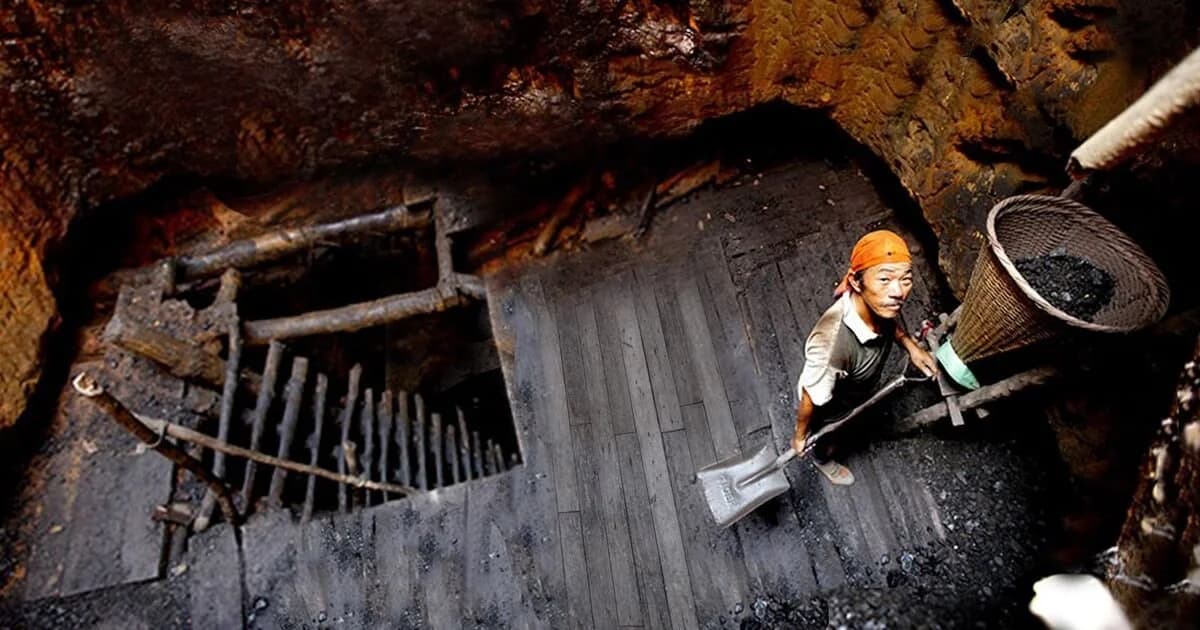
Meghalaya Coal Mining Debate Renewed
Environment and Ecology06-Sep-2026

Meghalaya Coal Mining Debate Renewed

Key Facts and Updates on Illegal Coal Mining in Meghalaya:

  1. Legal Background:

    • The National Green Tribunal (NGT) imposed a ban on hazardous rat-hole coal mining in Meghalaya in April 2014.
  • The Supreme Court upheld this ban but permitted scientific mining under strict statutory compliance.
  • Current Incident:

    • A recent road accident involving a coal-laden truck near Shillong raised concerns about illegal mining practices.
    • The truck involved was transporting coal to Guwahati, Assam and was linked to the Justice (retired) B.P. Katakey Committee, which submitted its 40th Interim Report to the High Court of Meghalaya.
  • Investigation and Findings:

    • The report recommends a thorough investigation into whether the coal was legally auctioned or illegally mined.
    • The investigation was triggered by the truck's lack of a mandatory Mineral Transport Challan from the Directorate of Mineral Resources.
  • Compliance Issues:

    • The truck operator provided documents asserting that the coal, totaling 8,338.374 metric tonnes, was auctioned and belonged to a successful bidder. However, they failed to produce the original transport challan for the vehicle.
    • This non-compliance violates the Standard Operating Procedure for transporting auctioned coal.
  • Law Enforcement Statistics:

    • From 2023 to August 2026, Meghalaya Police registered:
      • 64 cases related to illegal transportation of coal.
      • 127 cases involving illegal extraction of coal.
    • The panel noted insufficient action taken against landowners and mine owners, with only four cases pursued in East Jaintia Hills.
  • Call to Action:

    • The committee has asked the police to submit a status report regarding the investigation within two weeks from September 4, 2026.
    • It also questioned the authorities on why the confiscation process has not commenced despite seizing 92 pieces of equipment and 62 vehicles tied to illegal coal trade.
  • Environmental and Safety Implications:

    • The increasing number of accidents and fatalities linked to illegal coal mining highlights the ongoing risks associated with non-compliance and the urgent need for regulatory enforcement in Meghalaya's mining sector.
  • These points serve to underscore the challenges in regulating coal mining operations in Meghalaya and the implications for both environmental safety and compliance with judicial directives.

    UN Report on Climate Change Impact
    Environment and Ecology05-Sep-2026

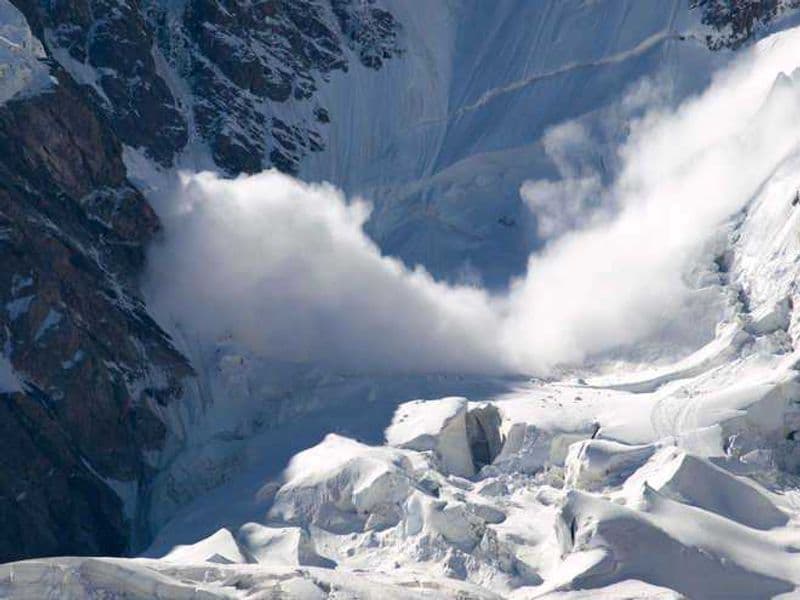
    UN Report on Climate Change Impact

    Exam-Focused Summary of UN Report on Global Warming

    Key Findings and Data:

    • 1.5°C Limit: Breaching this limit results in irreversible losses, highlighting significant climate action challenges.
    • Projected Temperature Increases: If all countries meet current climate pledges, global warming could still reach 1.8°C; with current policies, temperatures may rise to 2.6°C.
    • Greenhouse Gases Beyond CO2: The report emphasizes the need to address methane, which contributes approximately 0.5°C of current warming.

    Global Initiatives:

    • Global Methane Pledge: Over 155 countries have committed to reducing anthropogenic methane emissions by at least 30% below 2020 levels by 2030. Notably, India has not joined this pledge.

    Challenges and Perspectives:

    • Developing economies like India emphasize their shift from fossil fuels and seek financial support and technology from developed nations, which historically contributed to carbon emissions.
    • The report notes a lack of focus on adaptation finance, despite its acknowledged importance in previous assessments.

    International Events and Future Discussions:

    • COP31 in Türkiye: Set for November, discussions are expected to center around climate responsibilities, especially after climate-induced disasters such as the Bhotekoshi disaster in Nepal, which underline the sensitivity of smaller nations to global warming impacts.
    • Statements from Nepal: Nepal's Foreign Affairs Minister highlighted the responsibility of large emitters (China, the USA, India) to address the effects of climate change on vulnerable nations.

    Recommendations:

    • India is urged to recalibrate its messaging and policies in light of global perceptions and the reality of operating within a 1.5°C world, recognizing its dual position as a victim of climate change and part of the emissions problem.

    Additional Notes:

    • The concept of an “overshoot, peak, and decline” pathway is proposed, advocating for measures that can limit the peak temperature before achieving reductions below the 1.5°C threshold by the century's end.

    Constitutional References:

    • Although not explicitly mentioned in the report, relevant articles may include:
      • Article 21: Right to life (implying a right to a sustainable environment).
      • Directive Principles of State Policy: Focus on protecting and improving the environment (Article 48A).

    Conclusion:

    The report serves as a critical reminder of the pressing global climate crisis, advocating for immediate action and collaboration among nations to mitigate the effects of global warming and support developing nations vulnerable to climate change impacts.

    Farmers Protest Ecological Sensitive Zone Proposal
    Environment and Ecology04-Sep-2026

    Farmers Protest Ecological Sensitive Zone Proposal

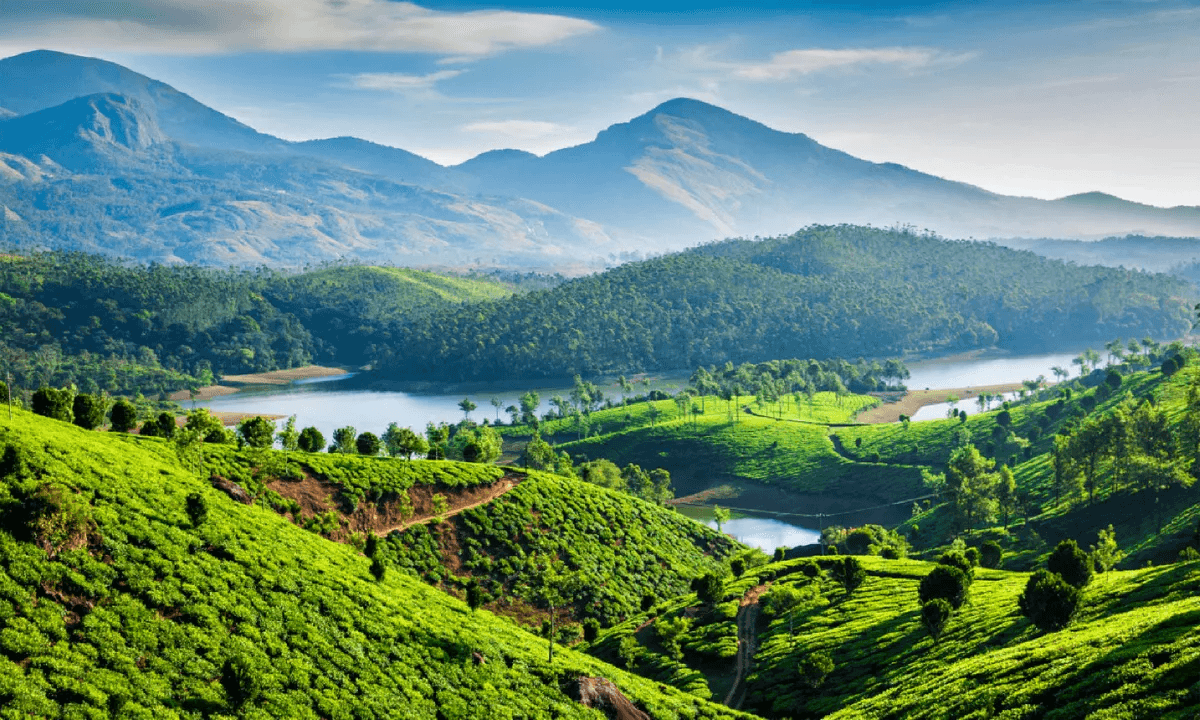
    Summary of Key Points Related to the Proposal for Ecologically Sensitive Areas (ESA) in the Western Ghats:

    Protests by Farmers:

    • Farmers from Hosanagara taluk, Shivamogga district, are protesting against the draft notification for declaring large parts of the Western Ghats an ESA.
    • The protest march of about nine kilometers highlights demands for a physical survey of land to exclude human settlements and cultivated areas from ESA boundaries.

    Historical Context and Developments:

    • The movement for conserving the Western Ghats began with a significant march in 1987, involving environmentalists and scientists.
    • An expert panel, the Western Ghats Ecology Expert Panel (WGEEP), was established in 2010 under Prof. Madhav Gadgil to recommend conservation measures. The panel's report was submitted in 2011 but faced delays and resistance before release.
    • The WGEEP report advocated for a “people-oriented model of development,” emphasizing financial incentives for farmers, similar to the Australian Soil Carbon Accreditation Scheme.

    Recommendations and Opposition:

    • A High-Level Working Group (HLWG) was later formed to prepare an actionable plan, submitting a report in 2013 that proposed declaring 37% of the Western Ghats, approximately 59,940 sq km, as an ESA, with Karnataka's share being 20,668 sq km.
    • Proposed restrictions include bans on mining, red-category industries, and limitations on housing projects, which have been opposed by local state governments, especially in Kerala and Karnataka.

    Current Notification and Public Response:

    • The most recent draft notification (July 27, 2026) proposes a total ESA area of 56,825.7 sq km, affecting 1,449 villages across multiple districts in Karnataka.
    • The public has raised fears over existing hardships under current forest laws, which limit access to basic amenities.

    Comparative Responses:

    • Residents are calling for a similar approach to that of Kerala, which reduced its ESA area significantly after conducting a physical survey, thereby minimizing impact on agricultural and urban development.

    Legislative Actions and Future Steps:

    • The Karnataka Cabinet announced a special legislative session to discuss the draft notification and concerns over the Kasturirangan report. The Cabinet is poised to oppose the ESA draft as articulated by various leaders.

    Socioeconomic Concerns:

    • Farmers, particularly those cultivating plantation crops, express concerns about restrictions on fertilizers and agricultural practices, fearing negative impacts on their livelihoods.
    • Community activists and organizations are organizing protests and collecting objections to influence government decisions regarding the ESA.

    Judicial and Administrative Aspects:

    • Ongoing legal battles over the disclosure of WGEEP's comprehensive report highlight struggles for transparency in environmental governance.
    • Voter mobilization and political engagement have intensified as part of the push to prioritize local livelihoods in ESA discussions.

    Environmental Considerations:

    • The debate over ESA designation places ecological preservation against economic and social realities faced by residents in the Western Ghats, emphasizing the need for balanced conservation strategies.

    Conclusion: The issue surrounding the proposed ESA reflects deep-rooted tensions between ecological conservation efforts and the socioeconomic needs of communities reliant on agriculture in the Western Ghats region. The outcomes of ongoing legislative discussions and public protests will significantly impact both environmental policies and local livelihoods in the area.

    India's Leap in Geothermal Energy
    Environment and Ecology04-Sep-2026

    India's Leap in Geothermal Energy

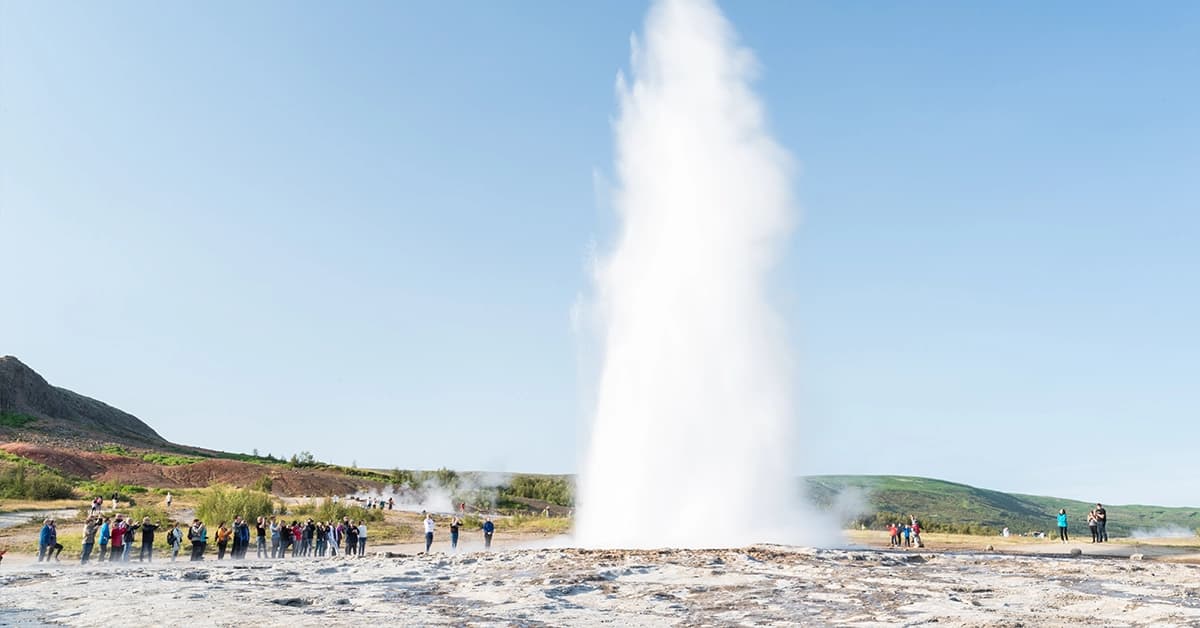
    Geothermal Energy in India: Key Facts and Developments

    Overview of Geothermal Energy

    • Definition: Geothermal energy is derived from the Earth's internal heat, considered a renewable and low-carbon energy source.
    • Significance: Provides a continuous and reliable source of energy, unlike solar and wind, which are weather-dependent.

    National Policy on Geothermal Energy

    • Objective: To integrate geothermal energy as a significant component of India's renewable energy framework, contributing to the target of net-zero emissions by 2070.
    • Implementation: The Ministry of New and Renewable Energy (MNRE) is the nodal ministry responsible for executing this policy, notified in September 2025.

    Recent Developments

    • First Geothermal Wells: The commissioning of India's first two geothermal wells in Puga Valley, Ladakh, marks a significant milestone for geothermal energy in India.
      • Elevation: These wells are located over 14,000 feet above sea level.
      • : The initiative aims to establish a 1 MW performance-based geothermal energy project.
    Capacity

    Geothermal Resource Potential

    • Theoretical Capacity: India has an estimated geothermal energy potential of approximately 10.6 GW.
    • Geological Mapping: The Geological Survey of India (GSI) has identified 381 hot springs and 10 geothermal provinces, including the Himalayan and Naga-Lushai regions.

    Technology and Research Initiatives

    • Enhanced Geothermal Systems (EGS): Advanced technologies like EGS and Advanced Geothermal Systems (AGS) are being explored to expand geothermal energy opportunities.
    • Pilot Projects: Several pilot projects are underway, including:
      • A project in Ankleshwar, Gujarat, retrofitting abandoned oil and gas wells for power generation.
      • A demonstration project in Gandhinagar, Gujarat, integrating solar and geothermal energy.
      • Research in Tawang, Arunachal Pradesh, assessing geothermal resources.

    International Collaborations

    • Partnerships: India collaborates with countries like Australia and Iceland to enhance geothermal energy research and technology development.
    • Bilateral Agreements: Agreements with Saudi Arabia include geothermal energy as a key area of cooperation.

    Economic and Environmental Impact

    • Energy Security: Geothermal energy contributes to energy security and reduces reliance on fossil fuels.
    • Applications: Beyond electricity generation, geothermal energy can be utilized for heating, cooling, and agricultural purposes.

    Future Prospects

    • Expansion Plans: The government aims to broaden the scope of geothermal energy applications, enhancing its role in India's renewable energy mix.
    • Ecosystem Development: Ongoing research and development initiatives are crucial for the commercial viability of geothermal energy in India.

    Conclusion

    Geothermal energy is emerging as a vital component of India's renewable energy strategy, with significant potential for sustainable development and energy security. The commitment to harness geothermal resources reflects India's holistic approach towards achieving its climate goals and diversifying its energy portfolio.