iAspirants
Concerns Over India's Economic Policies
Published on:
Source: Indian Express
Share this post
Article Summary
Economic Policy Context and Challenges
Model Bilateral Investment Treaty (BIT) Revision:
- The BIT, established in 2016, has been criticized for being too restrictive, requiring foreign investors to litigate in Indian courts for five years before resorting to international arbitration.
- A revision outlined by Finance Minister Nirmala Sitharaman was announced 18 months ago but remains unimplemented.
Historical Context of BIT:
- The BIT has proven to be obstructionist, with India being the only country maintaining extensive litigation periods.
- The count of foreign investment treaties significantly decreased from 73 in 2015 to eight by 2021, with a notable lack of significant foreign capital sources covered.
Foreign Direct Investment (FDI) Data:
- Record FDI inflow of $94.5 billion in 2025-26.
- A substantial outflow included $53.6 billion repatriated by foreign investors, leaving a net FDI of $7.65 billion, equivalent to 0.18% of GDP, marking a recovery from 0.02% in 2024-25.
- This figure is the second-lowest in three decades.
Reinvested Earnings:
- Reinvested earnings of foreign firms reached $25.6 billion in 2025-26, outpacing net FDI.
- A negative net direct investment outflow of approximately $18 billion was recorded based on previous definitions used until 2000-01.
Equity Market Performance:
- In 2025, Indian equities underperformed against emerging markets, with a $17.7 billion net foreign withdrawal and a 9.1% decline in dollar terms year-to-date until August 2025.
- Compared to other emerging markets, Indian performance lagged substantially, revealing investor concerns.
International Standards and Definitions:
- Proposal surfaced to categorize portfolio investments held for more than three years as direct investment, which contradicts the OECD’s Benchmark Definition.
Implications and Recommendations
Impact on Economic Growth:
- Delayed implementation and revisions to treaties and easy investment procedures hinder potential foreign capital inflow.
- The focus should shift from merely maintaining existing investments to attracting new commitments.
Need for Policy Reform:
- The current obstructionist approach needs to be reassessed; logic and rationale should guide policies rather than the status quo or special interests.
- Interaction with foreign investors about their experiences and expectations regarding BITs and trade agreements is essential.
Strategic Measures for Improvement:
- Shortening litigation periods and enhancing the appeal of India as an investment destination through a transparent and efficient legal framework is crucial.
- Engaging in constructive dialogue with international partners on revising BITs to meet global standards could enhance investment attractiveness.
These notes encapsulate the challenges and statistics surrounding India's economic policies, particularly in relation to foreign direct investment and investment treaties, reflecting significant areas of concern for policymakers and stakeholders.
Key Terms & Concepts
| Model Bilateral Investment Treaty (BIT) | Obstructionist investment treaty example |
| WTO | India's role as obstructionist member |
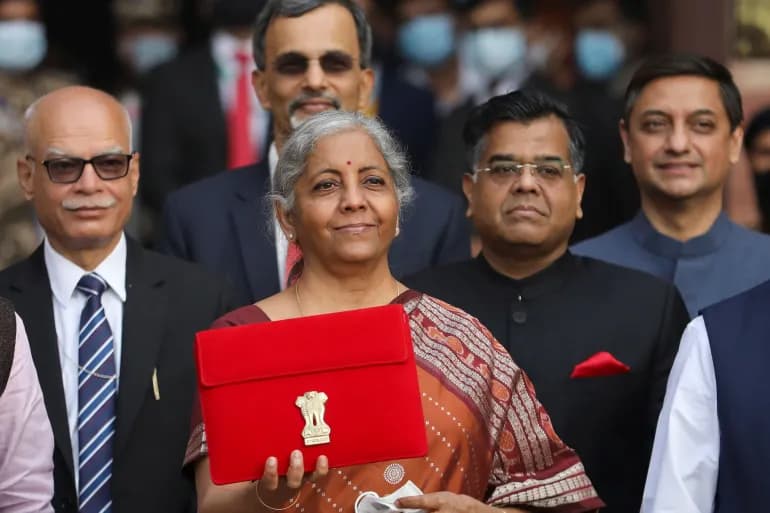
| Finance Minister Nirmala Sitharaman | Announced revision of Model BIT |
| Foreign Direct Investment (FDI) | Record inflow of $94.5 billion |
| 2025-26 | Fiscal year for record FDI |
| Structural reforms | Needed in economic policy |
| Equity market | Indian equities underperformed |
| OECD | Sets standards for direct investment |
| Investment treaties | Impact on foreign capital |
| Net foreign direct investment | Only $7.65 billion recorded |