iAspirants
Concerns Over Renewable Energy in Mannar
Published on:
Source: The Hindu
Share this post
Article Summary
Exam-Focused Notes on Sri Lanka's Renewable Energy Landscape in Mannar
Background:
- Location: Mannar district, north-western Sri Lanka; includes a mainland and a small island, Talaimannar, near India.
- Historical Context: Post-civil war struggles, local communities face environmental and livelihood threats amid renewable energy projects.
Renewable Energy Initiatives:
- Wind Energy Projects:
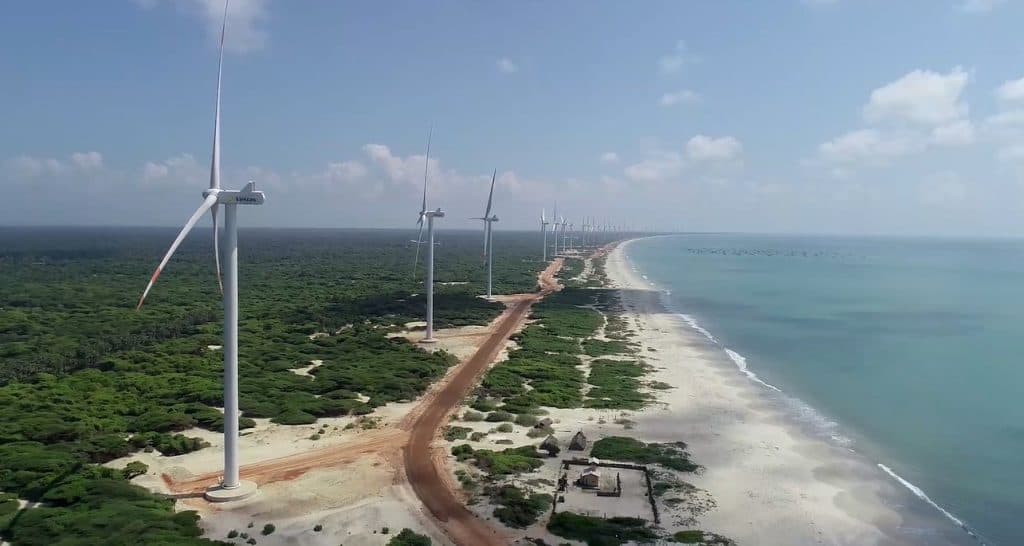
- Ceylon Electricity Board (CEB) initiated a wind farm in 2018, aimed to add 104 MW to the national grid with a budget of nearly $200 million, supported by an Asian Development Bank loan.
- Current energy capacity: Total installed capacity of Sri Lanka is 6,345 MW with a peak demand of about 3,000 MW.
Government Policies:
- Sri Lanka is targeting 70% of energy needs from renewable sources, anticipating an addition of 300 MW from renewable energy by the end of the following year.
- The government has paused new wind projects on Mannar Island in response to local protests, emphasizing the need for community consent.
- Ongoing Projects: Local firms (Hayleys Fentons, WindForce, Vidullanka) hold bids to implement currently approved wind projects.
Local Community Concerns:
- Environmental Impact: Residents experience climate-related issues (flash floods, coastal erosion), linking these concerns to renewable projects despite lacking scientific proof.
- Noise and Health Issues: Residents report disturbances from wind turbines and fear health impacts on vulnerable populations (pregnant women, children).
- Complaints regarding government transparency over project details and environmental assessments.
Legal and Economic Aspects:
- Controversy arose over a $500 million, 500 MW project by Adani Green, which faced legal challenges and was eventually withdrawn in February 2025.
- Economic Strain: The government spends up to 30% of foreign reserves on fuel imports, aiming to reduce this to 10%.
Activist Perspectives:
- Advocacy for comprehensive environmental risk assessments due to the cumulative impact of multiple projects.
- Concerns over the lack of independent environmental impact studies and community engagement in project planning.
Key Figures:
- President: Anura Kumara Dissanayake has mandated consent from local populations before future projects are initiated.
- Human Rights Activists: Local voices are working to ensure community needs and environmental considerations are prioritized in development agendas.
International Context:
- India is executing a hybrid renewable project on nearby islands with an $11 million grant.
- As countries face energy crises, Sri Lanka’s shift to renewables highlights the tension between development and environmental stewardship.
Conclusion:
- The situation in Mannar exemplifies the challenges in balancing green energy ambitions with local community rights and environmental sustainability. Further studies and transparent dialogues are necessary to ensure mutual benefits for development and ecological health.
Key Terms & Concepts
| Thambapavani wind farm | First large-scale wind project |
| 104 MW | Planned energy addition |
| $200 million | Financing amount for wind farm |
| Asian Development Bank | Financed Thambapavani project |
| 500 MW | Capacity for new wind project |
| $500 million | Investment for wind power project |
| 70% | Target renewable energy share |
| 300 MW | Additional capacity target |
| 30% | Current foreign reserve spending |
| 10% | Target reduction in foreign spending |
| Talaimannar | Closest point to India |
| Caritas Valvuthayam | Local NGO addressing concerns |
| Mannar district |