iAspirants
Conservation Efforts for Great Indian Bustard
Published on:
Share this post
Article Summary
Conservation of the Great Indian Bustard: Key Facts and Data
Species Overview:
- The Great Indian Bustard (Ardeotis nigriceps) is teetering on the brink of extinction with a current estimated population of around 120 individuals.
- Notable historical decline:
- Population declined from approximately 1,260 in 1969 to 600 by 2000, and further to 140-175 in Rajasthan by the 2010s.
Conservation Efforts:
- Recent release of two male Great Indian Bustards into the wild at Desert National Park, Jaisalmer.
- Conservation program currently possesses 97 birds, with nine more designated for future release, of which 57 are captive-bred.
- Breeding success: Produced 29 chicks in the current year and 24 in the previous year.
Threats to Survival:
- Major threats include:
- Historical hunting practices, including by royalty, which persisted until the late 1970s.
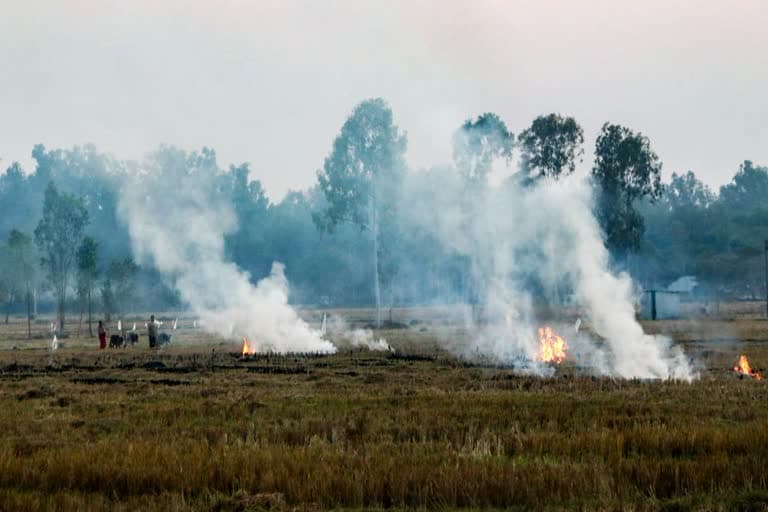
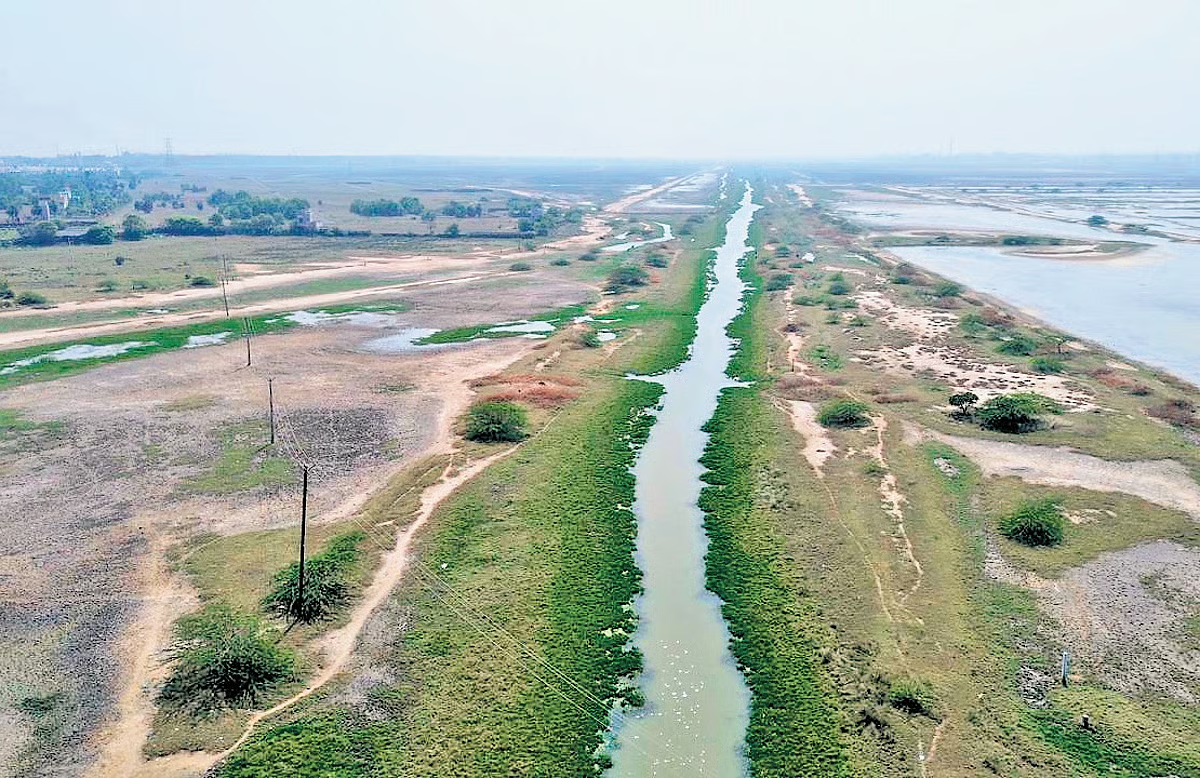
- Environmental changes due to irrigation, leading to loss of natural grassland habitats.
- Collision risks with high-tension power lines: Bustards often fly at similar heights and face visibility issues.
- Major threats include:
Judicial Actions:
- Supreme Court ruling in 2021 mandated the underground installation of low-voltage power lines in critical bustard habitats to mitigate collision risks.
- The initial directive faced backlash from renewable energy sectors, resulting in a subsequent modification stating only specific power lines in critical habitats need to be underground.
Broader Conservation Context:
- Approximately 1,256 bird species globally are classified as threatened, which constitutes about 11.5% of the world’s total.
- Decline statistics: Skylark populations have fallen nearly 80%, and Indian rollers by approximately 30% over 12 years.
- Critique of current conservation policies: Emphasis on symbolic gestures rather than effective coexistence strategies between wildlife and human populations.
Cultural Significance:
- The Great Indian Bustard, locally known as "Godawan," holds important cultural ties to Rajasthan, reflected in government and private marketing efforts.
Conservation Recommendations:
- The need for a shift in conservation focus from individual species protection to a landscape-oriented approach that considers ecological contexts and human-wildlife interactions.
Future Outlook:
- Continued monitoring of breeding success and habitat protection strategies is essential for improving the population status of the Great Indian Bustard and related species.
- Further development of policies must balance ecological needs with human development, specifically concerning energy infrastructure and agriculture.
These points encapsulate the critical aspects and challenges of conserving the Great Indian Bustard while highlighting the implications for broader conservation practices within India.
Key Terms & Concepts
| Great Indian Bustard | Endangered bird species |
| Desert National Park | Location of bird release |
| Rajasthan | State involved in conservation |
| Supreme Court | Judiciary ordered power line modifications |
| 2021 | Year of Supreme Court ruling |
| 1,260 | Population of Bustards in 1969 |
| 120 | Current estimated population of Bustards |
| 57 | Captive-bred bustards produced this year |
| 29 | Chicks produced by captive-bred this year |
| 24 | Chicks produced by captive-bred last year |
| 11.5% | Percentage of threatened bird species worldwide |
| 80% | Decline in Skylark population |
| 30% |