iAspirants
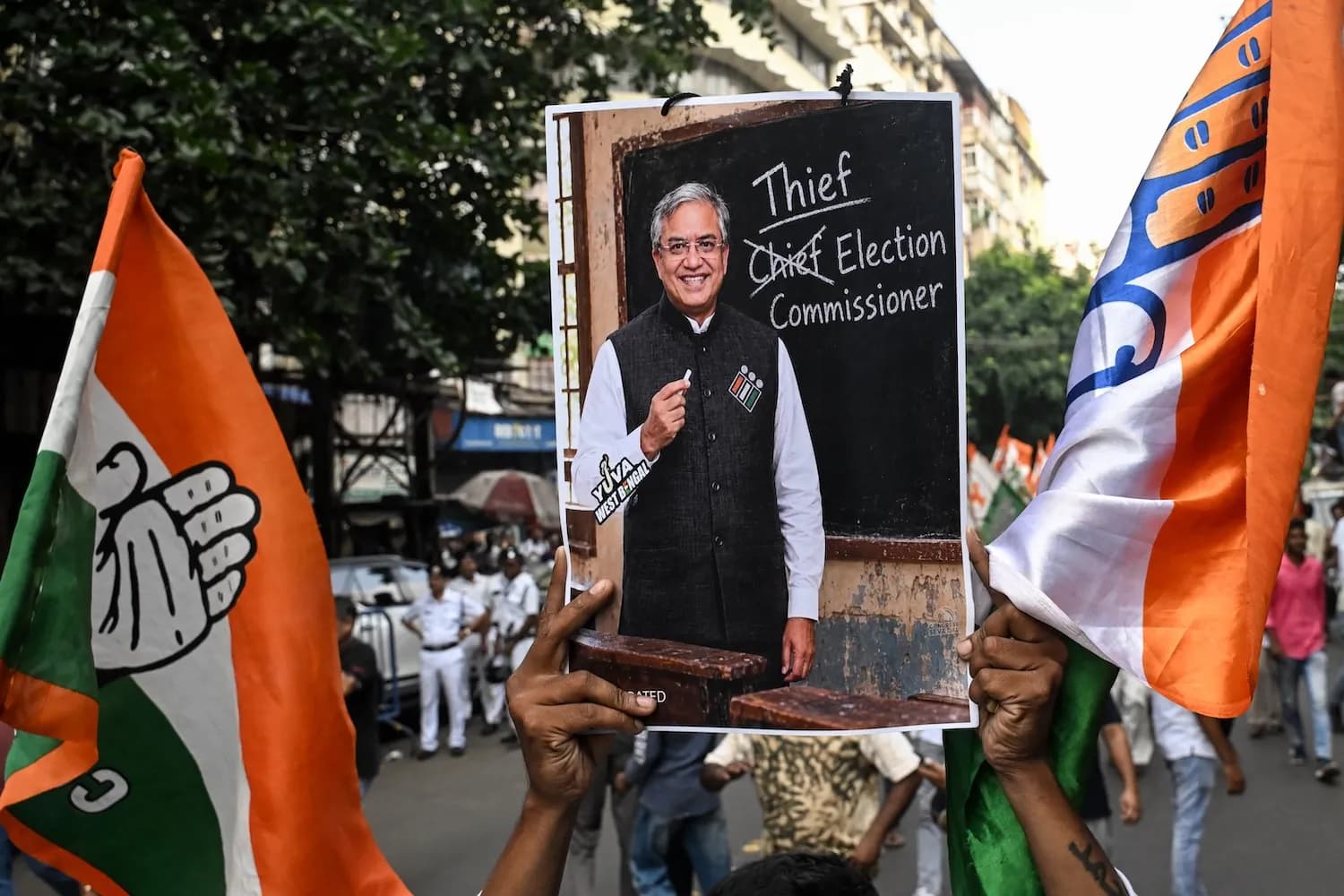
Controversy Over Election Commissioner Appointments
Published on:
Source: Indian Express
Share this post
Article Summary
Summary Notes on Election Commission Appointment Mechanism
Historical Context
- On June 15, 1949, during the Constituent Assembly debates, Shibban Lal Saxena expressed concerns regarding the appointment of Election Commissioners in India, suggesting it could lead to bias from the ruling party.
- Saxena proposed a two-thirds majority requirement in Parliament for appointments to ensure impartiality; however, this was voted down.
- H. N. Kunzru also raised concerns about the Central Government's potential bias, emphasizing that Commissioners must act fearlessly for democracy to thrive.
Constitutional Provisions
- Article 324 of the Indian Constitution establishes the Election Commission and provides a framework for the appointment of the Chief Election Commissioner (CEC) and Election Commissioners.
- No law was passed by Parliament for 74 years regarding the appointment mechanism until the Supreme Court intervened in 2023.
- The Supreme Court ruling in Anoop Baranwal v. Union of India mandated that appointments be made based on a recommendation from a committee comprising the Prime Minister, the Leader of the Opposition, and the Chief Justice of India (CJI).
Legislative Developments
- In 2023, Parliament enacted the Chief Election Commissioner and Other Election Commissioners Act, 2023, amending the selection committee by replacing the CJI with a Union Cabinet Minister nominated by the Prime Minister.
- The revised committee structure now includes the Prime Minister, the Leader of the Opposition, and a minister selected by the Prime Minister, raising concerns about the independence of the Election Commission due to the prominent role of the ruling party in the appointment process.
Current Concerns
- The recent changes have rekindled debate over the impartiality of the Election Commission, particularly whether the appointment mechanism allows for sufficient distance between the government and the electoral body.
- The essence of the arguments proposed in the Constituent Assembly remains relevant today, questioning whether the government can be trusted to appoint a neutral election referee amidst its own interests.
Key Takeaways
- Structural impartiality is essential for fostering trust in democratic institutions.
- The perception of independence of the Election Commission is critical; a lack of trust in the appointment process can undermine its legitimacy.
- Debate continues on whether the current parliamentary decision-making regarding appointments fulfills the democratic safeguards intended by the Constitution.
These concerns highlight an ongoing tension within democratic governance regarding electoral integrity, impartiality, and the foundational principles established in India's Constitution.
Key Terms & Concepts
| Article 324 | Foundation for Election Commission |
| Supreme Court ruling (Anoop Baranwal v. Union of India) | Appointment recommendations mechanism |
| Chief Election Commissioner and Other Election Commissioners Act, 2023 | Updated selection committee structure |
| Prime Minister, Leader of the Opposition, Union Cabinet Minister | Members of selection committee |
| Constituent Assembly Debates | Historical context for current debates |
| Election Commission | Regulates elections in India |