iAspirants
ICJ Ruling on Myanmar's Genocide
Published on:
Share this post
Article Summary
Summary of the ICJ Ruling on Myanmar and Genocide against Rohingya
International Legal Findings
- Judgment Date: November 19, 2026
- Court: International Court of Justice (ICJ)
- Findings: Myanmar found responsible for “committing genocide” against the Rohingya ethnic group in Rakhine province.
- Parties Involved: Gambia initiated the case in 2019; both countries are signatories to the 1948 UN Genocide Convention.
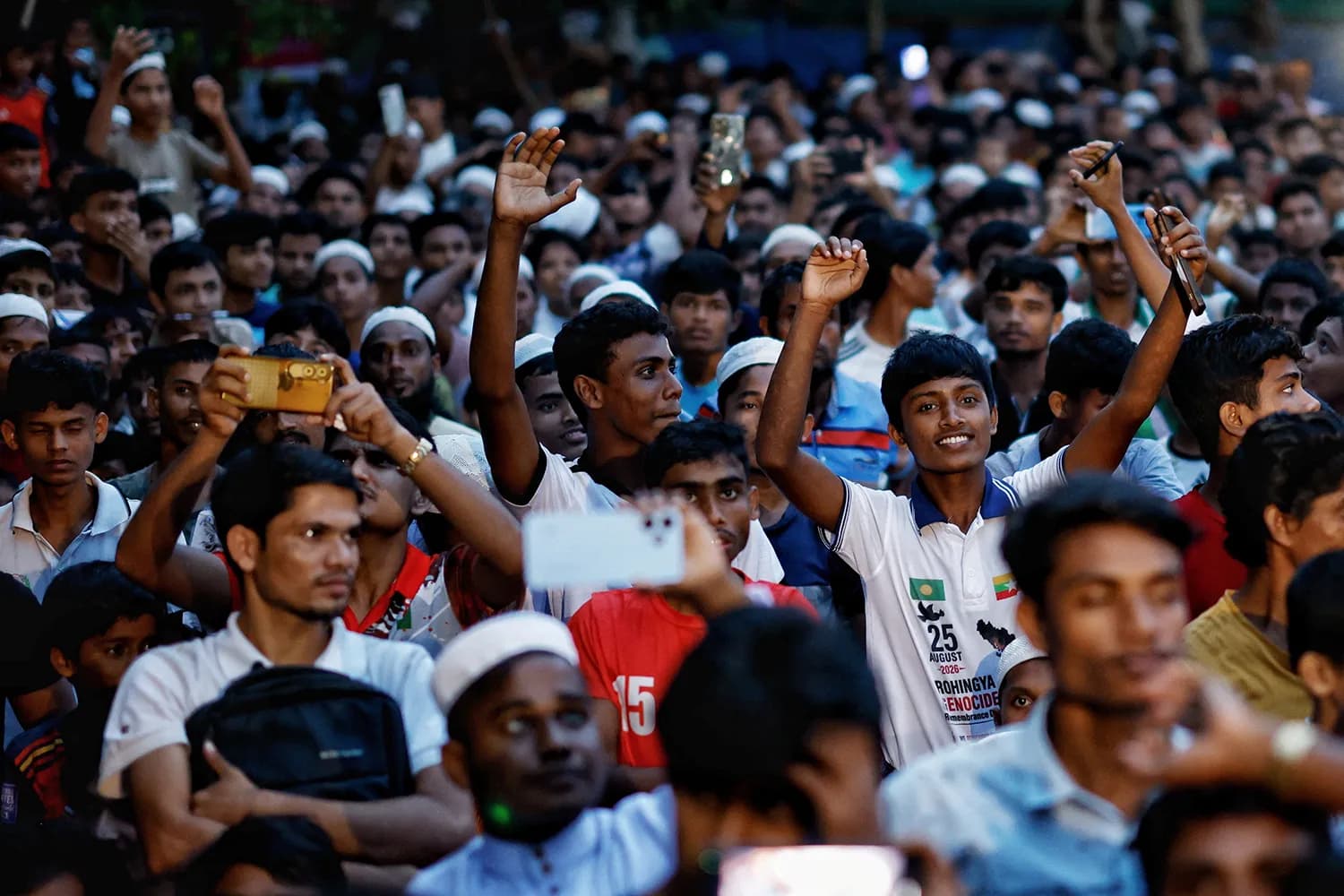
- Displacement Figures: Over 730,000 Rohingya displaced during military "clearance operations."
ICJ Orders to Myanmar
Myanmar is ordered to:
- Enact genocide laws and prosecute offenders.
- Guarantee measures against the recurrence of genocide.
- Facilitate the safe return and property restoration of displaced Rohingya.
- Conduct searches for missing persons and provide medical care.
- Report progress within two years regarding compensation efforts.
Notably, the ICJ ruling does not mandate citizenship for the Rohingya.
Legal Context and Challenges
Rule of International Law: Refers to the 2001 International Law Commission's (ILC) Articles on State Responsibility.
- Article 1: Establishes state responsibility.
- Articles 30 and 31: Emphasize the need for states to cease wrongful acts and offer full reparation.
No enforcement mechanism exists for ICJ rulings; political considerations may hinder compliance.
UN Charter Articles:
- Article 94(1): Mandates UN members to comply with ICJ judgments.
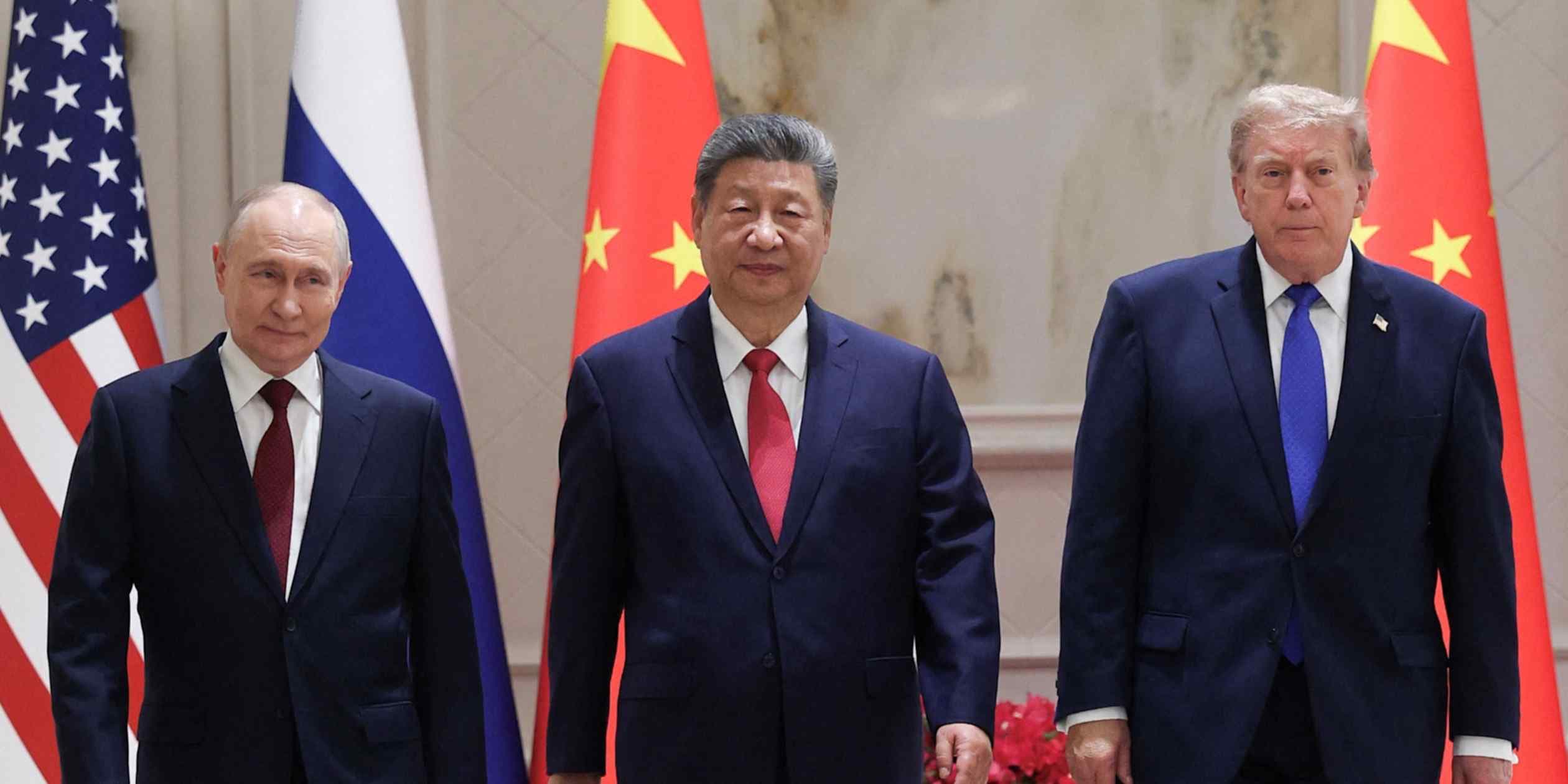
- Article 94(2): Allows the aggrieved country to seek enforcement through the UN Security Council, although the Council's resolutions can be vetoed by any of its five permanent members.
Historical Precedents & Implications
Historical reluctance in international law enforcement due to political compromise; instances include:
- Nicaragua v. United States (1984): The U.S. ignored ICJ orders after being ruled against.
Political loopholes permit states like Myanmar to avoid compliance by leveraging veto power.
Broader Implications on International Law
- The judgment bolsters the position of international law in recognizing genocide but highlights the limitations in enforcing compliance.
- The evolving definition of genocide has been shaped by political negotiations since 1948, with an emphasis on mass killings, excluding cultural genocide.
Conclusion
The ICJ's ruling serves as a crucial document reaffirming the international community’s stance against genocide and the responsibilities of states under international law. However, the practical ability to enforce such a ruling remains contingent upon the political will of other nations, outlining the challenges faced by international justice mechanisms.
Key Terms & Concepts
| International Court of Justice | Judged Myanmar for genocide |
| Rohingya ethnic group | Victims of genocide |
| Gambia | Initiated case against Myanmar |
| 1948 UN Genocide Convention | Legal framework for genocide |
| 730,000 | Number of displaced Rohingya |
| Article 94 | UN Charter compliance clause |
| Article 1 of ILC | Establishes state responsibility |
| ILC 2001 Articles on State Responsibility | Foundation for state accountability |
| Nicaragua v. United States | Past ICJ case illustrating enforcement issues |
| UN Security Council | Entity that can enforce ICJ rulings |
| Article 30 and 31 of ILC | Relevant reparative articles |