iAspirants
Current AffairsPrelims PYQsUPSC CSE SyllabusUPSC CSE StrategyBlogsPricing
Login
iAspirants

Your AI-powered companion for UPSC preparation.

Quick Links

  • Home
  • About Us
  • Current Affairs
  • Prelims PYQs
  • UPSC CSE Syllabus
  • UPSC CSE Strategy
  • Blogs

Company

  • Pricing
  • FAQs
  • Contact Us
  • Login

Legal

  • Privacy Policy
  • Terms & Conditions
  • Return Policy

© 2025 iAspirants, Inc. All rights reserved.

  1. Blogs
  2. Economic and Social Development

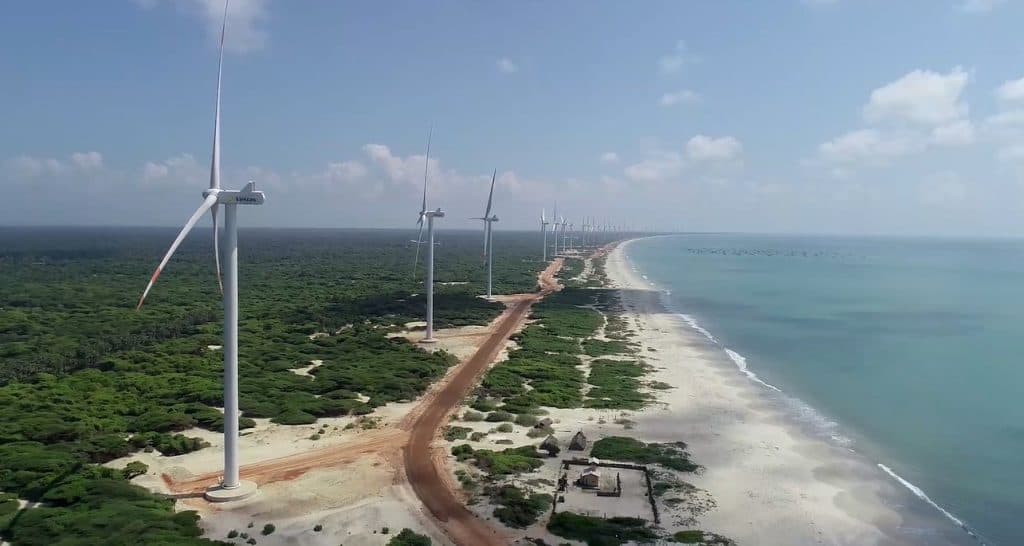
India Renewable Energy Summit 2026

Published on: 27-Aug-2026

Share this post

India Renewable Energy Summit 2026

Article Summary

Exam-Focused Notes on India's Renewable Energy Summit 2026

Event Overview:

  • Event Name: India Renewable Energy Summit and Expo 2026 (BRESE 2026)
  • Dates: November 2-5, 2026
  • Location: Bharat Mandapam, New Delhi
  • Purpose: To promote clean energy investment and collaboration among stakeholders.

Key Participants:

  • Central Minister: Prahlad Joshi (Ministry of New and Renewable Energy)
  • Maharashtra Renewable Energy Minister: Atul Morewshwar Save
  • Expected Attendance: Over 25,000 participants, including heads of state and energy ministers from 75+ countries.

Objectives:

  • To provide a platform for stakeholders to build partnerships, explore new markets, and connect with global investors and technology providers.
  • Showcase state projects to global developers and financial institutions.

Renewable Energy Development:

  • Installed Capacity: India has surpassed 300 GW of non-fossil fuel capacity, reaching approximately 302-303 GW.
  • Growth Statistics:
    • Non-fossil fuel capacity increased from 80.3 GW to 300.5 GW over 12 years (an increase of 275%).
    • Solar energy capacity grew from 2.8 GW to 165 GW (approximately 58-fold increase).
    • Wind energy capacity increased from 21 GW to 58 GW (176% growth).
  • Recent Additions: Over 17 GW of renewable energy capacity added in the first four months of FY 2026-27, including 14.33 GW of solar and over 2 GW of wind energy.

Government Schemes:

  • PM Surya Ghar: Free Electricity Scheme:
    • Benefits over 5.35 million households.
    • Budget increased from ₹17,000 crore in 2025-26 to ₹22,000 crore in 2026-27.
    • Central financial assistance exceeding ₹28,000 crore since the scheme's inception in February 2024.
  • PM-KUSUM Scheme: Transitioning farmers from diesel to solar-powered irrigation, empowering them as energy producers.

Economic Indicators:

  • Investment Needs: To achieve the target of 500 GW of non-fossil fuel capacity by 2030, an investment of over ₹30 lakh crore is required in the next five years.
  • Role of Financial Institutions: Significant funding will come from Indian financial institutions, capital markets, insurance funds, and private capital.

Future Prospects:

  • Maharashtra aims to achieve 65 GW of renewable energy capacity by 2030.
  • Upcoming roadshows planned in key cities (Hyderabad, Ahmedabad, Lucknow, Bengaluru, Kolkata) to promote BRESE 2026.

International Collaborations:

  • The summit will host the 9th Assembly of the International Solar Alliance (ISA) and the 4th International Conference on Green Hydrogen.

Conclusion:

The India Renewable Energy Summit and Expo 2026 is a crucial event aimed at enhancing global cooperation in the renewable energy sector, promoting investment, and showcasing India's rapid growth in clean energy technologies. The government schemes like PM Surya Ghar and PM-KUSUM are pivotal in transitioning to sustainable energy sources while also addressing the needs of the agricultural sector.

Key Terms & Concepts

BRES 2026Renewable energy summit and expo
Maharashtra GovernmentPartner state for BRES 2026
300 GWInstalled non-fossil fuel capacity
PM Surya Ghar SchemeFree electricity scheme for families
53.5 lakhBeneficiary families of PM Surya Ghar
80.3 GW to 300.5 GWGrowth in non-fossil fuel capacity
165 GWSolar energy capacity achieved
58 GWWind energy capacity achieved
₹30 lakh croreInvestment needed for 500 GW target
2026-27Target year for investment needs
PM-KUSUMScheme for solar pumps for farmers
50 lakhFamilies generating solar energy
₹28,000 crore

Mind Map for UPSC Civil Services Revision

Turn UPSC Civil Services Current Affairs Into Exam-Ready Notes

Reading Economic and Social Development current affairs is half the work. Revise them with ready-made notes and test what actually stuck.

  • Daily UPSC Civil Services current affairs analysis
  • Revision notes, mind maps & MCQs
  • Prelims mock tests with instant results

Related UPSC Civil Services Current Affairs Articles

India's Youth and Educational Development
Economic and Social Development28-Aug-2026

India's Youth and Educational Development

Exam-Focused Summary

Demographics and Education

  • Youth Population: Approximately 28.3% of India’s population (around 40.1 crore individuals) falls within the 15-30 age demographic.
  • Education Levels:
    • Average education for youth aged 15-30: .
Financial assistance disbursed
₹17,000 crore to ₹22,000 croreBudget increase for PM Surya Ghar
November 2-5, 2026Dates for BRES 2026 event
10.8 years
  • 43.6% have completed Class 12; of these, 46.3% pursue higher education.
  • Critical Issues

    • Vocational Training: Only 5.1% of young people have received formal vocational or technical training, emphasizing a substantial gap in practical skills necessary for employment.
    • Labour Force Participation:
      • Overall rate: 48.3%; higher for males at 67.1% versus females at 29.1%.
      • Worker population ratio: 44%, with men at 61.4% and women at 26.2%.

    National Policies and Schemes

    • National Education Policy (NEP) 2020: Focuses on quality education, learning outcomes, and skills, mainstreaming vocational education.
    • Samagra Shiksha and PM SHRI: Government initiatives to improve educational quality and skill acquisition in schools.
    • National Curriculum Framework for School Education (NCF-SE): Integrates skill education from middle to secondary levels, providing practical learning opportunities.
    • National Skills Qualifications Framework (NSQF): aligns secondary and senior secondary skill courses with job market needs.

    Economic Indicators

    • Youth Unemployment Rates:
      • Rise from 1% among illiterates to 13.7% among those with undergraduate qualifications.
      • Unemployment with formal skilling: 3.1%, as opposed to 4.9% without skilling.
    • Earnings Comparison:
      • Average monthly earnings rise from ₹10,545 among illiterates to ₹26,013 for undergraduate and higher qualifications.
      • Diploma holders earn about 72% more than illiterate counterparts.

    Skill Development Measures

    • Implementation of pre-vocational exposure, bagless days, and internship programs to enhance job readiness.
    • Skill courses aligned with NSQF for Classes 9-12; 138 job roles approved.
    • A flexible learning ecosystem needed to continually upgrade qualifications, essential for remaining competitive in a tech-driven job market.

    International Perspectives

    • Education enhances capabilities and supports inclusion, critical for economic resilience as India aspires toward Viksit Bharat by 2047.

    Conclusion

    India’s significant youth population presents an opportunity to leverage its demographic dividend through investments in education and vocational training, align with economic demands, and create a skilled workforce prepared for future challenges. The government's multifaceted approach, through policies and schemes like the NEP 2020, aims to ensure quality education and skills for productive employment, reinforcing the alignment of educational outcomes with labor market needs.

    Childhood Cancer Statistics in India
    Economic and Social Development27-Aug-2026

    Childhood Cancer Statistics in India

    Summary of Childhood Cancer Issues in India

    Key Findings:

    • India accounts for 68.6% of new childhood cancer cases in the SAARC region, with 25,939 new cases and 17,698 deaths reported annually (2022).
    • Leukaemia is the most prevalent childhood cancer (35-50% of cases), followed by central nervous system (CNS) tumors (~12%).
    • The national cancer registry in India covers only 15% of the population, primarily urban areas, leading to underreporting in rural locations.

    Health Statistics:

    • Children under 14 years: Approximately 380 million in India.
    • Cure rates: Childhood leukaemia can achieve 80-90% cure rates with early diagnosis; however, overall cure rates for childhood cancers are skewed due to socioeconomic factors, with less than 30% cure rates in low- and middle-income countries, compared to over 80% in high-income nations.

    Challenges:

    • Delayed diagnosis and advanced presentation of cancer significantly affect survival rates.
    • Financial Constraints: High treatment costs can lead to abandonment, worsened by the failure of initial treatments.
    • Need for a comprehensive cancer registry: Essential for accurate data, aiding in the identification of geographical patterns and factors affecting childhood cancer incidence.

    Government Schemes and Policies:

    • Ayushman Bharat scheme: Provides ₹5 lakh health cover per family, subsidizing initial treatment in government hospitals.
    • As of August 11, 2026, the Supreme Court mandated all states and UTs to declare cancer as a notifiable disease to enhance data collection and reporting.

    Recommendations:

    • Enhance cancer registration and reporting practices to cover rural areas, aiming for a national registry capturing diagnosis, geographical origin, and treatment outcomes.
    • Improve access to specialized healthcare and financial support for families undergoing treatment.
    • Provide improved educational resources about the importance of early diagnosis and available treatment options.

    Current Developments:

    • Significant expansions of cancer treatment infrastructure across states, along with an increase in specialized paediatric oncology units, facilitating better access to care.
    • Ongoing efforts by institutions like the Cancer Institute in Chennai to establish registries and improve information sharing among hospitals.

    Conclusion:

    To effectively combat childhood cancer in India, a multi-faceted approach focusing on early diagnosis, improved healthcare access, financial support, and comprehensive data collection is essential for increasing survival rates and improving outcomes for affected children and their families.

    India's Food Security Transformation Overview
    Economic and Social Development27-Aug-2026

    India's Food Security Transformation Overview

    Summary Notes on India’s Food Security and Climate Resilience

    Constitutional Framework

    • National Food Security Act (NFSA), 2013: Provides legal entitlement to subsidized foodgrains for approximately 800 million people in India.

    Achievements in Food Production

    • Transitioned from reliance on food aid in the 1960s to becoming a major food producer.
    • Food Grain Production: Over 350 million tonnes in 2024-25, including record outputs of rice and wheat.

    Food Distribution Mechanisms

    • Public Distribution System (PDS): Enhanced with digitization and the One Nation One Ration Card (ONORC) scheme for accessible food entitlements.

    Climate Challenges

    • Climate change affects production stability with rising temperatures, erratic rainfall, and water scarcity.
    • Need for policies focusing on climate-resilient food systems to ensure affordable and nutritious food for 1.4 billion people.
    Prime Minister's Jan Dhan Yojana Achievements
    Economic and Social Development27-Aug-2026

    Prime Minister's Jan Dhan Yojana Achievements

    Exam-Focused Notes on Pradhan Mantri Jan Dhan Yojana (PMJDY)

    Overview

    • Launch Date: August 28, 2014, by Prime Minister Narendra Modi.
    • Objective: To enhance financial inclusion and provide banking facilities to the unbanked population in India.

    Key Achievements (as of August 19, 2026)

    • Total Accounts Opened: 59.09 crore PMJDY accounts.
    • Total Deposits: ₹3.17 lakh crore.
    • Gender Distribution: 56% of account holders are women.
    • Geographical Distribution: 78% of accounts are in rural and semi-urban areas.
    • Digital Payment Facilitation: Over 41 crore Rupay cards issued to account holders.

    Financial Inclusion Impact

    • Direct Benefit Transfer: The JAM (Jan Dhan-Aadhaar-Mobile) Trinity allows for direct transfer of welfare benefits to the disadvantaged, eliminating intermediaries.
    • Minimum Balance Requirement: No minimum balance is required for maintaining PMJDY accounts, promoting accessibility.
    Scholarship Transforms Researcher's Career
    Economic and Social Development27-Aug-2026

    Scholarship Transforms Researcher's Career

    Exam-Focused Notes on Karnan A.'s Journey with NFSF Fellowship

    1. Background:

      • Karnan A., a 30-year-old researcher from Shivaganga district, Tamil Nadu.
      • Belongs to the Scheduled Caste community; first researcher in his family.
      • Parents are seasonal farmers with limited and irregular income.
      • Faced economic challenges throughout his education, resorting to daily wage labor and tutoring for financial support.
    2. National Fellowship:

      • Beneficiary of the National Fellowship for Scheduled Caste Students (NFSF).
      • Selected for the fellowship based on scores from the CSIR-UGC NET exam in December 2018.
      • Fellowship commenced in September 2019, providing financial assistance of approximately ₹16 lakh, including house rent allowance and contingency support.
    3. Impact of the Fellowship:

      • The NFSF provided Karnan with the financial independence to focus entirely on his research, alleviating the burden of daily wage work and tutoring for meeting educational expenses.
    Analysis of India's Sugar Industry
    Economic and Social Development26-Aug-2026

    Analysis of India's Sugar Industry

    Indian Sugar Industry Overview

    Key Facts and Figures:

    • Global Ranking: India is the second-largest sugarcane producer globally.
    • Employment: The sugarcane sector supports approximately 50 million farmers and 500,000 workers in sugar mills and related industries.
    • Production Estimates: According to the Ministry of Agriculture, India’s sugarcane production is projected to reach 500 million metric tons (MMT) by 2025-26, up from 348.44 MMT in 2015-16, marking a growth of approximately 43.5%.
    • Cultivated Area: The area under sugarcane cultivation increased from 4.927 million hectares in 2015-16 to 5.887 million hectares in 2025-26.
    • Top Producing States: Uttar Pradesh and Maharashtra are the leading states in sugarcane production.
    • Export Data: Sugar export is projected to increase from 0.47 MMT in 2016-17 to 0.8 MMT in 2025-26.

    Government Policies and Pricing:

    • Fair and Remunerative Price (FRP): For the sugar season 2026-27, FRP is set at ₹365 per quintal, reflecting an increase of ₹135 from the previous FRP of ₹230 per quintal in 2016-17.
    • Ethanol Blending: The blending of ethanol with petrol aims to reduce fossil fuel dependency and enhance energy security. The initiative supports farmers with stable income and reduces greenhouse gas emissions.

    Economic Indicators:

    • Annual Sugar Production: India produces approximately 30-34 million metric tons (MMT) of sugar annually, with domestic consumption around 28-29 MMT.
    • Sugar Price Trends: As of August 2026, sugar prices increased from ₹48.18 to ₹55.70 per kilogram in just one month (15.6% rise). However, annual price growth remained around 3% from August 2024 to July 2026.
    • Global Sugar Prices: International sugar prices rose from $474 per ton on June 30, 2026, to $552 per ton by August 20, 2026 (over 16% increase).

    Challenges Facing the Industry:

    • Production Issues: Current sugar production is estimated at 306 MMT, down from an initial projection of 343 MMT due to diseases like red rot and top borer, and adverse weather conditions.
    • Market Speculation: Recent price hikes have been attributed to market speculation and hoarding by certain segments of the industry.

    Government Measures to Control Prices:

    • Stock Limits: A stock limit of 400 tons has been imposed on sugar dealers from August 1, 2026, to November 30, 2026.
    • Consumption Limits: From September 1, 2026, wholesale consumers are restricted from holding more than 15 days’ worth of sugar.
    • Physical Verification: Joint teams from central and state governments are conducting physical verifications of sugar stocks to curb hoarding.
    • Import Allowance: To increase domestic availability, the government has allowed a duty-free import of 1 million metric tons of raw sugar.

    Future Outlook:

    • Production Forecast: The new crushing season starting in October 2026 is expected to boost production significantly, potentially increasing availability during the festive season.
    • Sustainability Focus: The sugar industry is evolving to support farmers, enhance energy production, and engage in global trade, despite facing temporary pressures from low production and market dynamics.

    Conclusion:

    The Indian sugar industry plays a crucial role in the agricultural economy, impacting millions of livelihoods. While it faces challenges, government interventions aim to stabilize the market and support both farmers and consumers. The balance between sustainable practices and economic viability remains a priority for the sector's future development.

    EPFO Pension Disbursement Before Onam
    Economic and Social Development26-Aug-2026

    EPFO Pension Disbursement Before Onam

    Exam-Focused Notes

    1. Employee Pension Fund Organization (EPFO) Initiatives:

    • Pension Distribution: EPFO released pensions for August 2026 on August 26, 2026, prior to the Onam festival, benefiting 440,901 pensioners in the Kerala region.
    • Purpose: The early disbursement aims to assist pensioners and their families to meet financial needs during the festive season.

    2. Employee Pension Scheme (EPS), 1995:

    • Regular Disbursement: Under the EPS, pensions are typically issued at the end of each month.
    • Special Arrangement: The early release was a special arrangement in light of the Onam celebrations.

    3. Centralized Pension Payment System (CPPS):

    • Functionality: The pension payments were facilitated through the CPPS, ensuring direct and efficient transfer of pensions into beneficiaries' bank accounts across the country.
    • Goal: EPFO aims to enhance the timely delivery of social security benefits and improve pension services through technology-enabled initiatives and citizen-centric reforms.
    India-Japan Startup Collaboration Conference
    Economic and Social Development26-Aug-2026

    India-Japan Startup Collaboration Conference

    India-Japan Startup Roundtable Conference Highlights

    Key Facts & Figures:

    • India has become the world's third-largest startup ecosystem with approximately 250,000 startups launched in the last decade.
    • The "India-Japan Pitching Series" has connected 65 Indian startups with around 100 Japanese companies, resulting in over 30 business partnerships.

    Government Initiatives:

    • Union Minister Piyush Goyal proposed a visionary framework for India-Japan startup collaboration focusing on four pillars:
      1. Deep-Tech Capital Corridor: Long-term investment in early-stage research and commercialization.
      2. Bilateral Innovation Bridge: Connecting universities, incubators, R&D institutions, and testing facilities in both countries.
      3. Manufacturing and Technology Integration: Merging India's large-scale engineering talent with Japan's precision engineering and manufacturing capabilities.
      4. Joint Startup Pitching Platform: Facilitating regular dialogues between Indian founders and Japanese companies, venture funds, and strategic investors.
    Youth Agitation on Education Reform
    Economic and Social Development26-Aug-2026

    Youth Agitation on Education Reform

    Summary of Key Facts and Data

    1. Youth Agitation & Government Response:

      • Recent youth protests led to the resignation of Union Education Minister Dharmendra Pradhan.
      • Government announced reforms in examination and free online coaching for competitive exams as mentioned in the Prime Minister’s Independence Day address. This aims to leverage India's digital public infrastructure.
    2. Coaching and Education Costs:

      • The cost of private coaching has risen to 16% of Indian families' education expenditure, up from 12.5% in 2018.
      • By higher secondary years, coaching takes up nearly a quarter of the education budget.
      • For medical entrance exams, over 22 lakh candidates vied for approximately 1.4 lakh undergraduate seats, with fewer than 10,000 seats available in top 50 colleges – reflecting the competitive nature of education.
    3. Undergraduate Enrolment Trends:

      • For the first time since 2011, there was a reduction in undergraduate enrolment by 93,322 in 2023-24, particularly notable among young men.

    Proposed Strategies for Resilience

    1. Diversification of Crops and Regions: Move beyond traditional crops (rice and wheat) to include millets, pulses, and oilseeds to mitigate risks.

    2. Integrated Procurement: Expand procurement systems to accommodate varying crops suited for local climatic conditions.

    3. Climate-Resilient Agricultural Practices:

      • Introduction of climate-resilient seed varieties, micro-irrigation, precision farming, and digital pest management.
      • Financial tools like weather-indexed insurance to help farmers manage risks.
    4. Infrastructure Upgrades:

      • Strengthening flood-resilient warehouses and expanding cold chain logistics for perishables.
      • Investments in robust transport systems are crucial for a diverse food basket.

    Monitoring and Forewarning Systems

    • Utilize forecasts from the India Meteorological Department for procurement decisions and buffer-stock management.

    Funding and Financial Innovations

    • Development of mechanisms like green bonds and adaptation finance to support climate-resilient agricultural systems.

    Holistic Approach to Food Security

    • Shift the focus from "food security" to "sustainable food security," embedding climate risk management in planning and monitoring under the NFSA.

    Collaborative Actions

    • Need for public-private partnerships in research and technology delivery, targeting climate-exposed regions and smallholder farmers.

    Future Directions

    • Building a "climate buffer" that integrates crop diversity, infrastructure resilience, and effective water management as a countermeasure against climate unpredictability.

    Vision for Sustainable Food Systems

    • Emphasizing climate adaptation and food security as intertwined priorities, with a focus on long-term sustainability and the nutritional needs of the population.

    This framework is critical in sustaining India's agricultural achievements while adapting to the exigent realities posed by climate change.

  • Free Rupay Debit Card: Each account holder receives a Rupay card with accident insurance coverage of up to ₹2 lakh.
  • Overdraft Facility: Account holders can access an overdraft facility of up to ₹10,000 for emergencies.
  • Socio-Economic Improvements

    • Insurance Coverage: PMJDY accounts significantly contribute to life and accident insurance for informal sector workers through schemes like PM Jeevan Jyoti Bima Yojana and PM Suraksha Bima Yojana.
    • Average Deposit: The average deposit per account is ₹5,356, reflecting a 3.4 times increase over the last 12 years.
    • Growth in Deposits: Total deposits have increased approximately 12.8 times since inception.

    Government Support and Initiatives

    • Financial Literacy Campaigns: Ongoing efforts to promote universal coverage of bank accounts and increase access to insurance and pension schemes.
    • Regulatory Support: The program benefits from robust regulatory frameworks and public-private partnerships, enhancing its outreach and effectiveness.

    Economic Data

    • Growth in Account Numbers: The number of PMJDY accounts has increased 2.3 times since 2015.
    • Digital Infrastructure: Integration of biometric verification via Aadhaar has strengthened the program's framework.

    Future Prospects

    • Continued Focus: PMJDY is set to enter its 13th year, emphasizing inclusive growth, digital innovation, and economic empowerment.
    • Commitment to No Citizen Left Behind: The initiative demonstrates the government's commitment to ensuring financial prosperity for all citizens.

    Constitutional and Policy References

    • Financial Inclusion: Aligns with the Directive Principles of State Policy (DPSPs) under Article 41 of the Indian Constitution, which mandates the state to secure the right to work, education, and public assistance in certain cases.
    • Social Security: The program aims to improve the socio-economic conditions of marginalized groups, reflecting the constitutional mandate for social justice.

    Conclusion

    Pradhan Mantri Jan Dhan Yojana has transformed India's financial landscape by significantly increasing banking access, especially for women and rural populations, thereby enhancing financial security and inclusion. Its success is a model for global financial inclusion efforts, demonstrating effective governance and the importance of direct welfare delivery mechanisms.

  • Boosted his confidence and mental peace, enabling him to concentrate on his doctoral studies.
  • Academic Achievements:

    • Successfully qualified for the Junior Research Fellowship (JRF) after reattempting the NET exam.
    • Completed his Ph.D. with his dissertation rated as "highly commendable."
    • Published six research papers in SCI/SCIE-indexed international journals.
  • Current Position:

    • Post-Ph.D., he was selected as a Postdoctoral Fellow at the Indian Institute of Science (IISc), Bangalore, under the Institution of Eminence program with a monthly fellowship of ₹67,000.
    • Currently employed as a Scientist-C at the CSIR Fourth Paradigm Institute, Bangalore, with a monthly salary of ₹69,700 as per the 7th Pay Commission (Level-11).
  • Community Contribution:

    • Now able to support his family financially and contribute to his brothers' education.
    • Actively involved in assisting the education of children in his community.
  • Acknowledgments:

    • Expressed gratitude to the Department of Social Justice and Empowerment for providing the fellowship and the University Grants Commission (UGC) for its effective implementation.
  • Constitutional References:

    • The initiative aligns with the constitutional provisions for affirmative action, particularly Article 46, which promotes the educational and economic interests of Scheduled Castes and Scheduled Tribes.
  • Significance of the Case:

    • Highlights the role of timely financial assistance in overcoming socio-economic barriers for talented students from marginalized backgrounds.
    • Illustrates the importance of fellowship programs in fostering academic excellence and contributing to national development through research.
  • This summary encapsulates key facts, figures, and implications of Karnan A.'s journey, emphasizing the transformative impact of the NFSF on his academic and professional life.

    4. Commitment to Social Security:

    • EPFO is dedicated to providing timely social security benefits and continuously works on improving pension services for its members and pensioners.

    Key Takeaways:

    • The EPFO's proactive approach to pension disbursement reflects its commitment to social security.
    • The technological advancements in pension payment systems, like CPPS, are crucial for efficient fund distribution.
    • The EPS, 1995 remains a significant framework for ensuring financial security for retired employees.

    This information is relevant for understanding government initiatives in social security, particularly in relation to pension schemes and technological advancements in service delivery.

    Investment Proposal:

    • A proposed second "Fund of Funds" by the Indian government, amounting to approximately USD 1 billion, aims to support deep-tech companies and encourage greater participation from Japanese investors.

    Economic Cooperation:

    • Discussions focused on strengthening technology partnerships, enhancing investments, and advancing innovation-based economic cooperation.
    • Japanese stakeholders welcomed the maturity of India's startup ecosystem and highlighted the potential for transforming social and developmental challenges into business opportunities.

    Sectors of Interest:

    • Key sectors identified for future India-Japan investments include:
      • Artificial Intelligence (AI)
      • Semiconductors
      • Healthcare
      • Space
      • Defense
      • Advanced Manufacturing
      • Deep Technology

    Judicial & Policy Framework:

    • Emphasis on creating institutional partnerships for startups and innovation through regular investor-startup dialogues, technology partnerships, and co-investment frameworks.

    International Collaboration:

    • The roundtable included participation from around 40 major Japanese companies, such as MUFG Innovation Partners, Fujitsu Limited, and SBI Investment.
    • The event underscored the significance of bilateral cooperation in technology and innovation, enhancing the global competitiveness of both nations.

    Science & Technology Updates:

    • Indian startups showcased capabilities in sectors such as aerospace, defense, drones, health tech, robotics, and digital health.
    • The emphasis on advanced manufacturing and technology-based ventures indicates a shift from traditional internet and software businesses.

    Conclusion:

    • The discussions recognized the complementary strengths of India and Japan, with India's vast operational capacity and entrepreneurial spirit aligning with Japan's advanced technology and manufacturing excellence.
    • The goal is to build globally competitive enterprises and technologies that meet market demands in India, Japan, and beyond. The focus remains on fostering strong connections between educational and industrial institutions in both countries.
  • Uttar Pradesh recorded a decline in undergraduate enrolment by 1.53 lakh while diploma programmes increased by 1.38 lakh.
  • Youth Employment Crisis:

    • Data from the Periodic Labour Force Survey indicates that only 26 out of every 100 graduates aged 15-29 had regular salaried employment in 2025, with merely 4 having jobs that included contracts and social security.
    • Issues persist in job preparation and availability.
  • Economic Indicators:

    • Despite government claims of economic growth at 6%-6.5%, structural problems are evident.
    • Manufacturing contributes approximately 16.7% to Gross Value Added (GVA), far from the previous expectations of a quarter of the economy.
    • Private sector investment has dropped from 17.3% of GDP (2007-08) to 10.3% projected for 2024-25, despite a reduction in corporate tax from 30% to 22% in 2019.
  • Government Policy Recommendations:

    • Emphasis on increasing public investment in industrial capacity.
    • Encourage industries that perform based on export success rather than relying solely on domestic market protection.
    • Suggested to mitigate regulatory pressures to support medium-sized companies that drive job growth.
  • International Comparisons:

    • Reference to Vietnam as an example of a country showing successful job creation through investment in industrial capacity.
  • Constitutional References:

    • The Indian Constitution does not have a specific article solely addressing education but emphasizes the importance of education in various aspects. The Right to Education Act (2009) mandates free and compulsory education for children aged 6 to 14 years, which underlines the government's education initiatives.

    Conclusion: The structural issues identified in India's education and economic sectors underline the need for coordinated governmental strategies targeting both educational reforms and industrial growth to adequately prepare youth for employment and to foster sustainable economic development.