iAspirants
Current AffairsPrelims PYQsUPSC CSE SyllabusUPSC CSE StrategyBlogsPricing
Login
iAspirants

Your AI-powered companion for UPSC preparation.

Quick Links

  • Home
  • About Us
  • Current Affairs
  • Prelims PYQs
  • UPSC CSE Syllabus
  • UPSC CSE Strategy
  • Blogs

Company

  • Pricing
  • FAQs
  • Contact Us
  • Login

Legal

  • Privacy Policy
  • Terms & Conditions
  • Return Policy

© 2026 iAspirants, Inc. All rights reserved.

  1. Blogs
  2. International Relations

India's Diplomatic Challenge with Bangladesh

Published on: 10-Sep-2026

Source: The Hindu

Share this post

India's Diplomatic Challenge with Bangladesh

Article Summary

Exam-Focused Notes

International Relations

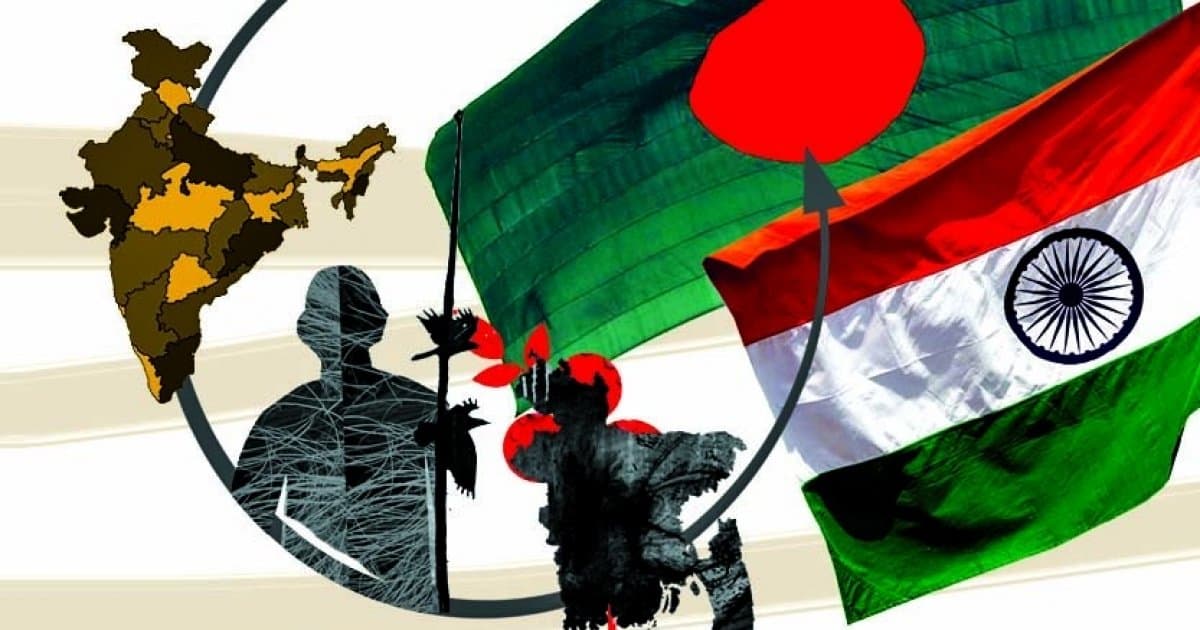
  • Extradition Demand: Bangladesh is requesting the extradition of former Prime Minister Sheikh Hasina to face charges related to a student uprising.
  • India's Dilemma: India must maintain a balance between its historical ties with Sheikh Hasina and its current relationship with the Bangladeshi government.
  • Proposed Solution: A legal-diplomatic approach is suggested, involving:
    • Examination of the extradition request under the existing extradition treaty.
    • Assurance of a fair trial and protection against political persecution.
    • Continuous dialogue to maintain credibility and bilateral relations.

BRICS Participation

  • Participation of Bangladesh in the BRICS summit is considered beneficial for its international standing, emphasizing the need to set aside sensitive issues like Sheikh Hasina's extradition for broader bilateral and multilateral relations.

Conflicts and Peace Initiatives

  • Russia-Ukraine Conflict: India is exploring ways to aid in ending the Russia-Ukraine conflict, which has caused significant humanitarian and economic crises, raising concerns about the recruitment of Indian nationals into military service.
  • Call for Accountability: There is pressure on the Indian government to address the situation of Indian nationals reportedly coerced into military service during the conflict.

Historical Context

  • The principles of the French Revolution (liberty, equality, fraternity) were brought into focus concerning contemporary issues related to gender discrimination highlighted by a recent protest at the Eiffel Tower regarding women's visibility and representation in the workplace.

Summary of Key Constitutional and Policy Aspects

  • India-Bangladesh Relations: The importance of diplomatic efforts rooted in mutual national interests and civilizational ties.
  • Extradition Treaty Matrix: The need for legal frameworks supporting extradition requests, highlighting the importance of due process and human rights considerations.

Economic Indicators and Social Issues

  • Humanitarian Impact: The ongoing war has led to loss of life, and significant community safety issues for Indian contractors in conflict zones.
  • The need to assess foreign policies against international humanitarian norms.

Recommendations for Government Action

  • Strengthened Diplomatic Conversations: Engage both Bangladesh and involved parties in open discussions to reaffirm commitments to national integrity while addressing sensitive historical grievances.
  • Support for Affected Nationals: Implement protective measures for Indian nationals employed abroad to avoid exploitation in foreign military conflicts.

These notes encapsulate critical elements regarding international law, diplomatic relations, and evolving foreign policy stances that could be relevant in scholarly discussions or examination contexts.

Key Terms & Concepts

Sheikh HasinaFormer leader facing extradition
BangladeshCountry requesting extradition
IndiaCountry mediating the issue
BRICSMultilateral organization for cooperation
Russia-Ukraine conflictOngoing international conflict
Eiffel Tower incidentRecent protest controversies
International Extradition TreatyLegal framework for extradition
Shared borderGeopolitical consideration
Water-sharing arrangementsBilateral resource management

Mind Map for UPSC Civil Services Revision

Turn UPSC Civil Services Current Affairs Into Exam-Ready Notes

Reading International Relations current affairs is half the work. Revise them with ready-made notes and test what actually stuck.

  • Daily UPSC Civil Services current affairs analysis
  • Revision notes, mind maps & MCQs
  • Prelims mock tests with instant results

Related UPSC Civil Services Current Affairs Articles

India-China Tensions in Arunachal Pradesh
International Relations25-Oct-2026

India-China Tensions in Arunachal Pradesh

Summary of India-China Border Tensions in Arunachal Pradesh

Border Friction

  • Location: Arunachal Pradesh, near Asaphila and Taksing in Upper Subansiri district.
  • Conflict Timeline: Increased face-offs since late July 2026 due to Chinese PLA actions deviating from established patrolling patterns.
  • Chinese Claims: China asserts territorial claims over Arunachal Pradesh, referring to it as "Zangnan" or "South Tibet." India firmly rejects these claims and asserts that Arunachal Pradesh is an "inalienable and integral part" of India.
  • Indian Government Actions

    • Identification of Locations: On April 2026, India officially identified 27 places in Arunachal Pradesh on its map, including the border village of Longju, controlled by China since 1959.
    • Government Statements: The Ministry of Home Affairs stated that this naming initiative intends to enhance public awareness and accurate recognition of Indian territory.

    Military and Diplomatic Developments

    • Military Encounters: Face-offs confirmed by ITBP Director General Shatrujeet Kapur; no violent clashes reported.
    • Political Reactions: Congress president Mallikarjun Kharge expressed concerns over national security and government responses to ongoing tensions.
    • Recent Diplomatic Engagements:
      • Corps Commander-level talks held on September 6 at Wacha-Damai border meeting point.
      • National Security Advisor Ajit Doval and Chinese Foreign Minister Wang Yi met on August 25 to discuss boundary issues.

    Historical Context and Implications

    • Ongoing Tensions: Relations between India and China have strained since the 2020 military standoff in eastern Ladakh, necessitating ongoing diplomatic efforts.
    • Need for Stability: External Affairs Minister S. Jaishankar emphasized that peace along the Line of Actual Control (LAC) is essential for normal bilateral relations. Concerns highlighted the consequences of conflicts such as the 2020 Galwan Valley clashes, which ended a 45-year period without bloodshed.

    Constitutional & Legal References

    • India’s Territorial Integrity: The issue reflects the constitutional concept of the inviolability of the Indian territory, relevant under Article 1 which declares India as a Union of States, ensuring its sovereignty and territorial integrity.

    International Relations

    • The situation underscores broader geopolitical dynamics in the region, highlighting the importance of maintaining dialogue and the significance of international engagement to resolve disputes peacefully.

    This summary encapsulates the key facts and developments concerning the ongoing India-China border tensions while maintaining focus on factual data, legal ramifications, and governmental responses without extraneous commentary.

    India-Japan Bullet Train Project Updates
    National and International Importance25-Oct-2026

    India-Japan Bullet Train Project Updates

    Summary of the Mumbai-Ahmedabad High-Speed Rail (MAHSR) Project

    Project Overview

    • Launch Date: September 2017
    • Length: 508 km
    • Estimated Completion: Initially by 2022, now expected by December 2027.
    • Collaboration: Joint venture between India and Japan, leveraging Japan's Shinkansen technology (300 km/h trains).

    Delays and Challenges

    • Causes for Delays:
      • COVID-19 pandemic disruptions.
      • Land acquisition issues following changes in Maharashtra's government post-2019 elections.
      • Misalignment between Indian and Japanese negotiations regarding project details and expectations.
    • Cost Overrun: Estimated cost has nearly doubled from ₹1.08 lakh crore to about ₹2 lakh crore.

    Government Response

    • The Indian government plans to allocate a special budget to address the increased project costs, with an emphasis on adhering to proper planning and statutory regulations before incurring major capital expenditure.

    Revised Project Plans

    • Design and Engineering: Hybrid approach with:
      • Japanese track and civil design.
      • European signaling systems.
      • Indian-manufactured rolling stock trains.
    • Signaling Contract: Awarded to a European-Indian joint venture, diverging from the initial plan to use Japanese signaling systems.
    • Bullet Train Design: Indian Bullet Train (B28) developed by BEML can achieve speeds of 250 km/h.

    Technical Advisory

    • Japanese experts stressed the integration of different train systems (B28 and E10) in the same corridor would require comprehensive safety assurances, advocating for a unified systems approach reflective of Shinkansen principles.

    Lessons Learned and Future Collaborations

    • Need for Japanese organizations to adapt their offerings for international markets.
    • Recognition of the importance of trust and detailed planning in negotiations to improve future cooperation between Japan and India.

    Key Government Schemes and Policies

    • National High Speed Rail Corporation Ltd: Implementing agency responsible for the project.

    Economic Indicators and Financial Aspects

    • Signaling Contract Value: Approximately ₹4,100 crore, awarded to a consortium including Dineshchandra R Agrawal Infracon, Siemens Ltd, and Siemens Mobility GmbH.
    • Maintenance Services: Siemens to provide 15 years of maintenance for the European Train Control System Level 2.

    Notable International Cooperation

    • The MAHSR project exemplifies India and Japan's strategic partnership, which has evolved to incorporate various technological influences and adapt to local needs amidst practical challenges.

    Conclusion

    The Mumbai-Ahmedabad High-Speed Rail project, while ambitious and technologically advanced, has encountered various challenges leading to significant delays and cost increases. The pragmatic adaptations in project execution, particularly the hybrid technological approach and robust international cooperation, reflect ongoing efforts to address these challenges and enhance infrastructural capabilities in India.

    US-Iran Tensions Escalate Towards Conflict
    International Relations25-Oct-2026

    US-Iran Tensions Escalate Towards Conflict

    Key Developments in Middle Eastern Tensions

    US-Iran Relations:

    • US Military Readiness: President Donald Trump indicated that the US is contemplating a military strike on Iran as early as October 30, 2026, with a statement implying a need to “finish the job” or possibly negotiate a deal with Iran.
    • Iran Nuclear Deal: The Joint Comprehensive Plan of Action (JCPOA) was spotlighted as a significant agreement, with former President Barack Obama defending its effectiveness in preventing Iran from developing nuclear weapons. Trump had withdrawn from this deal in 2018, claiming it was flawed.

    Military Actions:

    • Yemeni Conflict: The Iranian-aligned Houthis launched attacks targeting the Al-Nasr camp and a naval base in Aden, indicating ongoing conflict within Yemen. Yemen's government confirmed these attacks but did not provide details on the damage or casualties.
    • Saudi Arabia's Defense: The Saudi Civil Defence reported debris from intercepted Houthi missiles falling in Mecca and Jeddah, amidst efforts by the Saudi-led coalition to thwart missile threats aimed at Taif and Riyadh.

    Iranian Military Threats:

    • An Iranian MP warned that Israel could be rendered uninhabitable within an hour in retaliation to any actions against Iran, highlighting heightened militaristic rhetoric from Iran's leadership.

    Economic Implications:

    • Inflation in Iran: Airline ticket prices in Iran surged by approximately 40% due to currency shortages and increased operational costs, indicating broader economic distress.
    • US Inflation Concerns: Obama linked rising costs of goods, including oil prices, to the US’s military actions in the region, suggesting that the ongoing conflict has destabilized supply chains.

    US Intelligence Alerts:

    • An intelligence memo warned of increased Iranian efforts to target US personnel and citizens, marking a significant escalation in perceived threats from Tehran following recent conflicts.

    Broader Regional Impact:

    • Displacements: As a result of the conflict, approximately 2,200 individuals have been displaced in Hebron due to Israeli military operations in the occupied West Bank.
    • Travel Advisory: The US embassy in Riyadh issued a Level 3 travel advisory, urging caution in light of ongoing military tensions in the region.

    International Responses and Negotiations:

    • Iranian officials dismissed reports of new negotiations mediated by Pakistan that would involve opening the Strait of Hormuz in exchange for the lifting of the US naval blockade, reiterating their stance against such conditional agreements.

    Summary:

    The evolving situation in the Middle East continues to escalate, with military engagements increasing tensions between the US, Iran, and regional allies. Economic repercussions are being felt within Iran, and rising conflicts in Yemen highlight the fragile nature of peace in the region. The implications of these developments are crucial for understanding the geopolitical landscape and addressing security concerns in the area.

    Conclusion

    Staying informed about these complexities is essential for grasping current international relations and regional stability dynamics in the Middle East.

    US Pushes India for Venezuelan Oil
    International Relations24-Oct-2026

    US Pushes India for Venezuelan Oil

    Summary Notes on US-India Oil Import Dynamics and Venezuelan Oil

    Key Facts and Data

    • US Encouragement: The US is urging India to increase imports of Venezuelan oil, particularly through Reliance Industries Ltd (RIL), which operates the largest single-location refinery in Jamnagar, Gujarat.
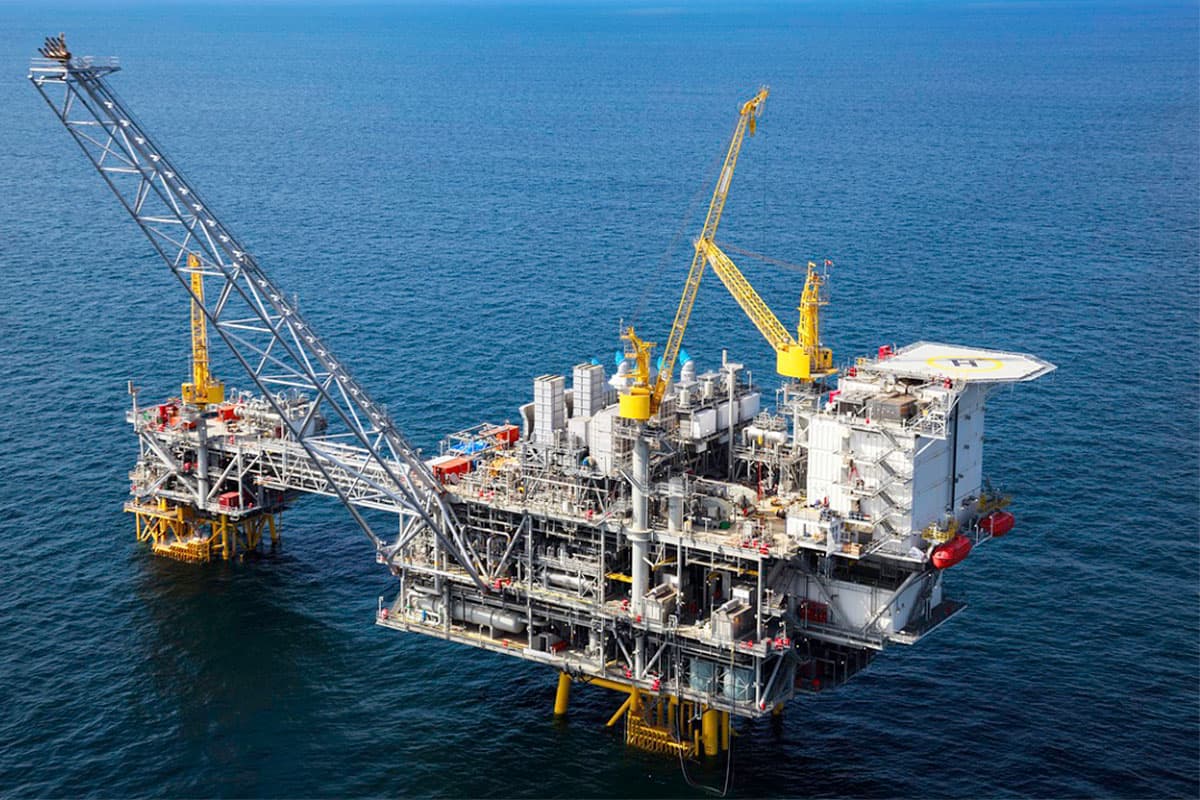
    • Venezuelan Oil: The oil is uniquely heavy and sulfurous, making it suitable for processing at RIL's complex, which can handle around 1.4 million barrels per day (bpd).
    • Current Imports: India’s Venezuelan oil imports peaked at 350,000 bpd in August 2026, then decreased to 200,000 bpd in September 2026.
    • Contribution: Reliance accounted for 74.3% of India's Venezuelan crude imports (worth $3,585.6 million from April to August 2026).
    • Major Suppliers: Other refiners like Indian Oil and Hindustan Petroleum also import Venezuelan crude but to a lesser extent (11.7% and 11.3% respectively).

    Economic Indicators

    • Pricing Challenges: Venezuela's Merey grade oil is priced at $25 per barrel lower than Brent, but shipping costs to India offset that advantage, making Venezuelan oil less competitive.
    • Competition: The return of heavier crude grades from Iraq, which are closer and cheaper to ship, may hinder Venezuelan crude's market share in India.

    Constitutional and Policy Context

    • Geopolitical Dynamics: The US aims to redirect Venezuelan crude to strengthen its market after years of sanctions, while India seeks to diversify its energy sources amidst pressures regarding its Russian oil imports.
    • Russian Oil Dynamics: India has significantly increased oil imports from Russia to 1.9 million bpd (over 35% of total oil imports in September 2026), influenced by substantial discounts post-Ukraine invasion.

    Judicial and Committee Insights

    • GTRI Report: The Global Trade Research Initiative highlighted the need for India to distinguish between increasing Venezuelan oil imports and reducing reliance on Russian supplies.

    International Relations

    • Strategic Allies: The US waiver of potential tariffs on Russian energy buyers aims to prevent inflation impacts ahead of midterm elections, showcasing a flexibility in US policy to maintain its relationship with India as a strategic partner.
    • Venezuelan Oil as a Supplement: Experts indicate that Venezuelan oil will not replace Russian supplies but can serve as an alternative in India's broader diversification strategy involving over 40 supplying countries.

    Government Schemes and Energy Policies

    • Import Diversification Strategy: India continues to diversify its oil sources in response to market conditions and geopolitical pressures, exploring genuine engagement with alternative suppliers rather than succumbing to external pressures.

    By maintaining a strong refining capacity, India can play a pivotal role in absorbing Venezuelan crude, yet systemic challenges remain in terms of economics, reliable supply, and geopolitical implications of shifting energy sources.

    India and Poland Strengthen Strategic Partnership
    International Relations23-Oct-2026

    India and Poland Strengthen Strategic Partnership

    Summary of India-Poland Strategic Partnership Meeting

    Bilateral Relations

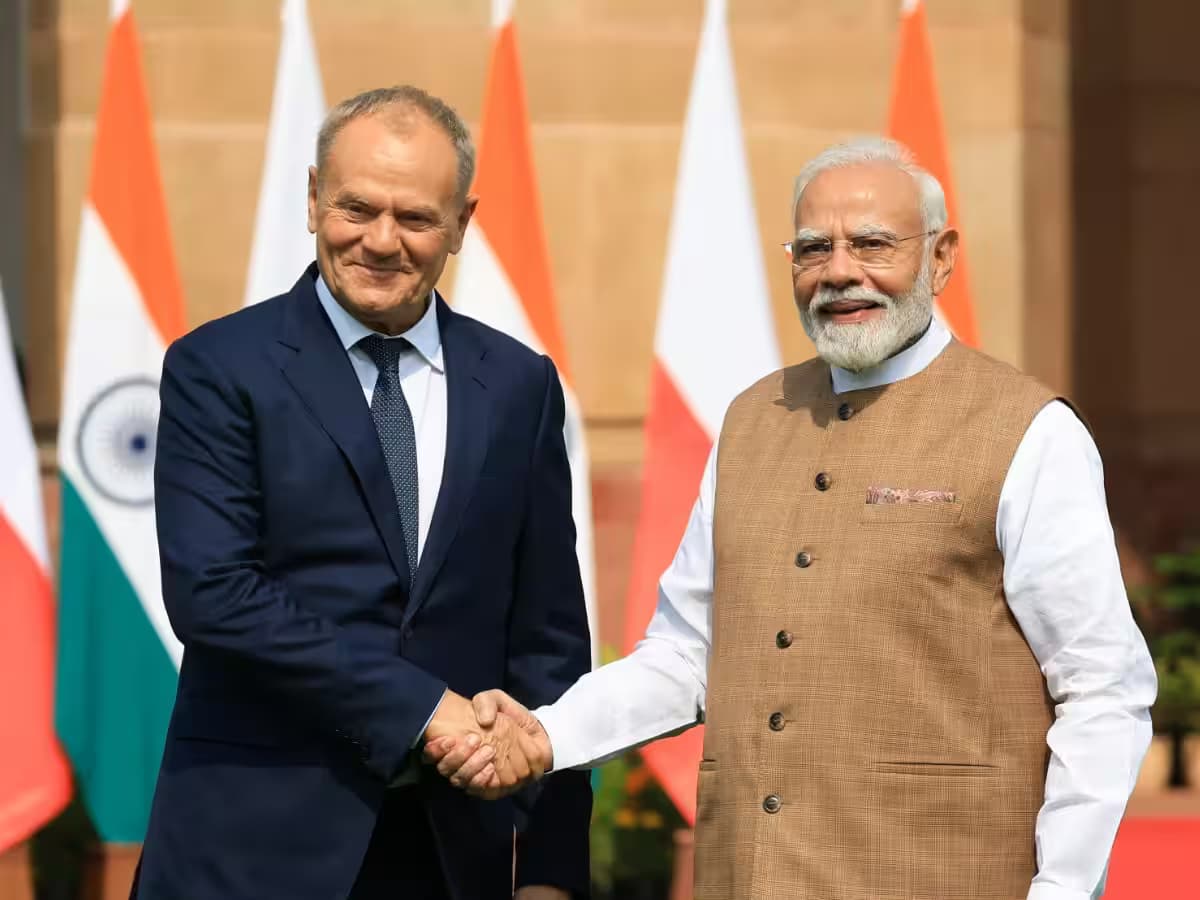
    • Meeting: Prime Minister Narendra Modi of India and Polish Prime Minister Donald Tusk discussed the deepening of strategic ties.
    • Key Focus Areas: Defence industry, space technology, digitization, nuclear energy, and counter-terrorism cooperation.

    Economic Data

    • Bilateral Trade Growth: Increased from $1.95 billion in 2013 to $6.36 billion in 2025 (192% growth).
    • Bilateral Trade Target: Agreement to double trade by 2030.
    • GDP Figures: Poland's GDP surpassed $1 trillion; India recorded a growth rate of 7.8% in the last quarter.

    Strategic Initiatives

    • Defence Agreements: Establishment of a defence industry dialogue aimed at fostering cooperation in drone technology and satellite imagery, critical for both nations amidst geopolitical tensions (notable usage in Ukraine and climate of tensions in South Asia).
    • Cultural Relations: Strengthening cooperation in culture, education, sports, and tourism, including the establishment of the Indian Studies Chair in Krakow.
    • Startup Initiatives: Launch of an India-Poland startup bridge focusing on areas like AI, cyber, fintech, and critical minerals.

    International Context

    • Geopolitical Landscape: Acknowledgment of Poland's proximity to the conflict zones (Ukraine-Russia) and India's strategic alignment with Russia.
    • Mutual Support on Global Platforms: Discussions on India's role in proposing peace initiatives (e.g., ceasefire in the Black Sea region).

    Science and Technology

    • Collaboration in Space: Shared goals in advancing the space sector referenced during talks, with a particular emphasis on joint missions and technological exchanges.
    • Education and Technology Initiatives: Plans for hackathons to boost collaboration and innovation among the youth from both countries.

    Remarks and Significance

    • Mutual Respect and Acknowledgment: Tusk praised Modi's leadership amid global instability and emphasized mutual dependency for economic growth and stability in facing political threats (specifically mentions from China).

    Government Schemes:

    • Emphasis on rural entrepreneurship through technology and advancing capabilities in biotechnology and advanced manufacturing via Polish investment.

    International Agreements:

    • Highlighted the importance of the India-European Union Free Trade Agreement, further enhancing trade relations and opportunities.

    These discussions embody a significant step towards bolstering not just bilateral relations but also shared geostrategic interests amid a changing global landscape. The partnership between India and Poland is set against a backdrop of increasing economic collaboration and technological advancements, further anchored by their geographic positions and strategic objectives.

    India's Oil Imports and Geopolitical Dynamics
    International Relations23-Oct-2026

    India's Oil Imports and Geopolitical Dynamics

    Key Facts & Data Overview

    International Relations & Trade:

    • US-India Oil Relations: The US is urging India to increase imports of Venezuelan oil through Reliance Industries Ltd (RIL), which has the world's largest single-location refining complex in Jamnagar, Gujarat.
    • US Secretary of State Marco Rubio's Visit: He emphasized India's status as a "refining superpower" during his recent visit to RIL.
    • Crude Oil Processing Capability: RIL's complex can process approximately 1.4 million barrels per day (bpd), making it suitable for refining Venezuela's heavy crude oil.

    Oil Imports Data:

    • Venezuelan Oil Imports: India imported Venezuelan crude worth $3,585.6 million from April to August 2026. Reliance accounted for 74.3% of these imports.
    • Total Venezuelan Crude Purchase in September 2026: Peaked at 350,000 bpd in August, easing to 200,000 bpd in September.
    • Comparative Sources: Russia is currently the largest oil supplier to India, providing in September 2026, accounting for over of total oil imports.
    1.9 million bpd
    35%

    Economic Considerations:

    • Market Dynamics: The US aims to establish a market for Venezuelan oil, benefitting from Indian refining capacity, while India assesses purchases based on price, quality, and supply reliability.
    • Freight Costs: The freight cost to import Venezuelan crude to India is about $35 per barrel, which can erode the benefits of a $25 discount offered on the Merey grade crude.
    • Economic Rivalries: The competition from other oil supplies, particularly from the Gulf (Iraq), complicates the scenario for Venezuelan oil.

    Challenges:

    • Limitations on Imports: Technical capabilities and commercial viability limit the scale of additional Venezuelan crude imports. Refining capacity and economics play crucial roles.
    • Differing Quality of Crude: Venezuelan crude (Merey) is markedly different from Russian crude (Urals), complicating the substitution of one for the other.

    Strategic Implications:

    • US and Indian Strategies: US interests are to diversify energy sources and reduce global reliance on conflict-prone areas. Conversely, India's strategy considers maintaining a stable supply of crude despite pressures to reduce Russian imports.
    • Geopolitical Pressures: Experts suggest New Delhi should not link its Venezuelan imports to reducing purchases of Russian oil and must approach negotiations from a standpoint of diversification without compromising existing resources.

    Legal & Policy Insights:

    • Washington's Position: The US has waived potential tariffs on Russian oil imports, impacting ongoing negotiations between Washington and New Delhi while prioritizing stable fuel prices amid election pressures domestically.
    • Future Commitments: Experts advocate for India to clarify terms regarding supply reliability, investment obligations, and pricing before committing to increased Venezuelan imports under US pressure.

    Conclusion:

    India's role as an emerging refining powerhouse presents both opportunities and challenges, particularly in balancing international relations regarding oil imports from Venezuela and Russia. The intricate web of price, logistics, and geopolitical strategy defines current discussions, with careful navigation required to optimize India's energy security.