iAspirants
Current AffairsPrelims PYQsUPSC CSE SyllabusUPSC CSE StrategyBlogsPricing
Login
iAspirants

Your AI-powered companion for UPSC preparation.

Quick Links

  • Home
  • About Us
  • Current Affairs
  • Prelims PYQs
  • UPSC CSE Syllabus
  • UPSC CSE Strategy
  • Blogs

Company

  • Pricing
  • FAQs
  • Contact Us
  • Login

Legal

  • Privacy Policy
  • Terms & Conditions
  • Return Policy

© 2025 iAspirants, Inc. All rights reserved.

  1. Blogs
  2. Economic and Social Development

India's Merchandise Exports Show Growth

Published on: 17-Oct-2026

Source: Indian Express

Share this post
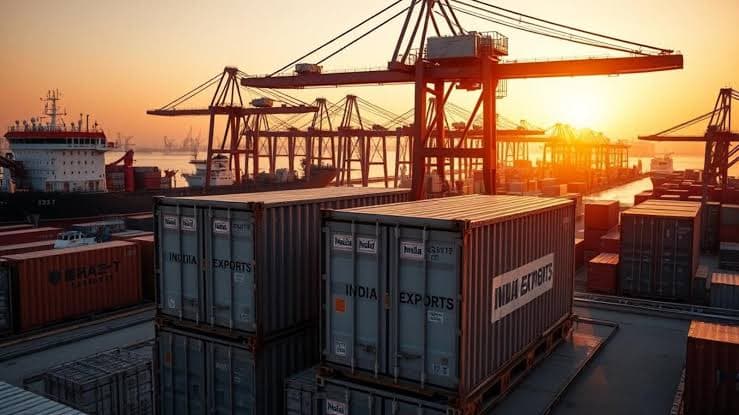
India's Merchandise Exports Show Growth

Article Summary

India's Export Growth: Key Highlights

  1. Merchandise Exports:

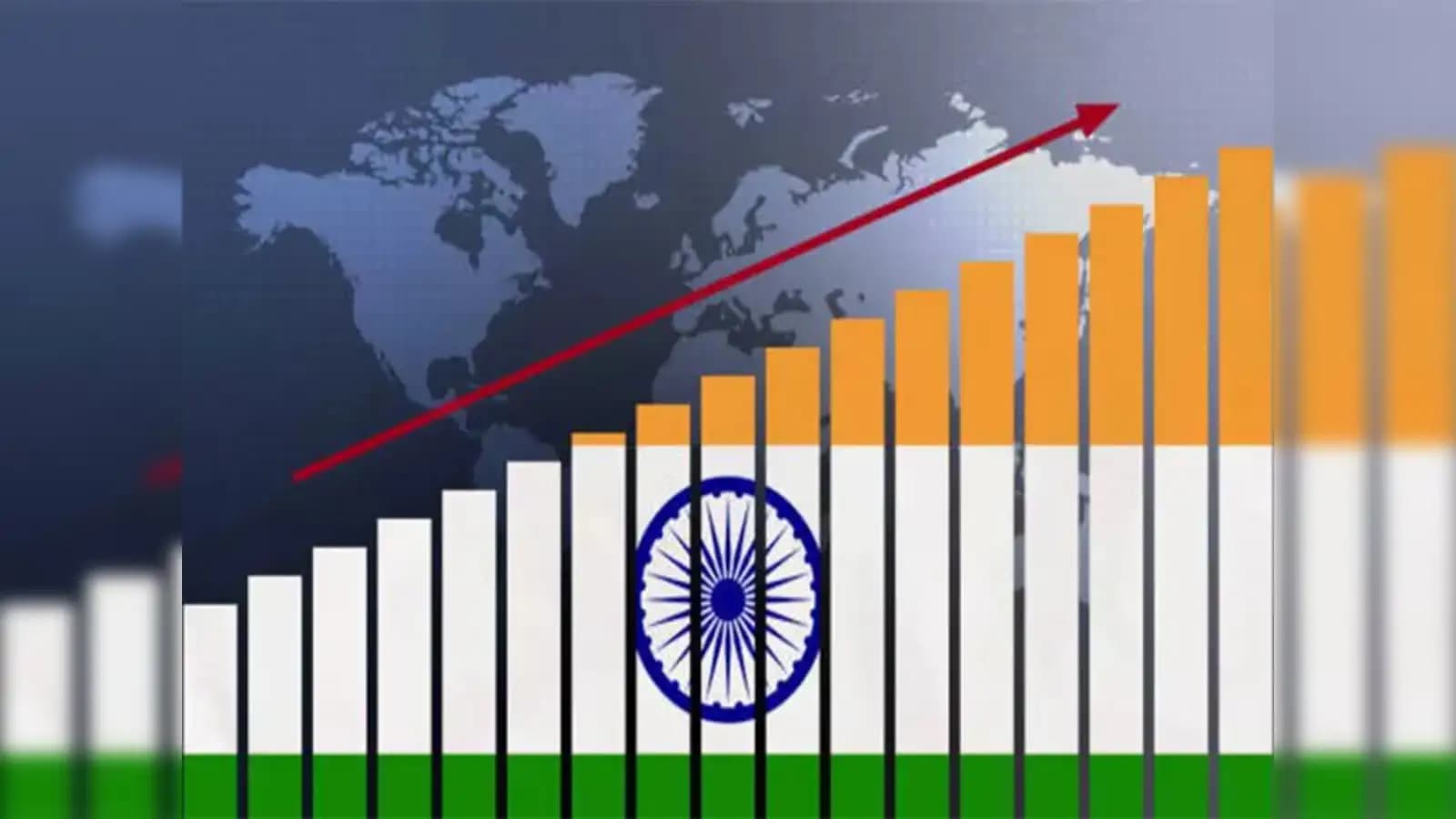
    • September exports rose to $44.4 billion, marking a 23% increase.
    • Total exports in the first half of the year reached $259 billion.
    • Exports for 2025-26 stood at $441 billion, showing a marginal increase from $422 billion in 2021-22.
  2. Driving Sectors:

    • Engineering and electronic goods led the export growth, with combined exports exceeding $100 billion, representing a 26% increase year-on-year.
    • These sectors account for almost 50% of all non-oil exports.
  3. Market Insights:

    • United States: Largest market for Indian exports, with exports rising 48% in September.
    • China: Significantly increased imports from India, accounting for the largest share of India's import basket. Import deficit with China widened to $68.9 billion in April-September, up from $54.4 billion the previous year.
  4. Current Account Deficit (CAD):

    • ICRA projects an increase in CAD to $13-15 billion in the second quarter. This is attributed to a modest expansion in the merchandise trade deficit and a dip in invisible earnings.
  5. Currency and RBI Interventions:

    • The decline of the Indian Rupee has enhanced export competitiveness, but the Reserve Bank of India (RBI) intervened in foreign exchange markets to curb excessive volatility without targeting specific exchange rates.
  6. Government Actions:

    • Continued push for reforms to enhance manufacturing and attract more foreign investment.
    • Efforts to enter into and progress on Free Trade Agreements (FTAs) remain critical to boosting trade.
  7. Conclusion:

    • The consistent growth in exports, especially from key sectors, coupled with government initiatives and global market dynamics, reflects India's recovering trade landscape post-pandemic. However, addressing the trade deficit with China and improving relations in the Middle East market remain essential challenges.

Key Terms & Concepts

Merchandise ExportsGrew to $44.4 billion
$259 billionExports in first half year
$441 billionExports in 2025-26
Engineering and Electronic GoodsDrivers of export growth
$100 billionExports from two sectors
USLargest market for exports
ChinaSignificant import source
$68.9 billionTrade deficit with China
$13-15 billionExpected current account deficit
RBIIntervenes in forex markets
FTAsFree Trade Agreements entered

Mind Map for UPSC Civil Services Revision

Turn UPSC Civil Services Current Affairs Into Exam-Ready Notes

Reading Economic and Social Development current affairs is half the work. Revise them with ready-made notes and test what actually stuck.

  • Daily UPSC Civil Services current affairs analysis
  • Revision notes, mind maps & MCQs
  • Prelims mock tests with instant results

Related UPSC Civil Services Current Affairs Articles

Chola Dynasty's Maritime Trade Connections
History17-Oct-2026

Chola Dynasty's Maritime Trade Connections

Key Highlights on Chola Dynasty's Maritime Trade and Influence

Historical Context:

  • Dynasty Overview: The Chola dynasty was one of the significant powers in South India from the 9th to 13th centuries, ruling over areas including present-day Tamil Nadu.
  • Key Rulers: Significant figures included Rājarāja I (r. 985-1014), Rājēndra I (r. 1014-1044), and Rājadhirāja I (r. 1044-1052).
  • Trade Influence: The Cholas played a pivotal role in expanding both domestic and international trade networks during this period, particularly with regions in Southeast Asia.
  • Excavation Findings:

    • Excavation Site: Poompuhar, Tamil Nadu.
    • Artifacts Found: West Asian "torpedo jar," terracotta ring wells, and over 250 ceramic fragments, indicating maritime connections with West Asia and the Mediterranean.
    • Torpedo Jar Functionality: Historically used for transporting liquid cargo (e.g., wine, olive oil).

    Trade Dynamics:

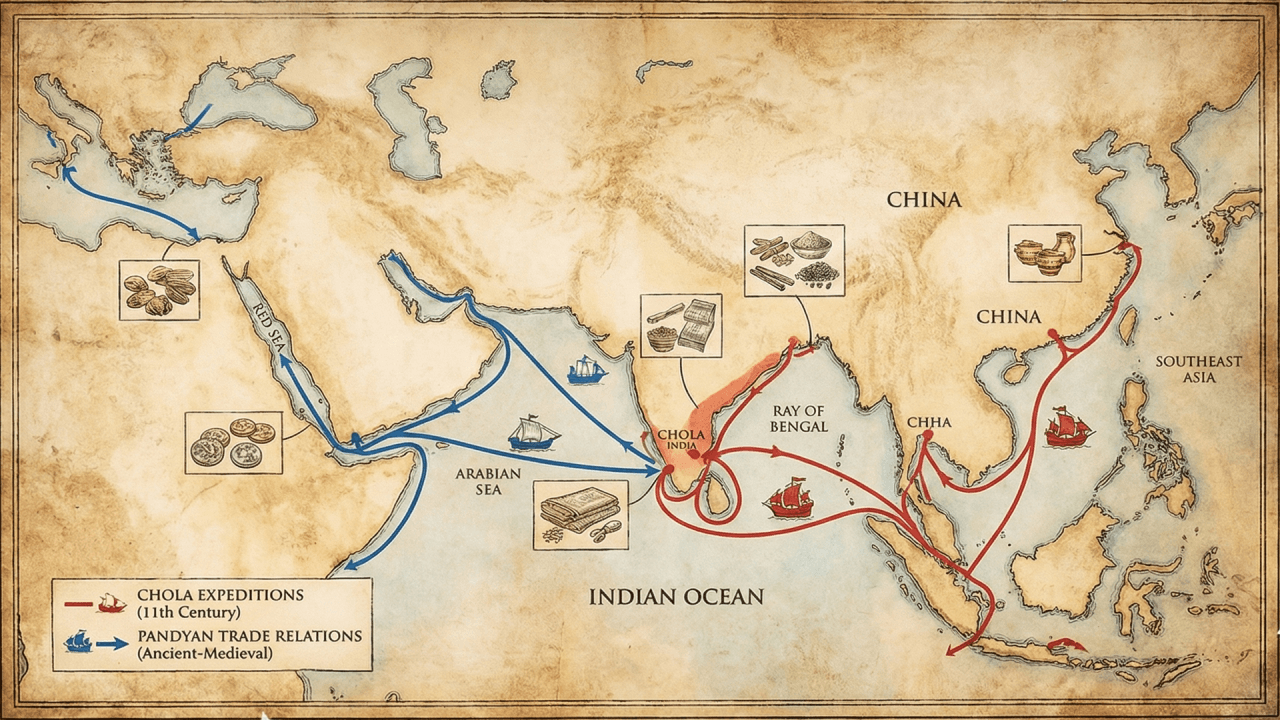
    • Goods Traded: Included textiles, spices, rice, grains, sandalwood, camphor, pearls, ivory, precious stones, and Arab horses.
    • Trade Missions: Notable trade missions included one to China in 1015 CE and additional subsequent missions, highlighting the significance of East and Southeast Asia in Chola trade.

    Economic Organization:

    • Commercial Towns: Key economic centers known as nagaram facilitated trade and created strategic partnerships with merchant communities and religious institutions.
    • Temple Urbanization: Religious institutions, particularly Brahmanical temples, became crucial in stimulating urban growth and economic activity through their demand for goods and services.

    Merchant Guilds:

    • Guild Association: Prominent guilds such as Ainurruvar, Manigramam, Nanadesi, and Anjuvannam dominated the economic landscape from the 9th to mid-14th centuries.
    • State and Guild Relationship: A mutual arrangement where the state provided protection and favorable trade terms, while guild members contributed to the upkeep of temple properties and supported royal endeavors.

    Cultural Exchange:

    • Spread of Religion and Culture: Maritime trade facilitated cultural and religious exchanges, notably spreading Buddhism and Brahmanism throughout Southeast Asia.
    • Tamil Inscriptions: Evidence of Tamil inscriptions in China and the establishment of Hindu temples in Southeast Asia indicates strong cultural ties.

    Economic Indicators:

    • Revenue from Trade: Customs duties from trade were crucial for Chola economic budgets, with thriving port towns indicating robust overseas commerce despite debates on trade taxation.

    Strategic Trade Developments:

    • Emergence of Maritime Silk Route: The Cholas shifted trade patterns from overland routes to maritime ones, establishing significant trade connections across the Indian Ocean and strengthening ties with ports such as Palembang, Nagapattinam, and Muziris.

    Contemporary Significance:

    • Legacy: The Chola dynasty's trade networks contributed to the formation of a “world economy,” integrating various maritime markets and fostering cultural exchanges across Asia.

    These highlights reflect the Chola dynasty's profound influence on trade and cultural exchanges which have laid the groundwork for understanding historical economic systems in South Asia and their impact on regional connectivity.

    Innovating for Healthier Future Generations
    Economic and Social Development16-Oct-2026

    Innovating for Healthier Future Generations

    Exam-Focused Notes

    Constitutional References

    • No specific constitutional references mentioned.

    Laws, Acts, and Policies

    • National Education Policy 2020: Emphasizes foundational literacy and numeracy but lacks a structured approach to health and well-being in educational curriculums.

    Government Schemes and Initiatives

    • World Food Day 2026 Theme: "Innovate today. Nourish tomorrow." Focuses on blending science, technology, and traditional agricultural knowledge.

    Economic Indicators

    • ICMR-INDIAB Study: Reports approximately 101 million people in India with diabetes and 136 million with pre-diabetes.
    • Fastest Growth in Sugar-Sweetened Beverages: 300% increase among adolescents over the last decade.
    • Projected Economic Burden of Diabetes: Expected to exceed $90 billion by 2033.
    • Return on Investment for Health and Nutrition in Schools: Every 1 rupee invested yields 16 rupees in healthcare savings and productivity, according to WHO.

    Health Statistics

    • Childhood Obesity: One in four children (ages 5-9) classified as overweight.
    • Food Consumption Trends: More than half of urban adolescents consume ultra-processed foods; unhealthy dietary habits established before age 15 lead to 70% of adult non-communicable diseases.
    • Activity Levels: Only 18% of adolescents meet the recommended 60 minutes of activity daily.
    • Cognitive Performance: Children who skip breakfast are 40% more likely to be overweight and perform poorly academically.

    Recommendations for School Health

    1. Breakfast Habit: Encourage consumption of local, nutrient-rich foods (e.g., ragi, peanuts).
    2. Water Habit: Introduce “Water Bells” and no-sugar drink zones in schools to combat sugary beverage consumption.
    3. Millet and Fruit Habit: Promote "Millet Mondays" and “Rainbow Tiffin Tuesdays” for a nutritious diet.
    4. Movement Habit: Reinforce physical education to meet the standard activity levels.
    5. Sleep Habit: Implement a 10 PM lights-off rule to ensure adequate sleep (recommended 8-9 hours).

    Innovative Initiatives

    • Low-Cost School Nudges:
      • Replace chocolate birthdays with fruit celebrations.
      • Incorporate mindful eating practices in lunch breaks.
      • Utilize mobile apps for children to learn food label reading.
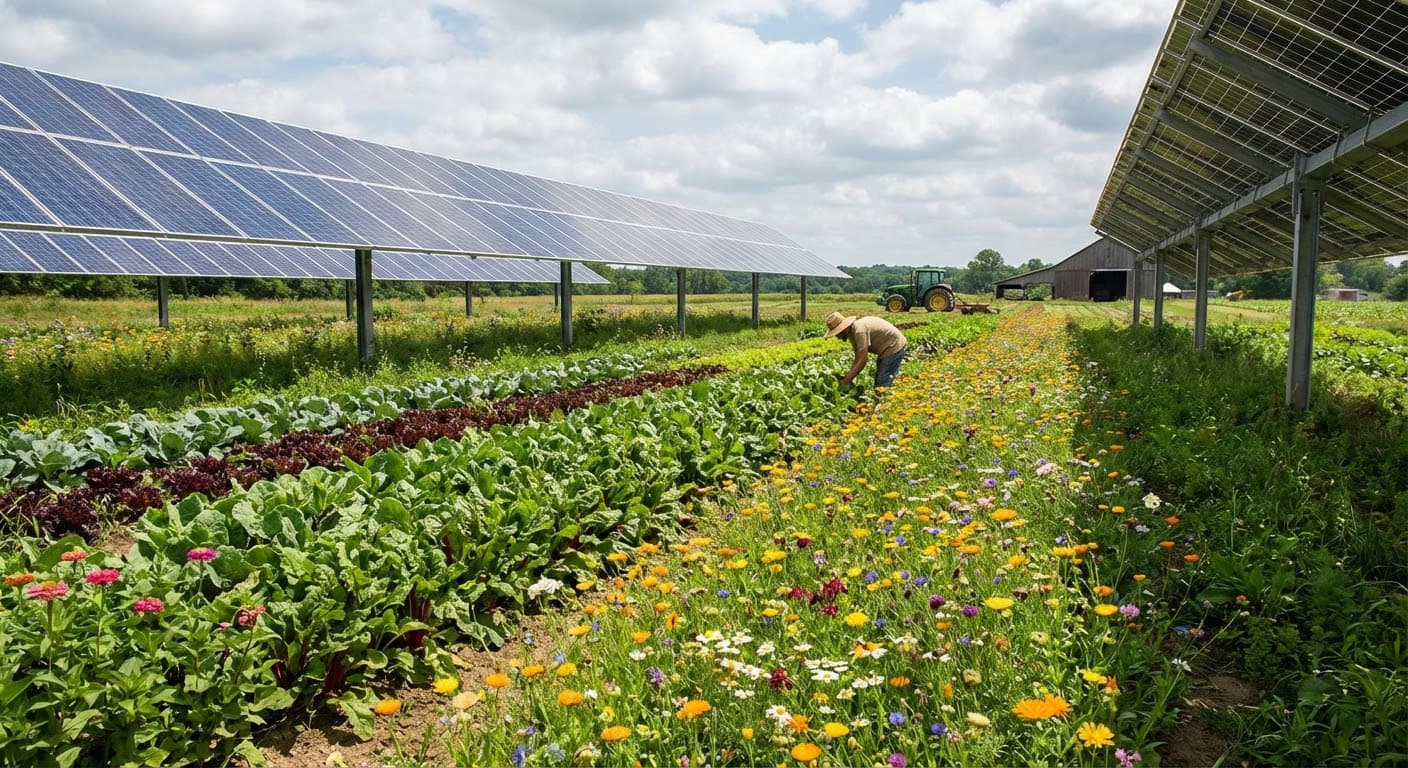
      • Establish small kitchen gardens using traditional knowledge.
      • Organize monthly workshops for parents on healthy tiffin ideas.
      • Allocate time for safe playground activities.
      • Introduce an annual well-being report card alongside academic marks.

    Environment and Biodiversity

    • Sustainable Agrifood Systems: Importance highlighted in relation to health to combat issues like obesity and diabetes.

    Conclusion

    The synthesis of modern science with traditional wisdom in food and nutrition is pivotal in establishing healthier habits in schools, potentially mitigating the rising trend of childhood diabetes and obesity. Both collective action from educational systems and parental involvement are necessary to shape food environments conducive to well-being.

    Innovations for Global Food Security
    Economic and Social Development16-Oct-2026

    Innovations for Global Food Security

    Exam-Focused Notes on World Food Day 2026

    Theme and Context:

    • Theme: “Innovate today, nourish tomorrow” for World Food Day 2026, observed on October 16.
    • Global Context: 645 million people face hunger; a third of the world's population cannot afford a healthy diet.
      • Factors contributing to hunger:
        • Climate-related risks (reduce yields, disrupt growing seasons)
        • Economic shocks (eroding purchasing power)
        • Conflict and war (disrupt agricultural systems, displace farmers)

    India's Food Security Landscape:

    • Transformation to Food Surplus: India has evolved to become a food-surplus nation, with a strong production base in foodgrains, milk, pulses, fruits, and vegetables.
      • Key driver: The Green Revolution, marked by:
        • Introduction of high-yielding crop varieties
        • Expanded irrigation and assured pricing mechanisms
    • Provides legal entitlements to subsidized foodgrains to:
    India's Economic Growth Forecast Insights
    Economic and Social Development15-Oct-2026

    India's Economic Growth Forecast Insights

    Economic Overview and Forecasts:

    1. GDP Growth Rate:

      • IMF raised India’s GDP growth forecast for 2026-27 to 7% (up from 6.4%).
      • RBI projects growth at 7.1% for the current year.
      • Recent quarterly growth data indicates a growth rate of 7.8% for April-June.
    2. Macroeconomic Fundamentals:

      • India’s economy shows resilience amid global shocks, particularly from the West Asian crisis, which raised supply-side concerns and imported inflation risks.
      • However, challenges include unsustainable debt levels and a high cost of borrowed capital.
    3. Capital Flow and Investment Risks:

      • Heightened risks of capital flight from Emerging Market Economies (EMEs) due to geopolitical instability and fluctuations in US bond yields and the dollar valuation.
      • Concerns about a potential stock-market bubble fueled by hyper AI investments.
    4. Festive Season Impacts:

      • The upcoming festive season is expected to be crucial for the economy, necessitating close monitoring of inflation and structural issues like high unemployment and inequality.
    5. Underlying Economic Concerns:

      • Persistent informality in the job market, with rural-to-urban migrants facing poor job opportunities and high living costs.
      • Calls for a focus on ‘real’ growth benefits and the need for an intersectional approach to economic validation.

    Policy and Government Focus:

    1. Shift in Economic Strategy:
      • Proposal for the government to move from focusing on GDP numbers to a more inclusive, prosperity-driven growth process.
      • Need for decentralised policy coordination with states and enhanced state-market interactions to prevent monopolistic practices.

    Judicial and Constitutional Context:

    1. Macroeconomic Stability:

      • India's stability amid global economic turmoil reflects the effectiveness of macroeconomic principles rooted in the Constitution, including:
        • Directive Principles of State Policy (DPSPs) promoting economic welfare (Articles 36-51).
    2. Addressing Structural Challenges:

      • The necessity for provisions addressing labor rights, living wages, and social security to improve job conditions and reduce inequality.

    Implications for Society:

    1. Societal Well-being:
      • Economic growth measured by GDP needs to encompass actual well-being across diverse societal groups.
      • Importance of productive investments that yield quality employment as part of the broader economic narrative.

    Conclusion:

    Rebalancing India’s economic framework to incorporate prosperity-focus alongside traditional GDP metrics is essential for equitable growth. Addressing the fundamental issues of informality and inequality will be critical in shaping an inclusive economic future.

    India's Semiconductor Future and Self-Reliance
    National and International Importance15-Oct-2026

    India's Semiconductor Future and Self-Reliance

    Summary of Semiconductor Development in India

    Current Status and Challenges

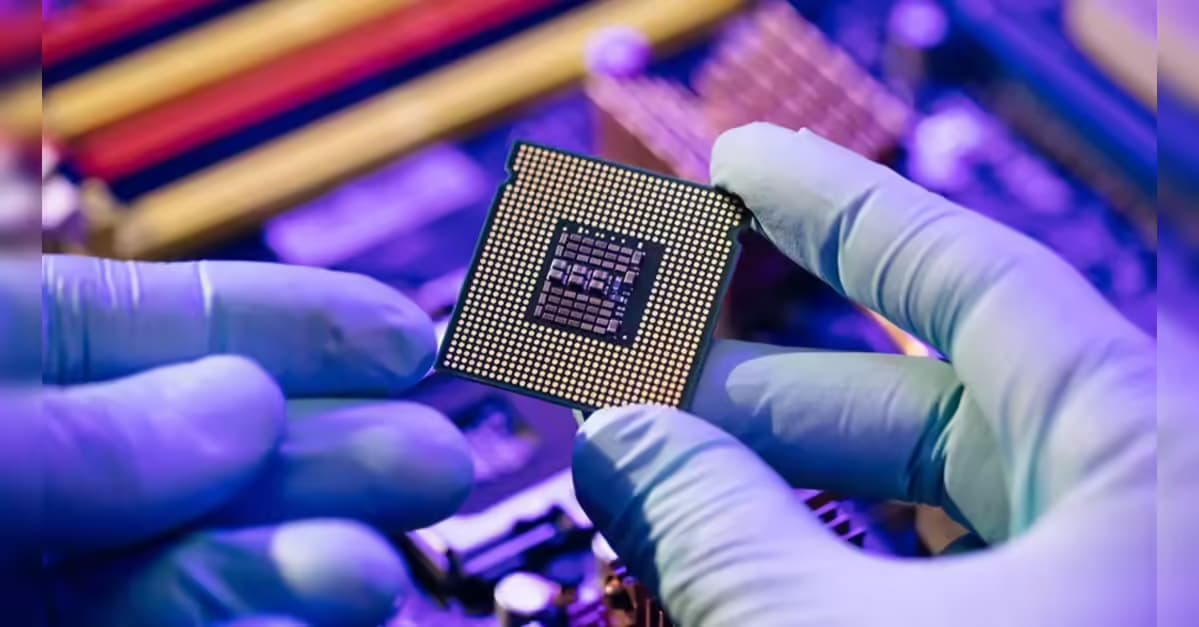
    1. Dependency on Imports: India produces 20% of the total global data for AI but has only 3% of AI data centers. Despite hosting 20% of the global chip design workforce, 90% of semiconductor needs are met through imports.

    2. Future Risks: Experts from the DRDO warn that without self-reliance in the semiconductor sector by 2047, India risks failing in conflicts dominated by AI, cyber technologies, and space capabilities.

    3. Global Semiconductor Landscape:

      • The US leads in design capabilities and intellectual property rights.
      • Manufacturing foundries are most concentrated in Taiwan and South Korea, while Japan, Europe, and the Netherlands control critical production infrastructure.
      • China has advanced significantly in node fabrication.

    Strategic Goals and Initiatives

    1. Vision for 2047:

      • Dr. Anesh Sharma emphasized aiming for leadership in the manufacturing of two-nanometer chips and establishing at least two top-10 foundries in the world.
    National Food Security Act, 2013:
    • 75% of the rural population
    • 50% of the urban population
    • Approximately 81 crore beneficiaries.

    Recent Initiatives:

    • Pradhan Mantri Garib Kalyan Anna Yojana: Since January 2024, provides foodgrains free of cost until 2028.
    • Targeted Public Distribution System: Enhancements in operation through:
      • Digitized ration cards and Aadhaar seeding
      • One Nation One Ration Card scheme for migrant portability

    Innovations in Agriculture and Food Security:

    • India’s efforts include technology focus to enhance farming resilience, resource efficiency, and access to food safety nets.
      • Role of FAO, IFAD, and WFP:
        • FAO Initiatives:
          • Digital agriculture advisory roadmap
          • "Clean Milk Scorecard" for dairy management
          • Addressing food loss through measurement and valorisation strategies.
        • IFAD Approach:
          • "Financing plus" strategy for agriculture value chains.
          • Projects generating 64% income gains with private sector participation.
        • WFP's Role:
          • Enhancements in public distribution systems through innovative techniques like Grain ATMs.
          • Focus on nutrition diversity in food assistance for vulnerable groups like children and pregnant women.

    International Collaboration and Learning:

    • India's agricultural innovations are pertinent for Global South nations facing similar challenges such as climate change and conflict.
    • Emphasis on principles that promote scalable innovations, nutritious diets, pro-smallholder and gender-sensitive practices.

    Future Directions:

    • Shift focus towards:
      • Achieving better nutrition, not just sufficiency
      • Developing climate-resilient and biofortified crops.
      • Fostering equitable food systems that reward small farmers and integrate traditional knowledge with modern scientific advances.

    Key Takeaways:

    1. Affirmation of the importance of innovation for food security amid global challenges.
    2. Highlighting governmental frameworks and international collaborations that bolster food systems.
    3. The necessity for nutritional improvement and resilient agricultural frameworks in light of climate and economic challenges.

    Statistical References:

    • 645 million people with hunger issues globally.
    • 81 crore beneficiaries under the National Food Security Act.

    Constitutional and Policy References:

    • National Food Security Act, 2013
    • Pradhan Mantri Garib Kalyan Anna Yojana

    These notes encapsulate the crucial information relevant for understanding the global food security landscape and India's role within it, focusing specifically on policy frameworks, collaborative initiatives, and forward-looking innovations.

  • Objective to achieve strategic relevance by focusing on high-end technology that is not readily available from other nations.
  • DRDO's Roadmap:

    • Focus on complete independence in semiconductor materials and production processes to secure technology independence.
    • Key areas for early intellectual property leadership include quantum computing, photonic integrated circuits, and neuromorphic computing.
  • Government Initiatives:

    • India Semiconductor Mission 1.0: Approved with an outlay of Rs 76,000 crore, supporting a dozen chip plants, including Tata Group's fabrication facility and various packaging units.
    • India Semiconductor Mission 2.0: Launched in July with Rs 1.27 lakh crore. This mission supports subsidies across the semiconductor design, manufacturing, and supply chain processes. The focus is on building a comprehensive ecosystem for semiconductors.
  • Economic Context and Future Demand

    1. Market Forecast: Semiconductor demand in India is projected to exceed $200 billion by FY35. The rising demand underscores the urgency of developing a robust semiconductor ecosystem as a national priority.

    2. Role of Technology in Warfare: Dr. Anupam Sharma articulated a shift in warfare dynamics, suggesting that future victories will be determined by capabilities in data, algorithms, and scientific advancement rather than traditional military might.

    Constitutional and Policy Context

    • National Priority: Building a semiconductor ecosystem aligns with broader national interests for self-reliance and technological leadership, a vision connected to making India a strategic power by 2047.

    Summary

    India's semiconductor sector is at a critical juncture, demanding significant investment and innovation. With ambitious government initiatives and various DRDO projects, the nation aims to transition from an import-dependent model to a self-sufficient semiconductor powerhouse by 2047, amid a global landscape that is rapidly evolving towards AI-driven technological advancements.