iAspirants
India's Youth and Educational Development
Published on:
Source: The Hindu
Share this post
Article Summary
Exam-Focused Summary
Demographics and Education
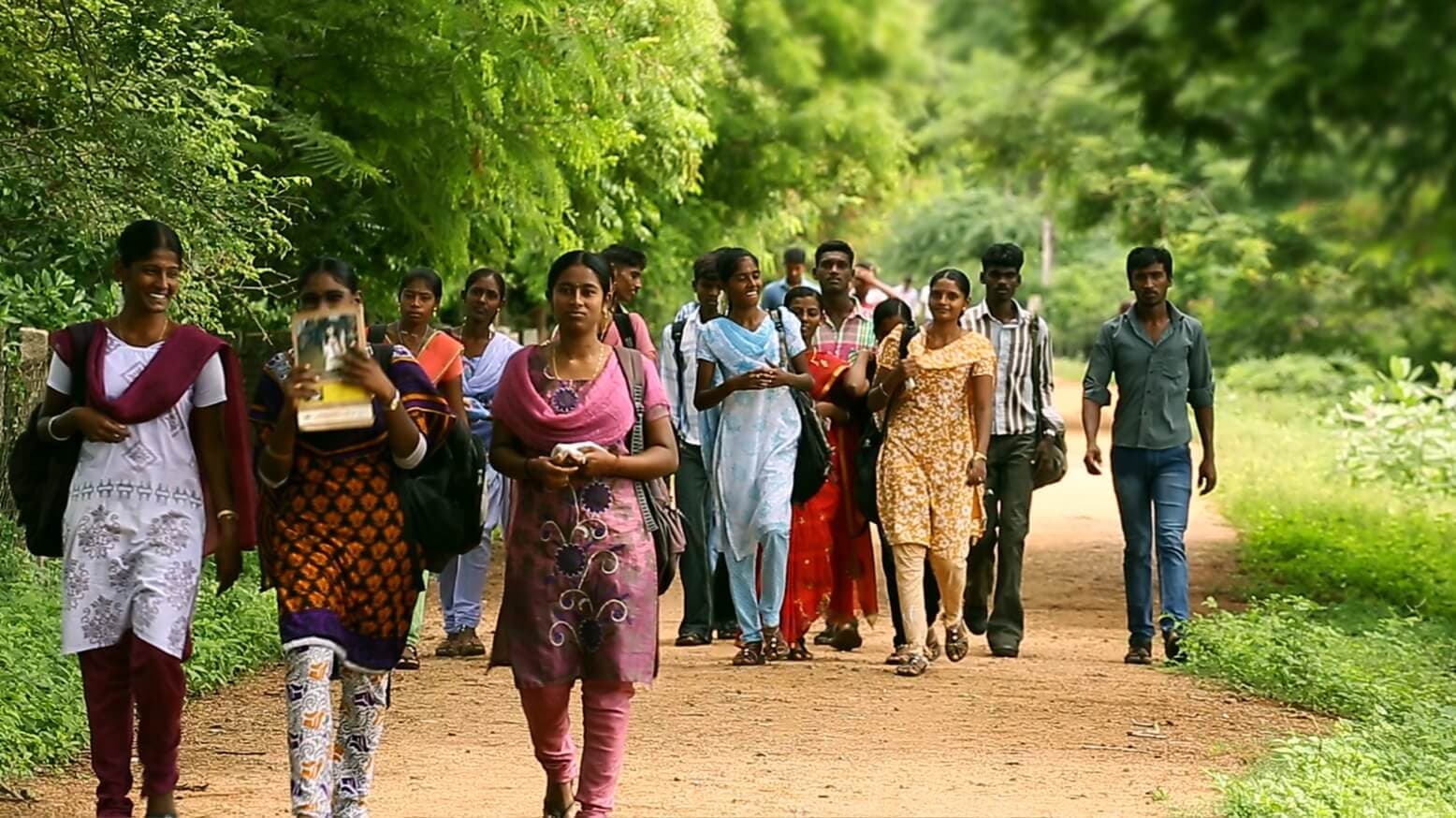
- Youth Population: Approximately 28.3% of India’s population (around 40.1 crore individuals) falls within the 15-30 age demographic.
- Education Levels:
- Average education for youth aged 15-30: 10.8 years.
- 43.6% have completed Class 12; of these, 46.3% pursue higher education.
Critical Issues
- Vocational Training: Only 5.1% of young people have received formal vocational or technical training, emphasizing a substantial gap in practical skills necessary for employment.
- Labour Force Participation:
- Overall rate: 48.3%; higher for males at 67.1% versus females at 29.1%.
- Worker population ratio: 44%, with men at 61.4% and women at 26.2%.
National Policies and Schemes
- National Education Policy (NEP) 2020: Focuses on quality education, learning outcomes, and skills, mainstreaming vocational education.
- Samagra Shiksha and PM SHRI: Government initiatives to improve educational quality and skill acquisition in schools.
- National Curriculum Framework for School Education (NCF-SE): Integrates skill education from middle to secondary levels, providing practical learning opportunities.
- National Skills Qualifications Framework (NSQF): aligns secondary and senior secondary skill courses with job market needs.
Economic Indicators
- Youth Unemployment Rates:
- Rise from 1% among illiterates to 13.7% among those with undergraduate qualifications.
- Unemployment with formal skilling: 3.1%, as opposed to 4.9% without skilling.
- Earnings Comparison:
- Average monthly earnings rise from ₹10,545 among illiterates to ₹26,013 for undergraduate and higher qualifications.
- Diploma holders earn about 72% more than illiterate counterparts.
Skill Development Measures
- Implementation of pre-vocational exposure, bagless days, and internship programs to enhance job readiness.
- Skill courses aligned with NSQF for Classes 9-12; 138 job roles approved.
- A flexible learning ecosystem needed to continually upgrade qualifications, essential for remaining competitive in a tech-driven job market.
International Perspectives
- Education enhances capabilities and supports inclusion, critical for economic resilience as India aspires toward Viksit Bharat by 2047.
Conclusion
India’s significant youth population presents an opportunity to leverage its demographic dividend through investments in education and vocational training, align with economic demands, and create a skilled workforce prepared for future challenges. The government's multifaceted approach, through policies and schemes like the NEP 2020, aims to ensure quality education and skills for productive employment, reinforcing the alignment of educational outcomes with labor market needs.
Key Terms & Concepts
| Viksit Bharat | India's development goal by 2047 |
| 28.3% population | Youth demographic in India |
| 10.8 years of education | Average education of youth |
| 43.6% completed Class 12 | High school completion rate |
| 5.1% formal vocational training | Vocational training rate among youth |
| National Education Policy (NEP) 2020 | Framework for educational reform |
| Samagra Shiksha | Educational support program |
| PM SHRI | School education program |
| Periodic Labour Force Survey 2025 | Source of employment data |
| 48.3% labour force participation | Youth participation rate |
| 2.5 times earnings difference | Earnings comparison |
| 15.4% earnings increase | Earnings advantage of vocational training |