iAspirants
Current AffairsPrelims PYQsUPSC CSE SyllabusUPSC CSE StrategyBlogsPricing
Login
iAspirants

Your AI-powered companion for UPSC preparation.

Quick Links

  • Home
  • About Us
  • Current Affairs
  • Prelims PYQs
  • UPSC CSE Syllabus
  • UPSC CSE Strategy
  • Blogs

Company

  • Pricing
  • FAQs
  • Contact Us
  • Login

Legal

  • Privacy Policy
  • Terms & Conditions
  • Return Policy

© 2025 iAspirants, Inc. All rights reserved.

  1. Blogs
  2. Economic and Social Development

Industrial Production Index Growth July 2026

Published on: 28-Aug-2026

Source: PIB

Share this post

Industrial Production Index Growth July 2026

Article Summary

Industrial Production Index (IPI) - July 2026 Summary

Key Statistics:

  • Year-over-Year Growth: The Industrial Production Index (IPI) saw a growth of 6.7% in July 2026.
  • Manufacturing Sector Growth: Increased by 7.3%.
  • Electricity and Gas Supply Growth: Increased by 8.7%.
  • Mining and Extraction: Decreased by (-0.9%).

IPI Details:

  • Base Year: 2022-23 (Index base = 100).
  • IPI for July 2025: 117.0.
  • IPI for July 2026: 124.8.
  • Sectoral Growth Rates:
    • Mining: 94.4
    • Manufacturing: 127.4
    • Electricity & Gas: 133.5
    • Water Supply, Sewerage & Waste Management: 148.4

Contributing Sectors:

  • Top Contributors to Growth:
    • Motor Vehicles, Trailers, and Semi-Trailers: 22.2% growth.
    • Electrical Equipment Manufacturing: 28.3% growth.
    • Machinery and Equipment NEC: 12.1% growth.

Use-Based Classification:

  • Primary Goods Index: 115.9
  • Capital Goods Index: 141.8
  • Intermediate Goods Index: 130.9
  • Infrastructure/Construction Goods Index: 136.2
  • Consumer Durables Index: 129.9
  • Consumer Non-Durables Index: 113.7

Yearly Comparisons:

  • Growth Rates Compared to July 2025:
    • Primary Goods: 4.1%
    • Capital Goods: 16.1%
    • Intermediate Goods: 10.0%
    • Infrastructure: 6.9%
    • Consumer Durables: 10.5%
    • Consumer Non-Durables: (-1.0%)

Reporting and Data Collection:

  • Release Date for Estimates: The IPI quick estimates are released on the 28th of each month or the next working day if the 28th is a holiday.
  • Data Source: Compiled from data received from producer factories/institutions.

Future Updates:

  • Next IPI Release: Scheduled for August 2026 on September 28, 2026.

This summary provides a clear and concise overview of the industrial production trends and key economic indicators relevant for July 2026, highlighting growth areas and contributing sectors.

Key Terms & Concepts

Industrial Production IndexMeasures industrial output growth
6.7%Year-on-year growth rate
Manufacturing sectorContributed 7.3% growth
Electricity and Gas SupplyContributed 8.7% growth
Mining and QuarryingGrowth rate of (-)0.9%
July 2026Reference month for data
124.8IIP quick estimate for July 2026
August 28, 2026Release date for next IIP
National Industrial Classification (NIC-2025)Classification standard used
Consumer Durable Goods IndexIndex value of 129.9
Consumer Non-Durable Goods IndexIndex value of 113.7
Primary Goods IndexIndex value of 115.9
Capital Goods Index

Mind Map for UPSC Civil Services Revision

Turn UPSC Civil Services Current Affairs Into Exam-Ready Notes

Reading Economic and Social Development current affairs is half the work. Revise them with ready-made notes and test what actually stuck.

  • Daily UPSC Civil Services current affairs analysis
  • Revision notes, mind maps & MCQs
  • Prelims mock tests with instant results

Related UPSC Civil Services Current Affairs Articles

Rupee Gains Amid RBI Measures
Economic and Social Development13-Oct-2026

Rupee Gains Amid RBI Measures

Economic and Currency Updates

  • Rupee Appreciation: The Indian rupee appreciated by 95 paise, closing at 95.78 against the US dollar, marking its steepest single-day gain in over six months.
  • RBI Measures: The Reserve Bank of India (RBI) introduced measures to support the rupee, including:
Index value of 141.8
Intermediate Goods IndexIndex value of 130.9
Infrastructure/Construction Goods IndexIndex value of 136.2
Top three contributorsPositive growth sectors
Motor Vehicles Manufacturing22.2% growth contributor
Electrical Equipment Manufacturing28.3% growth contributor
Machinery and Equipment Manufacturing12.1% growth contributor
  • Restrictions on rebooking cancelled foreign exchange derivative contracts.
  • Lowering the threshold for transactions allowed without underlying exposure.
  • Strengthened documentation requirements.
  • Introduction of a new Foreign Exchange Risk Reserve (FERR).
  • Forex Market Context: The rupee emerged as the strongest currency among Asian peers due to these measures aimed at curbing speculation and maintaining market discipline.
  • Crude Oil Prices Impact: A pullback in crude oil prices assisted the rupee's recovery, which had previously faced pressure from prices exceeding $100 per barrel.
  • Forex Reserves: India’s forex reserves fell by $12.95 billion to $734.60 billion as of October 2, 2026.
  • Market Performance

    • Stock Indices:
      • BSE Sensex declined by 0.76%, dropping 547 points to 71,924.68.
      • NSE Nifty fell by 0.70%, decreasing 157 points to 22,363.35.
    • Inflation and Monetary Policy: Anticipation of consumer price index (CPI) inflation data is influencing market sentiment and expectations regarding potential monetary tightening by the RBI.

    Banking and Financial Outlook

    • CRR Requirement: The RBI raised the daily cash reserve ratio (CRR) maintenance requirement to absorb surplus liquidity, which contributed to declines in banking stocks.
    • Foreign Institutional Investors (FII): Continuous outflows of FII, driven by external uncertainties, have been affecting market dynamics and the performance of large-cap stocks.
    • Small-Cap Performance: Mid- and small-cap stocks outperformed large caps, buoyed by expectations of a stronger earnings season for Q2FY27.

    International Considerations

    • Geopolitical Risks: Ongoing Houthi attacks on Saudi Arabia and regional energy infrastructure contribute to concerns over supply disruptions and elevated crude oil prices, indicating geopolitical risks’ direct impact on economic stability.

    Additional Insights

    • Investor Sentiment: Weaker domestic equities have limited the rupee's gains, emphasizing the interconnection between currency performance, global economic conditions, and local market sentiment.
    • Future Projections: The sustained recovery of the rupee is contingent upon FII inflows, movement in crude oil prices, and general fluctuations of the dollar.

    This summary encapsulates significant economic data, the effects of RBI policies, and market reactions influenced by international factors relevant for examination and analysis in the context of Indian economy and monetary policy.

    AI Economic Impact and Challenges
    Economic and Social Development12-Oct-2026

    AI Economic Impact and Challenges

    Summary Notes on the Impact of AI and India's Strategic Position

    Economic Context:

    • Significant global investment in AI infrastructure, including chips, data centers, and computing.
    • The economic value from AI is predicted to favor companies that develop technology and those in semiconductor, data center, and energy sectors.
    • India ranks among the fastest-growing economies with strengths in deploying technology at scale.

    Key Findings from World Bank's Report:

    • World Development Report 2026 asserts AI's potential to boost productivity, improve public services, and sustain growth.
    • Emphasis on applying AI to address real-world issues rather than competing solely to build advanced models.

    Employment and Productivity Insights:

    • Job Exposure to Automation:
      • 4.5% of jobs in low/middle-income countries highly exposed to automation.
      • 14.2% in high-income countries similarly at risk.
      • 16.2% could see productivity gains in developing countries, close to 18.7% for advanced economies.
    • AI is projected to complement rather than replace jobs, particularly for low-skilled workers.

    Application of AI in India:

    • AI's role in enhancing capabilities in agriculture, health, education, and public administration.
    • Examples of successful AI implementations:
      • Bharat VISTAAR: A digital platform aiding farmers with state-specific AI chatbots.
      • Wadhwani AI: Tuberculosis screening tools improving health diagnostics.

    Challenges Identified:

    1. Concentration Risk: Heavy investment and capabilities concentrated in a few firms/countries; potential market power issues.
    2. Ecosystem Gaps: Need for investments in electricity, connectivity, affordable devices, and local-language data.

    Principles for Effective AI Adoption:

    1. Scale from the Outset: Focus on pathways for broad adoption of successful pilots, ensuring integration with existing systems and institutional backing.
    2. Evidence-Based Testing: Rigorous evaluation and experimentation necessary to derive effective solutions tailored to Indian conditions.
    3. Scalability and Adaptability: Lessons learned from successful and unsuccessful trials should inform broader implementations nationwide.

    Government Initiatives:

    • Initiatives like IndiaAI, Research Development and Innovation Fund (RDIF), and AI National Research Fund (ANRF) work towards building capabilities in AI.
    • Digital public infrastructure examples: Aadhaar, Unified Payments Interface (UPI), and DigiLocker facilitate lower costs, enable interoperability, and promote innovation scalability.

    Conclusion:

    The goal for India is transitioning from isolated AI applications to achieving widespread productivity improvements across the economy, maximizing economic impact, and ensuring equitable distribution of benefits. This strategic deployment is essential for leveraging AI's capabilities in advancing national development.

    Community Initiative to Tackle Drug Abuse
    Economic and Social Development12-Oct-2026

    Community Initiative to Tackle Drug Abuse

    Panchgama Vikas Model - Community-Led Initiative in Jind, Haryana

    Overview:

    • A new initiative named "Panchgama Vikas Model" launched in October 2026, aimed at combating drug abuse and enhancing educational access for rural youth in 300 villages of Jind district, Haryana.
    • Conceived by Chandigarh Director-General of Police Sagar Preet Hooda, it is a non-political program developed by the Haryana Professional Forum and Jind Social Forum.

    Objective:

    • The initiative seeks to mobilize professionals, businesspersons, and resourceful individuals to assist rural communities in accessing educational, employment, and skill development opportunities.

    Structure:

    • Villages Organized in Clusters: 300 villages grouped into 60 clusters of five villages each.
    • Each cluster is managed by a designated lead (preferably a professional) and a five-member team focused on community engagement and guidance for young people.

    Key Features:

    • The initiative does not provide direct monetary benefits; instead, it emphasizes voluntary contributions of time and skills.
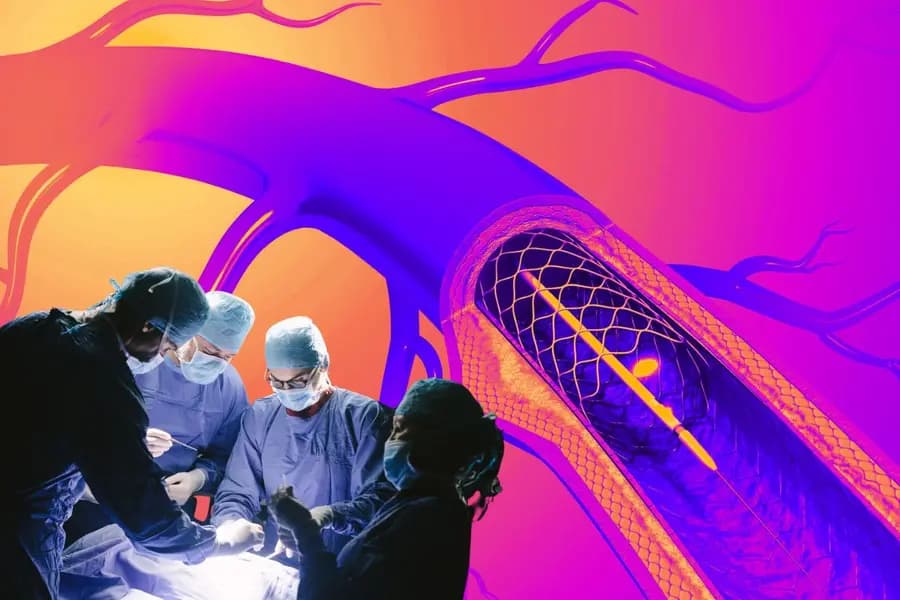
    Debate Over Angioplasty Necessity in Keralam
    Economic and Social Development12-Oct-2026

    Debate Over Angioplasty Necessity in Keralam

    Summary of Key Points on Angioplasty Debate in Keralam

    Medical Procedure Overview

    • Angioplasty: A medical procedure to open narrowed or blocked heart arteries using a balloon, often followed by stent placement to maintain artery openness.
    • Indication: Essential during acute heart attacks to restore blood flow. Less critical in stable cases of coronary artery disease unless blockages are severe (≥70% narrowing or ≥50% in critical areas).

    Key Insights from Experts

    • Dr. Ambuj Roy (AIIMS, Delhi): Angioplasty does not significantly increase life expectancy in patients with stable coronary artery disease compared to medication alone. Clinical decisions should be individualized based on patient presentation.
    • Dr. Rajeev Jayadevan (IMA): Advocates for patient-specific evaluations and cautions against generalized claims undermining trust in cardiologists.
    • Dr. Akshay Ashok Bafna (Government Medical College): Emphasizes that patient assessments must be data-driven, factoring in symptoms and medical background for determining the need for angiography.
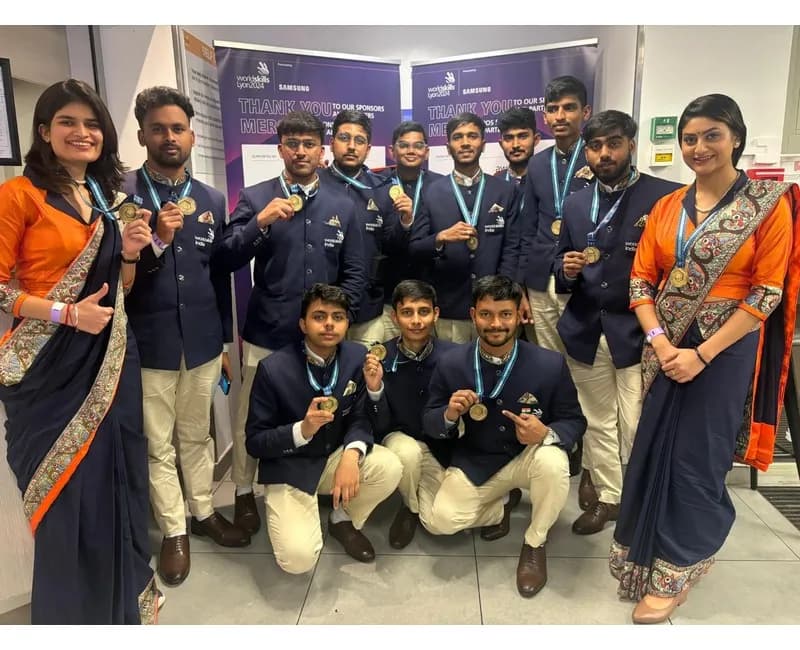
    India Shines at WorldSkills Competition
    Economic and Social Development10-Oct-2026

    India Shines at WorldSkills Competition

    Summary of Key Points

    WorldSkills Competition 2026:

    • Event Details: 48th WorldSkills Competition held in Shanghai, China.
    • Participants: Over 1,400 contestants from approximately 70 countries and regions.
    • India's Achievement: India ranked 10th, marking its entry into the top 10 for the first time, with a total haul of 26 medals: 6 silver medals and 20 Medallions for Excellence.
    • Historical Performance:
      • 2011: 39th place
      • 2017: 19th place
      • 2019: 13th place
      • 2024: 13th place maintained

    Skilling and Workforce Development:

    • Focus Area: The importance of skill development and vocational training highlighted through the achievements of Indian participants.
    • New Categories: India competed in 11 skills for the first time, achieving notable success in dental prosthetics, digital interactive media design, retail sales, and more.

    Government Schemes and Policies:

    • Pradhan Mantri Skilling and Employability Transformation through Upgraded ITIs (PM-SETU): A ₹60,000 crore scheme aimed at upgrading 1,000 Industrial Training Institutes (ITIs) into 200 hubs and 800 spokes, with industry partnership for skill development.
    • Whole-of-Government Approach: Collaboration between the Ministry of Skill Development and Entrepreneurship, National Skill Development Corporation, and state governments to create an ecosystem supporting skill training.

    Economic Indicators:

    • Investment in Skilling: Emphasis on 'Skill-Ex' discipline as a legitimate measure of national progress alongside capital expenditure (Capex) and operational expenditure (Opex).
    • Participants in IndiaSkills: Over 3.65 lakh young people registered in 63 skills, leading to 650 national finalists.

    Constitutional and Cultural References:

    • Philosophical Context: The reference to the Bhagavad Gita (18.46) emphasizes that skill and dedicated work can serve as a form of devotion, thereby promoting respect for labor and craftsmanship.

    Significant Individual Achievements:

    • Kaif Khan, Mohammed Salam, Saniya Joshi: Notable recipients of medals, showcasing diverse skill areas such as car painting and dental prosthetics, reflecting the potential of young individuals in skill-based careers.

    Conclusion

    The increasing recognition of skill-based occupations, exemplified by India's historical achievements in the WorldSkills Competition and supported by governmental initiatives like the PM-SETU scheme, signifies a pivotal shift towards valuing vocational training as much as academic success. The efforts aim to elevate India's position as a global leader in skill development.

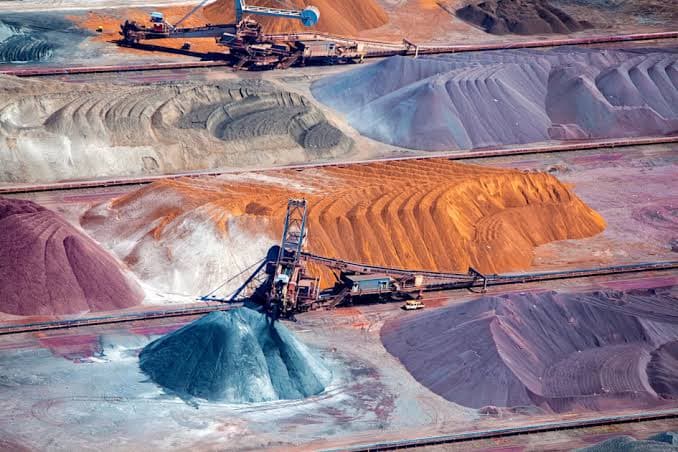
    India's New Policy on Critical Minerals
    Economic and Social Development10-Oct-2026

    India's New Policy on Critical Minerals

    Summary of Key Facts, Policies, and Developments

    1. Policy Development:

    • The Ministry of Mines is developing a new policy for stockpiling critical minerals, expected to be finalized within one month.
    • This initiative responds to increasing supply chain vulnerabilities and aims to reduce import dependency.

    2. Importance of Critical Minerals:

    • Key minerals include copper, lithium, nickel, cobalt, and rare earth elements vital for clean energy technologies, such as:
      • Wind turbines
      • Electricity networks
      • Electric vehicles (EVs)
      • Battery manufacturing

    3. Current Challenges:

    • India relies 100% on imports for most critical minerals and has low domestic processing capacity.
    • India's overseas efforts via Khanij Bidesh India Ltd (KABIL) for securing mineral assets have encountered significant obstacles, particularly in Australia, Vietnam, Mali, and Chile.
    • Progress has only been noted in Argentina with the acquisition of five lithium brine blocks.
    WHO Guidelines on Child Obesity
    Economic and Social Development10-Oct-2026

    WHO Guidelines on Child Obesity

    Summary of Key Points on Obesity Management in Children

    1. Global Burden of Diabetes and Lifestyle Diseases:

      • Increasing prevalence among young populations, particularly in developing nations like India.
    2. WHO Guidelines on Childhood Obesity:

      • First-ever guidelines addressing obesity in children and adolescents.
      • Emphasizes early, family-centered interventions, with a focus on:
        • Healthier diets.
        • Physical activity.
        • Behavioral support.
      • Acknowledges that pharmaceuticals and surgical options may be used for severely obese adolescents with comorbid conditions (e.g., type 2 diabetes).
    3. Indian Context:

      • India faces a dual challenge of addressing both malnutrition and obesity concurrently.
      • Indian Academy of Paediatrics (2023 Guidelines):
        • Recommends assessment of children over 10 years old for health issues related to obesity, such as hypertension, abnormal blood lipids, diabetes, and fatty liver disease.
  • Aims to bridge the information gap regarding educational and career opportunities, entrance exams, and skill training.
  • Encourages promoting sports, fitness, and mentorship.
  • Addresses the issue of drug abuse and illegal migration trends among youth.
  • Library Development:

    • Plans to establish smart libraries by upgrading existing facilities and facilitating new ones with books, computers, and internet access.
    • Each expert can impact 6,000 children in one session across the villages.

    Local Engagement:

    • Teams will connect individuals and institutions willing to donate educational resources directly with the villages.
    • Emphasizes that social responsibility should encompass all children, promoting a shared societal duty.

    Contextual Challenges:

    • Drug abuse, particularly pronounced in Haryana, has led to community initiatives like “thikri pehras” to monitor drug-related activities.

    Future Prospects:

    • Potential for model expansion to other parts of Haryana once established and assessed for effectiveness in Jind.

    Participants and Support:

    • Launch event attended by Jind Deputy Commissioner Vaishali Sharma and cluster teams meeting with local communities to drive engagement.

    This initiative highlights a community-centric approach to tackle critical social issues such as drug abuse and educational access through professional volunteering and local resource mobilization.

    Medical Guidelines and Protocols

    • Testing Thresholds: Blockages under 50% typically managed with lifestyle and medication; functional testing required for blockages between 50-70%.
    • Patient Decision Involvement: Encouraged to engage in discussions regarding the necessity and risks of proposed medical interventions.

    Societal & Psychological Factors

    • Public Trust Issues: Concerns were raised that overgeneralization against unnecessary stents might cause patients to avoid necessary treatments during crises due to fear.
    • Information Asymmetry: Patients often struggle to interpret diagnostic results leading to anxiety over medical decisions; context is vital in understanding test results.

    Quantitative Data

    • Coronary Stents Usage: Keralam ranks third in coronary stent usage in India, following Maharashtra and Karnataka, raising questions about the appropriateness of this trend.

    Governance and Public Health Call

    • Campaign Initiation: Keralam Chief Minister V D Satheesan’s campaign against unnecessary angioplasties aims to address the issue of overuse of the procedure without detracting from its lifesaving potential when truly needed.
    • Calls for Audit: Need for greater awareness and adherence to evidence-based guidelines as a method to ensure appropriate treatment choices are made for patients in need.

    Recommendations for Patients

    • Engage in informed discussions with healthcare providers about procedures.
    • Understand the implications of recommended treatments and available alternatives.
    • Recognize that not all abnormal test results necessitate invasive interventions.

    This summary encapsulates the ongoing debate regarding angioplasty practices in Keralam, stressing the importance of rational medical decision-making based on patient-specific contexts and recent clinical guidelines.

    4. Strategic Framework:

    • The National Critical Minerals Mission (NCMM) has proposed the National Critical Mineral Stockpile Programme:
      • Aims to mitigate global supply chain risks.
      • Budget allocation of Rs 500 crore from 2024-25 to 2030-31.
      • Plans to stockpile at least 5 critical minerals to meet domestic needs during emergencies.

    5. Domestic Processing Capacity:

    • To address dependence on imports and China, which controls 90% of global critical mineral processing, India is enhancing domestic processing capabilities.
    • Four states designated for critical mineral processing plants:
      • Andhra Pradesh & Gujarat: Rare earth elements
      • Odisha: Nickel
      • Maharashtra: Lithium

    6. Indigenous Technology Development:

    • The government recognizes the need for indigenous technology development for mineral processing as countries with advanced technology are reluctant to share.
    • Nine Centers of Excellence have been established to promote progress in this area.

    7. Future Schemes:

    • Plans are in place for a new scheme focusing on lithium and nickel to support the battery manufacturing ecosystem.
    • Efforts to frame a comprehensive policy to promote critical mineral processing, targeting strategic minerals essential for electric vehicles.

    Economic Context:

    • The initiatives signify a shift towards self-reliance in critical mineral sourcing and processing in line with the broader goals of India’s economic independence and sustainability in the energy sector.

    Conclusion:

    • The policy initiatives and strategic actions underline India's commitment to securing essential minerals, enhancing domestic capacities, and fostering technology development in critical mineral processing. These steps are aimed at safeguarding against future supply chain disruptions and positioning India as a key player in the global clean energy movement.
  • Alignment with WHO strategies advocating a comprehensive approach involving parents, pediatricians, and schools.
  • Supportive Environments:

    • WHO underscores the importance of creating "supportive environments" for healthier choices.
    • Emphasis on addressing access to nutritious food, particularly for children reliant on poor diets due to limited options.
  • Public-Health Policy Implications:

    • Need for regulations against advertising and promotion of unhealthy foods.
    • Strengthening availability and accessibility of nutritious food alternatives.
    • Calls for "systemic change" to tackle the root causes of obesity and malnutrition.
    • Highlighting the links between child malnutrition and poor maternal diets emphasizes the need for broader public health initiatives.
  • Policymaker Recommendations:

    • Governments should integrate nutritional awareness into public health policy.
    • Women’s empowerment and facilitating healthier food choices must be prioritized due to their impact on family nutrition.
  • This summary encapsulates significant findings and recommendations from recent health guidelines and studies on childhood obesity and its management.