iAspirants
Current AffairsPrelims PYQsUPSC SyllabusBlogsPricing
Login
iAspirants

Your AI-powered companion for UPSC preparation.

Quick Links

  • Home
  • About Us
  • Current Affairs
  • Prelims PYQs
  • UPSC Syllabus
  • Blogs

Company

  • Pricing
  • FAQs
  • Contact Us
  • Login

Legal

  • Privacy Policy
  • Terms & Conditions
  • Return Policy

© 2025 iAspirants, Inc. All rights reserved.

  1. Blogs
  2. Polity and Governance

Simultaneous Elections Initiative in India

Published on: 25-Aug-2026

Share this post

Simultaneous Elections Initiative in India

Article Summary

Exam-Focused Notes on 'One Nation, One Election' Initiative and its Constitutional Implications

  1. Main Initiative:

    • The Modi government's proposal for simultaneous elections for the Lok Sabha and State Assemblies is termed 'One Nation, One Election'.
  2. Constitutional Amendments:

    • Requires amendments to the Constitution, specifically proposed through the Constitution (129th Amendment) Bill, 2024, and the Union Territories Laws (Amendment) Bill, 2024.
  3. Parliamentary Oversight:

    • A joint parliamentary committee, led by P.P. Chaudhary, is examining these bills.
    • The committee reportedly requires two-thirds of the members of Parliament to support the bills for their passage.
  4. State Autonomy:

    • The implementation is contingent upon state governments’ willingness; they are empowered under the Constitution to decide on the dissolution of Assemblies.
  5. Public Support:

    • Chaudhary stated that feedback from people indicates 99% support for simultaneous polls, suggesting a disconnect between political party positions and public sentiment.
  6. High-Level Panel Recommendation:

    • The initiative is based on prior recommendations from a high-level panel led by former President Ram Nath Kovind, which suggested synchronizing Lok Sabha, State Assembly, and local body elections.
  7. Past Election Practices:

    • Simultaneous elections occurred from 1951 to 1967; however, disruptions in 1968–1969 led to staggered elections due to premature dissolutions of Assemblies.
  8. Judicial and Political Context:

    • Previous constitutional references include Article 352, which permitted the extension of Lok Sabha terms during the Emergency.
    • Historical data shows inconsistent adherence to full five-year terms for Lok Sabha, with several dissolutions occurring early.
  9. Government Time Efficiency:

    • Chaudhary noted that about 30% of the time of government schools is utilized for election-related activities, hinting at the potential efficiency gains from synchronized elections.
  10. Valuable Stakeholders:

    • Civil society members have been invited for opinions to ensure the proposed amendment reflects the public's will.
  11. Recent Legislative Context:

    • Another constitution amendment bill regarding women’s reservations linked to delimitation was defeated in April 2026, showcasing the legislative challenges faced by the current government.
  12. Economic and Social Benefits:

    • The initiative is posited as beneficial especially for the youth, potentially enhancing governance and reducing the electoral burden on incumbents.
  13. Disruptive History:

    • Premature dissolutions and extended terms have caused electoral cycles to shift away from the initial simultaneous schedule, leading to a complex electoral landscape.
  14. Current Legislative Steps:

    • The bills were introduced in December 2024; the committee needs to finalize recommendations to smoothen proceedings.

These notes encapsulate key proposals and implications of the 'One Nation, One Election' initiative and reinforce the connection between legislative processes and constitutional requirements.

Key Terms & Concepts

Constitution (129th Amendment) Bill, 2024Amendment for simultaneous elections
Union Territories Laws (Amendment) Bill, 2024Support simultaneous elections framework
One Nation, One ElectionElection synchronization initiative
Article 352Descriptor for Emergency term extension
1951-52First simultaneous elections held
2018Year proposal for reforms initiated
BJPPolitical party supporting initiative
high-level panelRecommended simultaneous elections
Ram Nath KovindFormer President, led the panel
Amit ShahUnion Home Minister, panel member
31-member joint committeeExamines election bills
Lok SabhaLower house of Parliament

Mind Map for UPSC Civil Services Revision

Turn UPSC Civil Services Current Affairs Into Exam-Ready Notes

Reading Polity and Governance current affairs is half the work. Revise them with ready-made notes and test what actually stuck.

  • Daily UPSC Civil Services current affairs analysis
  • Revision notes, mind maps & MCQs
  • Prelims mock tests with instant results

Related UPSC Civil Services Current Affairs Articles

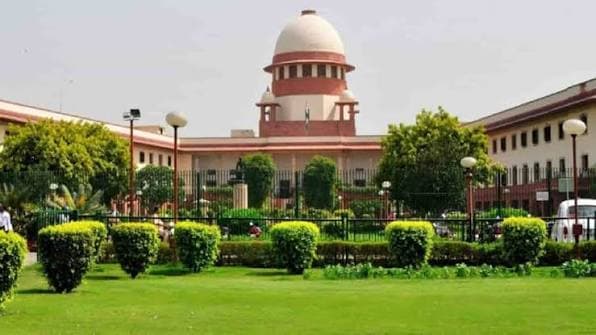
Supreme Court Judgment on Industry Definition
Polity and Governance25-Aug-2026

Supreme Court Judgment on Industry Definition

Supreme Court of India Judgment Summary - August 20, 2026

Key Case Reference:

  • Case: Bangalore Water Supply and Sewerage Board vs A. Rajappa (1978)
  • Context: Supreme Court's decision on the definition of "industry" under Section 2(j) of the Industrial Disputes Act, 1947 (ID Act).
State AssembliesElections synchronized with Lok Sabha
99%Public support for simultaneous polls
30%Government school time for elections

Judicial History:

  • State of U.P. vs Jai Bir Singh (2005): Questioned the correctness of BWSSB; led to the establishment of a seven-judge Bench, later referred to a nine-judge Bench.
  • Repeal of ID Act: The ID Act, 1947 was repealed by the Industrial Relations Code (IRC), 2020, effective November 21, 2025.

Judgment Overview:

  • Question Framed (February 16, 2026):

    1. Correctness of the test in BWSSB.
    2. Impact of the ID Act Amendment and IRC, 2020.
    3. Inclusion of government welfare activities as "industrial activities."
    4. Scope of "sovereign functions" under Section 2(j).
  • Judges' Opinions:

    • D. Datta and U. Bhuyan: No answer required to the reference.
    • B.V. Nagarathna: Considered the exercise unnecessary and academic.
    • P.S. Narasimha: Emphasized the need for interpretation but recognized repeal negated immediate relevancy.
  • The Chief Justice's opinion suggests the reformulated “Triple Test” is hypothetical and will not impact pending cases.

Constitutional References:

  • Article 42: Requires state to secure just and humane working conditions.
  • Article 23: Prohibits trafficking in human beings and forced labor.
  • Kesavananda Bharati (1973): Affirmed that justice, social, economic, and political is part of the Constitution's basic structure.
  • Concerns Over Inequality: Recognizes the persistent imbalance between capital and labor, which necessitates protections for workers.

Significance of BWSSB:

  • BWSSB established a broad definition of "industry" that ensured workers received minimum protections under the ID Act for industrial peace.
  • Reformation of the definition within the new IRC must not strip workers of protection but ensure social justice as mandated by constitutional ideals.

Implications of the IRC, 2020:

  • The IRC is an independent legislative enactment; any interpretations must align with its text, avoiding previous biases stemming from BWSSB.
  • A trend of narrowing protections under new laws was highlighted, indicating a risk of excluding more workers from insulating legal protections.

Conclusion:

  • The Supreme Court's judgment emphasizes the need for balanced interpretation of labor laws reflecting social justice.
  • There remains a concern regarding the capacity of the new labor codes, including the IRC, to uphold the promise of social justice embedded in the Constitution. Future judicial interpretations must ensure workers are adequately protected under evolving labor laws.
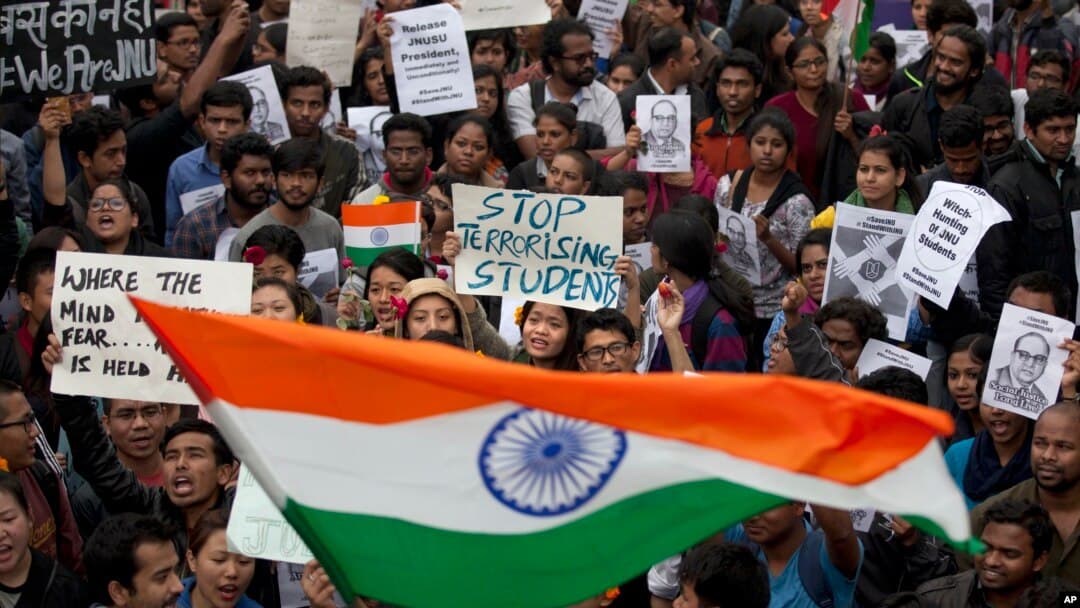
Profanation and Political Protest Dynamics
Polity and Governance24-Aug-2026

Profanation and Political Protest Dynamics

Key Highlights on Profanation and Student Protests in India

  1. Concept of Profanation:

    • Defined by philosopher Giorgio Agamben as the transfer of objects or concepts from a sacred to a common context.
    • Examples include the transformation of chess and children’s play from serious to playful.
  2. Recent Student Protests:

    • Led by the Cockroach Janta Party (CJP), raising questions about what is deemed "sacred" and "profane" in Indian politics.
    • Labelled by media as a mix of informal political expression and anarchism, combining humor and direct protest.
  3. Historical Context:

    • Historical instances of political profanation in India, particularly during the Indian national movement, utilized non-violent tactics akin to the CJP's methods.
    • Examples of past leaders renouncing awards to assert national identity and sentiments.
  4. Role of Humor and Satire:

    • Utilized as tools to challenge hegemonic structures when formal expressions are suppressed.
    • Notable historical references include Mahatma Gandhi’s witty sarcasm towards colonial authorities.
    • Global instances such as Charlie Chaplin’s works and humor as a political resistance in Palestine.
  5. Political Dynamics:

    • Students as agents of change, employing informal political rhetoric to confront governmental authority.
    • This represents a shift from traditional political actions towards a more unconventional style.
  6. Concerns and Perspectives:

    • Skepticism from political entities regarding the effectiveness of informal and non-institutional protest.
    • Opponents argue that "street politics" lacks the capacity for profound political change.
  7. Congress Party's Response:

    • The Congress Party acknowledges the CJP’s approach while warning against potential populist elements.
    • Engagement in informal political discourse by leaders like Rahul Gandhi showcases adaptability in political tactics.
  8. Implications for Indian Democracy:

    • The protests spark a debate on the place of informal dissent within the established political framework.
    • Questions of legitimacy and recognition of non-electoral forms of political mobilization continue to emerge.
  9. Governance Accountability:

    • Calls for increased transparency and accountability from the youth indicate a readiness for a transformation in how politics is approached in India.
    • The new form of dissent reflects a broader rejection of traditional political responses when institutions fail to address public grievances.

These developments represent an important facet of contemporary Indian politics, where informal protests and humor are increasingly becoming integral to the dialogue on governance and democracy. Understanding these dynamics is crucial for grasping the evolving nature of political discourse in the country.

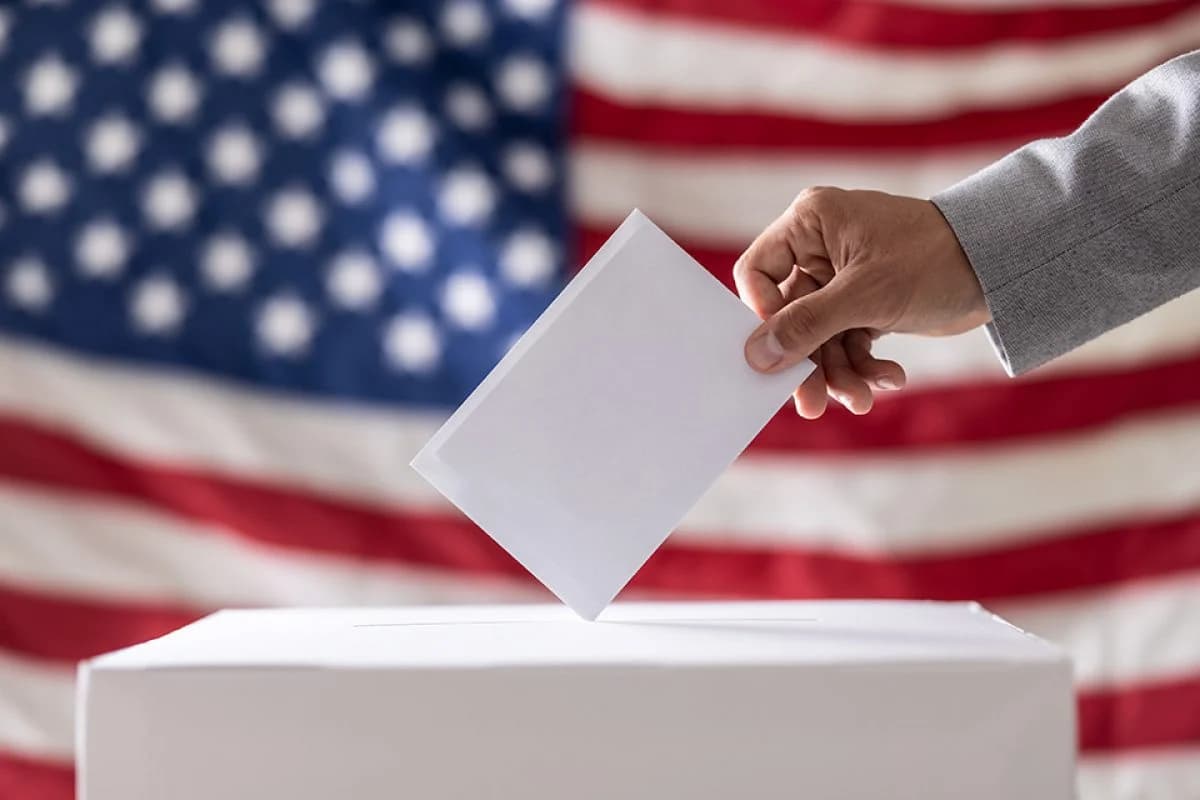
US Voter Registration and Election Process
Polity and Governance23-Aug-2026

US Voter Registration and Election Process

Key Points Summary

Constitutional References:

  • U.S. Constitution, Article I, Section 4: Empowers state legislatures to determine the “times, places, and manner” of federal elections, allowing Congress to make regulations.
  • No central election authority like India's Election Commission; regulated at state level.

Election Laws and Acts:

  • National Voter Registration Act, 1993: Requires states to offer voter registration at motor vehicle and public assistance offices.
  • Help America Vote Act, 2002: Provides funding for new voting machines and mandates state-wide elector databases.
  • SAVE America Act: Proposed by Trump, requiring proof of citizenship and photo ID for voter registration, passed the House along party lines but stalled in the Senate.

Voter Registration and Identification:

  • In the U.S., voter registration is initiated by the elector and varies by state.
  • Identification Requirements: 36 states require some identification at polling places; 23 require photo ID.
  • Election officials not complying with document requirements could face up to five years in prison.

Economic Data and Public Opinion:

  • Bipartisan Policy Center estimates that over 20 million eligible citizens lack ready access to a passport or birth certificate.
  • Surveys show majority support for photo ID at polls but hesitance over citizenship proof requirements.

India’s Electoral Process:

  • The Election Commission of India (ECI) conducts house-to-house enumeration for voter registration.
  • Voter identification can include Electoral Photo Identity Card (EPIC) and Aadhaar.
  • The Systematic Voter's Education and Electoral Participation (SVEEP) initiative aims to enhance voter participation and electoral integrity.

Supreme Court Rulings:

  • The Supreme Court upheld the validity of the electoral rolls updated through the Special Intensive Registration (SIR) exercise of the ECI despite anomalies noted during the process.
  • The SIR enforced self-enumeration of voters, allowing those who wish to register to take initiative in the verification process, contrasting with past practices.

Statistical Data:

  • Approximately 1% of 64.64 crore Indian electors used mail voting in the last election, indicating low prevalence compared to the U.S.
  • Over 7 crore names deleted in the SIR phase 2 across states highlighted discrepancies leading to concerns over gender ratios and religious bias in registration.

International Context:

  • The differing election processes in India and the U.S. draw significant attention, illustrating contrasting governance models—India's quasi-federal system versus the U.S.'s strong federal framework.

Opposition and Criticism:

  • Critics of the SAVE America Act argue it mirrors concerns raised in India about shifting the responsibility of verifying voter eligibility to individuals rather than an administrative body.

Conclusion: The electoral processes in India and the U.S. reveal significant differences in voter registration, identification requirements, and oversight. Both jurisdictions are grappling with integrity and access issues, but the legislative responses vary significantly based on their constitutional frameworks and electoral demands.