iAspirants
Supreme Court Judgment on Industry Definition
Published on:
Source: The Hindu
Share this post
Article Summary
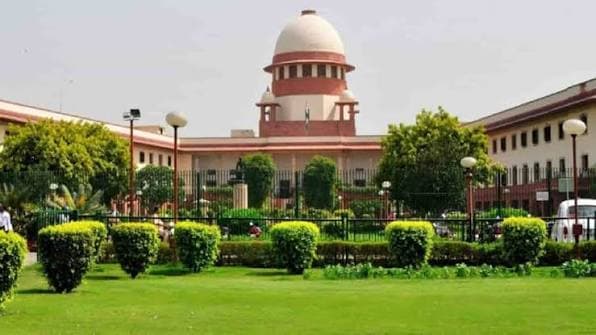
Supreme Court of India Judgment Summary - August 20, 2026
Key Case Reference:
- Case: Bangalore Water Supply and Sewerage Board vs A. Rajappa (1978)
- Context: Supreme Court's decision on the definition of "industry" under Section 2(j) of the Industrial Disputes Act, 1947 (ID Act).
Judicial History:
- State of U.P. vs Jai Bir Singh (2005): Questioned the correctness of BWSSB; led to the establishment of a seven-judge Bench, later referred to a nine-judge Bench.
- Repeal of ID Act: The ID Act, 1947 was repealed by the Industrial Relations Code (IRC), 2020, effective November 21, 2025.
Judgment Overview:
Question Framed (February 16, 2026):
- Correctness of the test in BWSSB.
- Impact of the ID Act Amendment and IRC, 2020.
- Inclusion of government welfare activities as "industrial activities."
- Scope of "sovereign functions" under Section 2(j).
Judges' Opinions:
- D. Datta and U. Bhuyan: No answer required to the reference.
- B.V. Nagarathna: Considered the exercise unnecessary and academic.
- P.S. Narasimha: Emphasized the need for interpretation but recognized repeal negated immediate relevancy.
The Chief Justice's opinion suggests the reformulated “Triple Test” is hypothetical and will not impact pending cases.
Constitutional References:
- Article 42: Requires state to secure just and humane working conditions.
- Article 23: Prohibits trafficking in human beings and forced labor.
- Kesavananda Bharati (1973): Affirmed that justice, social, economic, and political is part of the Constitution's basic structure.
- Concerns Over Inequality: Recognizes the persistent imbalance between capital and labor, which necessitates protections for workers.
Significance of BWSSB:
- BWSSB established a broad definition of "industry" that ensured workers received minimum protections under the ID Act for industrial peace.
- Reformation of the definition within the new IRC must not strip workers of protection but ensure social justice as mandated by constitutional ideals.
Implications of the IRC, 2020:
- The IRC is an independent legislative enactment; any interpretations must align with its text, avoiding previous biases stemming from BWSSB.
- A trend of narrowing protections under new laws was highlighted, indicating a risk of excluding more workers from insulating legal protections.
Conclusion:
- The Supreme Court's judgment emphasizes the need for balanced interpretation of labor laws reflecting social justice.
- There remains a concern regarding the capacity of the new labor codes, including the IRC, to uphold the promise of social justice embedded in the Constitution. Future judicial interpretations must ensure workers are adequately protected under evolving labor laws.
Key Terms & Concepts
| Bangalore Water Supply and Sewerage Board vs A. Rajappa | Judgment defining 'industry' |
| Industrial Disputes Act, 1947 | Repealed legislation impact |
| Industrial Relations Code, 2020 | New legislation replacing ID Act |
| Article 42 | Just and humane work conditions |
| Article 23 | Prohibition of forced labor |
| Kesavananda Bharati case (1973) | Constitution's basic structure recognition |
| November 21, 2025 | IRC, 2020 brought into force |
| January 2, 2017 | Reference to nine-judge bench |
| February 16, 2026 | Questions framed by the court |
| five-judge Bench in Jai Bir Singh (2005) | Historical judicial reference |