iAspirants
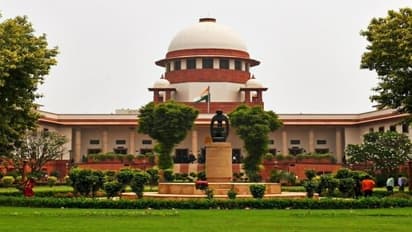
Supreme Court Hearing on Legislative Privileges
Published on:
Source: Indian Express
Share this post
Article Summary
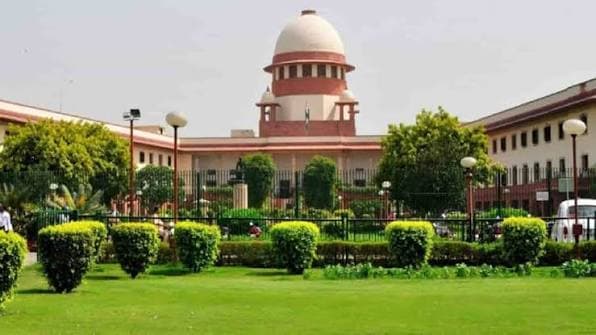
Supreme Court Case on Legislative Privileges and Freedom of Speech
Constitutional References:
- Article 105 & Article 194: Discuss legislative privileges and immunities for Parliament and state legislatures. The interplay with fundamental rights, especially freedom of speech under Article 19.
- Article 14: Right to Equality.
- Article 21: Right to Life and personal liberty.
Context:
- The Supreme Court will hear a reference on whether legislative privileges can override fundamental rights, specifically targeting journalists and citizens for breaching legislative privileges.
- The case traces back to past instances, particularly focusing on a 2003 incident involving the publication of critical articles affecting Tamil Nadu's legislature.
Key Judicial Precedents:
- Pandit M.S.M. Sharma v. Sri Krishna Sinha (1959): Supreme Court upheld legislative privilege over press freedom.
- Keshav Singh’s case (1964): Clarified that constitutional courts can examine the legality of detention based on legislative privilege.
- Evolution of the Supreme Court’s stance, including rulings in:
- Raja Ram Pal (2007): Upheld expulsion of MPs but affirmed judicial review over parliamentary privilege.
- Amarinder Singh (2010): Stated that privilege cannot punish conduct unrelated to House functioning.
- Sita Soren Case (2024): Overruled an earlier decision granting immunity to MPs in bribery cases.
Arguments from Petitioners:
- Legislative privilege is intended to protect the functioning of the legislature, not the government or individual legislators.
- The actions taken by the legislative bodies in penalizing journalists violate Articles 19 (freedom of speech) and 21 (personal liberty).
- Legislative privilege, when invoked to deprive personal liberty, demands adherence to constitutional guarantees such as fairness and due process.
- Petitioners assert that constitutional supremacy prevails over parliamentary sovereignty, seeking to limit the scope of legislative immunity.
Criticism and Interventions:
- Various intervenors, including journalists and former MPs, have challenged the legislative authority to stifle press freedom, advocating for the need to uphold constitutional limitations on legislative privileges.
- Example: Stand-up comedian Kunal Kamra and journalist Ajit Anjum raised concerns regarding the chilling effects on the press and argued for reconsideration of earlier rulings that grant undue power to legislators.
Economic/Educational Context:
- The ongoing legal battles and debates over legislative privileges reflect broader issues of freedom of expression and the role of the media in a democracy, impacting the public's right to information and scrutiny of governance.
Conclusion:
The Supreme Court's decision in this case will clarify the balance of power between legislative privileges and fundamental rights, significantly impacting the relationship between the media and state agencies, and setting a precedent for future legislative conduct in India.
Key Terms & Concepts
| Supreme Court | Judicial authority |
| Articles 105 and 194 | Legislative privileges defined |
| Article 19(1)(a) | Guarantees freedom of speech |
| Article 194(3) | Grants privileges to legislatures |
| Articles 14 and 21 | Rights to equality and life |
| Pandit M.S.M. Sharma v. Sri Krishna Sinha | Legal precedent on privileges |
| Keshav Singh's case | Challenge to imprisonment by assembly |
| Amarinder Singh (2010) | Guideline on assembly expulsions |
| Sita Soren case | Overruling previous immunity ruling |
| Legislative privilege | Right to protect parliamentary functioning |
| Parliamentary democracy | System of governance in India |
| Media freedom | Essential for democracy |