iAspirants
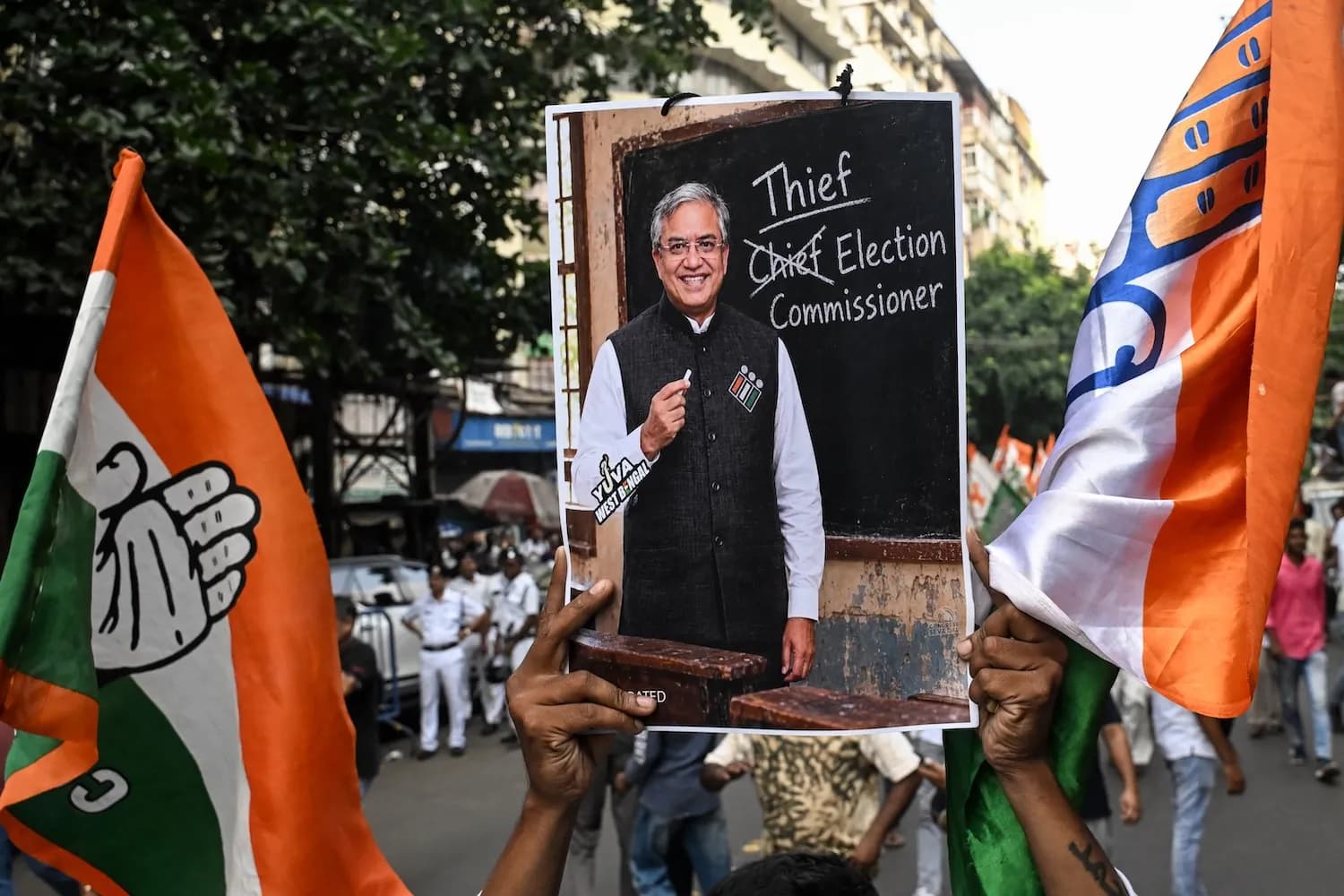
Election Commission Faces Controversy and Criticism
Published on:
Source: Indian Express
Share this post
Article Summary
Election Commission of India (ECI) Controversy Overview
Current State of ECI:
- The ECI is facing significant criticism from various sectors including civil society, political parties, and former officials, resulting in a loss of confidence in the institution.
- Internal conflict among the Election Commissioners has been highlighted, with public revelations of differing opinions and accusations of mismanagement.
Judicial Involvement:
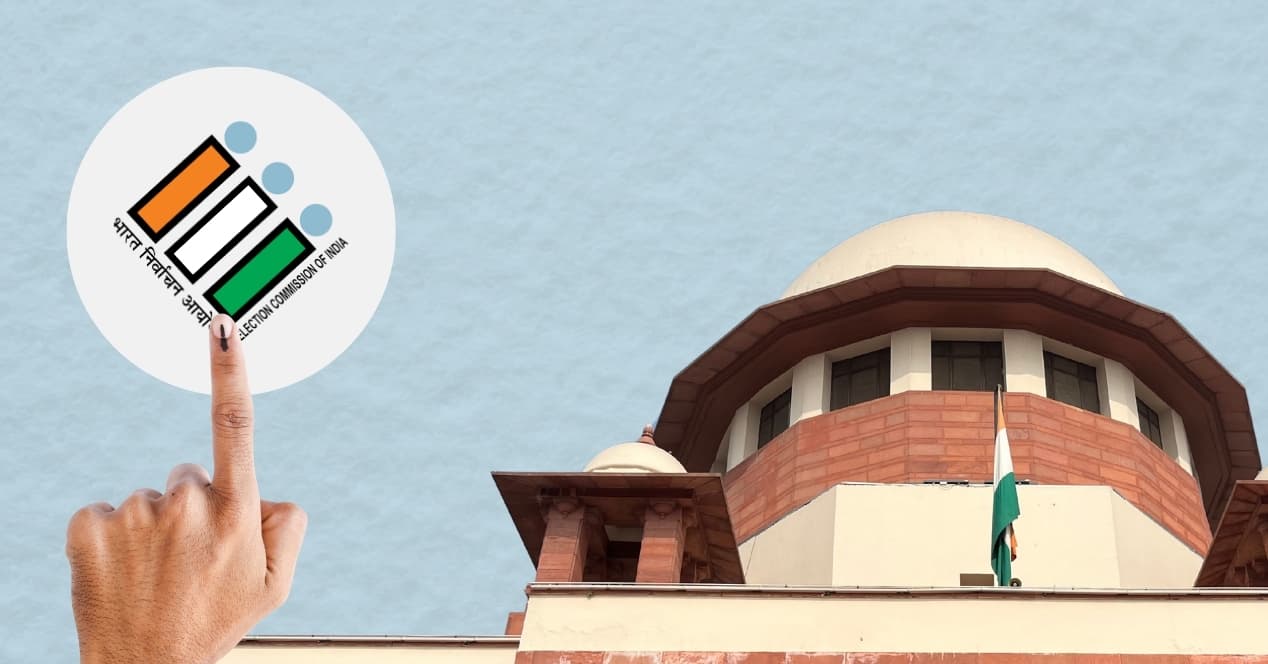
- The Supreme Court (SC) is hearing petitions for the suspension of the Chief Election Commissioner (CEC) related to allegedly authoritarian actions.
- The SC on October 5 indicated that modifications in Form 6 used for Special Intensive Revision (SIR) were not approved, raising questions about the legality of ECI's actions.
- A prior SC judgment (May 27) recognized the ECI's authority but cautioned that this authority is not absolute and must align with existing statutory frameworks.
Operational Issues and Allegations:
- Key allegations against ECI include the unauthorized alteration of Form 6 leading to mass disenfranchisement and lack of transparency in decision-making processes.
- Election Commissioners have expressed concerns over how the changes to Form 6 were made without consensus, implying a lack of inclusivity during important decisions.
Special Intensive Revision (SIR):
- The SIR initiative has been criticized for being aggressive and exclusionary, leading to public distrust.
- Discrepancies in handling appeals for electors affected by these changes have put the ECI's credibility in question.
Legal Framework and Constitutional References:
- Relevant legislation includes the Representation of the People Act, under which modifications in electoral documentation must adhere to statutory guidelines.
- Article 324 of the Indian Constitution grants the ECI the authority to oversee elections, thereby necessitating actions to maintain electoral integrity.
Calls for Transparency:
- Former officials are advocating for the release of meeting minutes related to the decision-making processes of ECI, aiming to restore public confidence.
- Internal communication has been highlighted, suggesting that the decision to conduct SIR was controversial, requiring further scrutiny.
Implications for Democracy:
- Ongoing issues with the ECI represent a broader crisis for India's democratic processes, with potential reverberations across the political landscape.
- Critics argue that the challenges faced by ECI reflect deeper systemic issues requiring significant reform to ensure electoral fairness and accountability.
Future Projections:
- The unfolding situation may lead to judicial reprimands or reforms within the ECI, depending on outcomes from ongoing SC deliberations.
- The response from civil society and the rulings of the SC will likely shape the re-establishment of faith in the ECI as an unbiased electoral authority.
Economic and Societal Impact:
- Disenfranchisement issues may affect voter turnout and alter the political dynamics in upcoming elections, potentially impacting government policies and societal stability.
Conclusion:
- The ECI's current plight underscores the need for robust mechanisms ensuring electoral integrity and transparency, reinforcing the foundational democratic principles enshrined in the Constitution.
Key Terms & Concepts
| Election Commission of India (ECI) | Regulatory body for elections |
| Supreme Court of India (SC) | Judicial authority over decisions |
| Special Intensive Revision (SIR) | Controversial electoral process |
| Form 6 | Document for voter registration |
| Section 21(2) of the RP Act | Legal basis for voter registration |
| 16 lakh appeals | Challenges to electoral roll integrity |
| October 5 | Date of Supreme Court hearing |
| May 27 judgement | Supreme Court ruling on ECI authority |
| Electoral Registration Officers | Personnel responsible for voter registration |