iAspirants
Surveillance and Facial Recognition Issues
Published on:
Source: The Hindu
Share this post
Article Summary
Key Highlights on Biometric Surveillance and Facial Recognition Technology
Constitutional and Legal Framework
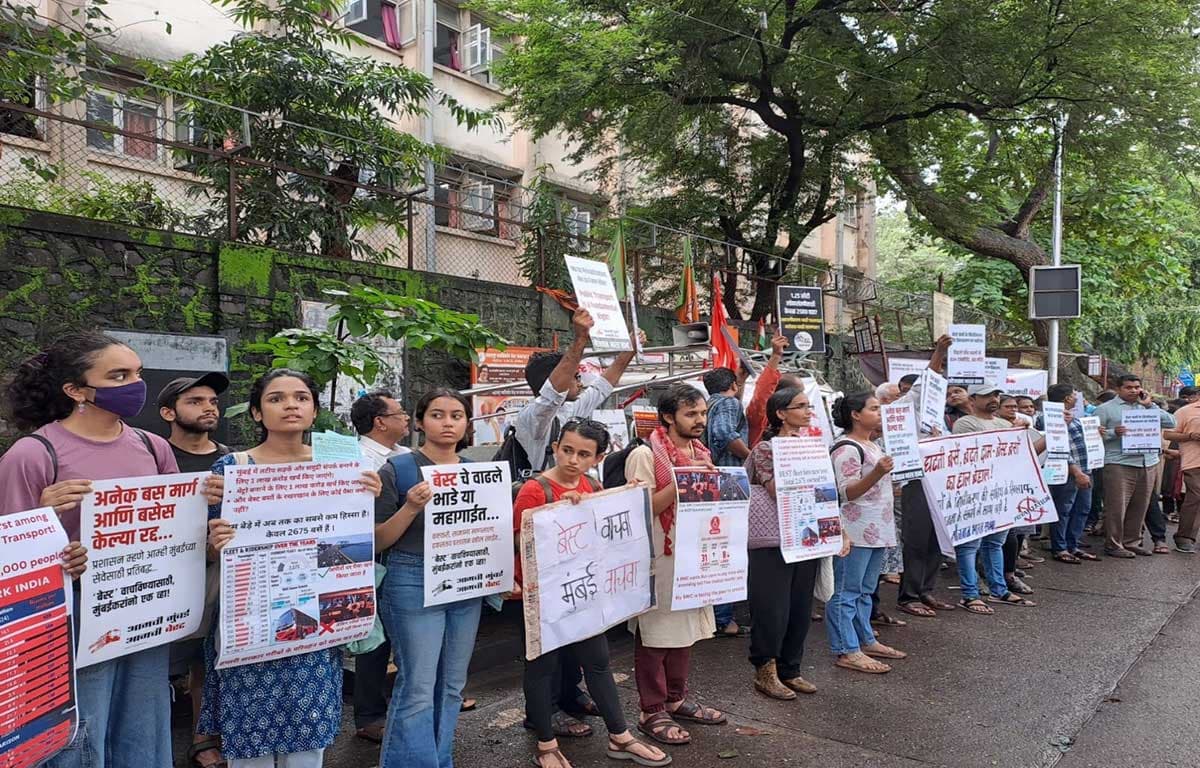
- Right to Protest: Article 19 of the Indian Constitution guarantees the right to assemble peacefully without arms. However, its exercise is now potentially impacted by surveillance technologies.
- Proportionality Test: The state must prove a legitimate objective when interfering with rights like privacy and assembly as per judicial precedents.
- Data Security & Privacy Laws:
- The Digital Personal Data Protection Act is yet to be fully implemented, particularly concerning its obligations on data processing.
- There are concerns over the lack of specific statutes governing the use of facial recognition technology by law enforcement bodies.
- The Criminal Procedure (Identification) Act, 2022 has expanded police powers regarding data collection from specified individuals.
Technology Utilized
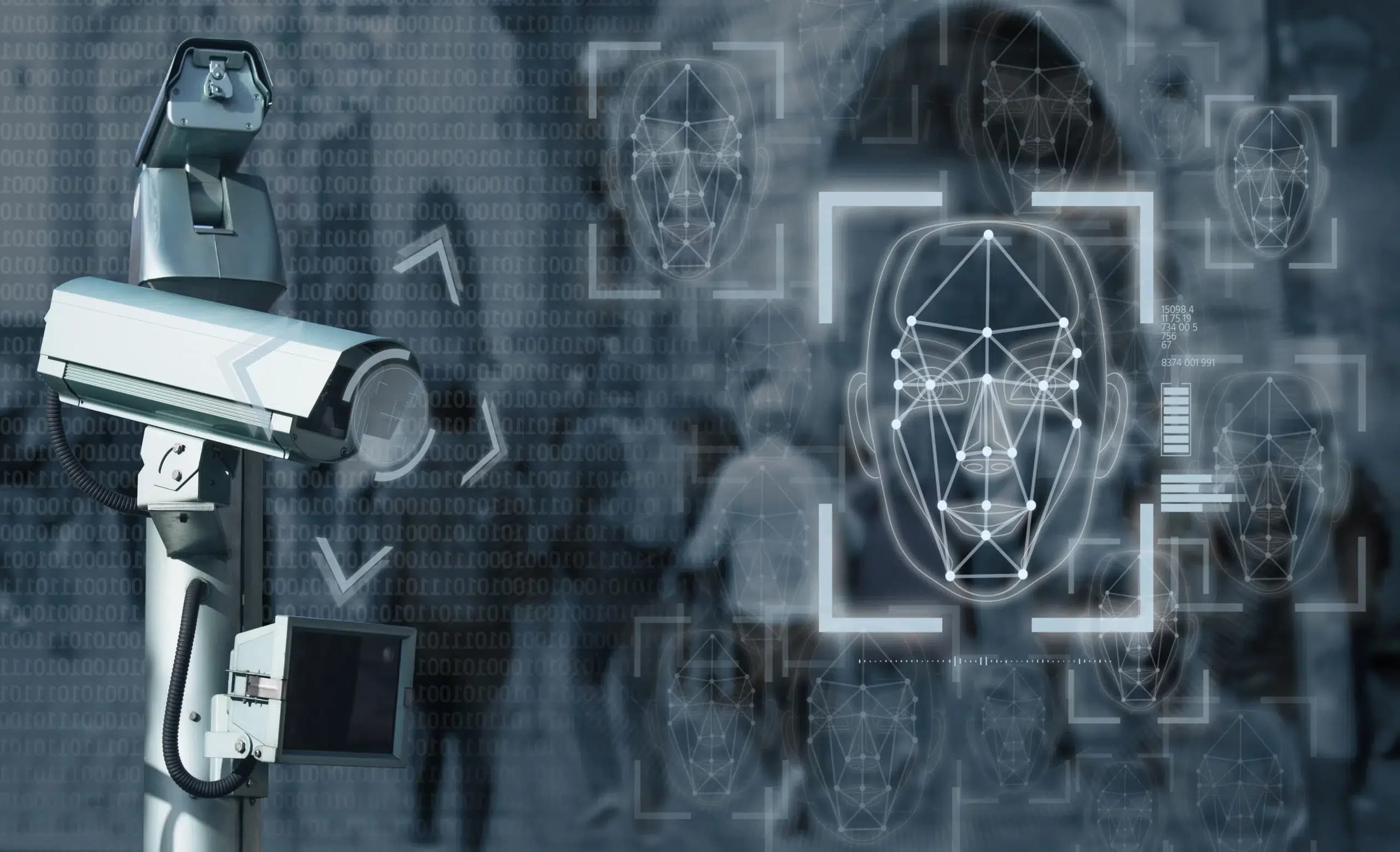
Facial Recognition Systems: Deployed by Delhi Police during protests, which included:
- Real-time scanning with AI-enabled cameras against a database.
- Use of a mobile surveillance van, smart glasses for identifying individuals, and drones.
Scopes of Use: The Automated Facial Recognition System from the National Crime Records Bureau is used for identifying criminals and unidentified bodies but raises issues with indiscriminate data collection.
Concerns Raised
- Data Handling: Issues regarding the accountability to private contractors who may access surveillance data without clear legal parameters are concerning.
- Chilling Effect: The pervasive use of surveillance technology may deter individuals from exercising their right to protest, contradicting democratic principles.
- Data Processing Agreements: Questions remain unanswered about who accesses data gathered during surveillance, terms of engagements with contract workers, and potential false positives.
- Indiscriminate Capture: Facial recognition technology at gatherings marks individuals indiscriminately, failing to target any specific groups effectively.
Implications
The deployment of these technologies without legislative and judicial safeguards poses significant challenges to the constitutional rights of citizens, especially the right to protest peacefully and the right to privacy. The need for governance and clear legal frameworks is paramount to address the complexities introduced by advanced surveillance technologies.
Summary
In conclusion, while India's law enforcement has begun utilizing advanced biometric technologies for surveillance during public protests, substantial questions regarding legal oversight, data privacy, and individual rights arise. The current lack of comprehensive legislation governing these actions calls for urgent policy review and reform to safeguard citizens’ constitutional rights against rampant state surveillance practices.
Key Terms & Concepts
| Digital Personal Data Protection Act | Regulates data processing for state |
| Automated Facial Recognition System | Identifies criminals and bodies |
| Criminal Procedure (Identification) Act 2022 | Expands police record collection |
| Supreme Court of India | Judicial oversight on police actions |
| facial recognition equipment | Surveillance technology at protests |
| biometric surveillance | Tracking individuals in crowds |
| Artificial Intelligence-enabled cameras | Real-time face scanning |
| data-processing agreements | Regulations on data sharing |
| proportionality test | Legal standard for privacy interference |