iAspirants
Current AffairsPrelims PYQsUPSC CSE SyllabusUPSC CSE StrategyBlogsPricing
Login
iAspirants

Your AI-powered companion for UPSC preparation.

Quick Links

  • Home
  • About Us
  • Current Affairs
  • Prelims PYQs
  • UPSC CSE Syllabus
  • UPSC CSE Strategy
  • Blogs

Company

  • Pricing
  • FAQs
  • Contact Us
  • Login

Legal

  • Privacy Policy
  • Terms & Conditions
  • Return Policy

© 2025 iAspirants, Inc. All rights reserved.

  1. Blogs
  2. Economic and Social Development

Transforming India's Coal Sector Since 2014

Published on: 12-Sep-2026

Share this post

Transforming India's Coal Sector Since 2014

Article Summary

Summary of SECL Transformation (2014-2026)

Overview

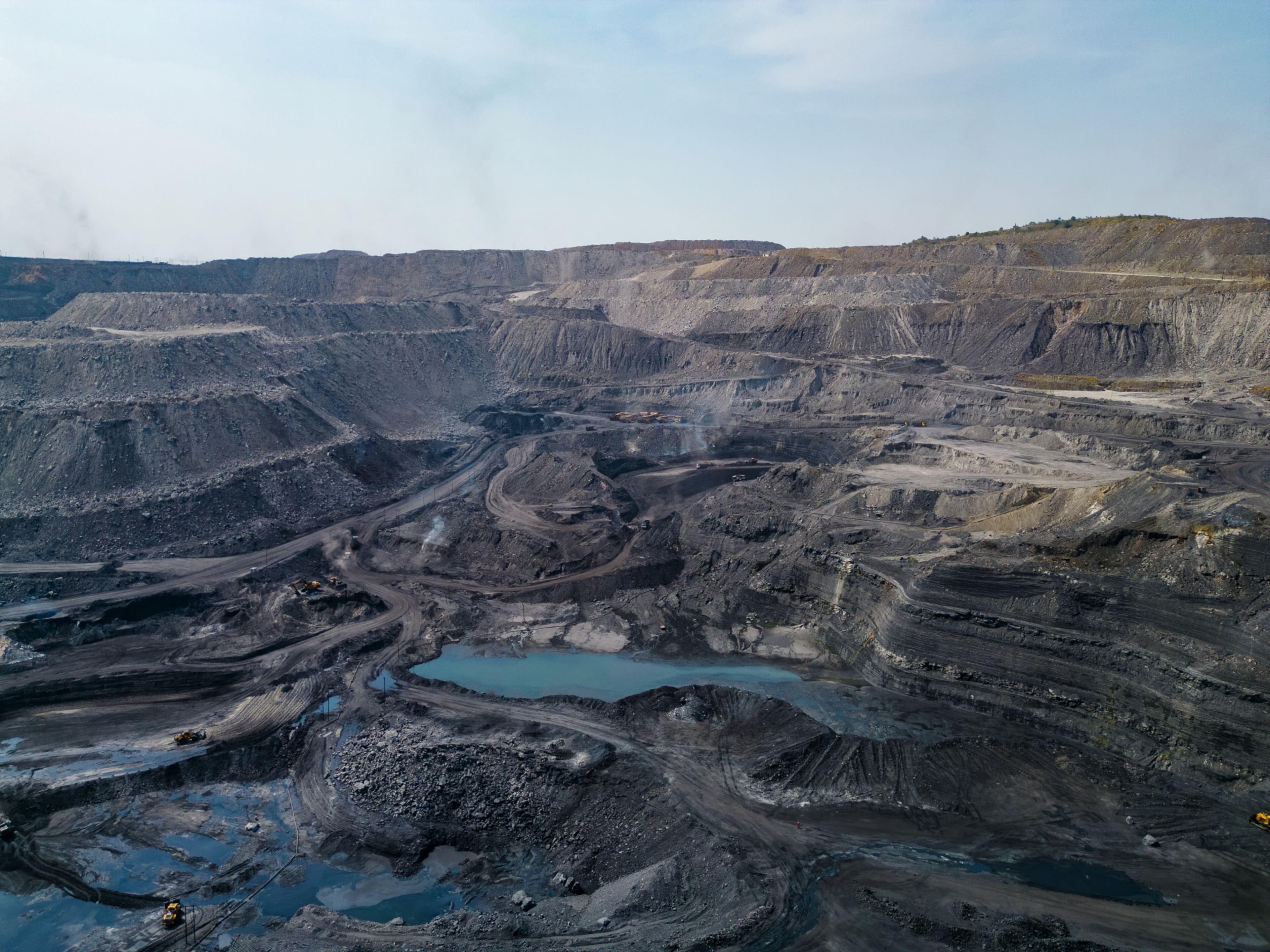
  • South Eastern Coalfields Limited (SECL), a mini-ratna subsidiary of Coal India Limited (CIL), has undergone significant transformation since 2014 under Prime Minister Narendra Modi’s leadership.
  • The transformation focuses on transparency, efficiency, technology adoption, infrastructure development, operational ease, and energy security.

Production Statistics

  • Domestic coal production in India surpassed 1 billion tons (1.04 billion tons provisional) for the second consecutive year in FY 2025-26.
  • SECL’s coal production rose from 34.2 million tons (MT) in FY 1985-86 to 176.28 MT in FY 2025-26.
  • SECL contributed approximately 23% to CIL's total production and 17% to India's total coal output in FY 2025-26.

Employment and Operations

  • SECL employs over 36,000 regular employees and 24,000 contract workers, along with a broad ecosystem of transporters and suppliers.
  • Key mining operations are located in Korba, with major mines like Gevra, Kusmunda, and Dipka representing a capacity of 185 MT.

Infrastructure Development

  • SECL is developing the Chhattisgarh East Railway and East-West Railway Corridor with an investment of approximately ₹13,685 crores and a length of 342.6 kilometers.
  • 11 First Mile Connectivity (FMC) projects initiated with an investment of ₹2,700 crores have a combined annual capacity of 156 MT, improving coal evacuation and reducing carbon footprints.

Technological Advancements

  • Adoption of surface miners and continuous miners has increased mechanization, with over 88% of coal produced without traditional drilling and blasting methods.
  • Implementation of DigiCoal for monitoring machinery, including the use of drones and CCTV for operational safety.

Financial Contributions

  • SECL’s net worth rose from ₹9,544 crores (March 2015) to ₹20,457 crores (March 2026), marking a 114% increase.
  • In FY 2025-26, SECL contributed approximately ₹11,830 crores to the central and state governments through taxes and royalties.

Corporate Social Responsibility (CSR)

  • CSR expenditure increased from ₹43.91 crores (FY 2013-14) to over ₹127 crores (FY 2025-26), a 188% increase.
  • Initiatives include providing 1,078 crores for health, education, skill development, and community infrastructure since 2014-15.

Environmental Sustainability

  • SECL has scientifically closed 28 abandoned mines and planted 14.36 lakh trees over 571 hectares in FY 2025-26, using advanced afforestation techniques.
  • The company's solar energy capacity has grown to 44 MW from zero in 2014.

Future Directions

  • SECL aims to support India's goal of becoming a $5 trillion economy by ensuring reliable and affordable coal supply while expanding renewable energy initiatives.
  • The Korba coalfield continues to be a major energy security hub, with expanded rail connectivity supporting additional production bases.

Conclusion

SECL’s evolution emphasizes enhanced coal production, financial stability, modern logistics, digital advancements, environmental responsibility, and meaningful community development, showcasing how progressive policy reforms and institutional commitment can leverage the national coal sector's potential.

Key Terms & Concepts

1.04 billion tonsProjected domestic coal production
73%Percentage of power from coal
South Eastern Coalfields Limited (SECL)Major coal producing company
176.28 million tonsCoal production in FY 2025-26
36,000 regular employeesWorkforce associated with SECL
185 million tonsCapacity of three mega mines
13,685 crore INRInvestment in railway corridor
156 million tonsAnnual capacity of FMC projects
2,700 crore INRInvestment in FMC projects
1,600 CCTV camerasNetwork for mining operations
28%Increase in coal dispatch via FMC
11,830 crore INRRevenue contribution in FY 2025-26

Mind Map for UPSC Civil Services Revision

Turn UPSC Civil Services Current Affairs Into Exam-Ready Notes

Reading Economic and Social Development current affairs is half the work. Revise them with ready-made notes and test what actually stuck.

  • Daily UPSC Civil Services current affairs analysis
  • Revision notes, mind maps & MCQs
  • Prelims mock tests with instant results

Related UPSC Civil Services Current Affairs Articles

BRICS Discuss Trade and Economic Governance
International Relations12-Sep-2026

BRICS Discuss Trade and Economic Governance

Summary of BRICS Finance Ministers and Central Bank Governors (FMCBG) Joint Statement

1. Concerns Over Trade Measures:

  • BRICS finance ministers emphasized concerns regarding the unilateral imposition of tariffs and non-tariff measures.
  • Such actions are viewed as trade distortions and inconsistent with World Trade Organization (WTO) rules.
300 surgeries
Heart surgeries under SECL program
571 hectaresArea planted with saplings
44 megawattsInstalled solar energy capacity
188%Increase in CSR expenditure
5,405 jobsEmployment provided through land compensation

2. Background and Meetings:

  • Recent meetings took place in Jaipur (August 12-13) and Mumbai (September 10) under the theme of “Building for Resilience, Innovation, Cooperation and Sustainability”.
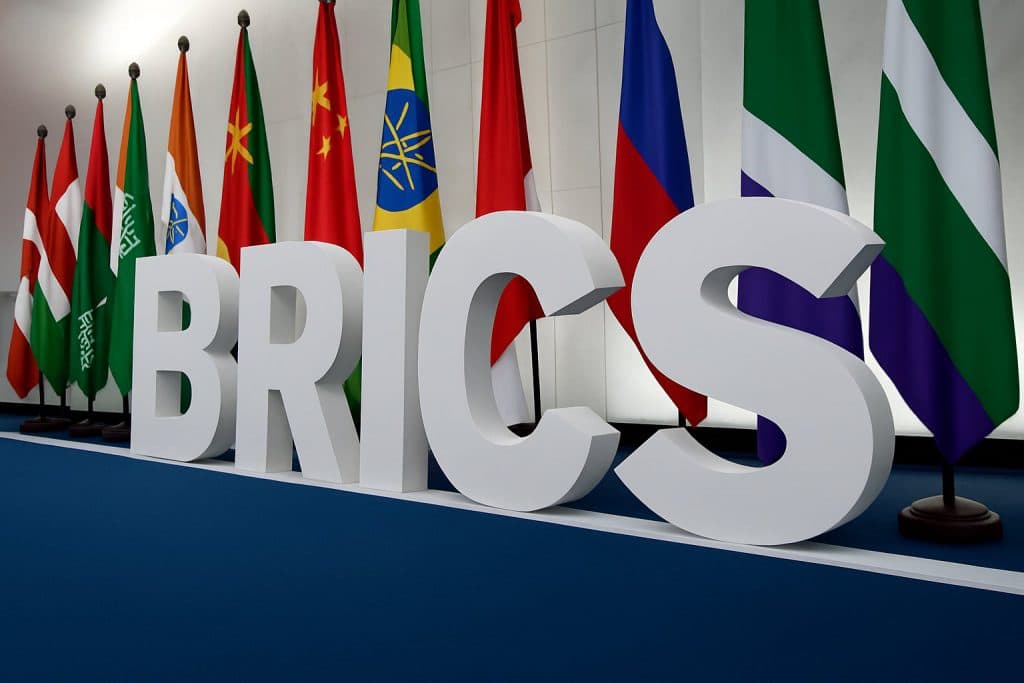
  • The 18th BRICS Summit, hosted by India, will occur in New Delhi on September 12-13.

3. Composition of BRICS:

  • BRICS comprises 11 nations: Brazil, China, Egypt, Ethiopia, India, Indonesia, Iran, Russia, Saudi Arabia, South Africa, and UAE.

4. Global Economic Outlook:

  • The FMCBG noted significant headwinds affecting the global economy, including:
    • Geopolitical tensions
    • Trade fragmentation and protectionism
    • Fiscal and inflationary pressures
    • Growing debt and financial vulnerabilities

5. Reforms in Global Economic Governance:

  • Calls for reforms in Bretton Woods Institutions (IMF and World Bank) to enhance representation of emerging markets and developing economies (EMDEs).
  • Emphasis on a merit-based, inclusive, and transparent selection process for leadership in these institutions.

6. Quotas and Voting Shares:

  • Advocated for quota realignment reflecting countries’ positions in the global economy.
  • Proposed an increase in quotas and voting shares for EMDEs without adversely affecting developing countries.
  • Suggested the development of a transparent quota formula to safeguard the interests of poorer nations.

7. Voluntary Financial Contributions:

  • Stressed that any voluntary financial contributions should not affect governance representation, quota allocation, and voting power in multilateral development institutions.

8. Lima Principles:

  • Reaffirmation that BRICS should promote the increased voice and representation of developing countries through a shareholding realignment correcting their historical underrepresentation.

Key Takeaways:

  • The collective statement underscores the need for global reforms to improve financial governance, ensure equity among nations in financial power, and address economic challenges facing EMDEs amid a complex global landscape.
  • The focus on sustainability, cooperation, and resilience reflects an ongoing evolution in international economic relationships and governance structures, particularly favoring emerging economies.

These notes encapsulate critical points relevant for understanding the economic landscape and international relations influenced by the BRICS forum.

India-EU Free Trade Agreement Proposal
International Relations12-Sep-2026

India-EU Free Trade Agreement Proposal

Summary Notes on India-EU Free Trade Agreement (FTA)

Background:

  • The European Commission has proposed the conclusion of a FTA between the European Union (EU) and India, pending approval from the European Council. This indicates a potential imminent signing of the agreement.

Key Details:

  • The FTA is anticipated to be the largest trade agreement between the EU and India.
  • The current trade volume exceeds Euro 180 billion (approx. US $209 billion) annually, supporting around 800,000 jobs in the EU.

Major Provisions of the FTA:

  • Tariff reductions on 96% of EU goods exported to India, potentially saving around Euro 4 billion annually in duties for European products.
  • The deal aims to facilitate easier access for European companies to the Indian market and enhance competition while lowering consumer prices.
  • For India, the agreement will secure market access for over 99% of its exports by trade value to the EU.
  • It includes commitments in high-value service sectors alongside a mobility framework for skilled Indian professionals.

Impact on Industries:

  • A significant boost to labour-intensive sectors such as textiles, leather, marine products, engineering goods, and automobiles, with tariffs on nearly $33 billion of exports set to decrease to zero upon the agreement's entry into force.

Strategic Context:

  • The resumption of negotiations in 2022 was influenced by China's growing trade surplus and both India and the EU's intention to diversify supply chains due to reliance on China.
  • The EU previously imposed tariffs up to 35% on Chinese electric vehicles, reflecting a protective stance towards its markets against Chinese imports.

International Relations:

  • The FTA is taking place amid pressure from the US for India and the EU to reduce dependency on Chinese goods and enhance their manufacturing capabilities.
  • The report from the Delhi Policy Group emphasizes the vulnerability exposed during the COVID-19 pandemic regarding supply chain over-reliance on China.

Economic Indicators:

  • EU job support from trade: ~800,000 jobs
  • Annual trade volume: Euro 180 billion (~US $209 billion)
  • Savings from tariff reductions: Euro 4 billion annually
  • Tariff elimination potential: 96% of EU goods exports, and nearly $33 billion of Indian exports.

Constitutional References:

  • The proposals align with international trade policies as outlined in Article 253 of the Indian Constitution, allowing the government to enter into agreements with foreign nations.

Conclusion:

The India-EU FTA represents a crucial step towards enhancing trade relations, establishing a framework for future economic cooperation, and promoting resilience against external economic pressures. This agreement may redefine trade dynamics and contribute to a more balanced global economic environment.

BRICS Summit Highlights Economic Data
International Relations11-Sep-2026

BRICS Summit Highlights Economic Data

18th BRICS Summit Overview

  • Event Date: September 12-13, 2026
  • Location: New Delhi, India
  • Members: 11 countries - Brazil, China, Egypt, Ethiopia, India, Indonesia, Iran, Russia, Saudi Arabia, South Africa, UAE.
  • Origin of BRICS: Formed from BRIC (Brazil, Russia, India, China) in 2006; South Africa joined in 2010.
  • Purpose: To address the concerns of emerging economies and counterbalance developed nations (e.g., G7).

Economic Data Highlights

  • China's GDP vs. BRICS:

    • 2006: China's GDP was less than the combined GDP of the other four BRIC nations.
    • Post-2009: China's GDP outpaced the combined GDP of India, Brazil, and Russia.
    • 2026: China's GDP is now more than double that of the other four BRICS countries combined.
  • GDP Trajectories:

    • India overtook Brazil and Russia to become the second-largest economy in BRICS by 2015.
    • As of 2026, China has exhibited significant economic growth compared to the G7 nations, except the US.
  • Per Capita Prosperity:

    • In 2006, the average citizen from Russia, Brazil, or South Africa was 3-3.5 times richer than a Chinese citizen.
    • By 2026, average Chinese income exceeds that of Brazilians and is twice that of South Africans; the disparity with Russians and Indians has narrowed, with Chinese five times richer than Indians.

Implications and Analysis

  • China's Dominance:
    • The rapid economic rise of China has transformed its position from an emerging market to a dominant global economic force.
    • The growing gap raises questions about the influence China may have in BRICS discussions and decision-making processes.

Conclusion

  • The 18th BRICS Summit marks 20 years of the group, with China positioned as an economic powerhouse, overshadowing other member nations. The summit's outcomes will be crucial for the future alignment and influence of emerging economies on global platforms.
India's Coastal Ecology and Economy
National and International Importance11-Sep-2026

India's Coastal Ecology and Economy

Coastal Ecology and Security in India: Key Highlights

Coastal Geography and Economic Potential

  • Length of Coastline: India has an extensive coastline of 11,000-12,000 kilometers, one of the longest in the world.
  • Blue Economy: The coastline presents significant opportunities for marine resources and the 'blue economy', emphasizing the need for integrated coastal management.

Government Initiatives and Missions

  • Deep Ocean Mission: Focuses on exploring deep-sea resources with indigenous technologies. The launch of the indigenous research vessel ORV Sagar Manthan marks a step towards self-reliance in deep-sea research.
  • Clean Seas, Safe Seas Campaign: Launched over the past five years, this initiative involves community participation in coastal clean-up activities to maintain the cleanliness of India’s coastline. The campaign runs from September 12 to September 19 annually.

Technological Advancements

  • Emerging Technologies: Development of robots and submersibles for deep-sea exploration is underway to enhance India's capabilities in marine research.
Indian Foundry Sector's Global Potential
Economic and Social Development11-Sep-2026

Indian Foundry Sector's Global Potential

Summary of Key Points

Global Market Potential for Indian Manufacturers

  • India's manufacturing sector is poised to capitalize on increasing global demand for suppliers and opportunities, particularly within the foundry sector.
  • Parag Sharma from Stellantis highlights the growth potential as multinational companies seek Indian suppliers.
  • The foundry sector has shown significant growth over the past 20 years, indicating strong development and competitiveness.

Supply Resilience

  • Sreenivas Naidu of ZF Wind Power Coimbatore emphasizes that India's supply chains have demonstrated resilience amid global challenges, including geopolitical tensions such as the West Asia war.
  • There is a call for the sector to maintain quality and adhere to delivery schedules to meet expectations from global players.

Exhibitions and International Partnerships

  • The Foundries Development Foundation and VDMA (German Engineering Federation) signed an MoU to enhance the Inter Foundry and Inter DieCast exhibition, facilitating the presence of Indian foundries at GIFA in Germany.
Boosting India's Blue Economy Initiative
Economic and Social Development10-Sep-2026

Boosting India's Blue Economy Initiative

Exam-Focused Notes on Prime Minister's Matsya Sampada Yojana (PMMSY)

Overview of PMMSY:

  • Launched to enhance India's fisheries sector, focusing on sustainable growth and modernization.
  • Significant financial commitment with ₹2,500 crore allocated in the budget for 2026-27.
  • Aims to create employment opportunities and improve infrastructure in fisheries.

Key Achievements:

  • Fish production increased from 14.164 million tons (2019-20) to 19.775 million tons (2024-25).
  • Fish export value rose from ₹46,663 crore (2019-20) to ₹73,890 crore (2025-26).
  • Generated employment for 5.8 million individuals in fisheries and aquaculture activities.

Financial Allocations and Projects:

  • Total expenditure of ₹20,750 crore since its inception in 2020-21.
  • ₹21,394.88 crore approved for fisheries and aquaculture projects from 2020-21 to 2025-26, including a central share of ₹9,510.89 crore.
  • Approval for 12 integrated aquaparks with a cost of ₹713.80 crore.
  • Support for 2,195 Fish Farmer Producer Organizations (FFPOs) with ₹544.86 crore for collective empowerment.

Government Schemes and Initiatives:

  • Prime Minister Matsya Kisan Samriddhi Yojana (PM-MKSSY):

    • A sub-scheme under PMMSY, operational from 2023-24 to 2026-27 with an estimated budget of ₹6,000 crore.
    • Focus on financial stability, risk mitigation, and market integration for fishermen and aquaculture farmers.
  • Digital Transformation:

    • Launch of the National Fisheries Digital Platform (NFDP) to enhance governance and service delivery in fisheries.
    • Over 37.23 lakh registrations on the platform by September 2026.

Infrastructure Development:

  • Investment in cold-chain, transportation, and marketing facilities.
  • Approval for the development of 28 fishing ports, 25 landing centers, and 23 dredging projects with an investment of ₹3,741.89 crore.

Environmental and Technological Focus:

  • Adoption of sustainable practices like bio-floc and Recirculating Aquaculture Systems (RAS) to enhance productivity and environmental sustainability.
  • Identification of 100 climate-resilient coastal fishing villages for infrastructure and livelihood support.

Impact on Livelihoods:

  • PMMSY significantly contributes to food security, job creation, and export enhancement, reinforcing the fisheries sector as a vital part of India’s economy.
  • The initiative is aligned with Sustainable Development Goal (SDG) 14 regarding life below water, promoting responsible fishing and sustainable resource use.

Conclusion:

  • PMMSY is pivotal for modernizing the fisheries sector, ensuring sustainable practices, and supporting the livelihoods of millions in coastal communities.
  • Continuous investment and strategic initiatives under PMMSY are crucial for the long-term growth and sustainability of India's blue economy.
  • Remote Sensing and Data Monitoring: These technologies are crucial for strengthening coastal security and understanding marine environments.
  • Environmental and Economic Integration

    • Environmental Sustainability: Emphasis on balancing economic development with environmental protection; coastal resources must be leveraged responsibly to ensure sustainability.
    • Community Involvement: Coastal communities are integral to the coastal ecosystem; their knowledge and participation are vital for sustainable coastal development.

    National Policy and Governance

    • Integrated Approach: Need for a holistic view of coastal ecology, security, and sustainability, rather than treating them as separate issues.
    • Ocean Science Policy: Aligning ocean science with national policy to ensure scientific knowledge directly contributes to coastal planning and management.

    Importance of Multidisciplinary Collaboration

    • National Conference on Coastal Ecology, Security, and Sustainability (CESS 2026): A platform for experts from various fields (earth sciences, education, defense, marine institutions, legal experts, and industry) to address coastal challenges collaboratively.

    Future Directions

    • Exploration of Marine Minerals: Potential for extracting marine minerals, including black sulfide, is being researched as a future economic opportunity.
    • Enhancing Fisheries: Efforts are being made to increase the economic potential of fisheries, which is crucial for coastal livelihoods.

    Constitutional and Legal Framework

    • Constitutional Provisions: The integrated approach to coastal management aligns with the principles of sustainable development enshrined in the Directive Principles of State Policy (DPSP), particularly Article 48A (protection and improvement of environment and safeguarding of forests and wildlife).

    Overall, the focus on an integrated coastal management approach is vital for India's economic growth, environmental sustainability, and security. The collaboration among various stakeholders, including government, communities, and scientific institutions, is essential to effectively address the challenges and opportunities presented by India's vast coastline.

  • This partnership indicates a strategic approach to boost India’s visibility in the international foundry sector.
  • Exhibition Data

    • The Inter Foundry and Inter DieCast exhibition features 322 exhibitors across an area of 18,000 sq. meters.
    • The event hosts 39 international exhibitors, along with dedicated pavilions from countries like China, Italy, and Germany.

    Economic Indicators

    • The integration of modern technologies is recommended for Indian foundries to attract skilled personnel and improve competitiveness in the global market.
    • Overall, the focus is on enhancing India's manufacturing capabilities to meet rising international demands effectively.

    Policy and Governance

    • There is an implicit need for government support in terms of innovation funding and infrastructure enhancement to provide manufacturers with the tools required to compete globally.
    • Strategic opportunities lie within the framework set by international exhibitions and partnerships that showcase Indian manufacturing advancements.

    By focusing on quality, technology investment, and global partnerships, India's manufacturing sector aims to strengthen its position in the international market significantly.