iAspirants
BRICS Discuss Trade and Economic Governance
Published on:
Source: Indian Express
Share this post
Article Summary
Summary of BRICS Finance Ministers and Central Bank Governors (FMCBG) Joint Statement
1. Concerns Over Trade Measures:
- BRICS finance ministers emphasized concerns regarding the unilateral imposition of tariffs and non-tariff measures.
- Such actions are viewed as trade distortions and inconsistent with World Trade Organization (WTO) rules.
2. Background and Meetings:
- Recent meetings took place in Jaipur (August 12-13) and Mumbai (September 10) under the theme of “Building for Resilience, Innovation, Cooperation and Sustainability”.
- The 18th BRICS Summit, hosted by India, will occur in New Delhi on September 12-13.
3. Composition of BRICS:
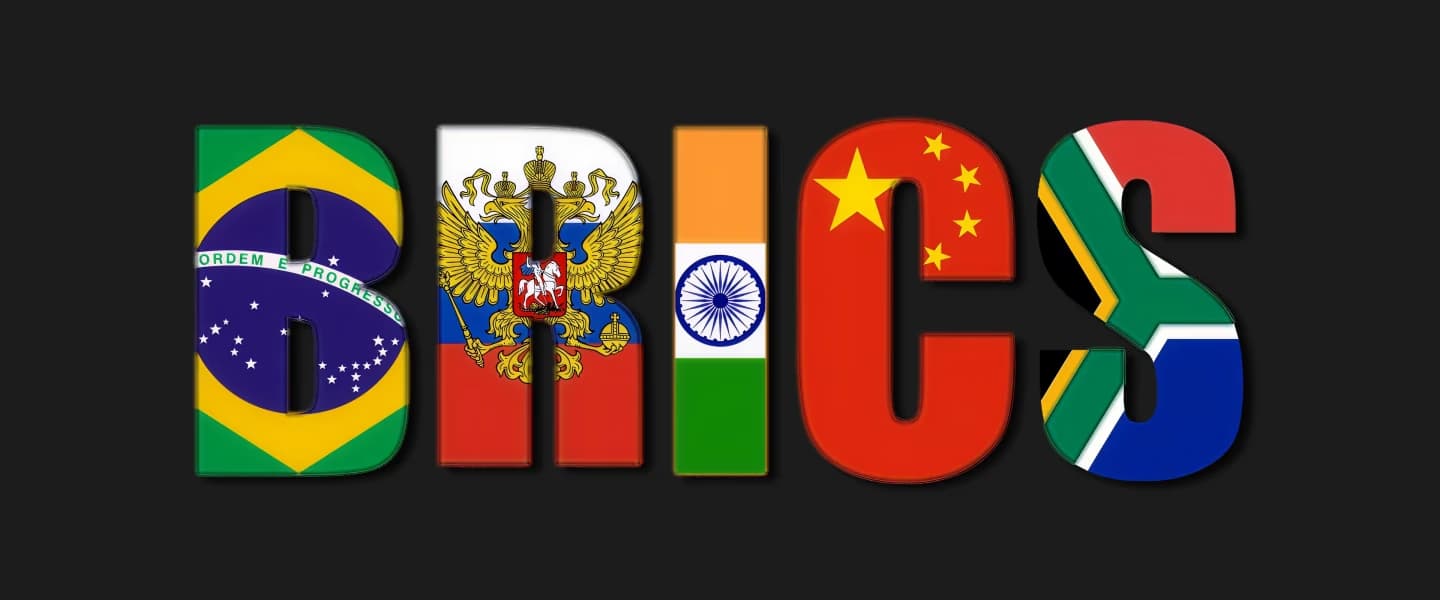
- BRICS comprises 11 nations: Brazil, China, Egypt, Ethiopia, India, Indonesia, Iran, Russia, Saudi Arabia, South Africa, and UAE.
4. Global Economic Outlook:
- The FMCBG noted significant headwinds affecting the global economy, including:
- Geopolitical tensions
- Trade fragmentation and protectionism
- Fiscal and inflationary pressures
- Growing debt and financial vulnerabilities
5. Reforms in Global Economic Governance:
- Calls for reforms in Bretton Woods Institutions (IMF and World Bank) to enhance representation of emerging markets and developing economies (EMDEs).
- Emphasis on a merit-based, inclusive, and transparent selection process for leadership in these institutions.
6. Quotas and Voting Shares:
- Advocated for quota realignment reflecting countries’ positions in the global economy.
- Proposed an increase in quotas and voting shares for EMDEs without adversely affecting developing countries.
- Suggested the development of a transparent quota formula to safeguard the interests of poorer nations.
7. Voluntary Financial Contributions:
- Stressed that any voluntary financial contributions should not affect governance representation, quota allocation, and voting power in multilateral development institutions.
8. Lima Principles:
- Reaffirmation that BRICS should promote the increased voice and representation of developing countries through a shareholding realignment correcting their historical underrepresentation.
Key Takeaways:
- The collective statement underscores the need for global reforms to improve financial governance, ensure equity among nations in financial power, and address economic challenges facing EMDEs amid a complex global landscape.
- The focus on sustainability, cooperation, and resilience reflects an ongoing evolution in international economic relationships and governance structures, particularly favoring emerging economies.
These notes encapsulate critical points relevant for understanding the economic landscape and international relations influenced by the BRICS forum.
Key Terms & Concepts
| BRICS | Informal grouping of economies |
| World Trade Organisation (WTO) | Regulates international trade laws |
| International Monetary Fund (IMF) | Financial support and stability |
| World Bank | Provides financial and technical assistance |
| Bretton Woods Institutions (BWI) | Global economic governance reform |
| Jaipur | Location of BRICS meeting |
| Mumbai | Location of BRICS meeting |
| September 12-13, 2026 | Dates of the 18th BRICS Summit |
| Lima Principles | Guides development funding practices |
| Emerging Markets and Developing Economies (EMDEs) | Focus of BRICS economic discussions |