iAspirants
Houthi Control Threatens Saudi Oil Exports
Published on:
Source: The Hindu
Share this post

Article Summary
Key Facts and Data
Geopolitical Context: Yemen’s Houthi rebels, aligned with Iran, captured a strategic island at the Bab el-Mandeb Strait, which is crucial for global shipping and Saudi oil exports. This action threatens trade routes and increases tensions in the region.
Oil Pipeline Closure: Saudi Arabia shut down the East-West oil pipeline as a precautionary measure following an attack. This pipeline, built in the 1980s, is critical for exporting oil, particularly after the Strait of Hormuz faced disruptions.
Oil Production Data:
- Saudi Arabia's oil supply dropped to 6 million barrels per day in August 2026, the lowest in over three decades, a decrease of 2.3 million barrels per day from July.
- After doubling oil exports from the Red Sea to over 5 million barrels per day by early June, the latest developments have impacted these elevated production levels.
- Global oil prices are expected to exceed $100 a barrel for the first time since May 2026.
International Relations and Agreements
U.S. Involvement:
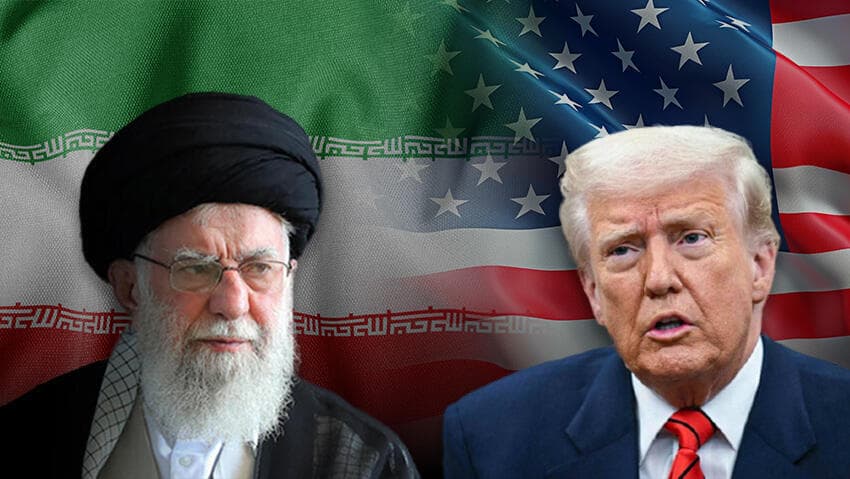
- U.S. President Donald Trump declined Saudi Crown Prince Mohammed bin Salman's request for military strikes against the Houthis, indicating a cautious U.S. approach towards direct military involvement in Yemen.
- The U.S. expressed concerns over escalating conflict, ramping up support for Saudi Arabia while avoiding direct military action.
Gulf Cooperation and Meetings:
- Gulf Foreign Ministers are scheduling a meeting with Iran's counterpart, facilitated by Oman, to negotiate a temporary arrangement for managing shipping through the strategic Strait of Hormuz.
Military Developments
Houthi Offensive: The Houthis launched an offensive capturing key coastal areas, including the Red Sea islands of Hanish and the city of Mocha. They reportedly received guidance from Iran's Revolutionary Guards to intensify their military operations against Saudi Arabia.
Yemeni Government Response: Yemeni forces announced plans to reclaim territories seized by the Houthis, deploying additional military assets along the coast.
Constitutional and Legal Context
- International Law Concerns: The ongoing conflict raises issues regarding international humanitarian law and the implications of foreign military support and actions in conflict zones.
Economic Indicators
- Oil Market Impact: The conflict's influence on oil supply and prices will have wider implications for global energy markets, particularly in regions dependent on oil imports, thus impacting international economic stability.
Broader Implications
- Regional Stability: This escalation could reshape geopolitical alliances in West Asia and affect trade through vital maritime routes, highlighting the interconnectedness of security and economic well-being in the region.
Summary
The recent advances by Yemen's Houthi rebels and their geopolitical implications underscore the fragility of regional stability and the global oil market. Amidst these developments, key players are navigating complex diplomatic ties and military strategies, with potential consequences for international trade and security dynamics.
Key Terms & Concepts
| Houthi rebels | Control strategic Red Sea areas |
| Bab el-Mandeb Strait | Key shipping route |
| Saudi Arabia | Major oil exporter |
| East-West pipeline | Key oil transport route |
| International Energy Agency | Oil export statistics source |
| 5 million barrels per day | Increased oil exports figure |
| 2.3 million barrels per day | Decline in Saudi crude supply |
| $100 a barrel | Global oil price threshold |
| Iranian Revolutionary Guards | Provided guidance to Houthis |
| Oman | Mediator for shipping deal |
| Strait of Hormuz | Critical shipping lane |