iAspirants
Current AffairsPrelims PYQsUPSC CSE SyllabusUPSC CSE StrategyBlogsPricing
Login
iAspirants
Current AffairsPrelims PYQsUPSC CSE SyllabusUPSC CSE StrategyBlogsPricingContact UsLoginSignUp
iAspirants

Your AI-powered companion for UPSC preparation.

Study Resources

  • Current Affairs
  • Prelims PYQs
  • UPSC CSE Syllabus
  • UPSC CSE Strategy
  • Blogs

Practice & Plans

  • Mains Answer Evaluation
  • Pricing
  • Sign Up
  • Login

Company

  • Home
  • About Us
  • Contact Us
  • FAQs

Legal

  • Privacy Policy
  • Terms & Conditions
  • Return Policy

© 2026 iAspirants, Inc. All rights reserved.

  1. Blogs
  2. Environment and Ecology

Urgent Action Needed for River Pollution

Published on: 25-Aug-2026

Source: The Hindu

Share this post

Urgent Action Needed for River Pollution

Article Summary

  • Environmental Concern: M.A. Mohan, spokesperson for BJP in Mysuru, highlighted the severe pollution of Indian rivers from untreated sewage and industrial effluents.

  • Kabini River: The letter emphasized the Kabini River as a prime example, which supplies drinking water to Mysuru and experiences pollution from Saragur and commercial establishments.

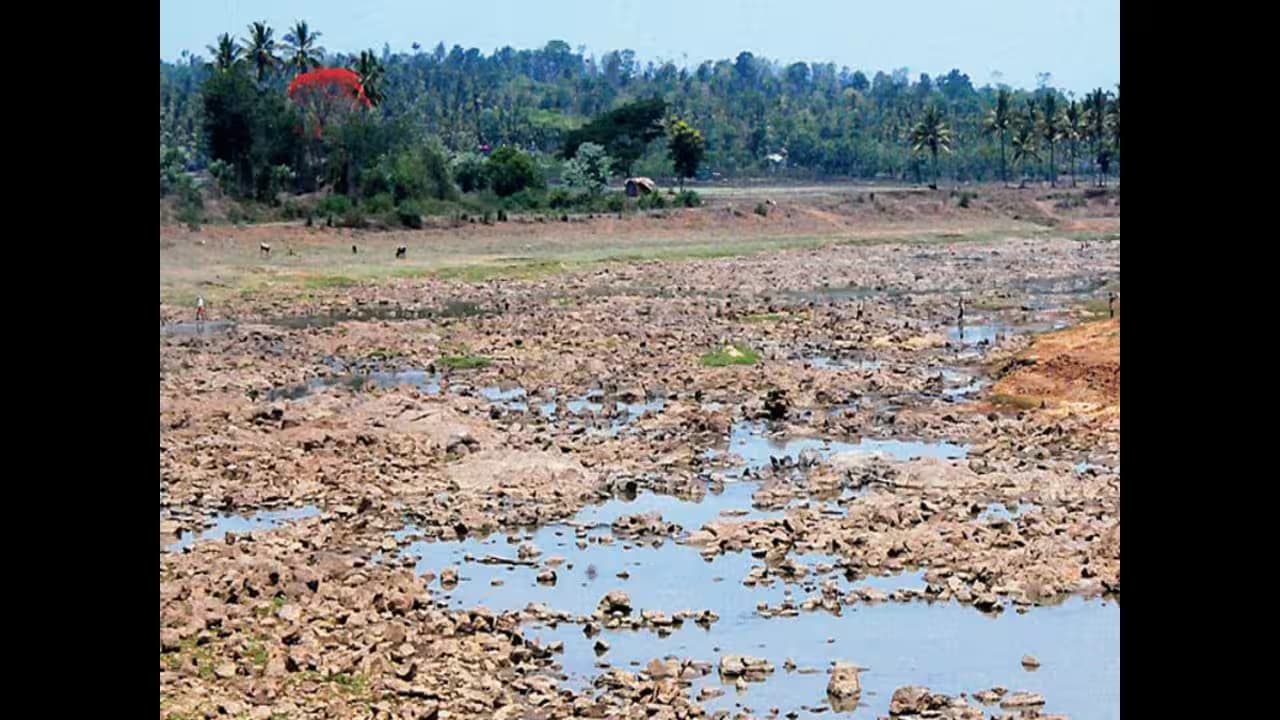
  • Drought Impact: Recent drought conditions revealed record low water levels in the Kabini reservoir, exposing polluted riverbeds and stagnant stretches of water, demonstrating environmental stress.

  • Population at Risk: The population of Saragur town is approximately 50,000, adding urgency to address sewage discharge issues affecting drinking water and ecosystems downstream.

  • Ecologically Sensitive Regions: The Heggadadevanakote region, traversed by the Kabini, is ecologically significant due to its dense forests and tribal habitats, necessitating heightened environmental protection.

  • Policy Proposal: Mohan proposed mandatory treatment of wastewater for all urban local bodies and industries near rivers through Sewage Treatment Plants (STPs) or Effluent Treatment Plants (ETPs) before discharge.

  • Monitoring and Enforcement: Advocated for strict monitoring, regular inspections, and stringent penalties for non-compliance to ensure adherence to water treatment policies.

  • Pilot Project Suggestion: Requested the launch of a pilot project on the Kabini to establish a comprehensive river pollution prevention model, which could be replicated across major river basins in India.

  • Public Health and Biodiversity: Emphasized the connection between river health, public health, agricultural viability, and biodiversity conservation, urging for immediate action to protect these vital ecosystems.

  • Long-term Sustainability: Mohan’s initiative underscores the importance of safeguarding rivers for the health of future generations, agriculture, wildlife, and forest conservation.

Key Terms & Concepts

Kabini RiverExample of pollution threat
Saragur TownSource of untreated wastewater
Kaveri RiverJoins Kabini downstream
HeggadadevanakoteEcologically sensitive region
Sewage Treatment Plants (STPs)Proposed solution for wastewater
Effluent Treatment Plants (ETPs)Proposed solution for industrial waste
Union GovernmentRequested to mandate wastewater treatment
Drinking WaterAffected by river pollution
2026Date of publication

Mind Map for UPSC Civil Services Revision

Turn UPSC Civil Services Current Affairs Into Exam-Ready Notes

Reading Environment and Ecology current affairs is half the work. Revise them with ready-made notes and test what actually stuck.

  • Daily UPSC Civil Services current affairs analysis
  • Revision notes, mind maps & MCQs
  • Prelims mock tests with instant results

Related UPSC Civil Services Current Affairs Articles

COP 31 Standoff Over Fossil Fuels
Environment and Ecology23-Nov-2026

COP 31 Standoff Over Fossil Fuels

Summary Notes on COP 31 Climate Talks

Event Overview

  • Event: COP 31 - United Nations Climate Talks
  • Location: Antalya, Turkiye
  • Date: November 22, 2026
  • Context: The conference extended 48 hours beyond its scheduled end due to disagreements over fossil fuel phase-out.
Practise Mains answer writingUpload a handwritten answer and get it evaluated

Key Outcomes

  • Lack of consensus on a final climate action agreement, primarily due to differing positions on fossil fuel commitments.

Major Stakeholders

  • European Union (EU): Led objections against COP 31 President Murat Kurum’s proposed cover text due to its exclusion of explicit fossil fuel phase-out language. Supported by approximately 130 countries.
  • India: Along with Saudi Arabia and China, supported the proposed text aimed at continued fossil fuel usage. Emphasized the need for action linked to financial and technological support for developing nations.
  • Panama: Objected to the cover text, citing the absence of commitment to keep temperature rise below 1.5 degrees Celsius amid severe climate impacts like droughts.
  • Like Minded Developing Countries (LMDC): Group comprising India, Saudi Arabia, and China which seeks continued fossil fuel reliance while also deploying renewable energy.

Key Statements

  • India’s Environment Minister, Bhupendra Yadav: Advocated for aligning climate ambition with implementation capabilities and stressed the fairness in energy transitions.
  • Ireland’s Climate Minister, Darragh O’Brien: Criticized the final draft, describing it as a failure to meet scientific demands and risking a gap between commitments and necessary actions.

Principles of Concern

  • Emphasis on the principles of equity and common but differentiated responsibilities was raised by LMDC representatives, highlighting a perceived dilution of obligations historically borne by developed nations.
  • Concerns over the lack of clarity in adaptation finance and the reliance on technologies like Carbon Capture Utilization and Storage (CCUS).

Judicial and Policy Framework

  • COP high-level outcomes reflect on broader international legal principles surrounding climate action grounded in the Paris Agreement commitments. The inability to reach a consensus is viewed as a setback against the urgency of addressing climate challenges.

Implications for Climate Action

  • COP 31 outcomes lack robust mechanisms for phasing out fossil fuels, intensifying the challenge to uphold commitments aimed at limiting global warming to 1.5 degrees Celsius.
  • Ongoing debates over fossil fuel reliance illustrate deep divisions in global climate negotiations, hindering advancement towards unified action critical to addressing climate change.

Conclusion
The stalled agreement at COP 31 underscored challenges in transitioning to sustainable energy frameworks while balancing economic growth and climate action, particularly for developing nations.

Key Quotes:

  • "Climate ambition must go hand in hand with means of implementation." - Bhupendra Yadav
  • "We will not accept a COP that greenwashes fossil fuel." - Darragh O’Brien

Significance

  • COP 31 is viewed as a pivotal point in climate negotiations amid growing evidence of exceeding necessary global temperature limits.
  • Highlighted the need for reform in international climate diplomacy and action to protect the integrity of global climate commitments.
Cheetah Conservation Progress in India
Environment and Ecology23-Nov-2026

Cheetah Conservation Progress in India

Conservation of Cheetahs in India: Key Highlights and Data

  1. Cheetah Population Statistics:

    • Current population: 62 cheetahs in India, with 43 born locally.
    • Significant breeding success with the recent birth of four cubs in Kuno National Park, Madhya Pradesh.
  2. Historical Context and Legislative Framework:

    • India has a rich conservation ethic influenced by major religions (Hinduism, Jainism, Buddhism, Sikhism) promoting stewardship of nature.
    • Key legislative milestones:
      • Wildlife (Protection) Act, 1972.
      • Project Tiger, initiated in 1973, as a flagship program for tiger conservation.
    • Supreme Court ruling (2013) highlights conservation imperatives over individual species-focused welfare.
  3. Biodiversity and Species Conservation:

    • India hosts the largest populations of wild tigers (approximately 4,000), Asian elephants (approximately 23,000), and leopards (over 15,000).
    • Asiatic lions, with a population of about 1,000, are unique to India, primarily in the Gir region, showcasing significant conservation success after near extinction.
  4. Challenges and Threats to Wildlife:

    • Threats include habitat loss, poaching, human-wildlife conflict, and climate change.
    • The extinction rate has increased significantly due to human activity post-Industrial Revolution.
    • Conservation efforts are complicated by high human population density and conflicts between wildlife and farming communities.
  5. Government Schemes and Initiatives:

    • The National Tiger Conservation Authority and the Wildlife Crime Control Bureau established to oversee conservation and combat illicit trade.
    • Financial packages of Rs 15 lakh per family for forest communities facilitating relocations from core wildlife areas to reduce conflict.
  6. Economic and Environmental Indicators:

    • Protected areas comprise only 5.4% of total land in India, underscoring a need for better land management and connectivity for wildlife corridors.
    • Support for conservation programs across different political administrations exemplifies a consensus on environmental importance.
  7. Nature and Wildlife Corridor Initiatives:

    • Development of wildlife crossings and corridors to mitigate road collisions and maintain genetic diversity among species.
    • Criticism of policies focusing on individual species (e.g., lion hospitals) over broader ecosystem-based strategies.
  8. Community Involvement in Conservation:

    • Emphasis on community-based conservation strategies including eco-tourism while ensuring local communities benefit economically.
    • Promotion of sustainable agriculture and agroforestry practices to support both biodiversity and livelihoods.
  9. Future Directions in Wildlife Conservation:

    • The cheetah reintroduction aims to restore open ecosystems by establishing breeding populations in the wild, moving beyond captive breeding.
    • Addressing human-wildlife conflict proactively with socio-economic collaboration is vital for long-term sustainability of conservation efforts.
  10. Judicial and Legislative Recommendations:

    • Calls for more stringent management and funding of conservation projects and wildlife corridors.
    • Legislative backing needed for community-led conservation efforts to balance economic development with environmental sustainability.

By establishing these frameworks and initiatives, India illustrates a multifaceted approach to wildlife conservation which, despite its challenges, has led to notable successes in species preservation and ecosystem management.

Climate Change and International Agreements
Environment and Ecology23-Nov-2026

Climate Change and International Agreements

Climate Conference and International Climate Negotiations: Key Points

Background

  • UNFCCC: The United Nations Framework Convention on Climate Change, established through an International Negotiating Committee (INC) created by the UN General Assembly in December 1990. Negotiations finalized the Convention in May 1992, a month before the 1992 Earth Summit in Rio de Janeiro.
  • COPs: Conferences of the Parties (COPs) are annual events for reviewing implementation and progress related to climate change. The 31st COP was held in Antalya, Turkey.

Historical Context

  • Initial Discussions: The scientific community began documenting carbon dioxide concentrations in the 1970s, with significant discourse on greenhouse gases stemming from early conferences.
  • 1979 & 1985 Milestones:
    • 1979: World Meteorological Organization (WMO) conference in Geneva addressed climate concerns.
    • 1985: A pivotal conference in Villach, Austria, evaluated various greenhouse gases' effects, predicting a potential rise in global temperatures by 1.5-4.5 degrees Celsius by the 2030s.
    • This conference led to the establishment of an advisory group on greenhouse gases, which evolved into the Intergovernmental Panel on Climate Change (IPCC) in 1988.

Legislative Framework

  • UNFCCC’s Objective: Aimed at stabilizing greenhouse gas concentrations to prevent dangerous climate interference.
  • Common But Differentiated Responsibilities and Respective Capabilities (CBDR-RC): This principle recognizes that developed nations, primarily members of the OECD, bear the greatest responsibility for greenhouse gas emissions and thus shoulder the primary burden of climate change mitigation.
  • Article 7 of UNFCCC: Establishes the framework for COP meetings, mandating annual reviews and updates on climate change policies.

Developments in Climate Science

  • IPCC Reports: The IPCC released its first assessment report in 1990, establishing a scientific basis linking human activity to increased greenhouse gas concentrations.
  • Growing Consensus: Discussions and findings from early conferences laid the groundwork for international cooperation on climate policies.

Recent Conference (COP 31)

  • Location: Antalya, Turkey.
  • Focused on continuing the implementation of climate agreements and evaluating progress toward established climate goals.

Key Terms and Concepts

  • Greenhouse Gases: Emissions contributing to global warming, including carbon dioxide and others identified in the 1980s.
  • Climate Strategy: International legal architectures such as the Kyoto Protocol and the Paris Agreement stemmed from these ongoing negotiations.

Summary of Influence

  • The evolution of climate negotiations reflects a growing understanding and urgency to address climate change, underpinned by international collaboration and a recognition of diverse responsibilities.
  • The historical context and foundational agreements set a framework for ongoing discussions at COP meetings, where global strategies continue to form in response to climate challenges.

Conclusion

The series of climate conferences has created essential legal and cooperative frameworks that facilitate global actions against climate change, underlined by scientific recommendations and international agreements, particularly the UNFCCC and its associated principles like CBDR-RC. The COPs serve as vital platforms for nations to assess and commit to climate stabilization efforts.

Air Quality Management Plans for NCR
Environment and Ecology22-Nov-2026

Air Quality Management Plans for NCR

Commission for Air Quality Management (CAQM) - Action Plans for Air Pollution Control

  • Overview: The CAQM has mandated the preparation of comprehensive State Action Plans for 2027 to control air pollution in Delhi and the National Capital Region (NCR), including district-level action plans for the first time.

  • Objectives of Action Plans:

    • Ensure grassroots-level pollution control through District-Level Action Plans.
    • Facilitate effective monitoring, identification of implementation gaps, and timely corrective measures.
    • Establish clear accountability by naming officials responsible for prescribed targets.
  • Targeted Outcomes:

    • Achieve a reduction of 15%-20% in annual average air pollution levels (AQI, PM2.5, and PM10) compared to 2026 through targeted measures across major pollution sources.
  • Key Pollution Sources Identified:

    • Vehicular emissions
    • Road dust
    • Industrial emissions
    • Construction and demolition (C&D) activities
    • Municipal solid waste (MSW) management
    • Agricultural practices such as crop residue burning
    • Usage of diesel generator (DG) sets
    • Crematoria operations and other local pollution sources
  • Implementation Monitoring:

    • The ongoing 2026 annual action plan is being monitored. Previous reports indicate that only 40%-60% of the promised measures were completed by the states involved (Delhi, Uttar Pradesh, Haryana, Rajasthan, and Punjab).
  • Technology Integration:

    • A private company showcased drone technology for spraying water to mitigate air pollution, demonstrated to the Delhi government. This technology aims to provide immediate relief in open areas, with further assessments planned over a week.
  • Contextual Importance: This initiative aligns with the CAQM’s aim to shift towards structured, measurable frameworks for achieving lasting improvements in air quality across regions affected by pollution.

Conclusion: The systematic development of comprehensive State and District Action Plans is critical for addressing air quality issues effectively, emphasizing accountability and innovative technologies. This effort reflects both a growing recognition of environmental responsibilities and an actionable framework to meet air quality targets established by governance policies.

Cyclone Arnab Triggers Odisha Landslides
Environment and Ecology22-Nov-2026

Cyclone Arnab Triggers Odisha Landslides

Summary of Facts and Data

Environmental Disaster Overview

  • Event: Landslides triggered by Cyclone Arnab in Odisha on October 28.
  • Fatalities:
    • Total deaths: 17 from landslides in Odisha this year.
    • Specific incidents:
      • Gidipabali village (Ganjam district) - 7 confirmed dead.
      • Dangeshi village (Kandhamal district) - 3 confirmed dead.
  • Missing Persons: 6 individuals unaccounted for after the disaster.
  • Injuries: Reports indicate injuries sustained by residents; specific note of one family receiving treatment in G. Udayagiri.

Geographical and Demographic Impact

  • Affected Areas:
    • Major incidents concentrated in:
      • Kandhamal district: 59 landslides (highest number).
      • Gajapati district: 13 landslides.
      • Koraput district: 12 landslides.
      • Keonjhar district: 6 landslides.
      • Ganjam district: one major landslide.
Cyclones Impacting Bay of Bengal
Environment and Ecology22-Nov-2026

Cyclones Impacting Bay of Bengal

Summary of Cyclone Activity in the Bay of Bengal

  1. Cyclone Formation:

    • In a span of 23 days, three cyclones developed in the Bay of Bengal:
      • Cyclone Arnab: Made landfall near Yanam, Andhra Pradesh on October 28.
      • Cyclone Murasu: Made landfall near Ongole, Andhra Pradesh on November 3.
      • Cyclone Akvan: Formed on November 16 and made landfall near Gopalpur, Odisha on November 20.
  2. Cyclone Requirements:

    • Formation of cyclones necessitates:
      • Atmospheric disturbances.
      • Abundant moisture in the air.
      • Favorable wind conditions.
  3. Cyclone Seasons:

    • The Bay of Bengal experiences two main cyclone seasons:
      • First Season: April-May.
      • Second Season: October-December.
    • Cyclone formation is suppressed during the southwest monsoon due to varying wind directions and altitudes.
Automated Early Warning System for Landslides
Environment and Ecology21-Nov-2026

Automated Early Warning System for Landslides

Summary of Key Points from the Research on Landslide Early Warning System

Research and Development:

  • An automated early warning system, named Google Earth Engine-based Landslide Early Warning System (GLEWS), was developed by an international team from the University of Mississippi, Michigan Technological University, and the University of Kerala.
  • The research was published in the journal Environmental and Engineering Geoscience.

Technological Components:

  • Real-time Satellite Data: Integrates data from NASA’s Global Precipitation Measurement mission.
  • Forecast Data: Uses hourly rainfall forecasts from the Global Forecast System.
  • Ground Telemetry: The system incorporates real-time rainfall data from eight automatic weather stations.
  • Mathematical Technique: Employs "conditional merging" to combine satellite data with ground observations to improve accuracy.

Operational Mechanism:

  • Terrain Stability Mapping: Utilizes a high-resolution slope stability map (30-metre resolution) to assess risk.
  • Risk Assessment Criteria: Areas rated 1.5 or lower are flagged as highly susceptible to landslides; those rated above 2.0 are considered stable.

Effectiveness and Calibration:

  • During testing after the August 15, 2018 landslides, uncalibrated data detected only 8.9% of risk conditions. By using GLEWS with ground-level calibrations, this sensitivity increased to 72.6%.
  • In testing after the July 7, 2023 landslide, raw satellite data indicated 20 mm of rainfall, which, when calibrated with GLEWS, increased to 63.9 mm, illustrating the system’s improved accuracy in monitoring localized weather conditions.

Implementation and Functionality:

  • GLEWS was originally developed in JavaScript and has been ported to Python for enhanced automation.
  • The system can run autonomously during Kerala's monsoon seasons, enabling authorities to issue timely evacuations and thereby saving lives.

Implications for Disaster Management:

  • This research highlights the importance of integrating multiple data sources for accurate landslide predictions.
  • The GLEWS system represents significant advancements in risk management for landslide susceptibility, particularly in mountainous terrains such as those in the Western Ghats.

Environmental Considerations:

  • The study emphasizes the critical need for accurate early warning systems in the context of increasing disruptions caused by climate change and monsoon variability in India.

Conclusion:

The GLEWS initiative is a key example of how technology can be leveraged to enhance disaster preparedness and response in vulnerable regions, reflecting the intersection of science, technology, and environmental policy.

Chennai Conference on Climate Planning
Environment and Ecology21-Nov-2026

Chennai Conference on Climate Planning

Key Points from the Conference on Climate Responsive Urban Planning in Chennai

  1. Event Overview: The Conference on Climate Responsive Urban Planning was held in Chennai, focusing on integrating greenhouse gas emissions reductions, heat adaptation, and flood mitigation into urban planning.

  2. Technical Sessions:

    • Two sessions emphasized incorporating climate action into urban planning and localizing these actions within the city.
    • Discussions included bridging Climate Action Plans with everyday spatial planning.
    • A presentation highlighted the Madhavaram Local Area Plan.
  3. Chennai's Third Master Plan (2026-2046):

    • The conference is part of the collaboration with the Chennai Metropolitan Development Authority (CMDA) to shape policies for urban development using heat-risk modeling, hydrological vulnerability assessments, and blue-green infrastructure strategies.
    • These approaches aim to enhance urban resilience and adaptation to climate change impacts.
  4. C40 Membership:

Cyclone Akvan Impact on Tamil Nadu
Environment and Ecology21-Nov-2026

Cyclone Akvan Impact on Tamil Nadu

Weather and Climate Update: Tamil Nadu

  • Cyclone Akvan:

    • Passed through Tamil Nadu on a recent Friday morning.
    • Expected to weaken into a depression and progressively fade away.
  • Rainfall Status:

    • Tamil Nadu has received approximately 26 cm of monsoon rainfall since October 1, which is 14% lower than its seasonal average.
    • Some districts, including Tiruvarur, Thanjavur, Madurai, Salem, and Chengalpattu, are classified as being in a rainfall deficit.
  • Current Weather Pattern:

    • A brief temporary halt in monsoon activity forecasted, with a forecasted increase in daytime temperatures by 2-3 degrees Celsius.
    • Ground frost anticipated in isolated areas like Nilgiris and Kodaikanal.
  • Future Weather Predictions:

    • Return of Rain: A trough in the easterly wave expected to resume rainfall activity starting from Sunday, reaching its peak intensity on Monday through November 26.
  • Rayagada district: one landslide.
  • Community Impact:
    • Dangeshi village had a population of 46, with 16 families directly affected.
    • Damage to infrastructure has isolated many remote settlements, hindering rehabilitation efforts.
  • Government Response

    • Ministry Statements:
      • Odisha's Revenue and Disaster Management Minister, Suresh Pujari, reported the official figures to the State Assembly.

    Key Points for Exam Preparation

    • Constitutional Article/Schedules:
      • Note provisions related to disaster management under the Disaster Management Act (2005).
    • Government Schemes/Policies:
      • Understanding the role of Odisha’s state policies in disaster response and management.
    • Statistics on Natural Disasters:
      • Year-to-date figures on landslides and fatalities provide a context for environmental challenges faced by Odisha.

    Implications and Concerns

    • The recurring nature of landslides in Odisha raises concerns over:
      • Livelihood Safety: The ability of local populations to sustain their livelihoods post-disaster.
      • Infrastructure Vulnerability: The need for robust infrastructure to withstand natural calamities.
      • Community Resilience: Importance of community preparedness and government response mechanisms.

    Conclusion

    This information calls for focused attention on disaster preparedness, community resilience strategies, and the need for effective governmental policies to mitigate the impact of natural disasters in vulnerable regions like Odisha.

  • Meteorological Conditions:

    • As the monsoon withdraws, conditions become conducive for cyclone development:
      • The vertical wind shear weakens,
      • Water temperatures remain warm, thus enhancing cyclone formation potential.
  • Implications for Disaster Management:

    • Understanding cyclone patterns is crucial for effective disaster preparedness and response strategies.
  • This summary encapsulates the recent cyclone activity and its meteorological conditions, emphasizing the importance of monitoring and preparing for such natural disasters in the context of environmental management and safety.

    • This conference marked a decade of Chennai's membership in C40 Cities, an international network focused on tackling climate change and driving urban climate action.
  • Launch of Climate Action Guide:

    • A new Climate Action Guide for Urban Planners in India was introduced, which is based on a forthcoming global guide to be released in 2024 in Cairo.
  • Reports and Agreements:

    • Announcement of the Clean Air Zones Report and the signing of the Urban Planning Accelerator.
    • Chennai's participation in the Youth Reinventing Cities initiative for the Tiruvottiyur neighborhood was also revealed.
  • Stakeholders Involved:

    • The Jameel C40 Urban Planning Climate Labs, along with the CMDA and the Greater Chennai Corporation (GCC), organized the event.
  • Implications and Future Directions

    • These initiatives underline the importance of integrating climate considerations into statutory planning and local governance to improve urban sustainability.
    • The collaboration and strategic planning outlined in Chennai’s upcoming master plan are likely to set precedents for other cities facing similar climate challenges.
    • Ongoing monitoring and implementation of these climate action strategies will be vital as Chennai advances in its urban planning endeavors through 2046.

    Overall Significance

    The conference represents a significant step in promoting climate-responsive planning in urban environments, aligning local governance with international efforts to mitigate climate changes.

  • Expected moderate rainfall in several coastal districts including Chennai, Cuddalore, and Nagapattinam, particularly on Monday with intense rainfall over specific areas like Cuddalore, Thoothukudi, and Kanniyakumari.
  • A yellow alert issued for coastal districts from Tiruvallur to Kanniyakumari, predicting heavy rainfall and wind speeds up to 50 kmph.
  • Impact on Temperature:

    • Northwesterly winds coupled with a lack of cloud cover are contributing to a rise in daily temperatures and a decrease in nighttime temperatures across Tamil Nadu.
  • Broad Implications:

    • Coastal regions likely to receive the most rainfall, while interior Tamil Nadu also anticipates moderate rain.
  • Extended Weather Forecast:

    • Weather conditions expected to remain wet throughout the state until the first week of December, with indications of a low-pressure area formation contributing to sustained rainfall, potentially reducing existing rainfall deficits.