iAspirants
US-Iran Negotiation Dynamics Explained
Published on:
Source: The Hindu
Share this post
Article Summary
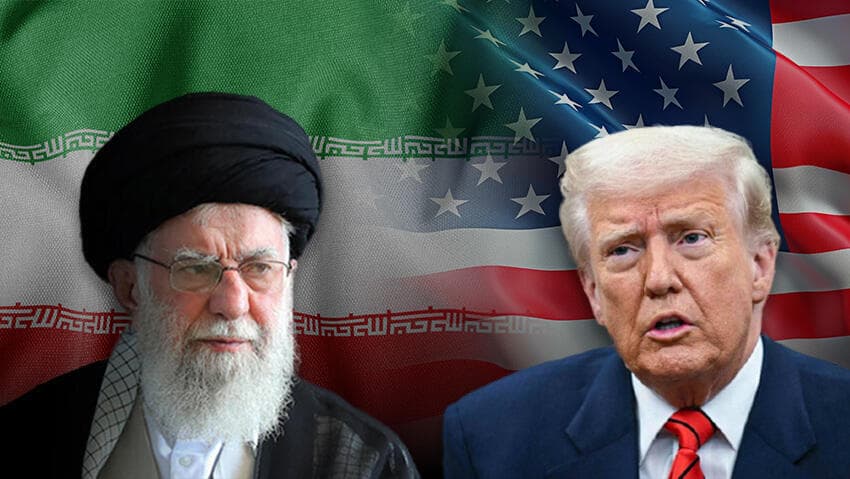
Summary of U.S.-Iran Relations and Ongoing Negotiations
Key Facts and Figures:
- Population Comparison: The U.S. has three times the population of Iran.
- GDP Disparity: U.S. GDP is 85 times larger than that of Iran.
- Military Budget: U.S. military budget is 20 times greater than Iran's.
Constitutional Context:
- The political dynamics in Iran are influenced by their historical grievances against Western powers, including U.S. sanctions and military intervention.
Geopolitical Landscape:
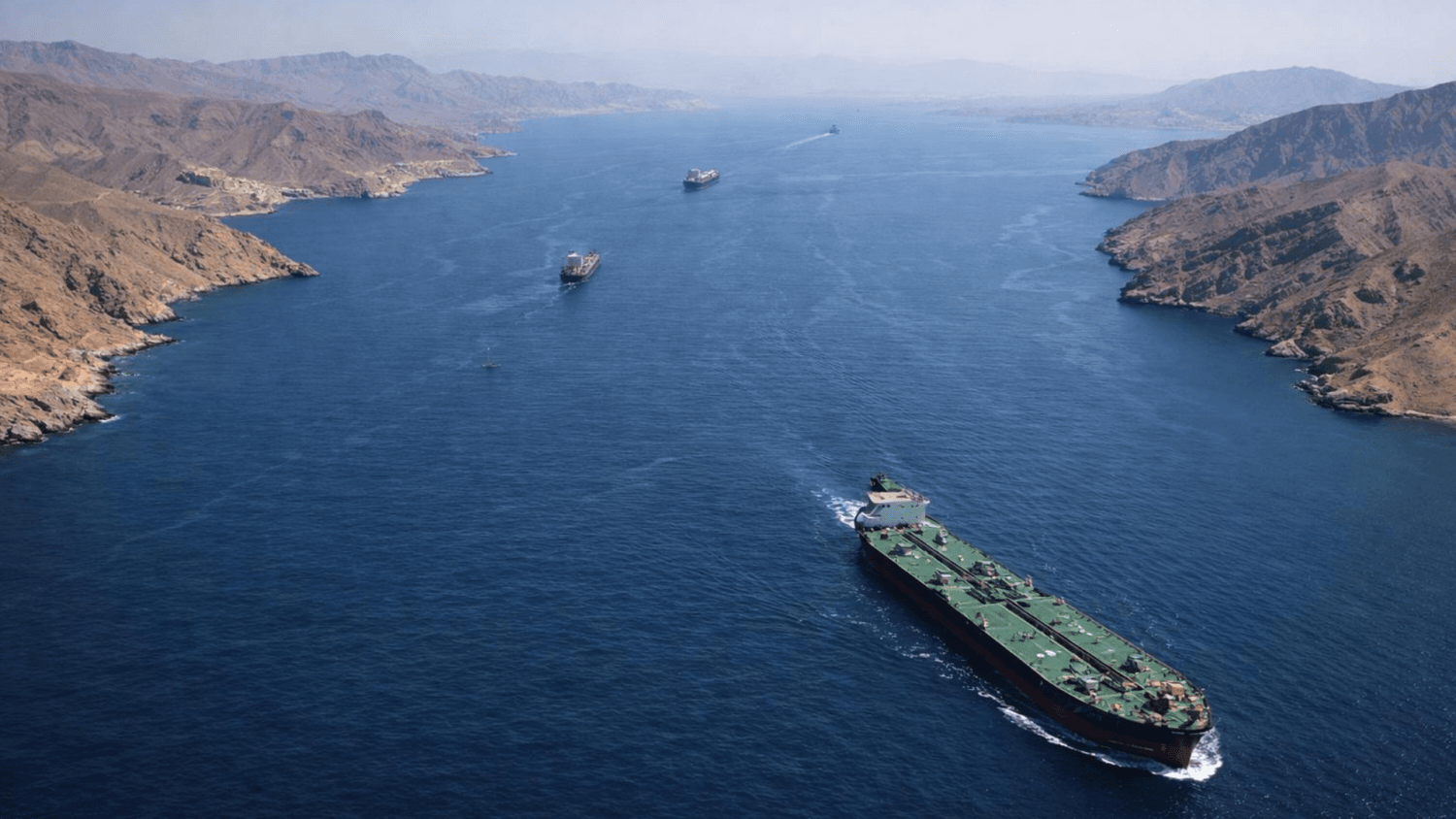
- The Strait of Hormuz plays a crucial role in global oil transportation, with tensions affecting regional security and oil prices.
- Iran's asymmetric military strategy is compared with the U.S. doctrine of military dominance.
Military and Economic Factors:
- U.S. actions included the "Operation Economic Outcast," which aims to further isolate the Iranian economy.
- Iran remains resilient despite being under stringent economic sanctions, and there are indicators of improved domestic unity in response to external threats.
- The U.S. is facing economic challenges, including inflation and ammunition depletion.
International Relations and Agreements:
- Hudna (temporary peace): Both the U.S. and Iran may seek temporary peace to stabilize their internal situations leading up to U.S. mid-term elections on November 3.
- Negotiations have included a seven-point proposal from Iran and references to past accords, such as the June 17 Islamabad memorandum, which previously failed.
Prospective Outcomes:
- A "Live and Let Live" approach is suggested as a possible alternative to escalating hostilities.
- Both nations are expected to use the interim before elections to regroup and prepare for future negotiations.
Regional Implications:
- Israel perceives Iran as an existential threat, which complicates regional dynamics. Future Israeli leadership may remain hostile towards a nuclear-capable Iran.
- Other regional states may face collateral damage due to the ongoing tensions and retaliatory actions.
Scientific and Technological Context:
- Iran's development of advanced weaponry may serve as a deterrence strategy against the U.S. and its allies, illustrating the high stakes of technological innovation in modern warfare.
Socio-Political Considerations:
- Rising dissent within both Iran and the U.S. seems to influence their respective leaders' approaches towards the negotiation process.
- Upcoming U.S. elections could significantly impact the direction of U.S.-Iran relations moving forward.
Emerging Issues:
- Challenges in regulating the Strait of Hormuz involve potential mediators like Oman, pointing to a need for regional collaboration in managing maritime security.
This summary encapsulates the evolving dynamics between the U.S. and Iran, emphasizing strategic interests, economic implications, and geopolitical considerations for understanding possible future directions in their bilateral negotiations.
Key Terms & Concepts
| Strait of Hormuz | Key maritime choke point |
| June 17 Memorandum | Previous negotiation attempt |
| Operation Economic Outcast | US economic strategy against Iran |
| U.S. GDP | 85 times that of Iran |
| November 3 Congressional elections | Potential turning point for Trump |
| Iranian seven-point proposal | Iran's negotiation efforts |
| Asymmetric strategy | Iran's military approach |
| Bab al-Mandeb | Strategic maritime route |
| Israeli drone and missile attacks | Attack on Iran's position |
| u.s. Military budget | 20 times that of Iran |
| Islamabad memorandum | Previous failed agreement |
| Iranian political discourse | Historical context of conflict |